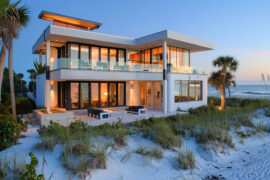
For many years, larger homes were often viewed as the ultimate symbol of comfort and success. Buyers focused heavily on square footage, oversized rooms, and dramatic architectural features without always considering how the layout supported everyday living. Today, that mindset is shifting as more families place greater importance on functionality, flexibility, and overall lifestyle flow inside the home.
Modern homeowners are becoming more intentional about how spaces connect and operate throughout the day. A house that feels efficient, adaptable, and comfortable often provides more satisfaction than one that simply offers excess space without practical purpose. As routines evolve around remote work, family interaction, and multi-use living, thoughtful layout planning has become a higher priority during the design process.
This change has influenced how people approach custom home construction from the very beginning. Instead of asking only how large a home should be, homeowners are now asking how the space should function across different stages of life. Teams experienced in designing homes around lifestyle patterns, including custom home builders, are seeing stronger demand for personalized layouts that support real daily routines rather than oversized designs built around appearances alone.
Open Movement Between Spaces Feels More Natural
Traditional floor plans often separated rooms according to very specific purposes. Formal dining rooms, enclosed kitchens, and isolated living areas once reflected how households functioned decades ago. While these layouts still work for some homeowners, many families now prefer spaces that allow easier interaction and smoother movement throughout the home.
Open transitions between kitchens, dining areas, and living spaces help households stay connected during everyday activities. Parents can cook while remaining involved with children nearby, and guests can move naturally through entertainment areas without feeling restricted by closed layouts. The home begins to feel more integrated instead of segmented into isolated sections.
This approach also improves how natural light travels throughout the interior. Connected spaces often feel brighter and more welcoming because visual barriers are reduced. Mōdish Custom Homes frequently works with homeowners who want layouts designed around comfort and movement instead of rigid room separation that limits flexibility later.
Multi-Purpose Rooms Are Becoming More Valuable
Modern families rarely use rooms the same way every day. A space that functions as a workspace during the morning may become a homework area, entertainment room, or guest space later in the evening. This shift has increased demand for adaptable rooms capable of serving multiple purposes without feeling temporary or overcrowded.
Homeowners are moving away from highly specialized rooms that remain unused most of the time. Instead, they want spaces that can evolve naturally as schedules, interests, and family needs change over the years. Flexibility has become more valuable than preserving traditional room labels that no longer match modern routines.
Designing adaptable spaces requires careful planning early in the construction process. Storage placement, lighting design, sound control, and furniture flow all influence whether a room can transition smoothly between different uses. Homes designed with adaptability in mind tend to remain practical much longer as lifestyles continue evolving.
Kitchen Layouts Now Influence the Entire Home Experience
The kitchen has become one of the most socially active spaces in modern homes rather than simply a place for meal preparation. Families gather there throughout the day for conversations, work, school activities, and casual entertainment. Because of this shift, kitchen design now affects the atmosphere and functionality of the surrounding home more than ever before.
Poor kitchen layouts can disrupt movement patterns across the entire house. Narrow walkways, limited seating, and isolated work zones often create frustration during busy routines or gatherings. Homeowners increasingly prioritize kitchens that support interaction while maintaining efficient organization and workflow.
Large islands, integrated seating areas, and open visual connections help kitchens feel more central to everyday life. However, functionality matters just as much as appearance. Experienced custom home builders understand how traffic flow, appliance placement, and storage organization influence how comfortably homeowners use the space over time.
Storage Planning Has Become More Strategic
Storage expectations have changed significantly as families accumulate more technology, seasonal items, recreational equipment, and household supplies. Many homeowners no longer want oversized closets alone. Instead, they prefer storage integrated thoughtfully throughout the home where it supports daily convenience naturally.
Mudrooms, built-in shelving, hidden storage zones, and organized utility spaces help reduce clutter before it spreads into primary living areas. Functional storage planning allows homes to feel calmer and more efficient without requiring excessive square footage simply to hold belongings.
Storage placement also affects how organized households remain over time. Conveniently located solutions encourage consistent use, while poorly planned storage often creates frustration and disorganization. Thoughtful storage integration improves both appearance and practicality throughout the home.
Outdoor Connections Are Influencing Interior Design Choices
Many homeowners now want stronger visual and functional connections between indoor and outdoor environments. Patios, courtyards, and covered outdoor living spaces are increasingly viewed as extensions of the interior rather than completely separate areas. This has influenced how homes are positioned, designed, and experienced daily.
Large windows, sliding glass walls, and transitional gathering areas help blur the boundary between inside and outside spaces. Natural light, landscape views, and improved airflow contribute to a more open and comfortable atmosphere within the home itself. Outdoor accessibility becomes part of the overall lifestyle experience instead of a secondary feature.
Homes designed around these connections often feel more expansive without necessarily increasing square footage dramatically. Mōdish Custom Homes frequently incorporates outdoor integration into design planning because homeowners value spaces that feel connected to the surrounding environment throughout the year.
Privacy and Quiet Areas Still Matter
While open layouts remain popular, homeowners are also recognizing the importance of balanced privacy within the home. Constant visibility across every room can become overwhelming, especially in households balancing remote work, family schedules, and shared living spaces simultaneously.
Quiet retreat areas help create separation when needed without fully disconnecting the household. Reading corners, private offices, secondary lounges, and strategically placed bedrooms all contribute to better emotional balance within busy homes. Functional flow involves understanding where openness works best and where separation improves comfort.
Acoustic considerations are also becoming more important in modern home design. Noise control between gathering areas and quiet zones helps spaces feel more livable long-term. Careful layout planning supports both social interaction and personal retreat within the same home environment.
Modern Home Design Is Becoming More Intentional
Homeowners are no longer measuring success only by the size of the property they build. Instead, many are focusing more carefully on how the home supports their routines, relationships, and long-term comfort. Thoughtful functionality often creates greater satisfaction than excess space that serves little practical purpose.
Design choices that improve adaptability, movement, storage, and connection tend to age more gracefully as household needs evolve. Homes planned around lifestyle flow remain usable and comfortable across different stages of life instead of requiring constant adjustments later. Practicality and atmosphere now carry equal importance during the design process.
Mōdish Custom Homes approaches residential design with attention to how people truly experience their homes every day. By prioritizing functionality alongside architectural style, homes can feel more personal, balanced, and connected to the way modern families actually live.