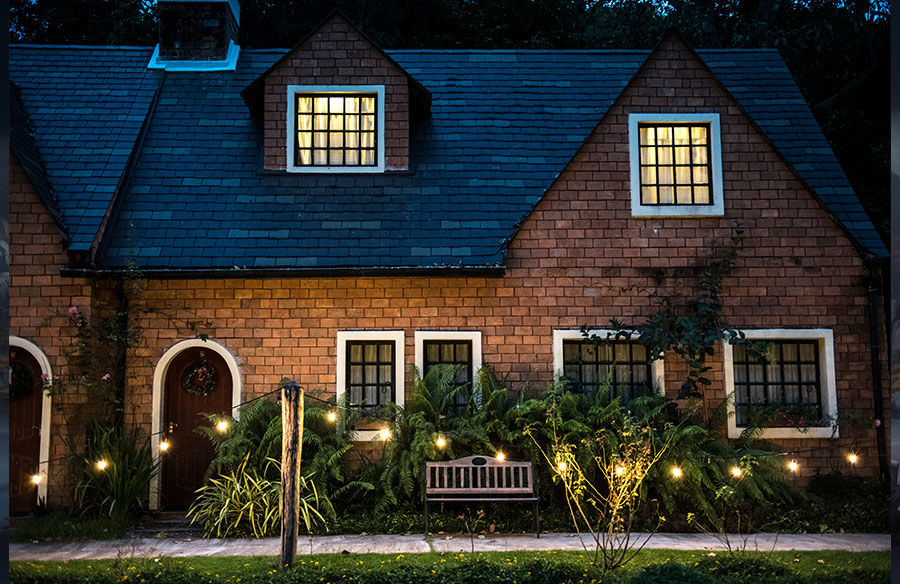
Most homeowners spend time planning patios, gardens, walkways, and outdoor seating areas, yet many overlook how dramatically lighting affects those spaces after dark. A yard that looks attractive during the day can feel flat, uninviting, or even unusable at night without thoughtful illumination. Proper landscape lighting changes not only visibility but also the atmosphere and functionality of the entire property.
Outdoor lighting is no longer limited to basic security fixtures attached near entryways. Modern landscape design uses lighting to shape mood, highlight architectural details, and improve how people interact with outdoor areas in the evening. Even subtle lighting placement can make familiar spaces feel more comfortable, balanced, and visually layered after sunset.
Homeowners are increasingly treating nighttime curb appeal as part of the overall outdoor experience rather than an afterthought. Strategic lighting helps outdoor areas remain usable longer throughout the year while creating a stronger visual connection between the home and surrounding landscape. Teams specializing in Ottawa landscaping often incorporate lighting plans early because they understand how outdoor spaces evolve between daytime and evening use.
Soft Lighting Creates Depth Across the Property
Dark outdoor spaces tend to lose definition once natural light disappears. Trees, pathways, garden beds, and seating areas blend together visually, making even professionally designed landscapes feel disconnected at night. Lighting introduces contrast and depth that allows the landscape to maintain structure after sunset.
Layered lighting works differently than harsh floodlights because it focuses on gradual illumination rather than overwhelming brightness. Small fixtures placed carefully near pathways, stonework, or plant beds create subtle shadows and visual texture throughout the property. This approach helps outdoor spaces feel warmer and more intentional.
Trees and larger landscape features often become stronger focal points at night when illuminated properly. Uplighting can emphasize natural shape, texture, and movement in ways daylight sometimes cannot. Outdoor environments gain a completely different personality once lighting begins interacting with the landscape itself.
Walkways Feel Safer Without Looking Overlit
Safety remains one of the practical reasons homeowners invest in outdoor lighting, but overly bright fixtures can sometimes create an uncomfortable atmosphere. Glare-heavy lighting may actually reduce visibility by creating sharp contrast between bright and dark areas across the yard. Balanced illumination tends to improve navigation more effectively.
Low-level pathway lighting guides movement naturally without overpowering the surrounding environment. Soft lighting near stairs, walkways, and transitions helps visitors move confidently through outdoor spaces during evening gatherings or late-night routines. The goal is visibility that feels natural rather than overly commercial.
Properties with uneven terrain or layered hardscaping especially benefit from carefully planned lighting placement. Retaining walls, elevation changes, and stone pathways become easier to navigate while maintaining the visual character of the landscape. Abloom Landscape Contractor often integrates lighting solutions that prioritize both usability and overall outdoor atmosphere.
Outdoor Living Areas Become More Functional at Night
Patios and backyard seating areas frequently go unused after sunset simply because the environment feels incomplete once daylight fades. Even beautiful outdoor spaces can lose comfort and practicality without sufficient lighting for conversation, dining, or relaxation. Lighting helps extend the usable hours of outdoor living spaces significantly.
Different activity zones benefit from different lighting styles depending on how the space is used. Dining areas may require warmer focused lighting, while lounge areas often feel more comfortable with softer ambient illumination. Layering light carefully prevents outdoor spaces from feeling either too dim or overly exposed.
Fire features, pergolas, and outdoor kitchens also interact differently with lighting compared to surrounding garden areas. Strategic placement helps separate functional spaces visually while maintaining cohesion across the landscape design. The result feels more immersive than relying solely on porch lights or standalone fixtures.
Seasonal Landscapes Look Different Under Evening Light
Landscape lighting changes noticeably throughout the year as weather, foliage, and seasonal conditions evolve. During warmer months, lighting often highlights dense greenery, blooming plants, and outdoor entertainment areas. In colder seasons, the same lighting may emphasize textures, structural trees, and architectural elements instead.
Snow-covered landscapes, for example, reflect light differently and create a softer nighttime atmosphere across the property. Bare branches and stone features may become more visually prominent during winter months when plant growth recedes. A flexible lighting design adapts naturally to these seasonal changes without requiring constant adjustments.
Ottawa landscaping projects often consider year-round nighttime appearance because seasonal variation strongly affects how outdoor spaces are experienced. Lighting that works only during summer months may leave landscapes feeling incomplete throughout the rest of the year.
Architectural Features Gain More Visual Presence
Landscape lighting does not only highlight plants and pathways. It also changes how architectural elements interact with the outdoor environment after dark. Stone facades, entryways, fencing, and retaining structures often appear more refined once subtle lighting introduces shadow and dimension.
Homes with textured exterior materials especially benefit from controlled nighttime illumination. Light positioned carefully near stone, brick, or wood surfaces enhances texture while giving the property greater visual character. Even simple architectural details become more noticeable without requiring major structural changes.
Balanced lighting also helps connect the home visually to surrounding outdoor areas. Instead of feeling isolated from the landscape, the structure becomes integrated into the broader nighttime environment. This relationship creates stronger overall curb appeal without relying on excessive brightness.
Poor Lighting Placement Can Disrupt the Entire Design
Lighting mistakes often happen when fixtures are added without considering the broader landscape composition. Random placement, inconsistent brightness, or poorly aimed fixtures can make outdoor spaces feel chaotic rather than cohesive. More lighting does not automatically create a better visual result.
Overlighting frequently removes the natural atmosphere homeowners are trying to create. Excessively bright fixtures flatten visual depth and eliminate subtle contrast throughout the yard. In some cases, they may also create glare that becomes uncomfortable for both residents and neighbors.
Successful lighting design depends heavily on restraint and placement accuracy. Small adjustments in angle, spacing, and brightness often make a larger difference than increasing fixture quantity. Experienced designers focus on guiding attention intentionally instead of illuminating every surface equally.
Nighttime Design Adds Another Layer to Landscaping
Outdoor spaces are experienced differently once daylight disappears, which makes nighttime design just as important as daytime appearance. Lighting helps homeowners enjoy their property longer while creating atmosphere, comfort, and visual continuity throughout the evening hours. A well-designed landscape should not disappear once the sun goes down.
Thoughtful lighting also increases appreciation for details that may go unnoticed during the day. Texture, depth, shadows, and focal points all become more dynamic under controlled illumination. Outdoor environments begin feeling more complete when nighttime aesthetics receive the same attention as daytime landscaping.
Abloom Landscape Contractor approaches lighting as part of the overall outdoor experience rather than a final decorative addition. By integrating illumination into the broader landscape design process, outdoor spaces can remain visually engaging, functional, and welcoming long after sunset.