The Old Mindset
Most architecture students get into architecture with a similar belief that architecture is about, iconic buildings, aesthetics, form, materials and visual identity of a building or a space. The student starts by admiring museums, skyscrapers, modern houses, dramatic facades, believing architecture is about designing objects. To some extent it is as well, but then the shift begins to happen.
Discovering people instead of buildings
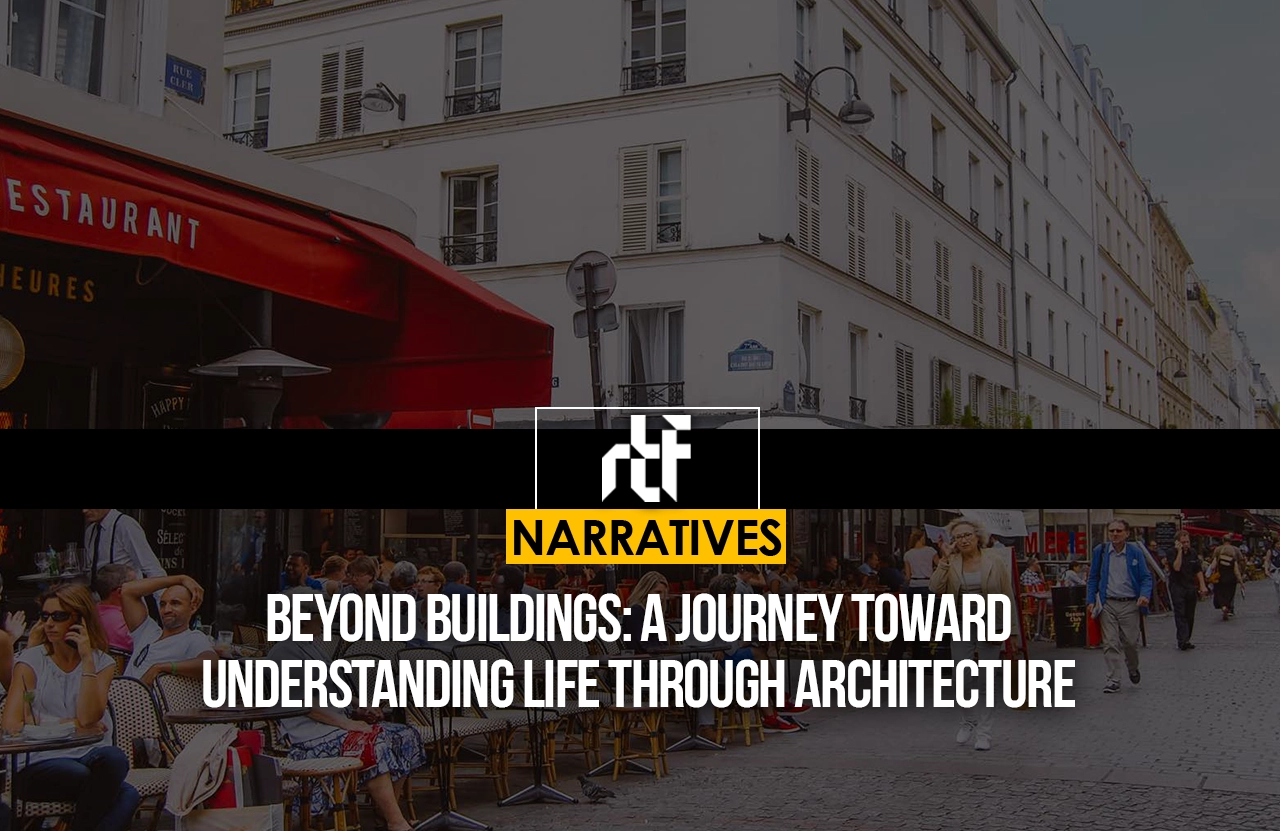
The earliest shift arrives after reading Life Between Buildings by Jan Gehl. It creates the first crack in the old mindset. Gehl introduces a small idea that architecture is not about buildings, it is more about human activity. The text shifts from objects to the life in between the building blocks.
Before learning architecture, a street, if asked to define, used to be a combination of road, buildings and footpath, wherein in reality a street is a system that either creates or prevents human activity. Architecture doesn’t design places, it designs possibilities. Possibilities for people to sit, stop, gather or avoid.
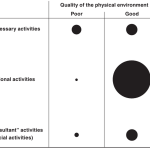
Gehl mentions the 3 types of outdoor activities:
- Necessary activities: These activities are bound to happen; going to work, walking to bus stops, running errands. This doesn’t help us understand the difference between good and bad design, because these activities happen no matter what.
- Optional activities: These will only happen if the place is pleasant. It includes sitting/strolling/relaxing/playing.
- Social activities: Social activities are a result of the first tow. These happen when people meet/watch others/interact.
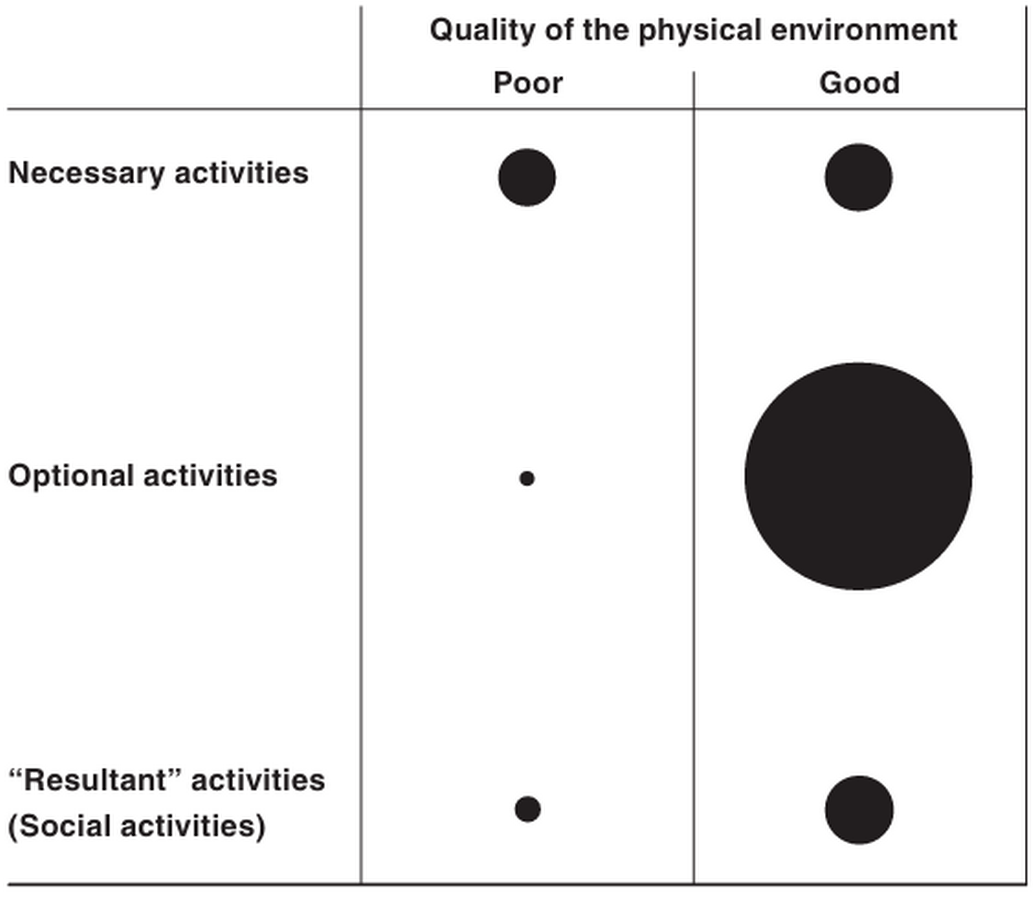
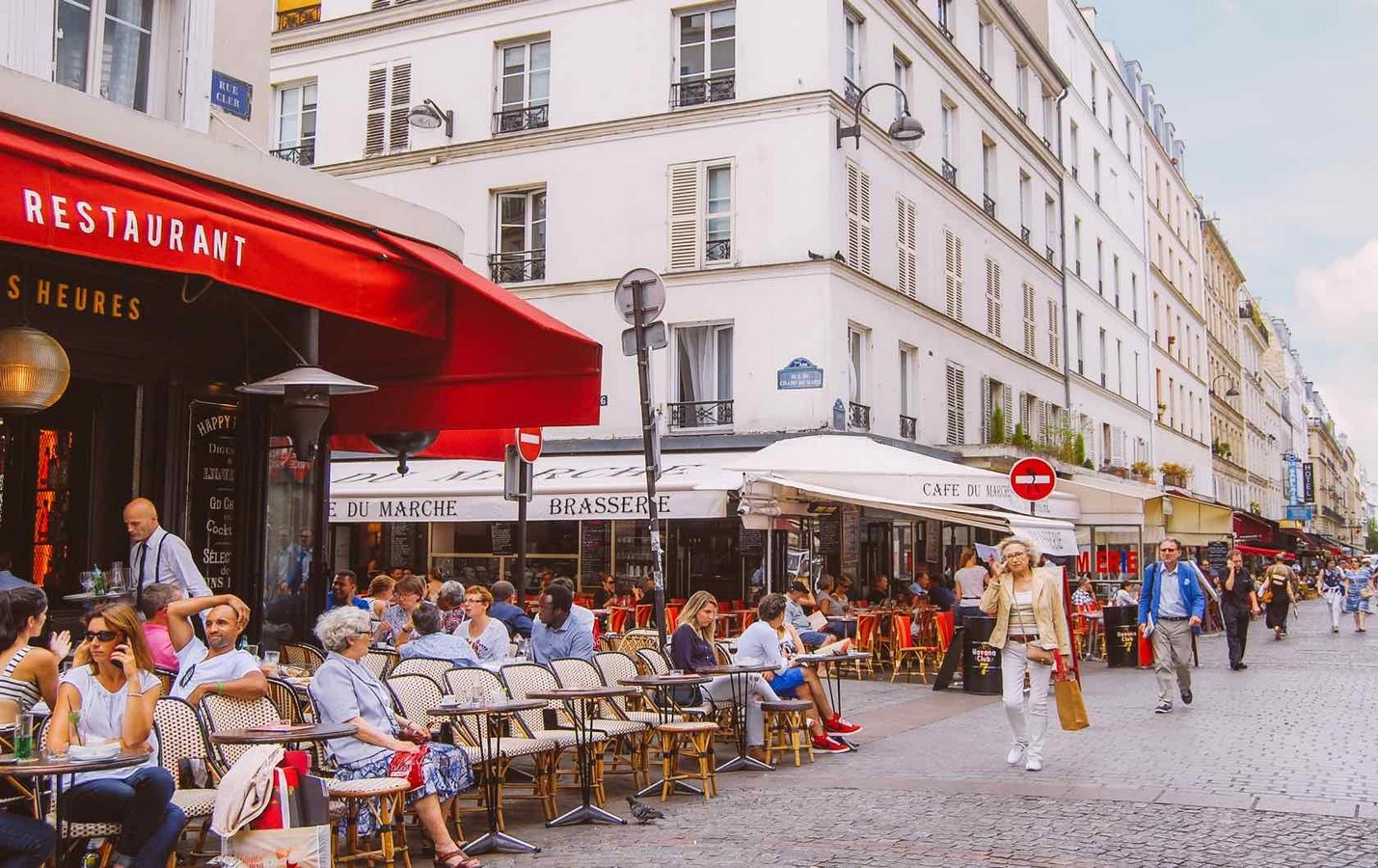
Social life is the byproduct of a good design. One cannot design social life directly, but one can design conditions for it to happen. So instead of the building being the focus, it becomes the Image
background. Instead of asking how to make a plaza vibrant, the question shifts to how to make people stay longer. Life between buildings in more interesting than the building itself.
Architects designed cities as compositions of buildings, not as spaces for people. Gehl criticizes modernist planning for prioritizing cars over people, speed over experience, space over social life.
Wide roads, empty plazas, and isolated towers often look impressive in drawings and masterplans. On paper, they appear bold and efficient. In real life, though, they frequently feel lifeless and empty.
Architects are trained to design in meters, plans, and elevations—abstract measurements that belong to drawings and models. Yet people experience space very differently.
Human perception is rooted in movement, eye level, senses, and the distances at which interaction becomes possible. Gehl reframes architecture through biology and psychology. People can clearly recognize faces at roughly 20–25 meters, read emotions at about 10 meters, hear conversation at around 7 meters, and feel intimacy at approximately 1 meter.
These insights lead to a powerful realization: cities should be designed for the distances at which people can see, hear, and connect with one another. Architecture stops feeling purely geometric and begins to feel sensory and human.
Learning to observe Human Behaviour
Another shift comes after learning about The Social Life of Small Urban Spaces by William H. Whyte.
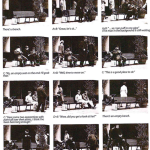
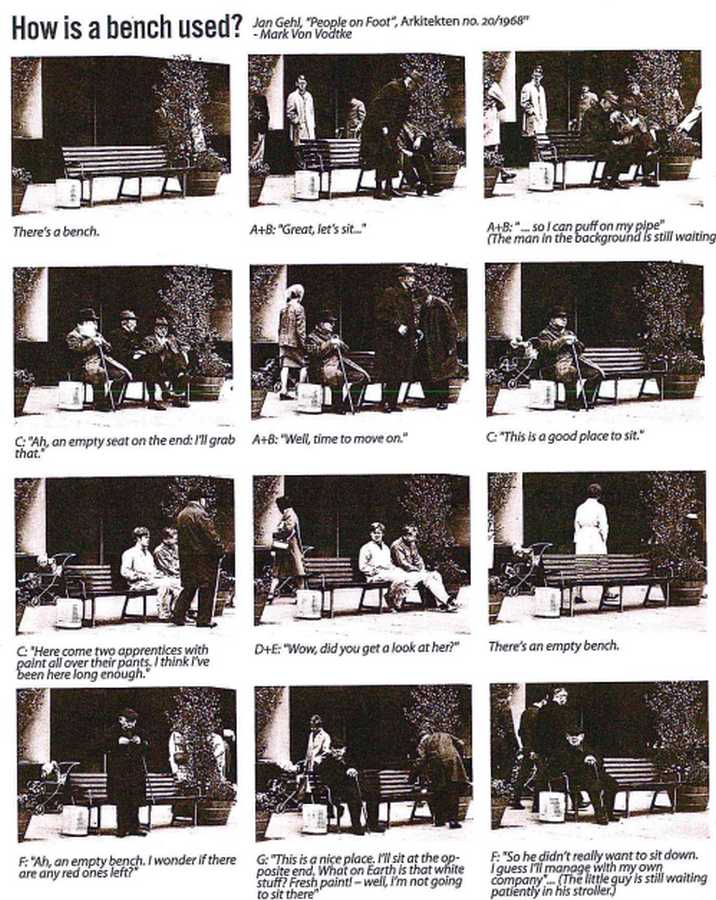
Whyte introduces a different way of looking at cities. Using time lapse cameras and behavioral mapping, he treated a public space like a field experiment.
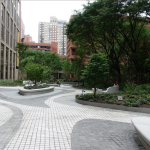
Whyte begins by confronting the fact that in the 1960s and 1970s, New York created numerous public plazas that looked flawless on paper. In reality, many of them were empty, unused, and lifeless.
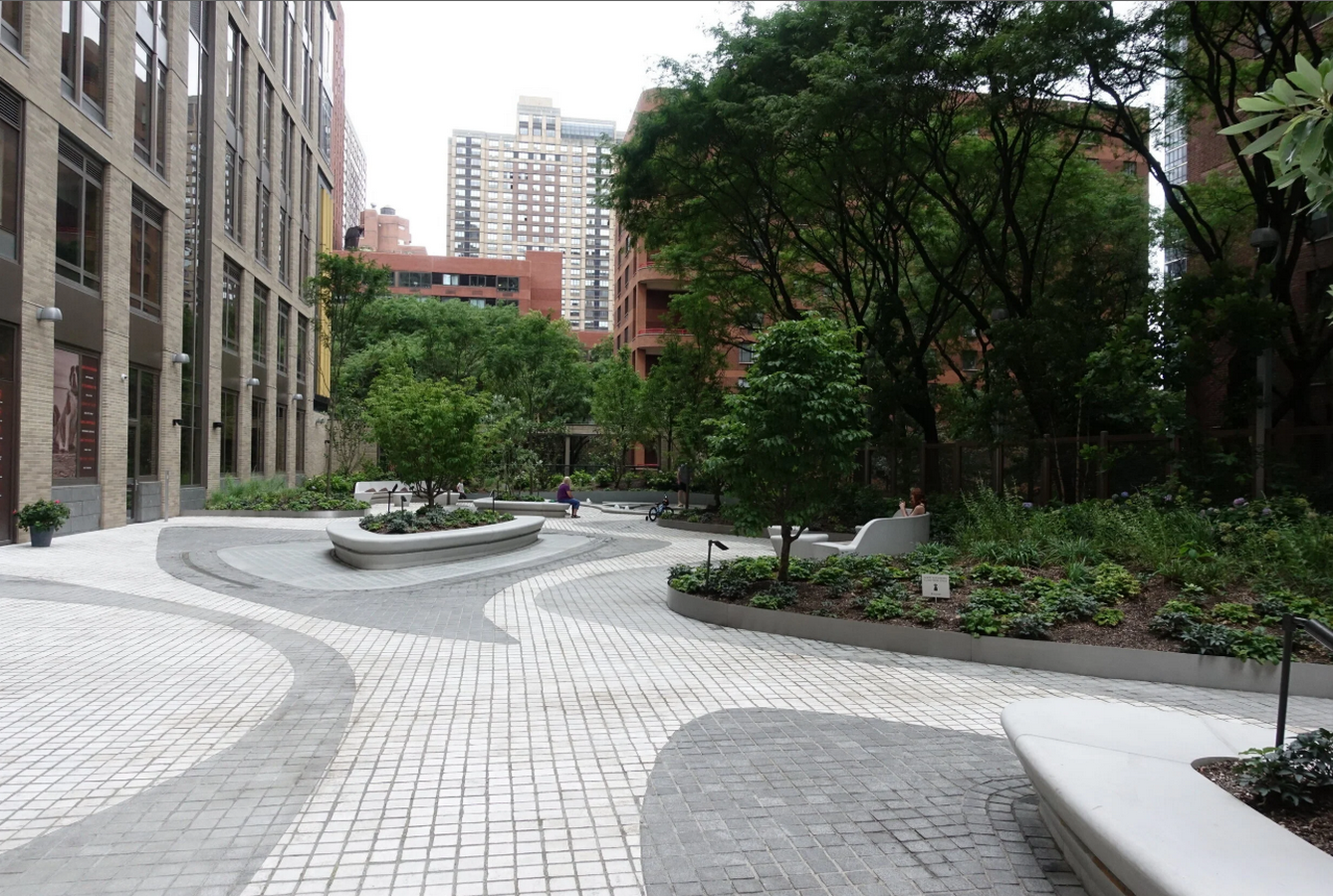
The failure raised a crucial question: why do some public spaces succeed while others fall flat? The answer pointed away from aesthetics and toward human behavior. Architecture, it seemed, was struggling not because of design quality alone but because people themselves were misunderstood.
One of the most famous revelations of this book was, people attract people. Whyte described this as the “self-congestion” phenomenon. Contrary to modernist assumptions, crowds are not something people avoid; they are something people seek. Lively spaces feel safe and comfortable, while empty ones often feel uneasy and unwelcoming.
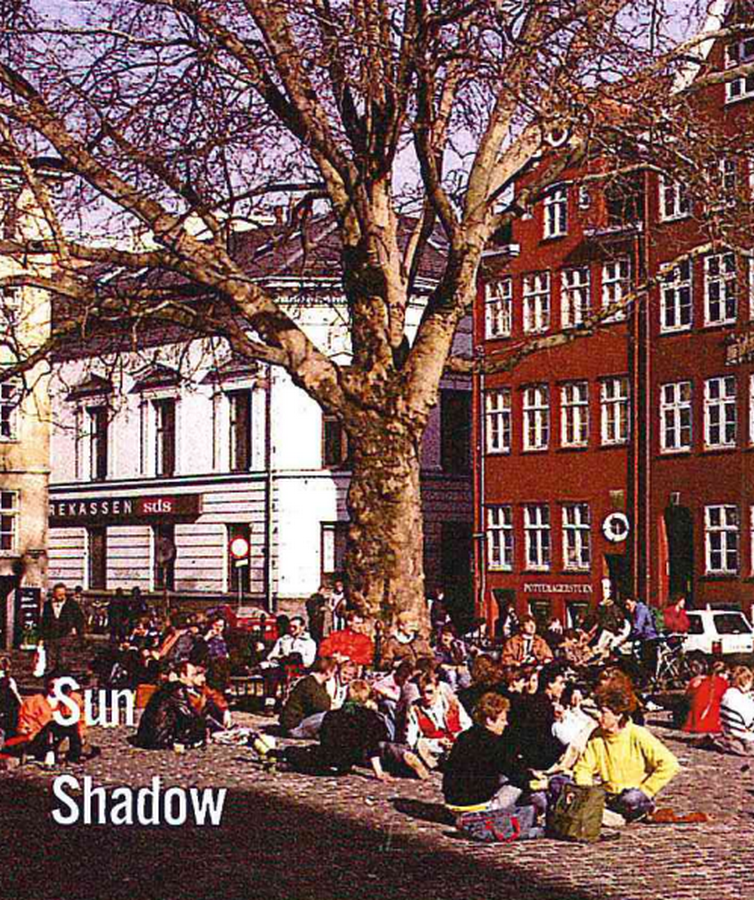
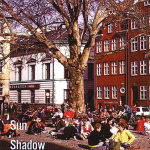
Whyte noticed a clear pattern: people follow the sun. Even poorly designed spaces filled with sunlight attracted activity. This observation highlights an essential truth—microclimate matters as much as architecture itself. Comfort, not just form, shapes how spaces are used.
Whyte talks about triangulation, which is when something from the outside makes two strangers interact. Street performers, fountains, sculptures, public art, even dogs can trigger conversation. Two people who don’t know each other might start talking while watching the same show. Architecture can bring people together in small ways like this.
Through this lens, architecture becomes less about monuments and more about the everyday choreography of human life.
Learning How to Design for Real Life
After all the criticism, A Pattern Language by Christopher Alexander gives hope. The question now becomes clear: once people are understood, how should design respond?
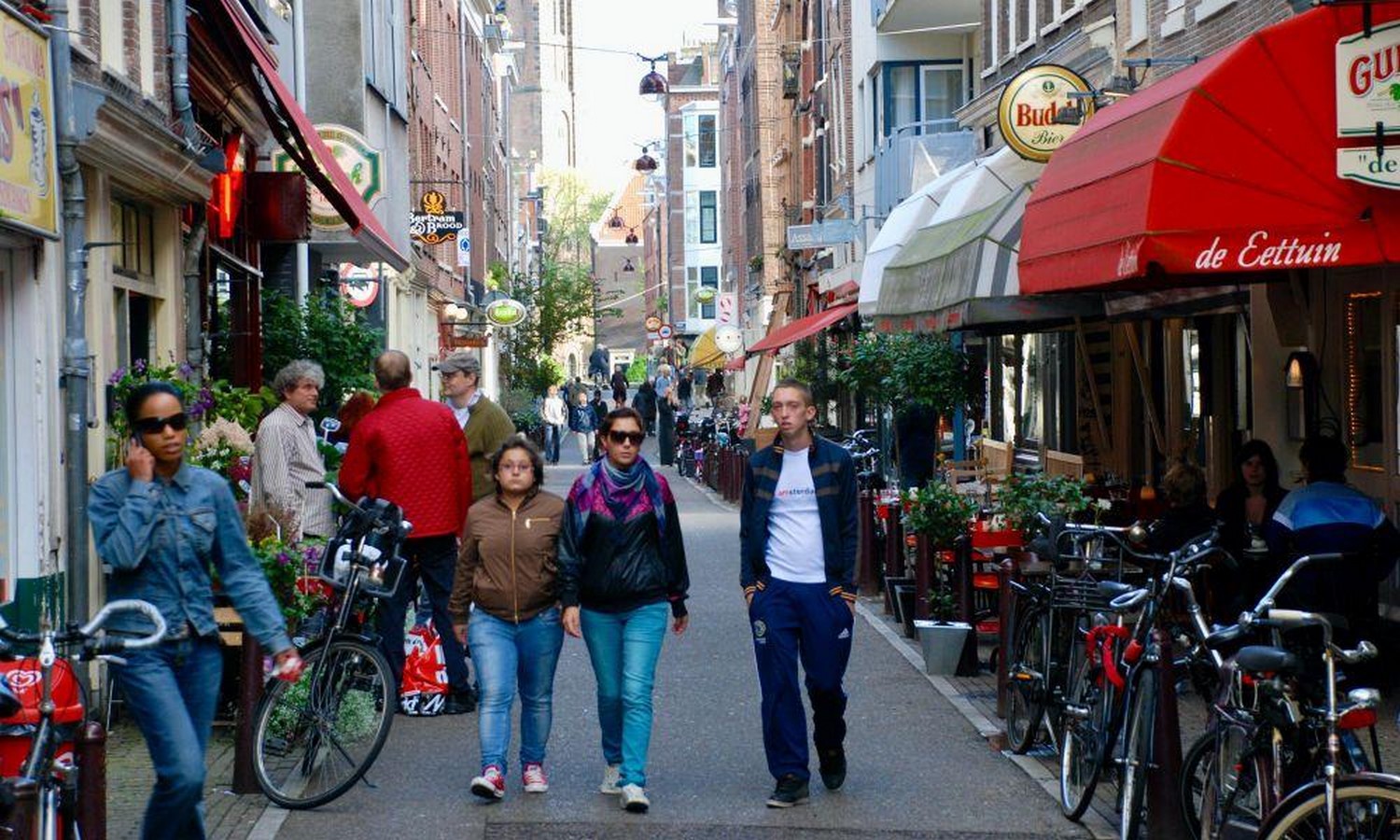
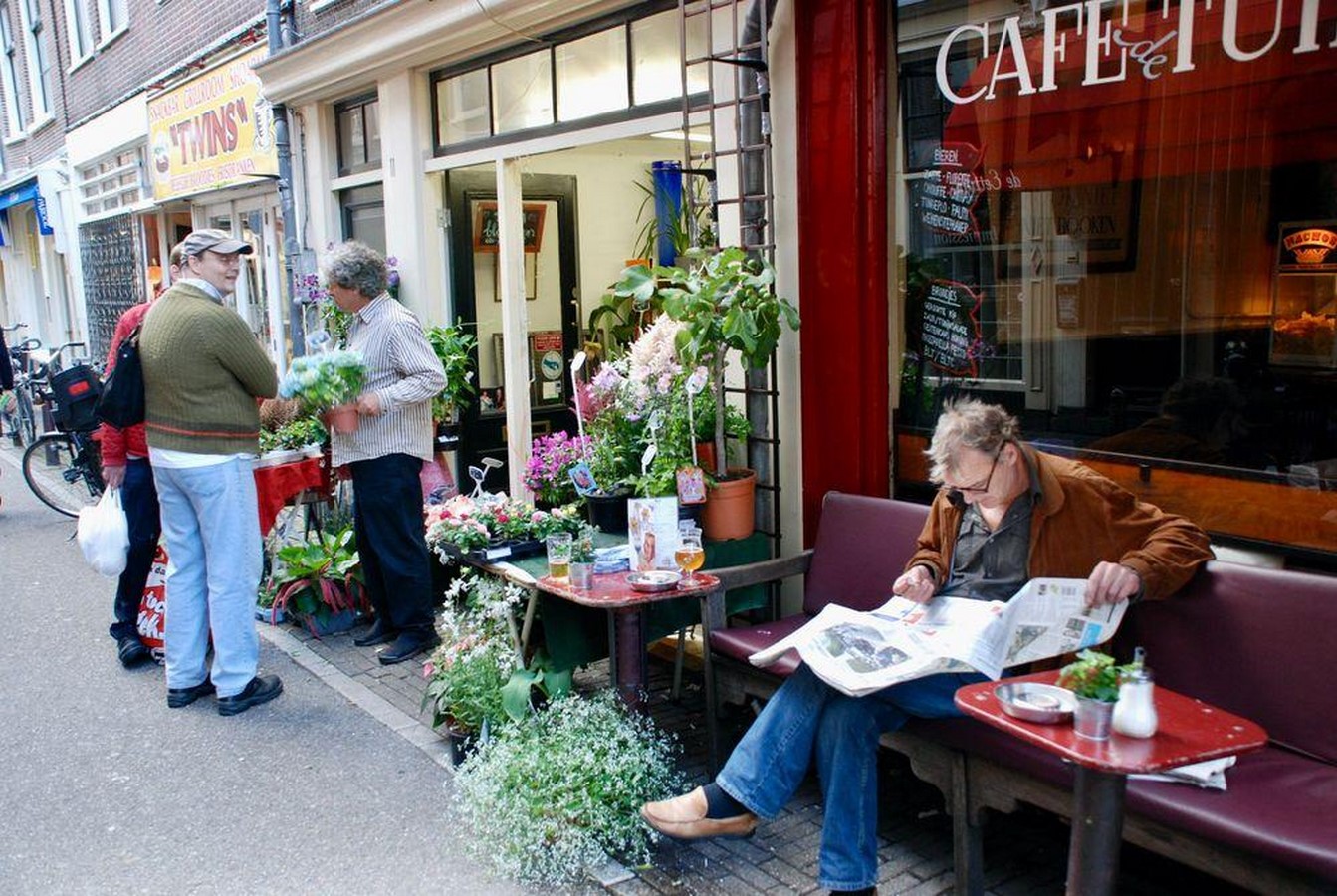
Alexander says that good places follow timeless patterns of human life and are based on patterns that have been around for a long time and are based on how people live. People from different cultures and times have always liked small squares, busy streets, rooms with lots of light, social edges, and a mix of activities. People don’t just make good places; they find them by meeting their needs over and over again.
Architecture starts to feel like a group effort that is focused on people, emotional, and long-lasting. The goal quietly changes from building famous buildings to making places that people really love.
The Arc of Transformation
The journey happens in steps. Architecture is about objects at first. Then it becomes about public life. Next, it evolves into a response to human behavior. It learns humility and communication. Finally, it becomes a tool for human wellbeing.
Architecture no longer seems like just the design of buildings, it becomes the design of life between them, the study of how people act, the willingness to learn from everyday situations, and the use of timeless patterns that make spaces feel alive.
Architecture ceases to be an object. It becomes a responsibility.

References:
- Gehl, J. (2011). LIFE BETWEEN BUILDINGS. [online] Available at: https://cus.ubt-uni.net/wp-content/uploads/2024/11/Jan-Gehl-Life-Between-Buildings_-Using-Public-Space-2011-Island-Press.pdf.
- Kala, A. (2025). A Pattern Language. [online] Scribd. Available at: https://www.scribd.com/document/355091930/A-Pattern-Language.
- Kent, F. et al. (1980) To our readers, Project for Public Spaces. https://www.pps.org.
- Whyte, W.H. (1980). The Social Life of Small Urban Spaces. [online] wordpress. Available at: https://streetlifestudies.wordpress.com/wp-content/uploads/2017/06/1980_whyte_small_spaces_book.pdf.