Quick Answer
Start with a clear vision and a realistic budget that reflects your priorities. Thoroughly assess your current space, define your functional and aesthetic goals, and research design ideas that suit your lifestyle. Create a detailed timeline that accounts for permits, material sourcing, and construction phases with buffer time for unexpected delays. Hire qualified professionals who understand local building codes and have proven experience. Finally, plan for temporary living arrangements to reduce stress during the renovation process and ensure a smoother transition to your refreshed space.
Introduction
Imagine stepping into a bathroom that feels like a personal sanctuary. Every morning routine transforms when your space combines thoughtful design, quality materials, and seamless functionality. Yet achieving this result requires careful planning, clear priorities, and a methodical approach to avoid costly missteps.
Whether you are refreshing a powder room or reimagining a primary ensuite, understanding the scope of your project is essential. For homeowners exploring luxury bathroom renovations, the journey begins with defining what true comfort and style mean for your household. This guide walks you through each decision point with practical clarity.
By following a structured process, you can manage timelines, control costs, and create a space that serves your family for years to come. Let’s begin with the foundational steps that set every successful project up for success.
The Essential Steps to Plan Your Bathroom Renovation
Define Your Vision and Functional Needs
Begin by documenting what works and what does not in your current space. Consider daily routines, storage requirements, accessibility needs, and aesthetic preferences. Create a mood board with images, finishes, and fixtures that resonate with your style. This visual reference helps align expectations with your renovation team and prevents mid-project changes that inflate costs. Ask yourself: Do you need better lighting, more counter space, or improved ventilation? Clarity here shapes every decision that follows.
Establish a Realistic Budget with Contingency
A well-structured budget accounts for labour, materials, permits, and unexpected expenses. Industry standards suggest allocating 15 to 20 percent of your total budget as a contingency fund. Break down costs by category:
| Category | Typical Allocation |
| Labour | 40 to 50 percent |
| Fixtures and finishes | 25 to 35 percent |
| Plumbing and electrical | 15 to 20 percent |
| Permits and design fees | 5 to 10 percent |
| Contingency | 15 to 20 percent |
When planning a comprehensive bath renovation, prioritize investments that deliver lasting value, such as water-efficient fixtures or durable surface materials. This approach balances immediate desires with long-term practicality.
Research Design Elements and Material Options
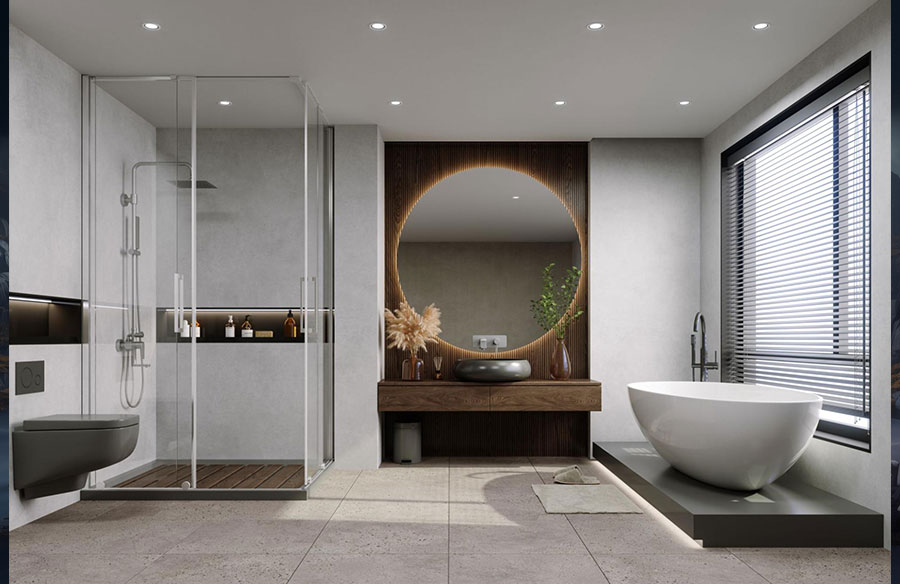
Select materials that withstand moisture, frequent use, and Canadian climate variations. Porcelain tile, quartz countertops, and solid wood vanities with proper sealing offer both beauty and resilience. For shower renovations, consider frameless glass enclosures to enhance light flow and create a sense of spaciousness. Waterproofing behind walls and under flooring is non-negotiable for preventing future damage. Use comparison tables to evaluate options:
| Material | Durability | Maintenance | Cost Range |
| Ceramic tile | High | Low | $ |
| Natural stone | Medium | Medium | $ |
| Vinyl plank | Medium | Low | $$ |
| Quartz surface | High | Low | $$ |
Understand Permits and Local Building Requirements
Most municipalities require permits for structural changes, plumbing relocations, or electrical updates. A thorough washroom renovation often involves multiple trades, each needing proper licensing and insurance. Verify local bylaws regarding ventilation standards, water conservation fixtures, and accessibility guidelines. Your renovation professional should manage permit applications, but staying informed helps avoid delays. Keep copies of all approvals and inspections for future reference or resale documentation.
Select and Vet Your Renovation Team
Seek contractors with verified references, portfolio examples, and clear communication styles. Request detailed quotes that itemize labour, materials, and timeline milestones. Ask about their process for handling changes, delays, or unforeseen issues. A reliable team will provide a written contract covering scope, payment schedule, and warranty terms. Trust and transparency here prevent stress later.
Create a Detailed Timeline with Buffer Periods
Map each phase from demolition to final cleaning, allowing extra days for material deliveries or inspection scheduling. Typical bathroom projects span four to eight weeks depending on complexity. Share this timeline with all stakeholders and establish regular check-in points. Flexibility within structure keeps the project moving smoothly toward completion.
Navigating Execution and Ensuring Lasting Results
Prepare Your Home for Construction Day
Before work begins, create a clear pathway for tradespeople and protect adjacent rooms with dust barriers. Remove personal items from the renovation zone and establish a temporary bathroom setup elsewhere in your home. Communicate expectations about work hours, noise levels, and site access with your team. A well-prepared home minimizes disruptions and helps the project stay on schedule.
Maintain Clear Communication Throughout the Build
Schedule brief weekly check-ins to review progress, address questions, and confirm upcoming tasks. Use a shared digital folder for invoices, change orders, and design approvals to keep documentation organized. When unexpected situations arise, discuss solutions promptly and document any adjustments to scope or timeline. Transparent dialogue prevents misunderstandings and keeps everyone aligned.
Inspect Work at Critical Milestones
Conduct walk-throughs after rough-in plumbing and electrical, before walls close up, and again after finishes are installed. Verify that waterproofing membranes are properly applied, tiles are level, and fixtures function as intended. Take photos during these inspections for your records. If you are comparing service approaches, reviewing portfolios from established providers such as Reborn Renovations can offer useful benchmarks for quality expectations.
Care for Your New Bathroom to Maximize Longevity
Proper maintenance protects your investment. Use gentle, non-abrasive cleaners on surfaces like quartz or natural stone. Run ventilation fans during and after showers to control humidity. Inspect caulking and grout annually, resealing as needed to prevent water intrusion. For long-term care, keep a small kit with touch-up paint, spare tiles, and manufacturer care guides.
| Maintenance Task | Frequency | Purpose |
| Clean grout and seals | Monthly | Prevent mould and staining |
| Inspect caulking | Every 6 months | Maintain water resistance |
| Service exhaust fan | Annually | Ensure proper ventilation |
| Check fixture hardware | Annually | Tighten loose components |
| Reseal natural stone | Every 1 to 2 years | Preserve surface integrity |
Conclusion and Key Takeaways
A successful bathroom renovation begins long before demolition starts. It grows from clear intentions, thoughtful preparation, and partnerships built on trust. When you invest time in defining your needs, researching options, and selecting qualified professionals, you lay the groundwork for a space that truly enhances daily life.
Remember these core principles as you move forward:
- Prioritize function alongside aesthetics to create a space that works for your household
- Build flexibility into your budget and timeline to accommodate the unexpected
- Choose materials suited to Canadian climates and your family’s lifestyle
- Maintain open communication with your renovation team at every stage
- Plan for proper maintenance to preserve beauty and performance for years