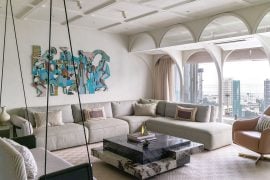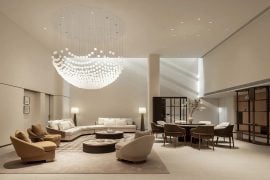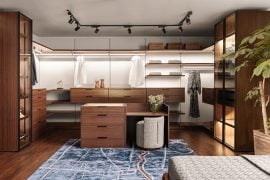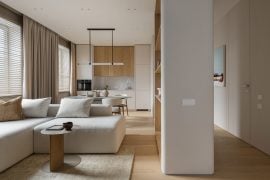
In the United States, late-stage capitalism heavily influences society and the built environment. Among many of the political issues in this region, adults can’t afford to buy houses. Housing is an important and necessary branch of architectural design. However, with the current economic system, sometimes it can seem silly to design mansions for the rich when so many can’t afford their rent, let alone save up for a house. Money may make the world go round, but at the same time, it has created a system that devalues the craft of designing the human home.
Historic Housing Design
Housing and residential design is an important and beneficial career choice when it comes to being an architect. However, these days, in architecture schools in the United States, designing individual homes for studio projects is highly discouraged. If students wish to study or partake in any kind of housing design, it has to be multifamily. Which, to be fair, does work in many places, including the US. Great design in this field can foster ideas of community and shared resources that really should be utilised from an energy-saving standpoint. That being said, capitalism and the “American Dream” (while no longer really possible) are still heavily rooted in the ideas of suburban single-family living. Some of the great architects in the 20th century show this with their housing designs, including Frank Lloyd Wright and Walter Gropius.
Falling Water
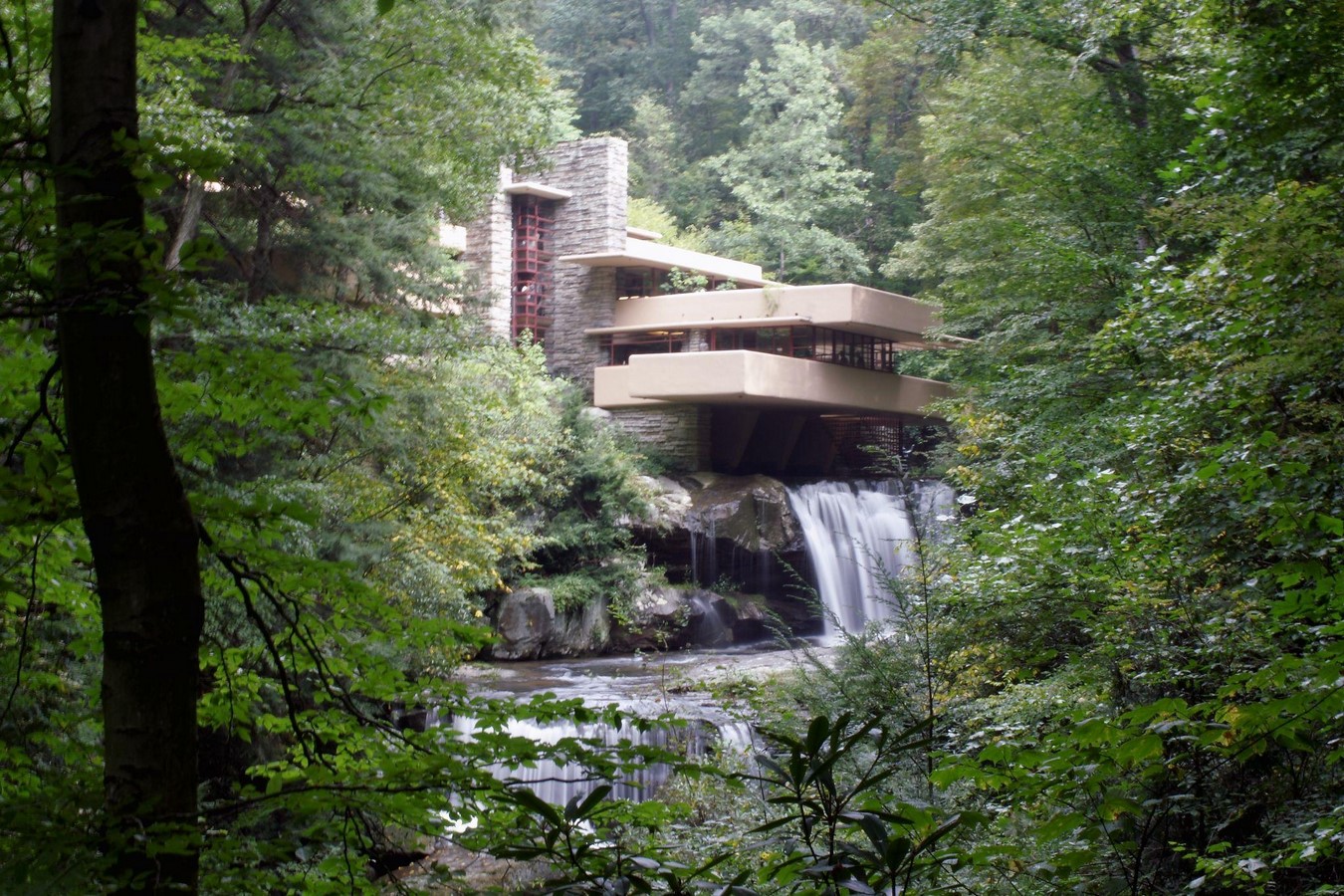
Deep in the woods of Bear Run, Pennsylvania, lies one of Frank Lloyd Wright’s most famous architectural works, Falling Water, built for the Kaufmann family, who were rich because of capitalism. However, it was in the earlier stages and succeeded despite this fact. The main design draw to this house is that it hovers over a waterfall. It integrates seamlessly with nature, especially with the material choices of concrete, sandstone, glass and metal. Wright’s signature horizontal planes cut through the forest landscape, tied back to the chimney, allowing it to stand out in form. In this house, nature comes inside with the materiality, but the waterfall sights and sounds invite you to experience the outdoors. This house isn’t trying to show off with the latest trends in housing design. It fits in with nature and the family it was built for.
Gropius House
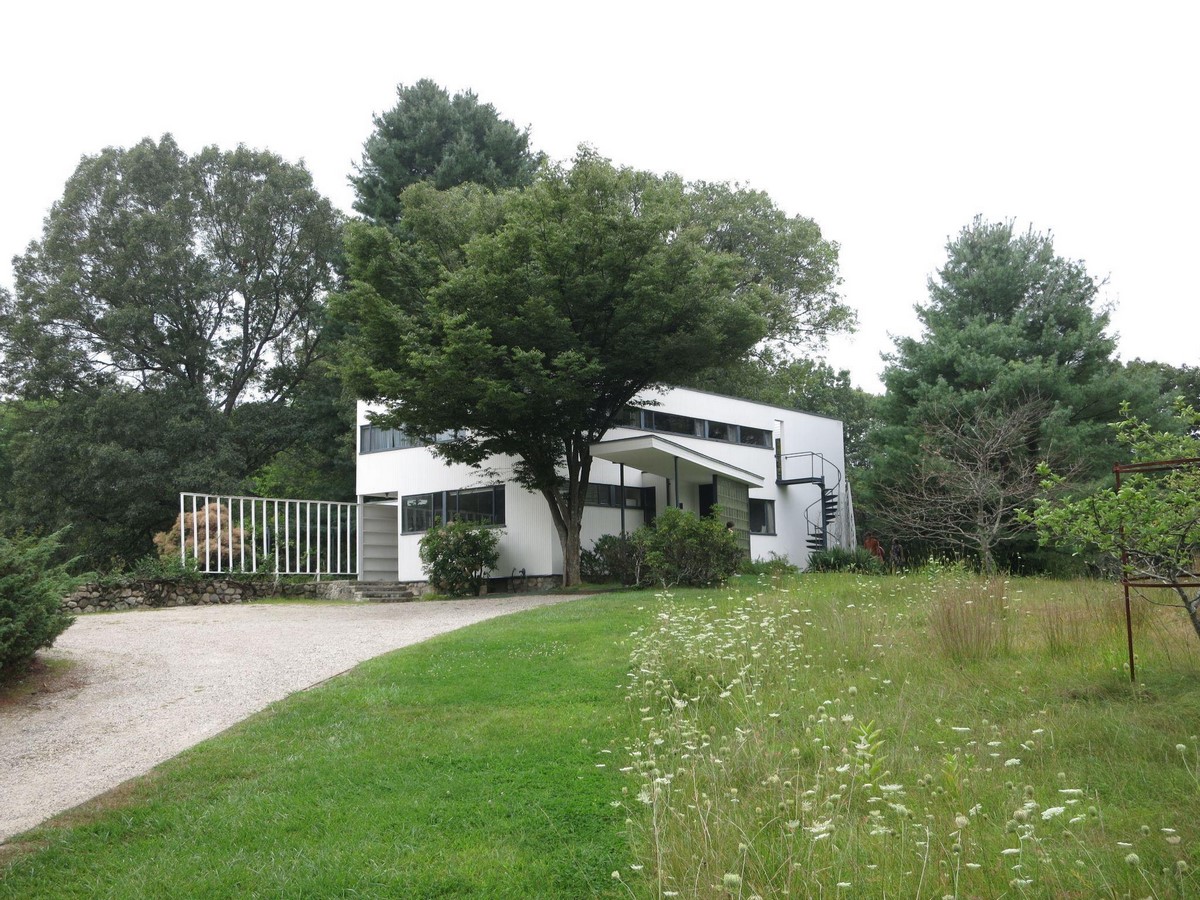
The founder of the Bauhaus, Walter Gropius, escaped Nazi Germany and settled in the United States. He started teaching at Harvard and began building his residence in Lincoln, Massachusetts. While this home was built before the peak era of capitalism (post World War II), the modern interior and exterior reflected Bauhaus principles, while combining some elements of New England traditional houses. This exploration of modern design wasn’t affected because the house didn’t look like its neighbours. From the custom lighting perfectly illuminating the dinner table to the large ribbon windows showcasing the glorious views of nature all year round, the human experience was considered in Gropius’s own home. Even the stairs from his daughter’s bedroom were positioned intentionally right outside his office window, so he could see if she ever snuck out. A house perfectly tailored to him, his family, and his design philosophies.
Mass Production of the McMansion
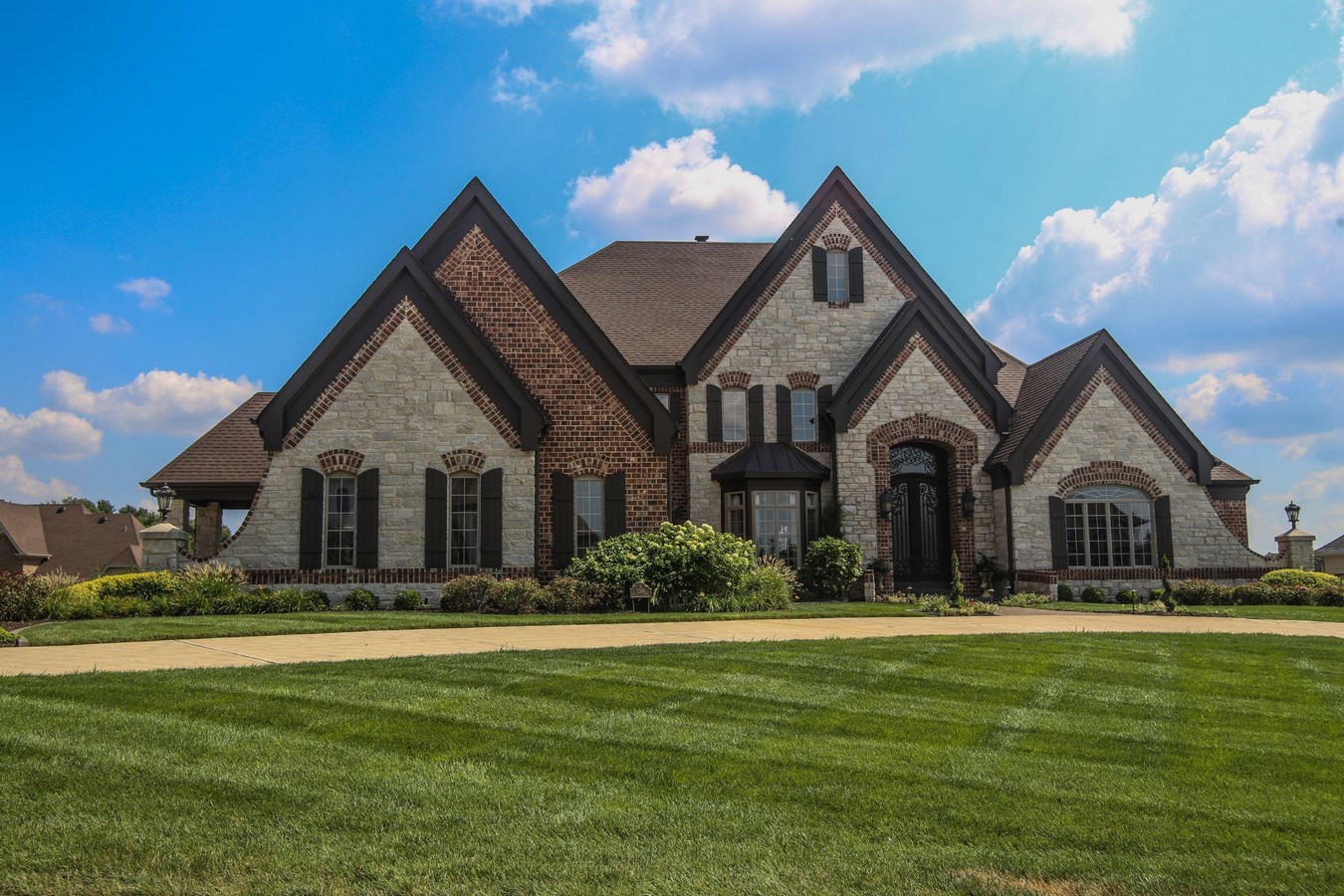
Due to capitalism, companies want to build faster and make more money. In suburbia, McMansions are taunted for the way they look, yet sometimes living in that area is the only option in the United States. Real estate developers are trying to make a profit and build as many homes as quickly and as cheaply as they can. They look like “mansions” but are poorly built monstrosities that make up our suburbs. Meant to look expensive, but the quality was sacrificed for time and money due to mass production.
Lack of Craftsmanship
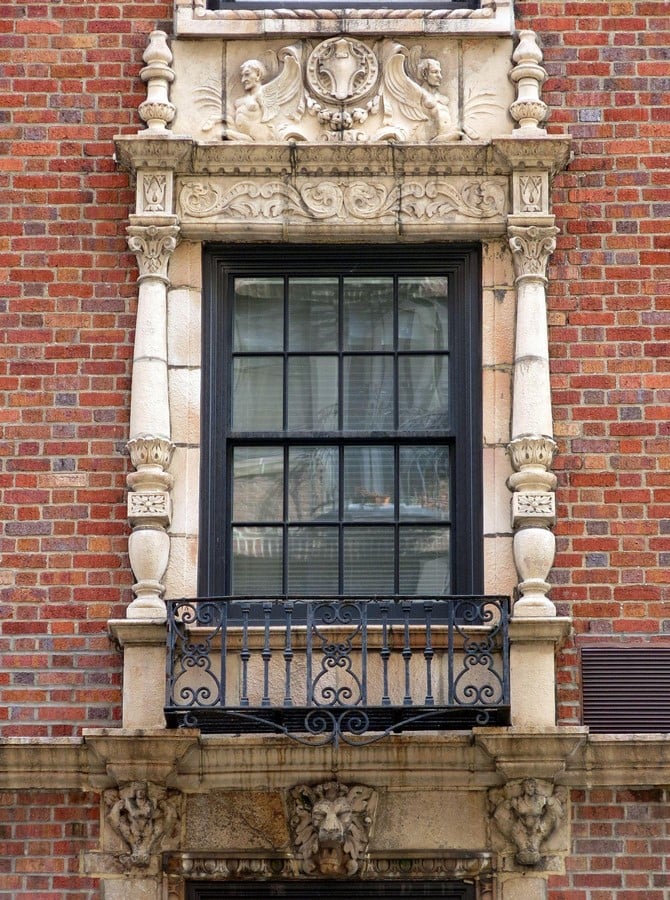
With capitalism, the craft is sacrificed for sameness. There are fewer expert tradespeople because everyone is so obsessed with the idea of making things as quickly as possible. Craft takes time, therefore it’s not important in games of profit. There is no ornament, because in modernism, architects like Adolf Loos argue that it serves no purpose. It’s all about the function, and details, while pleasing to the eyes, apparently serve no “functional” purpose. Modernism is all about the justification: “form follows function.” It’s like they haven’t considered the idea that decoration can be beautiful, and that’s reason enough.
The House Flipping Industry

Housing has another profitable industry beyond the real estate realm because of capitalism. To make a little extra cash, people buy old houses (that often have a lot of charm) and flip them to be “modern” (or so tasteless it automatically appeals to everyone, because in fact it appeals to no one). So they take away the craft and details that could be considered “offensive” to some, and make it boring. These people often destroy historical homes with beautiful ornament and decoration. It’s sad to see them do this all for money.
Prop Houses for Social Media
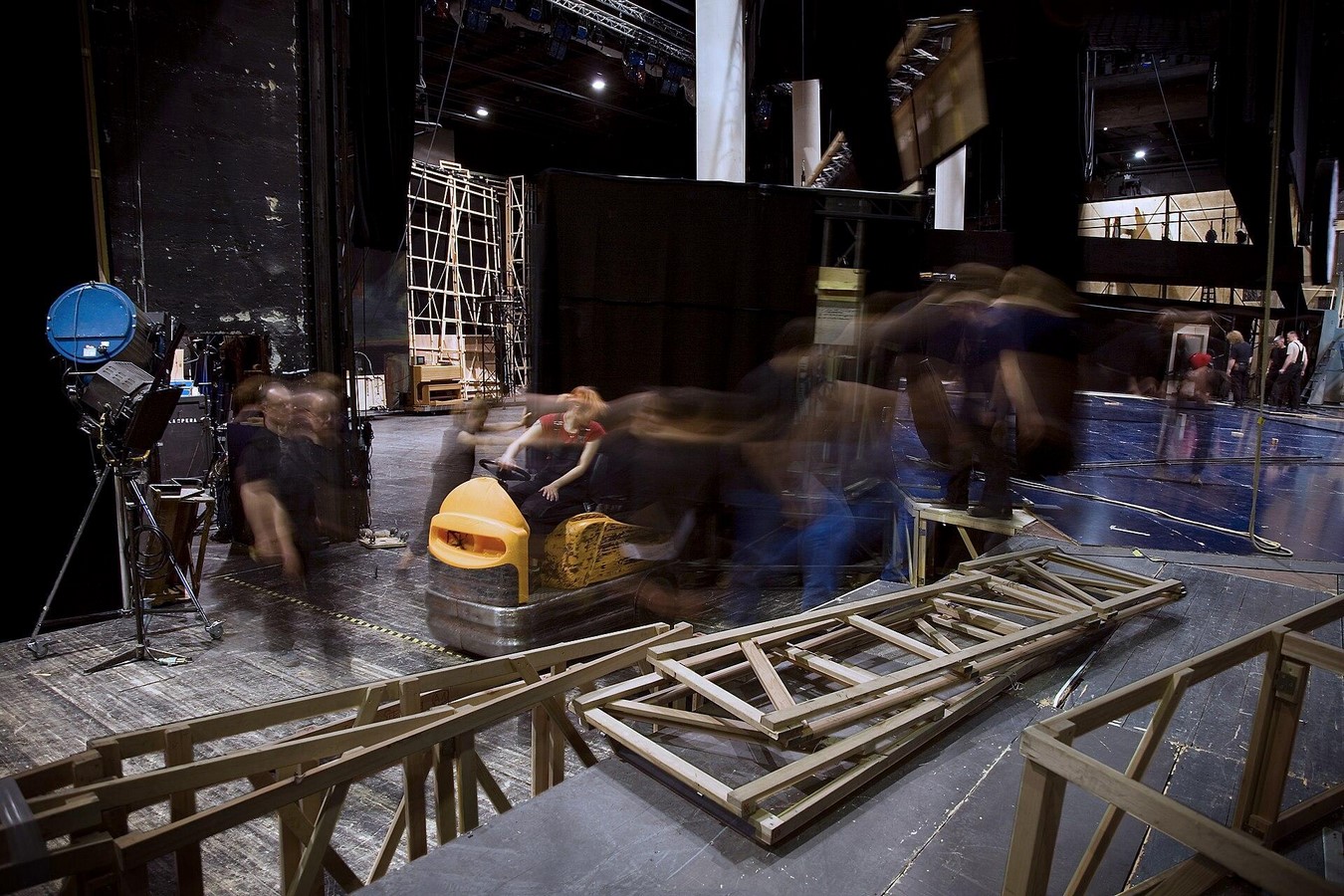
Lastly, who could forget about influencers and their role in capitalism and consumerism? The rise of Social Media’s influence over the last decade has been significant, and its effects have been felt across the board. Whether an influencer or casual user, everyone wants to put their best foot forward online. Not everything is always as it appears, and it’s especially true on socials, no matter the platform. People want to put on a front, act like everything is perfect, including their homes. Unlike actors who visit sound stages or perform on Broadway, influencers live in their sets rather than a home. As well, they try to sell all kinds of products for commissions. These (sometimes useless) items become props, taking space in their home, almost like a showroom. But this is how they make a living.
Housing Moving Forward
Capitalism has ruined the potential for innovation in housing design. From historical examples that no longer seem possible, to a lack of craft, real estate and house flipping, and of course, the rise of influencers who use their homes like props and background sets for their lives. Homes are meant for living, to design and curate to their liking, not everyone else’s. Housing design flourished in the twentieth century, but today, those innovations seem further and further away when individuality is sacrificed for quick and cheap conformity. Break free from the shackles of sameness. Be an individual with different tastes and design a unique home. Better yet, make someone hate the design. Hate is more powerful than indifference. Then maybe one day, the innovation that once existed in housing design will return.