Adolf Loos (1870–1933) was an Austrian architect and polemicist whose 1908 lecture “Ornament and Crime” became modern architecture’s founding manifesto against decoration. In buildings like the scandalous Looshaus opposite Vienna’s imperial palace and the spatially revolutionary Villa Müller in Prague, Loos replaced ornament with rich materials and his “Raumplan” — rooms of different heights locked together like a puzzle. The 15 projects below show the work that cleared the ground for the entire modern movement.
Adolf Loos’s Famous Works at a Glance
| Project | Location | Year |
|---|---|---|
| Café Museum | Vienna | 1899 |
| Steiner House | Vienna | 1910 |
| Looshaus | Vienna | 1911 |
| Max Dvořák Mausoleum | Vienna | 1921 (design) |
| Rufer House | Vienna | 1922 |
| Villa Müller | Prague | 1930 |
| Villa Karma | Montreux, Switzerland | 1906 |
| Scheu House | Vienna | 1913 |
| Villa Winternitz | Prague | 1932 |
| American Bar (Kärntner Bar) | Vienna | 1908 |
| Chicago Tribune Column | Chicago | 1922 (design) |
| Tristan Tzara House | Paris | 1926 |
| Villa Moller | Vienna | 1928 |
| Villa Duschnitz | Vienna | 1916 |
| The Bauer Villa | Brno | — |
Adolf Franz Karl Viktor Maria Loos (10 December 1870 – 23 August 1933) was an influential Austrian and Czechoslovakian architect of European Modern architecture and a leading critic in the field of construction and design. Loos was known for his controversial views on the use of ornamental decoration in the architecture and design of buildings. He strongly insisted that architecture needed to be functional rather than ornamental. Through his writings, Loos desired to establish an alternate method for the architectural design of buildings supported by practical reasoning. His opposition to ornamental design and decoration extended to anything that was not reasoned by its functionality. As a result, Loos’ designs were often composed of pure forms that were known for their cost-effectiveness and utilitarian advantages. He was known for his expertise in the selection and use of appropriate building materials and his knowledge of ‘Raumplan’ – the considered arrangement, ordering, and size of spaces based on function. Through his groundbreaking ideas, he continues to influence architects and designers even today. Loos’s architectural marvels are meticulous examples of thorough and careful design. Loos passed away in Kalksburg near Vienna. Following his demise in 1933, his body was shifted to Zentralfriedhof, Vienna where he rests among other renowned artists and musicians of the city. Here is a list of his fifteen best projects
1. Café Museum | Adolf Loos
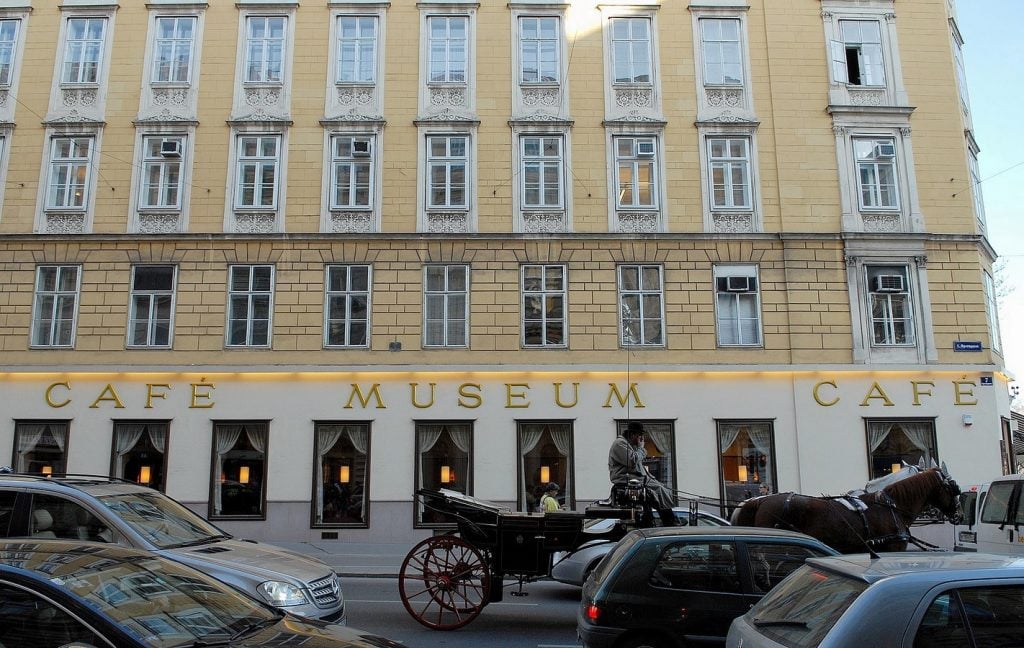
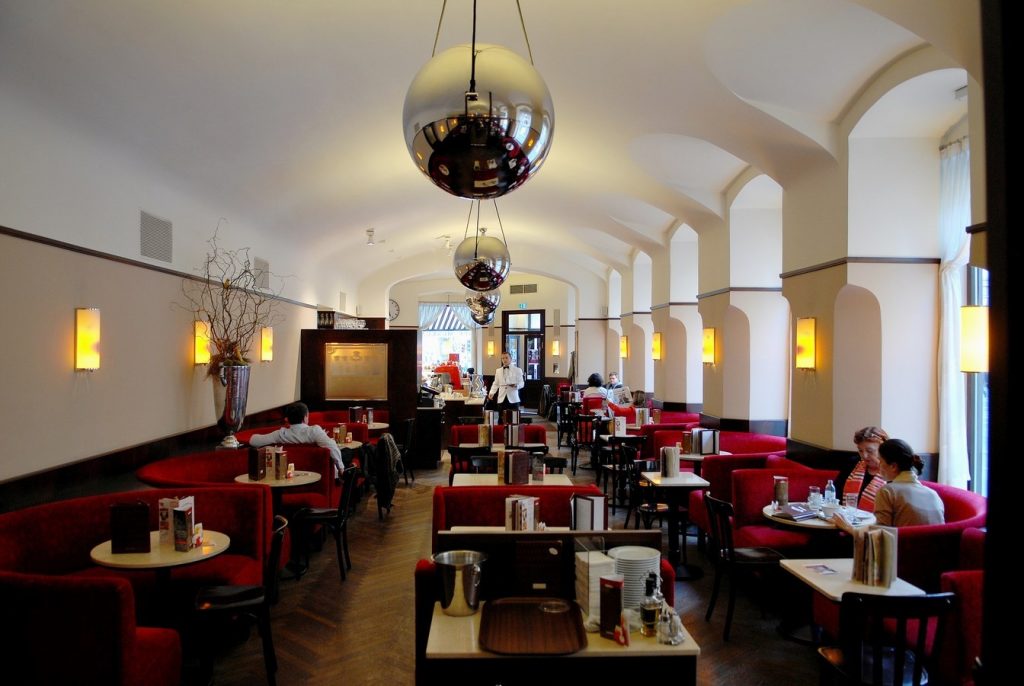
Café Museum is a traditional Viennese cafe and a meeting place for most Viennese artists. The café is located in Vienna, Austria. The café is styled with light green walls, red wooden chairs, and brass rails. The Café Museum was redesigned during the 1930s. However, in 2003, Loos’ original design was restored.

2. Steiner House
Adolf Loos was still a beginner in the field of modern architecture when he designed and built the Steiner house located in Vienna, Austria. The Steiner House was designed for Lilly Steiner, a painter, and Hugo, her husband. Loos’ design for the Steiner House became a rigorous example of rationalist architecture.


3. Looshaus
Looshaus is one of the central buildings of Viennese Modernism. The Looshaus represents the rejection of historicism and the ornamental floral decor of Secession. However, this design was not easily accepted by the citizens of Vienna (whose sense of art was historically inclined.) Owing to its subtle design, the Viennese people nicknamed the Looshaus as the ‘house without eyebrows’.


4. The Mausoleum
The mausoleum is a square chamber-like structure erected using blocks made up of Swedish black granite. The mausoleum was never actually built however, a scaled version of it called A Very Small Part of Architecture was commissioned and temporarily installed by the Architecture Foundation.


5. Rufer House | Adolf Loos
The Rufer House was built in 1922 and is located at Schließmanngasse in Vienna. It is considered to be the pioneering example of the concept of ‘Raumplan.’-spatial orientation based on function.


6. Villa Müller
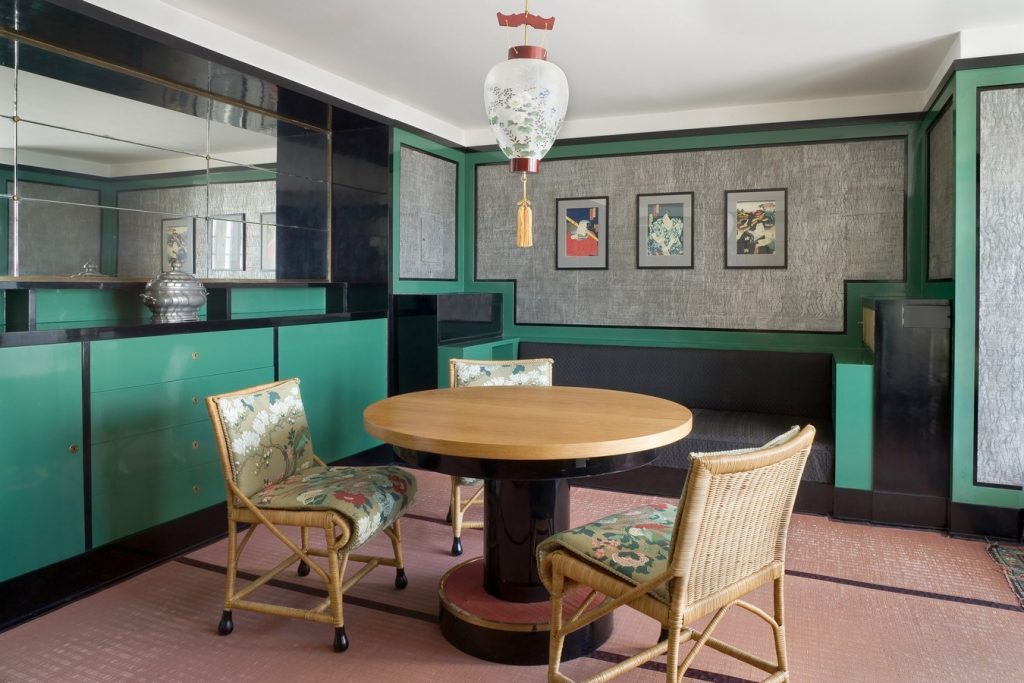
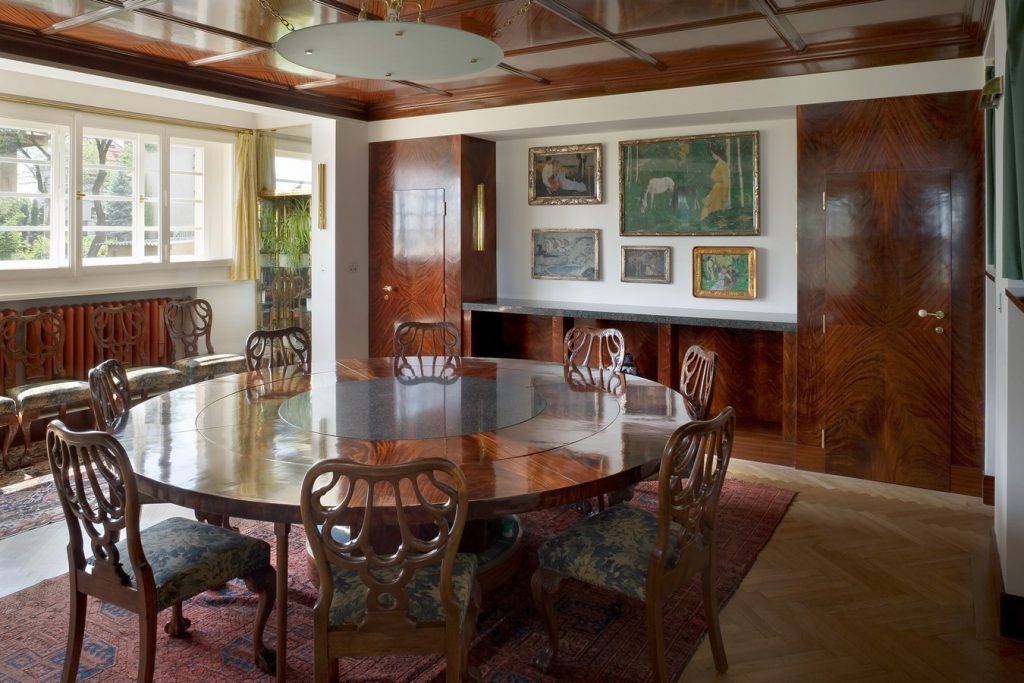
Known as the landmark of revolutionary modernist architecture, the Villa Müller represents Adolf Loos’ low-cost and functional spatial designs. In this project which was completed during the 1930s in Prague, Loos incorporated his knowledge of Raumplan in the architecture of both the interior as well as the exterior spaces.
7. Villa Karma
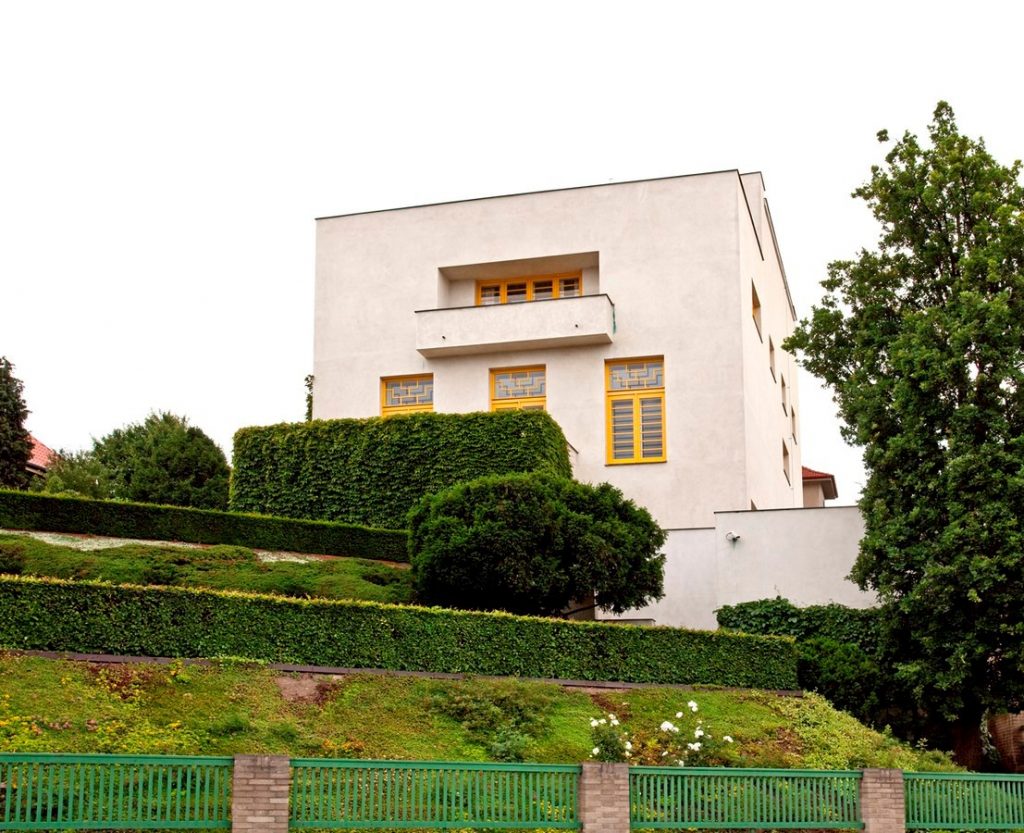
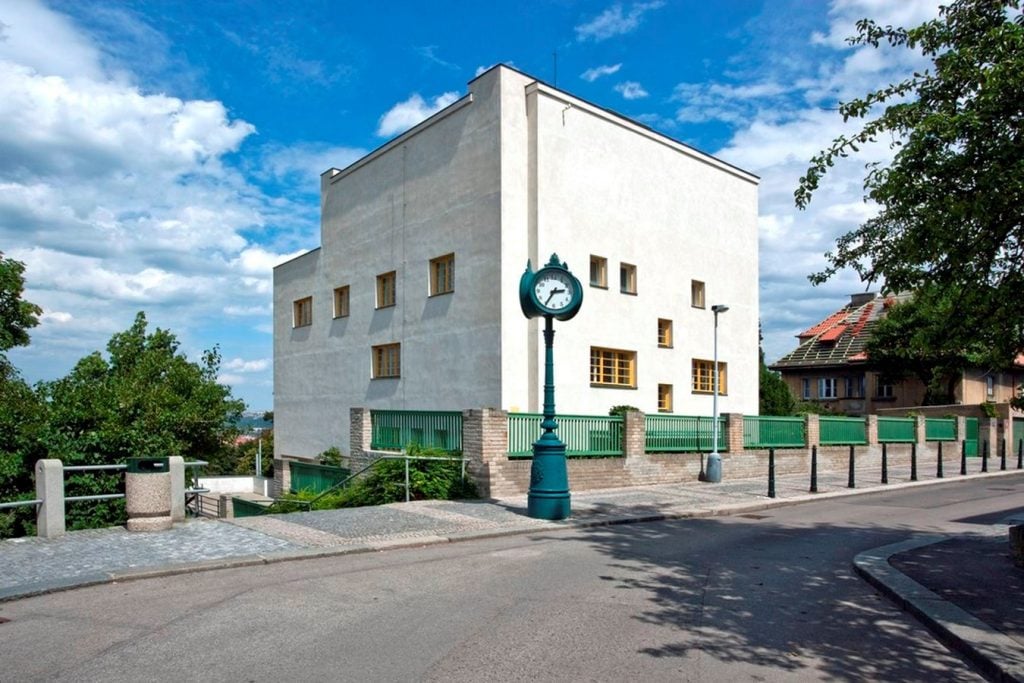
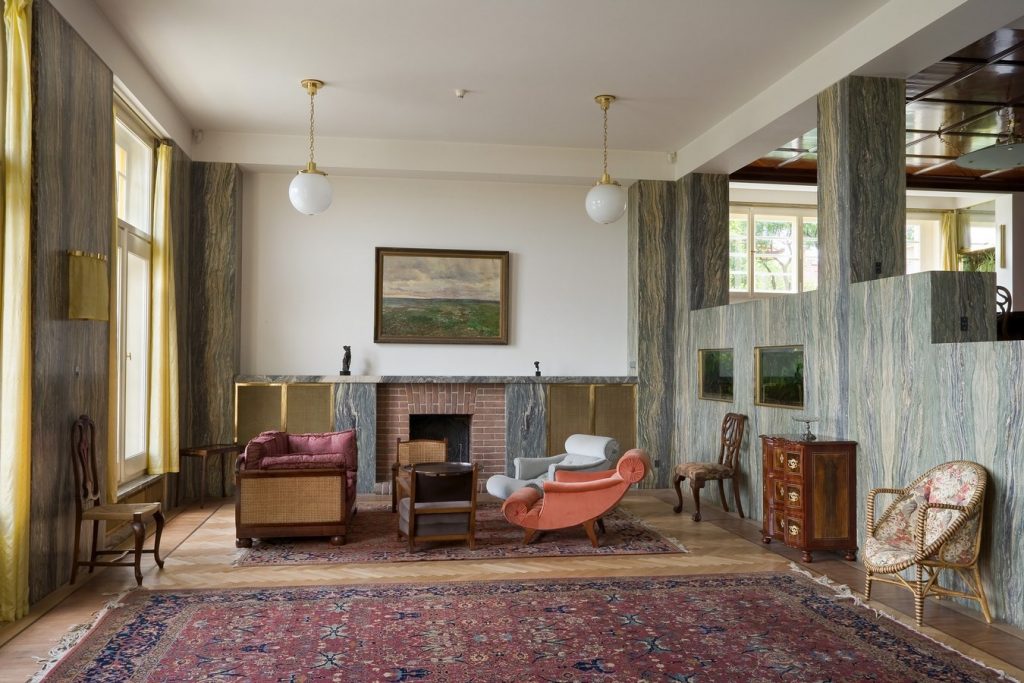
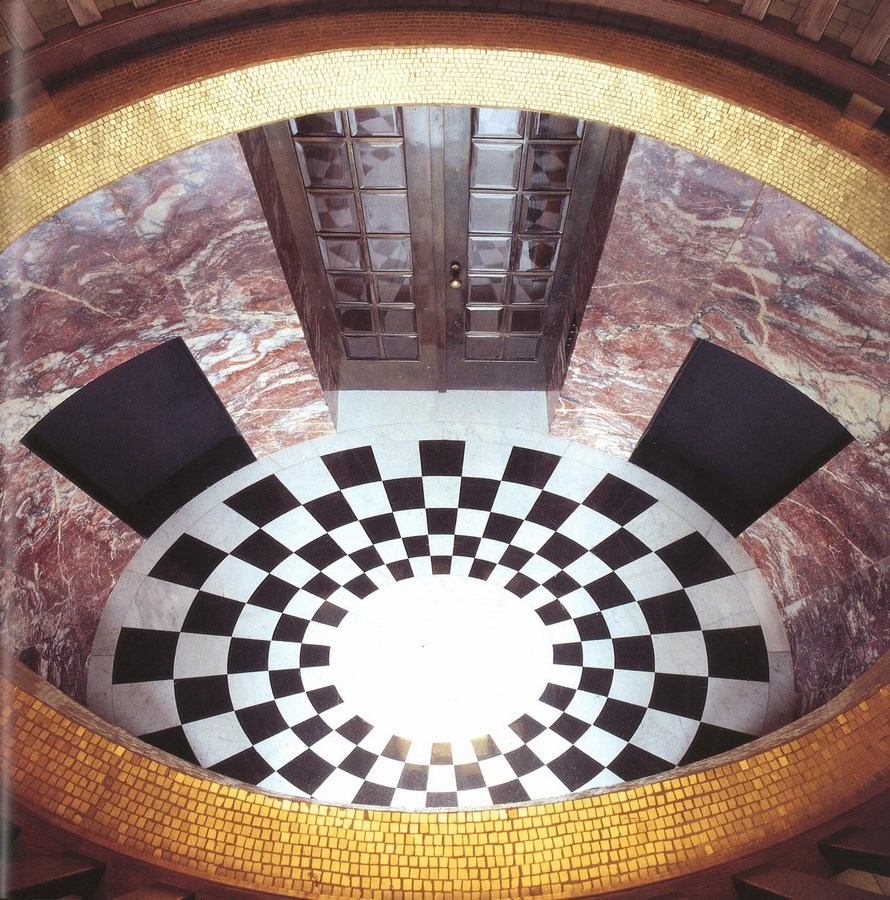
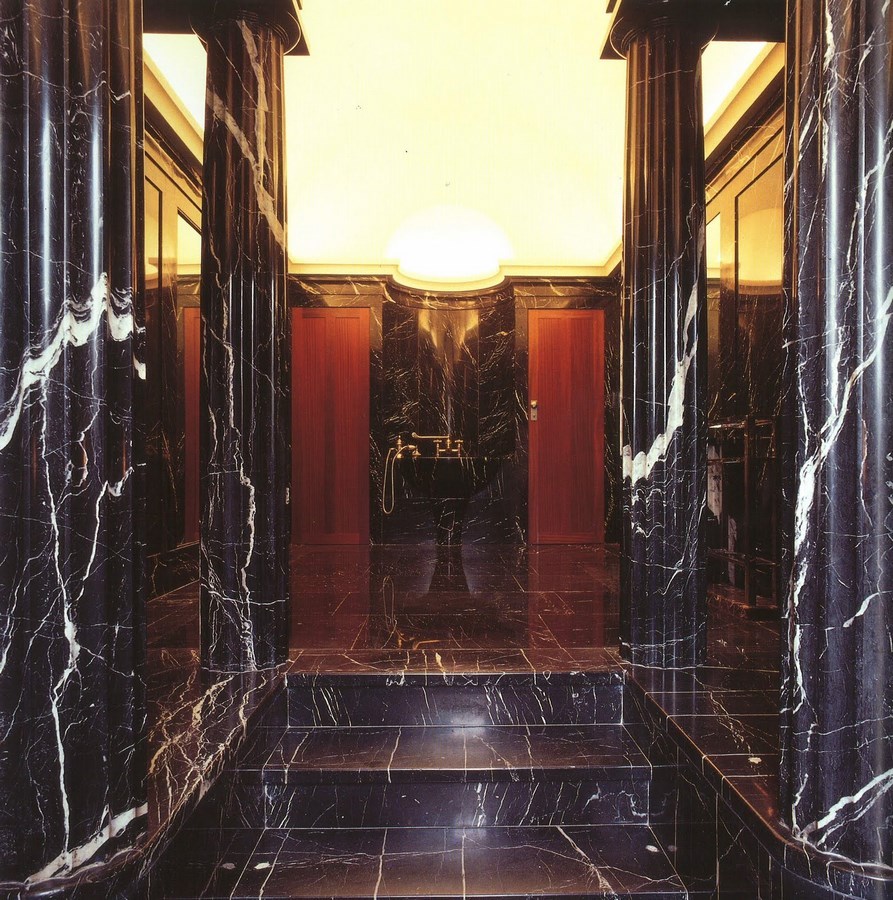
The Villa Karma is a unique example of Adolf Loos’ subtle and intelligent use of the characteristic properties of different building materials.

8. Scheu House
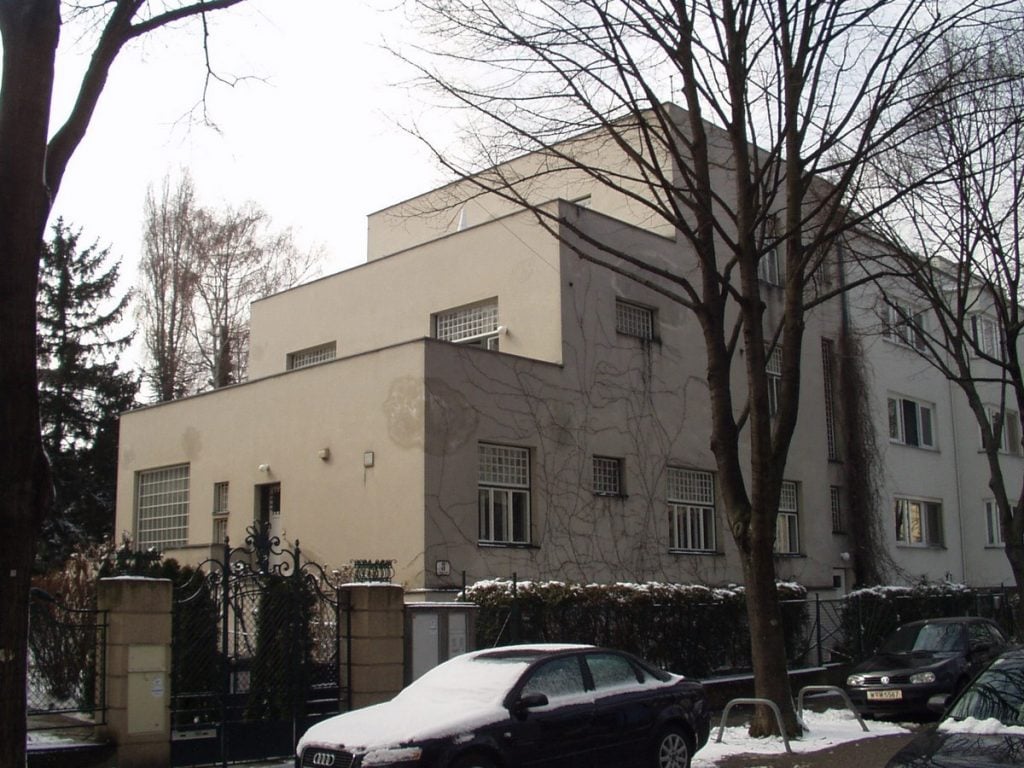
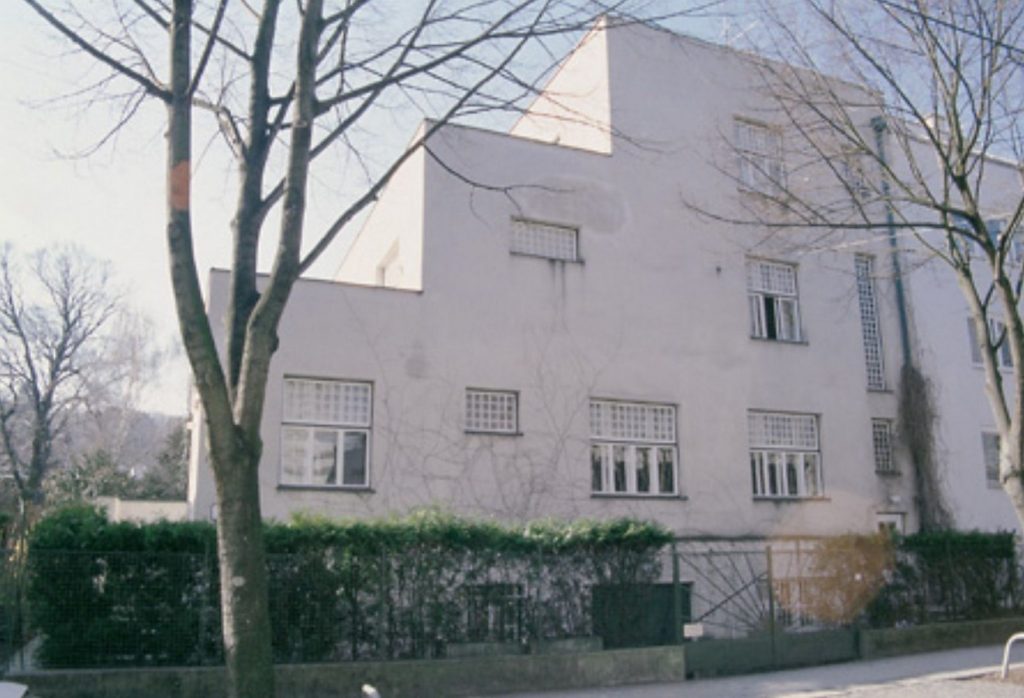
The Scheu House, built by Adolf Loos between 1912-1913, was the first building to utilize a flat roof as an outdoor terrace.

9. The Villa Winternitz
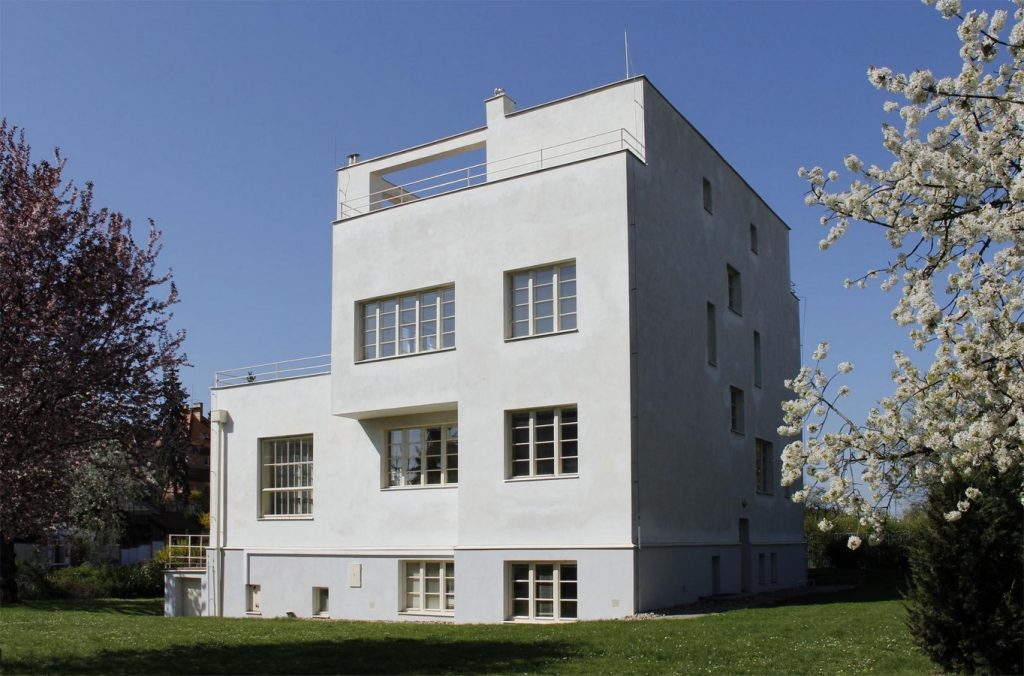
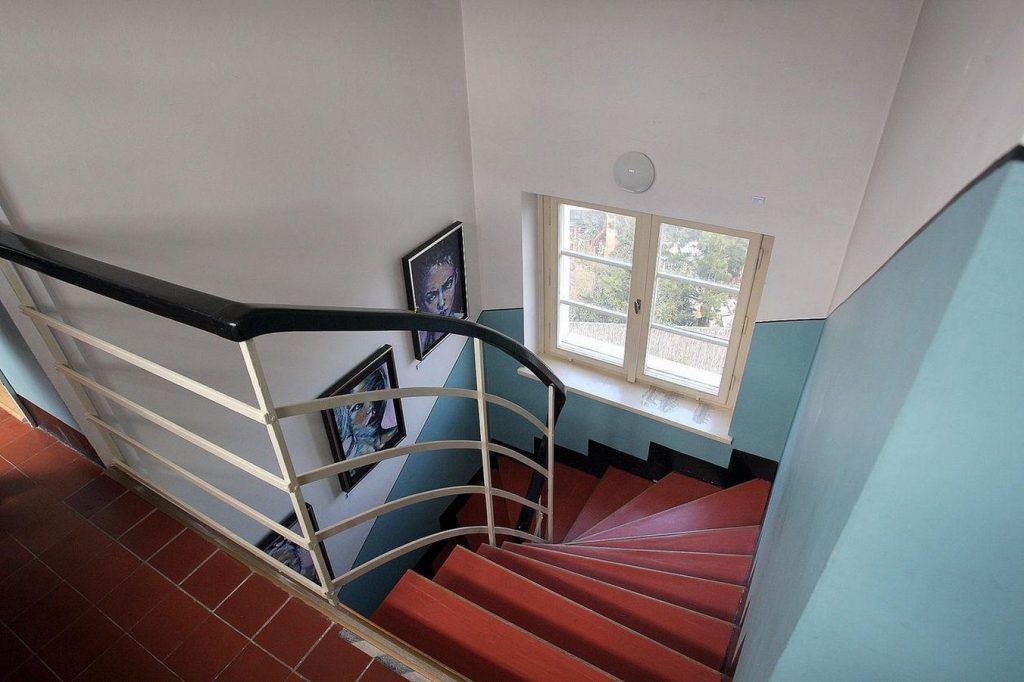
Known for its historical significance and architectural importance, the Villa Winternitz is located in Prague and was the last building to be designed and constructed by Adolf Loos.

10. American Bar | Adolf Loos
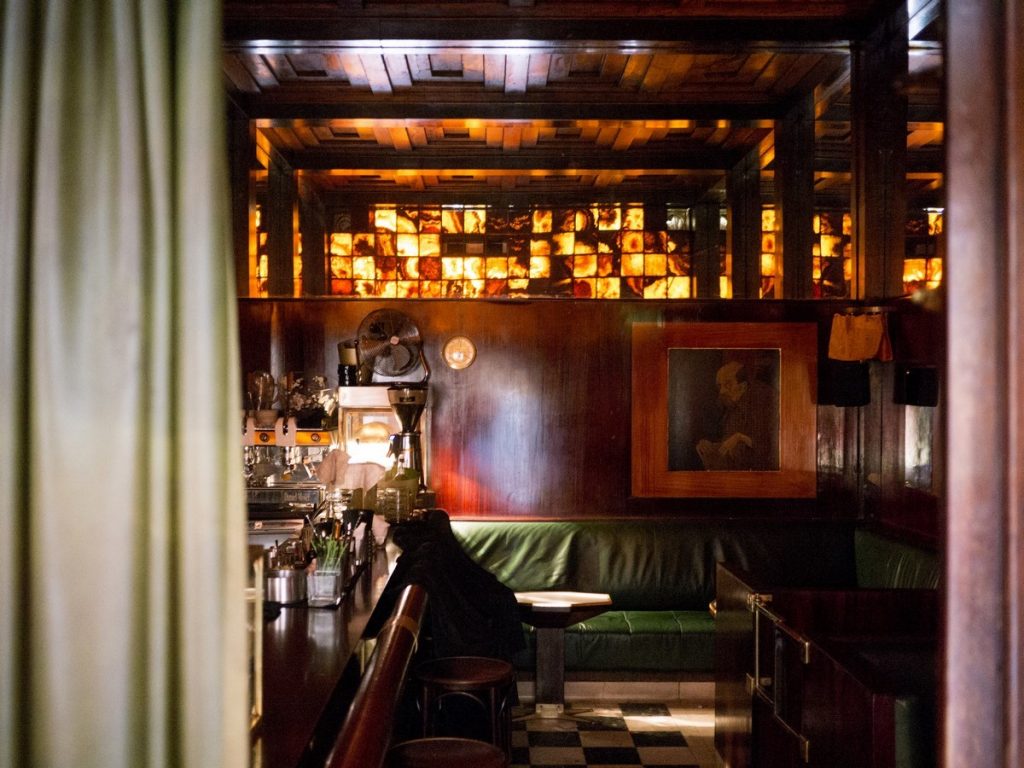
The American Bar is located in central Vienna and depicts Loos’ ability to create a modern and rich impression through simple design.


11. Chicago Tribune | Adolf Loos
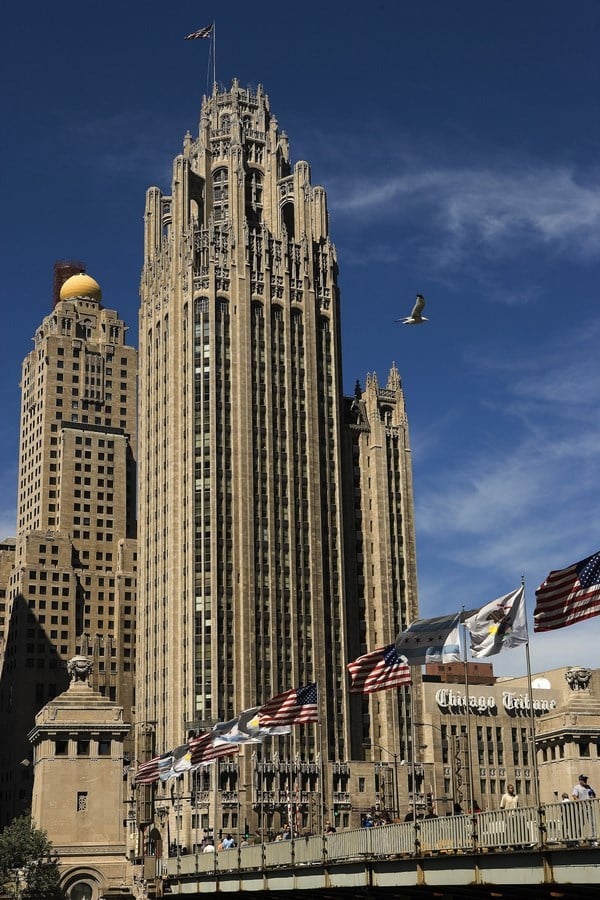
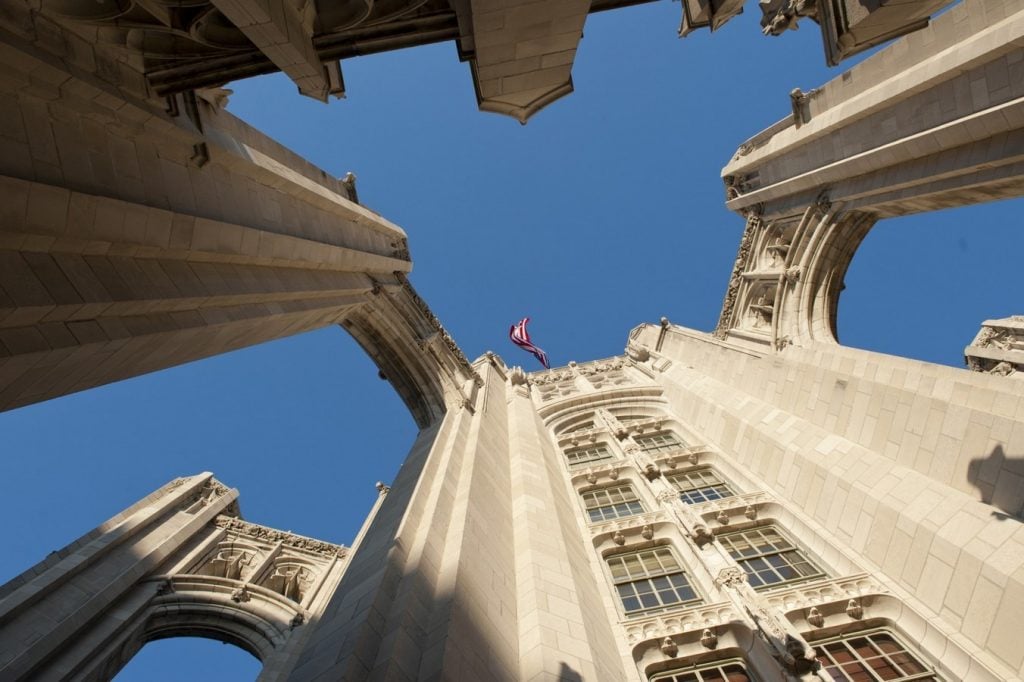
The Chicago Tribune is located in the city of Illinois, Chicago. Many buildings around the world are inspired by Loos’ design of the Tribune Tower. Most notably, the Grace Building in Sydney, Australia and the Manchester Unity Building in Melbourne, Australia.

12. Tristan Tzara House
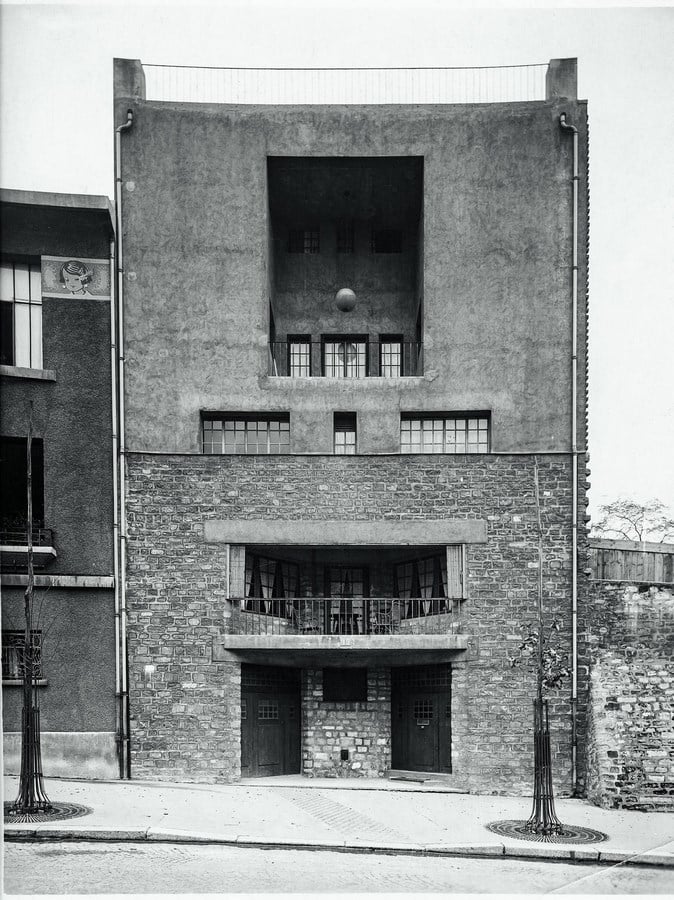
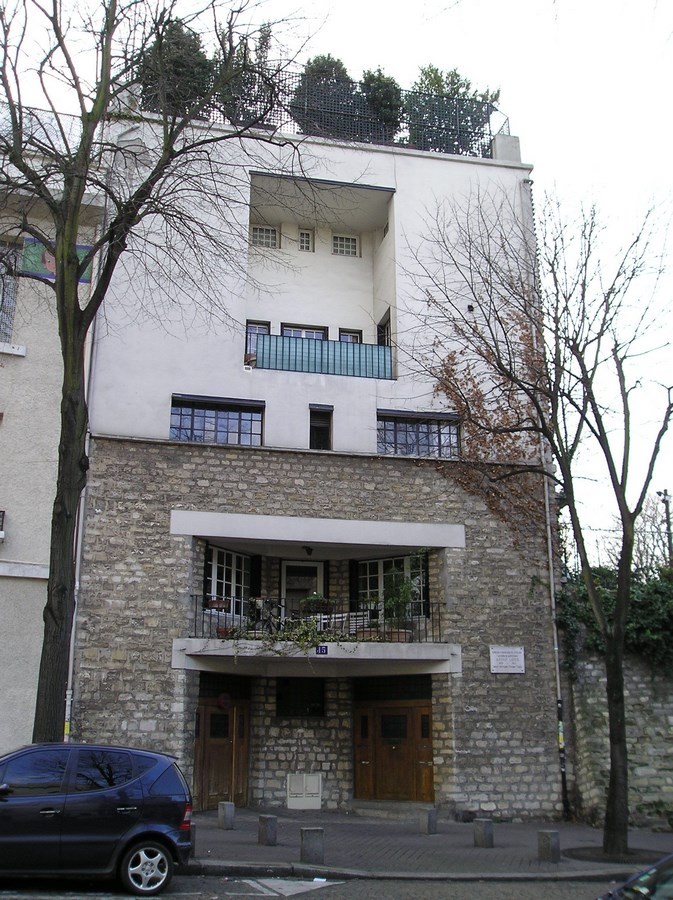
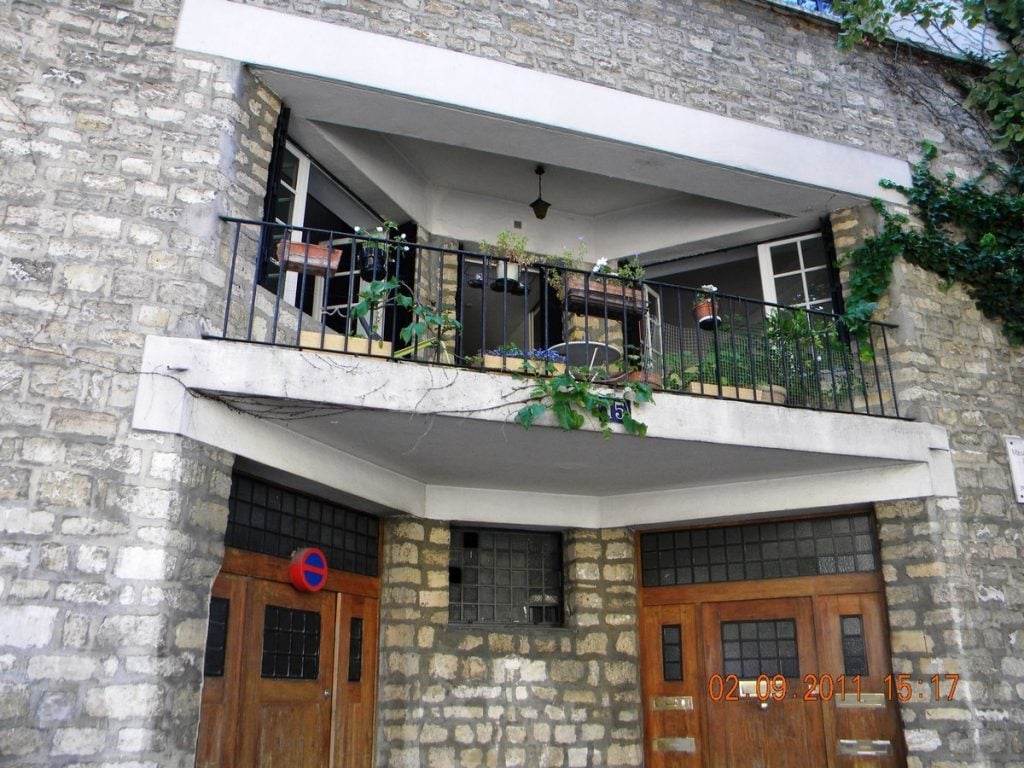
The Tristan Tzara House was built by architect Adolf Loos for Tristan Tzara, a Romanian writer and his wife, Greta Knutson, a painter. The building is located in Paris and is celebrated for its subtle and refined design.
13. Villa Moller
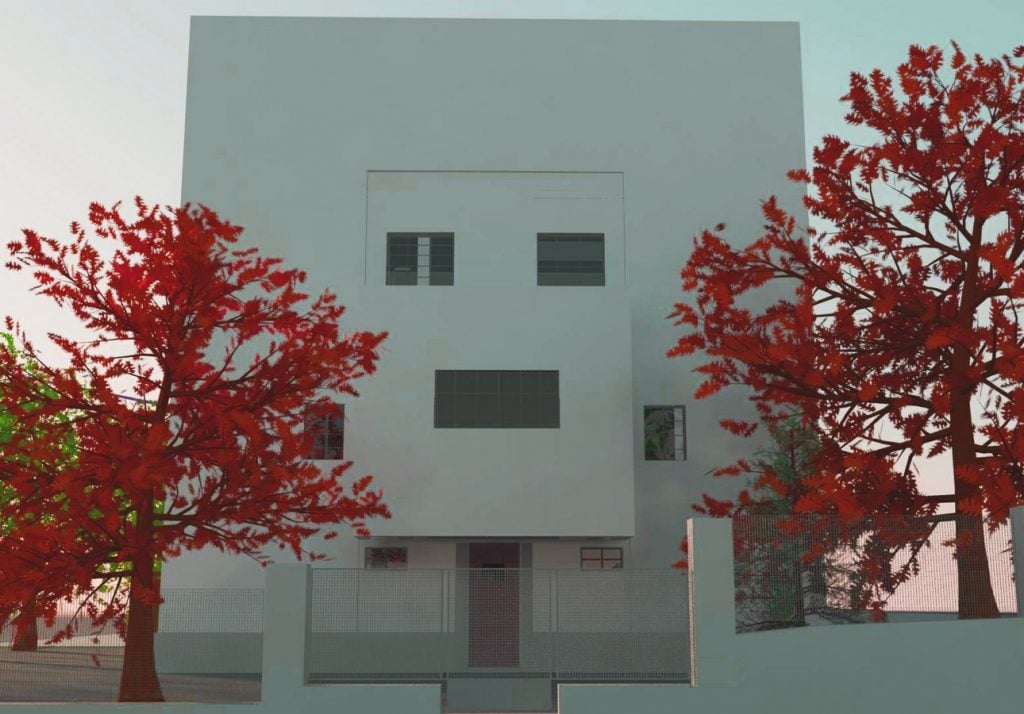
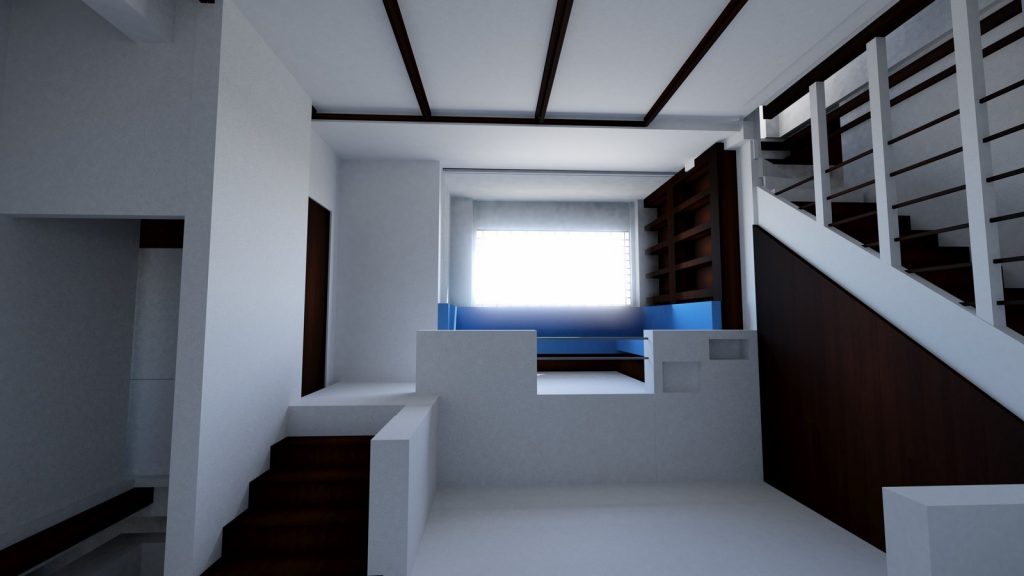
Villa Moller is a design very similar to the Villa Müller which was built by Loos in Prague. The Villa Moller is located in Vienna, Austria, and was built in 1927.
14. Villa Duschnitz
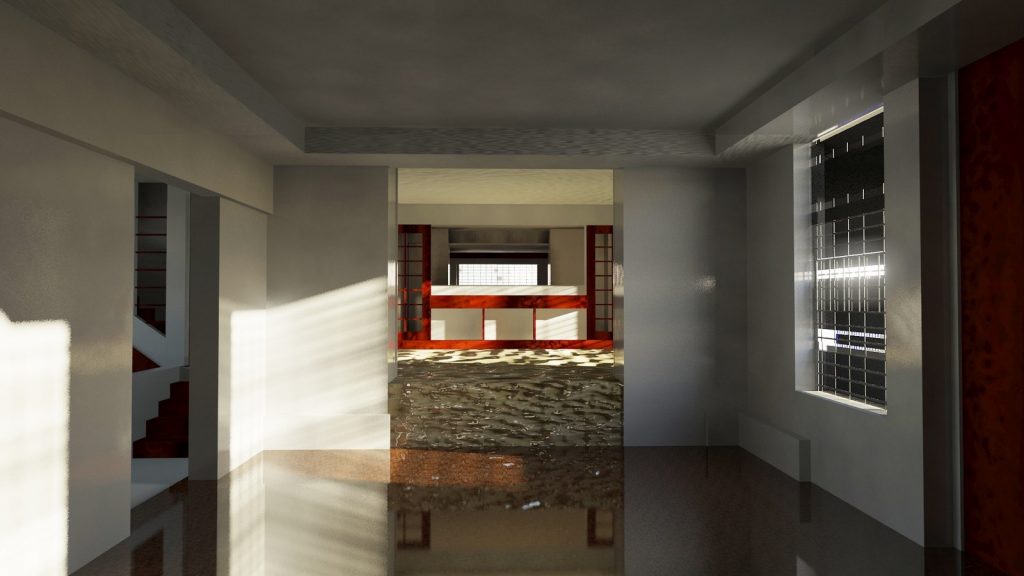
Villa Duschnitz uses a variety of materials and brilliant coloration contrary to Adolf Loos’ other projects.


15. The Bauer Villa | Adolf Loos
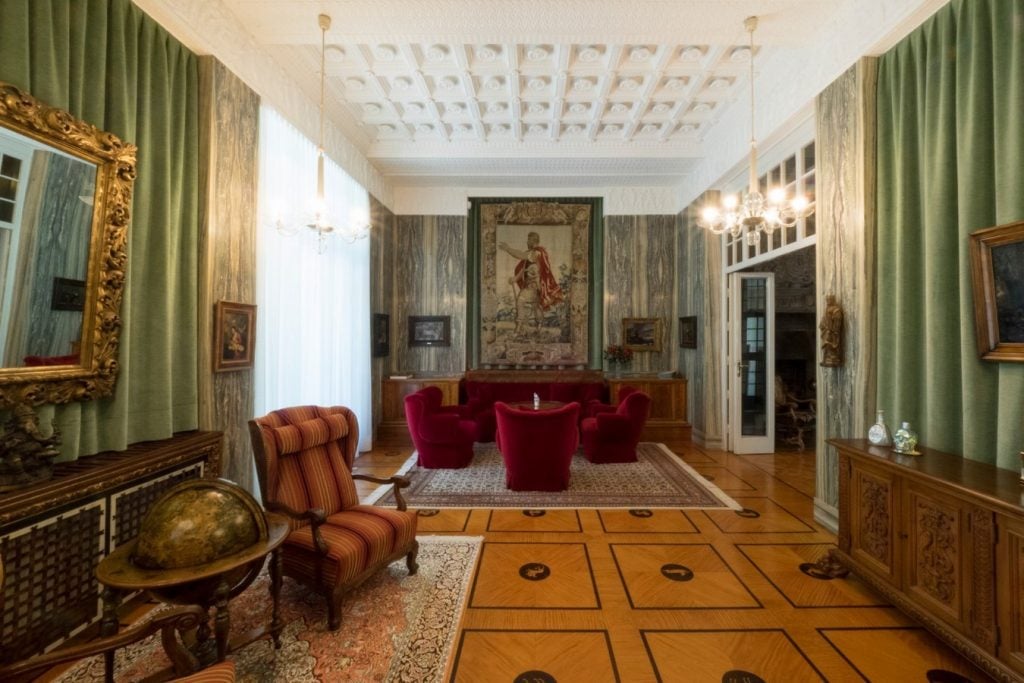
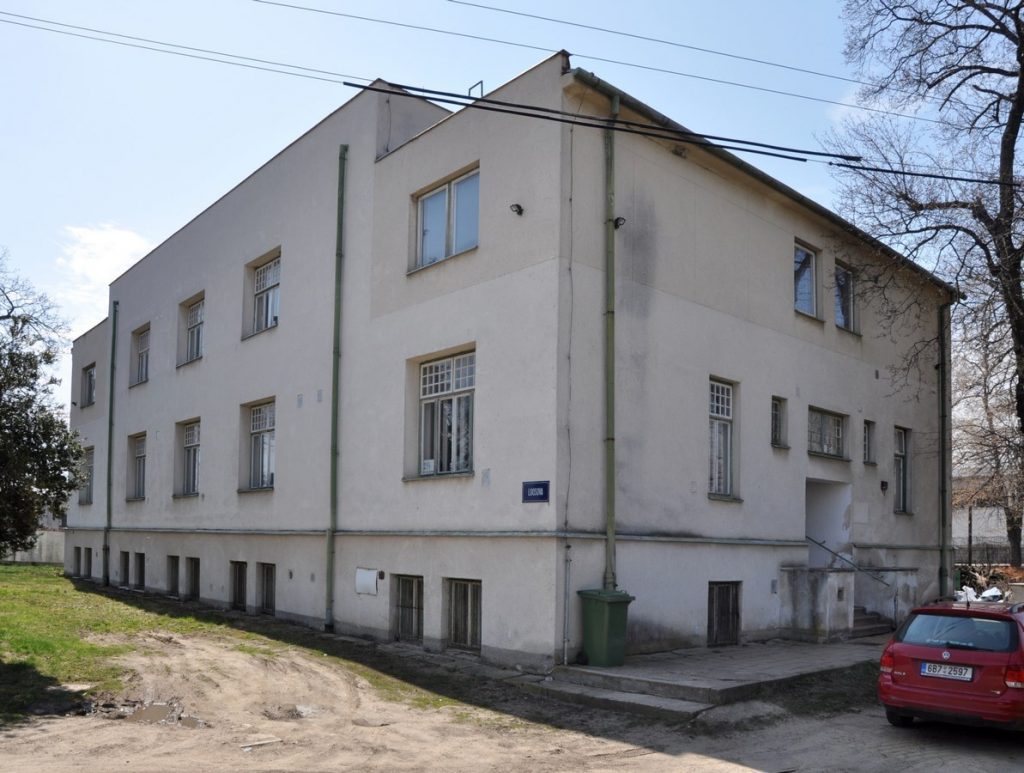
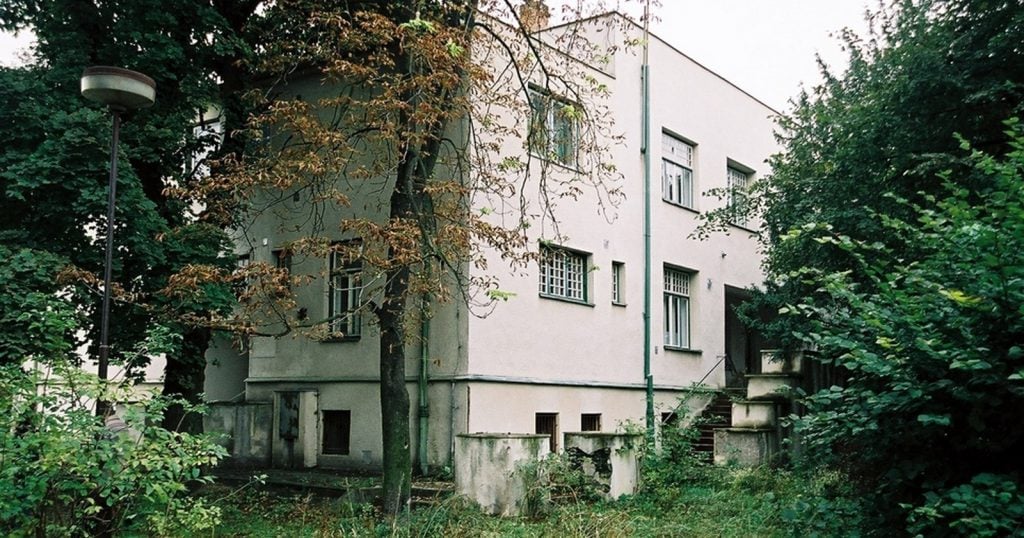
The Bauer villa is the first flat-roof structure within the Czechoslovak Republic. It was designed by Adolf Loos for a renowned industrialist named Viktor Bauer.
Adolf Loos in 2026: Where to Experience His Architecture
Nearly a century after his death, Loos’s spaces remain unusually accessible. The Villa Müller in Prague — the fullest realisation of his Raumplan — is preserved as a museum by the City of Prague Museum and can be visited on guided tours; the American Bar just off Vienna’s Kärntner Strasse still serves drinks beneath its onyx and mahogany ceiling, over a century after Loos designed it; his celebrated interiors in Plzeň are open to visitors; and the Looshaus still faces the Hofburg across Michaelerplatz, as quietly provocative as when its unornamented facade scandalised Vienna in 1911. His argument that culture advances by shedding ornament continues to underwrite minimalism in architecture and product design alike.
Frequently Asked Questions About Adolf Loos
Who was Adolf Loos?
Adolf Loos (10 December 1870 – 23 August 1933) was an Austrian architect and polemicist, born in Brno, who became a pioneer of modern architecture. He never completed a degree — studying at the Dresden University of Technology before spending 1893–96 in the United States, where the work of Louis Sullivan shaped his thinking — and settled in Vienna in 1896.
What is “Ornament and Crime”?
Loos’s most famous polemic, delivered as a lecture in 1910 and first published in 1913. It argued that cultural evolution means removing ornament from everyday objects — a position that became a founding text of modernist architecture.
What is the Raumplan?
Loos’s method of composing interiors as interlocking volumes at different heights rather than stacked flat floor plans, so each room gets the height and position its use demands. The Villa Müller in Prague (1928) is its fullest expression.
What are Adolf Loos’s most famous works?
The Café Museum (1899) and American Bar (1907–08) in Vienna, the Steiner House (1910), the Looshaus on Michaelerplatz (1910–12), Maison Tzara in Paris (1925), the Villa Moller (1926) and the Villa Müller in Prague (1928) — plus his provocative 1922 Chicago Tribune competition entry in the form of a giant Doric column.
Can you visit Adolf Loos buildings today?
Yes. The Villa Müller operates as a museum under the City of Prague Museum, the American Bar in Vienna is still a working bar, several restored Loos apartment interiors are open in Plzeň, and the Looshaus stands on Vienna’s Michaelerplatz. Like Frank Lloyd Wright, Loos drew early inspiration from Louis Sullivan — see 10 facts about Frank Lloyd Wright, or browse the 20 greatest architects in the world.
Sources for the 2026 update
Wikipedia, “Adolf Loos” (2026). The City of Prague Museum, “Villa Müller”. Adolf Loos Pilsen project, adolfloos.cz.