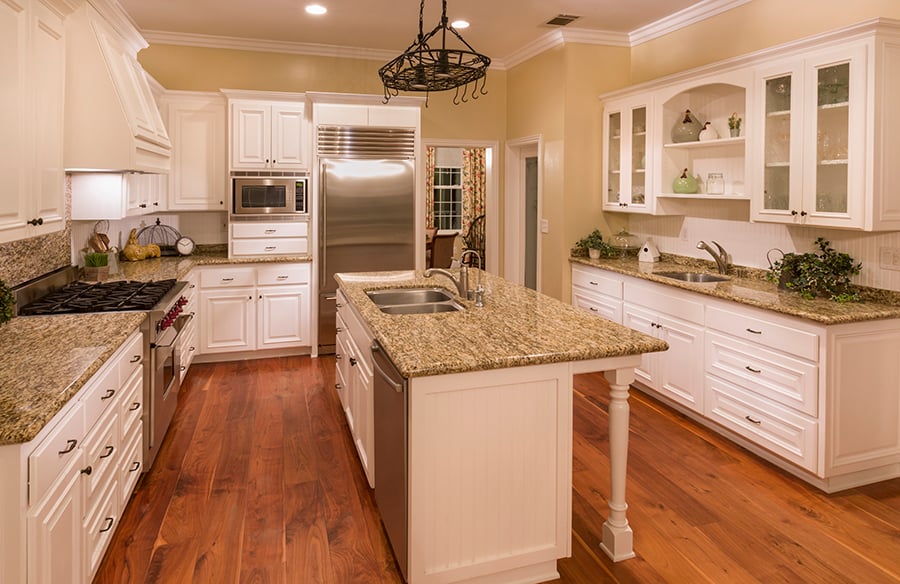
A kitchen does not exist on its own. Even when it sits in a defined room, it still shapes the feel of the spaces around it. In many homes, the kitchen connects to dining areas, living rooms, hallways, and outdoor views, which means it has a strong effect on the overall mood of the interior.
That is why a kitchen remodel should do more than improve one room. It should help the home feel more connected as a whole.
A cohesive interior does not mean everything has to match. It means the materials, colors, lines, and layout choices feel related in a way that makes the home seem calm, considered, and easy to move through. When that connection is missing, the kitchen can feel like a separate project rather than part of a larger living environment.
These are some of the most useful ways to approach kitchen remodeling with a more cohesive home interior in mind.
Start with the wider home, not just the kitchen
One of the most common mistakes in a kitchen remodel is treating the room like a world of its own. Homeowners often focus on cabinets, counters, tile, and lighting without stepping back to look at how those choices will sit beside the rest of the home.
A better starting point is the bigger picture. Look at the flooring in nearby spaces, the tone of the walls, the trim details, the way natural light moves through the house, and the overall mood the home already has. A kitchen will usually feel stronger when it builds on those elements instead of trying to compete with them.
This does not mean the kitchen has to fade into the background. It simply means the design should feel connected to what surrounds it.
Use materials that speak the same language
Material choice plays a huge part in whether a kitchen feels integrated or isolated. If the rest of the house leans warm, soft, and natural, a kitchen filled with harsh contrast and overly glossy surfaces can feel abrupt. If the home has clean lines and a quiet palette, a kitchen with too many competing finishes can feel out of step.
The strongest kitchens usually use a focused material palette. That could mean repeating warm wood tones, choosing stone with movement that feels natural, or selecting metals that support the rest of the home instead of pulling the eye in too many directions.
Cohesion often comes from restraint. A few well-chosen materials usually feel better than too many bold ideas competing in one space.
Let color connect the rooms
Color can bring an entire interior together, but it works best when it feels deliberate. The kitchen does not need to share the exact same shade as the next room, though it should feel as if it belongs to the same home.
That often comes from undertone more than color name. Warm whites, earthy neutrals, muted greens, deep charcoals, and soft wood tones can all work beautifully when they are chosen in relation to the rooms around them. What matters most is that the palette creates a gentle visual link from one area to the next.
When colors shift too sharply between connected spaces, the home can start to feel broken into separate zones. A smoother palette helps the interior feel more settled.
Think carefully about transitions
A cohesive interior depends on what happens between rooms, not only inside them. Flooring changes, door openings, ceiling lines, and sightlines all affect how the home is experienced.
In some remodels, the kitchen improves on its own but feels abrupt where it meets the dining or living area. That can happen when the floor changes too suddenly, when island placement interrupts movement, or when the new kitchen style has little to do with what comes next.
Good transitions make the home easier to read. They help one space flow into another without the shift feeling jarring. In open-plan homes, this matters even more because the kitchen is almost always part of a wider visual field.
Make the layout work with the home’s rhythm
A cohesive kitchen is not only about finishes. Layout matters just as much.
The room should support the way people move through the home, gather, cook, and spend time together. A kitchen that blocks natural movement, crowds the walkway, or creates awkward dead zones will always feel less connected, no matter how refined the materials may be.
This is one reason the most effective kitchen remodeling ideas often begin with layout, storage, and flow rather than decorative details alone. When the room works naturally with the rest of the house, the design feels stronger without trying too hard.
Repeat details in subtle ways
Not every design link has to be obvious. Some of the best connections are quiet.
The profile of cabinet doors might echo trim found elsewhere in the home. The curve of a pendant light may relate to shapes used in nearby furniture. A matte black finish in the kitchen may repeat a detail already used in stair railings, door hardware, or window frames.
These kinds of choices help a remodel feel intentional. They also keep the kitchen from seeming like a collection of ideas taken from different places and pushed together in one room.
Balance openness with definition
Many homeowners want a kitchen that feels more open, especially when remodeling older layouts. That goal makes sense, but openness on its own does not always create cohesion.
A room still needs enough structure to feel grounded. Islands, lighting placement, cabinetry lines, and ceiling treatment can all help define the kitchen while still allowing it to connect with nearby spaces. The aim is not to erase every boundary. It is to make the kitchen feel open and connected without losing its sense of purpose.
When that balance is right, the home tends to feel calmer and easier to live in.
Keep the function aligned with the overall design
A kitchen may look cohesive at first glance and still fall short in everyday use. That often happens when the visual design gets more attention than the practical one.
Storage, appliance placement, work zones, lighting, and surface space all shape how the room performs. If those elements feel awkward, the kitchen will not truly feel integrated into daily life, even if the finishes are beautiful.
Real cohesion comes from the meeting point between design and function. The room should not only look as though it belongs in the home. It should also support the way the home works.
Final thought
A cohesive kitchen remodel is rarely the result of one bold choice. It usually comes from a series of quieter decisions that relate the kitchen to the rest of the interior in thoughtful ways.
When materials, color, transitions, layout, and function all work together, the kitchen stops feeling like a separate project. It starts to feel like a natural extension of the home.
That is often what makes a remodel feel lasting. The space looks good, but more importantly, it feels right in context. And when a kitchen feels right in context, the whole home benefits.