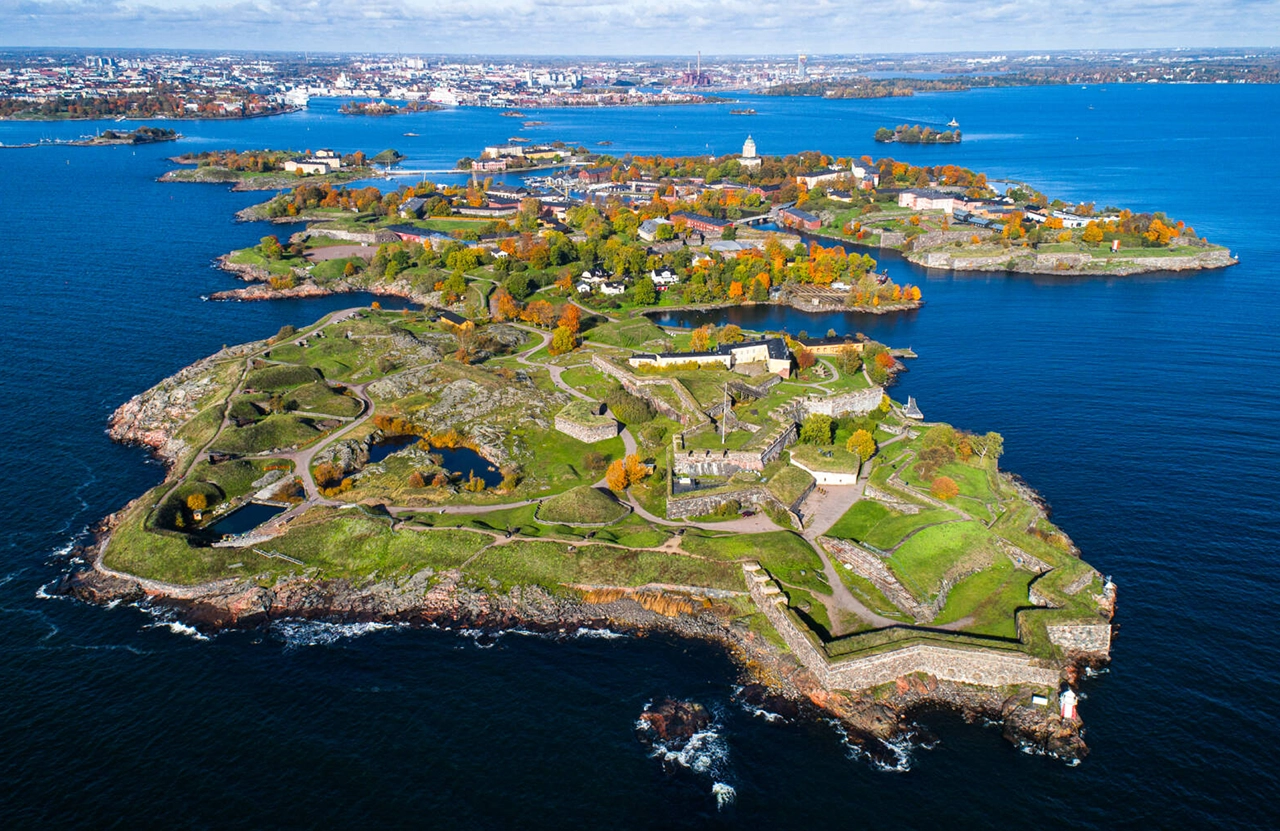
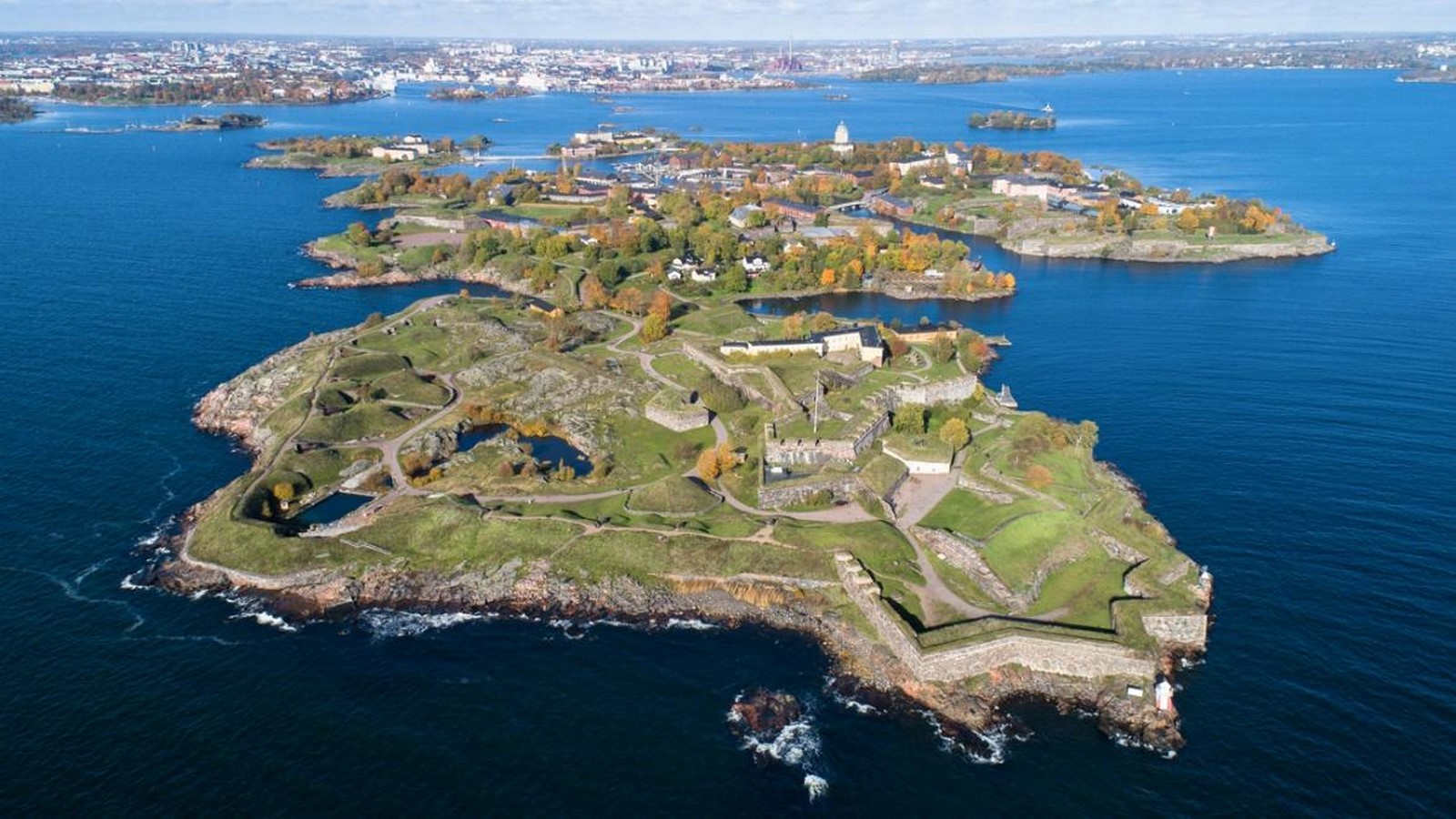
Suomenlinna is one of the world’s most important sea castles, located on a group of islands just off Helsinki in Finland. This amazing location represents centuries of military strategy, political reform, and cultural evolution in Northern Europe. Suomenlinna, which was originally built as a defensive stronghold, has evolved into a dynamic cultural environment that draws people from all over the world. Suomenlinna’s strategic location in the Baltic Sea enabled control of crucial maritime channels, making it critical for regional defence (UNESCO, n.d.). Today, Suomenlinna is not simply a historical landmark, but also a symbol of Finnish identity and endurance. The stronghold embodies layers of Swedish, Russian, and Finnish influence, indicating how geopolitical shifts have changed its purpose and value throughout history.
Historical Background of Suomenlinna
Suomenlinna was formed in 1748, while Finland was part of the Swedish Kingdom, in response to Russia’s growing presence in the Baltic region (Wikipedia, 2025). Originally known as Sveaborg, or “Castle of the Swedes,” the castle served as both a naval base and a defensive bastion. Augustin Ehrensvärd, a Swedish military engineer, oversaw the building, which used modern European defensive techniques (Mattila, 2018). Suomenlinna’s location provided excellent control over entry to Helsinki, enhancing its strategic importance.
During the Finnish War in 1808, Suomenlinna was turned over to Russian soldiers despite its powerful design (Wikipedia, 2025). The fortress continued to be used for military purposes and underwent additional changes while it was under Russian control. The fortification was renamed Suomenlinna, which translates to “Castle of Finland” and represents national identity, following Finland’s independence in 1917 (Klinge, 2012). Suomenlinna preserved its historical significance while making adjustments for contemporary use as it evolved from a military base to a civilian and cultural site over time.
Architectural Features of Suomenlinna
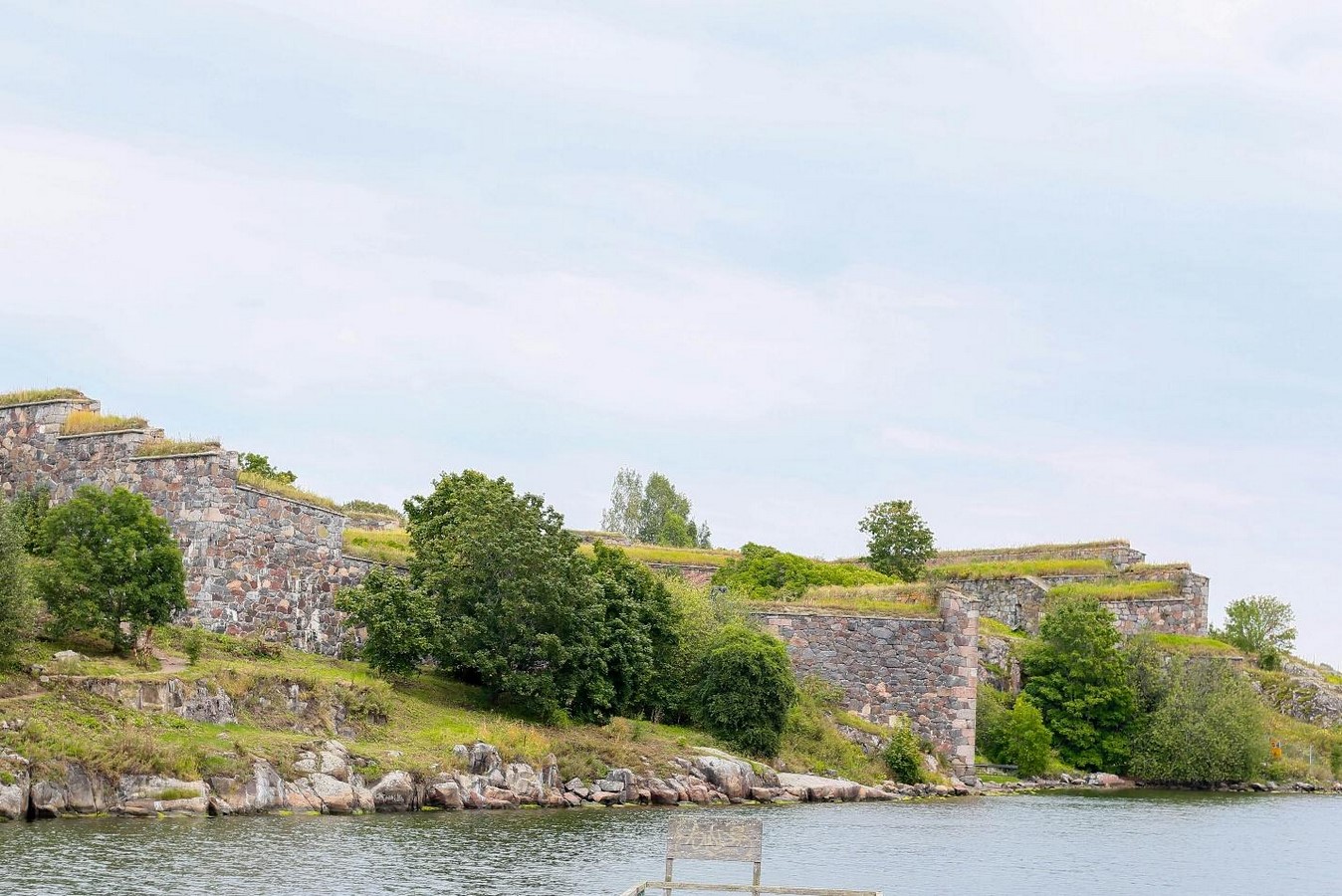
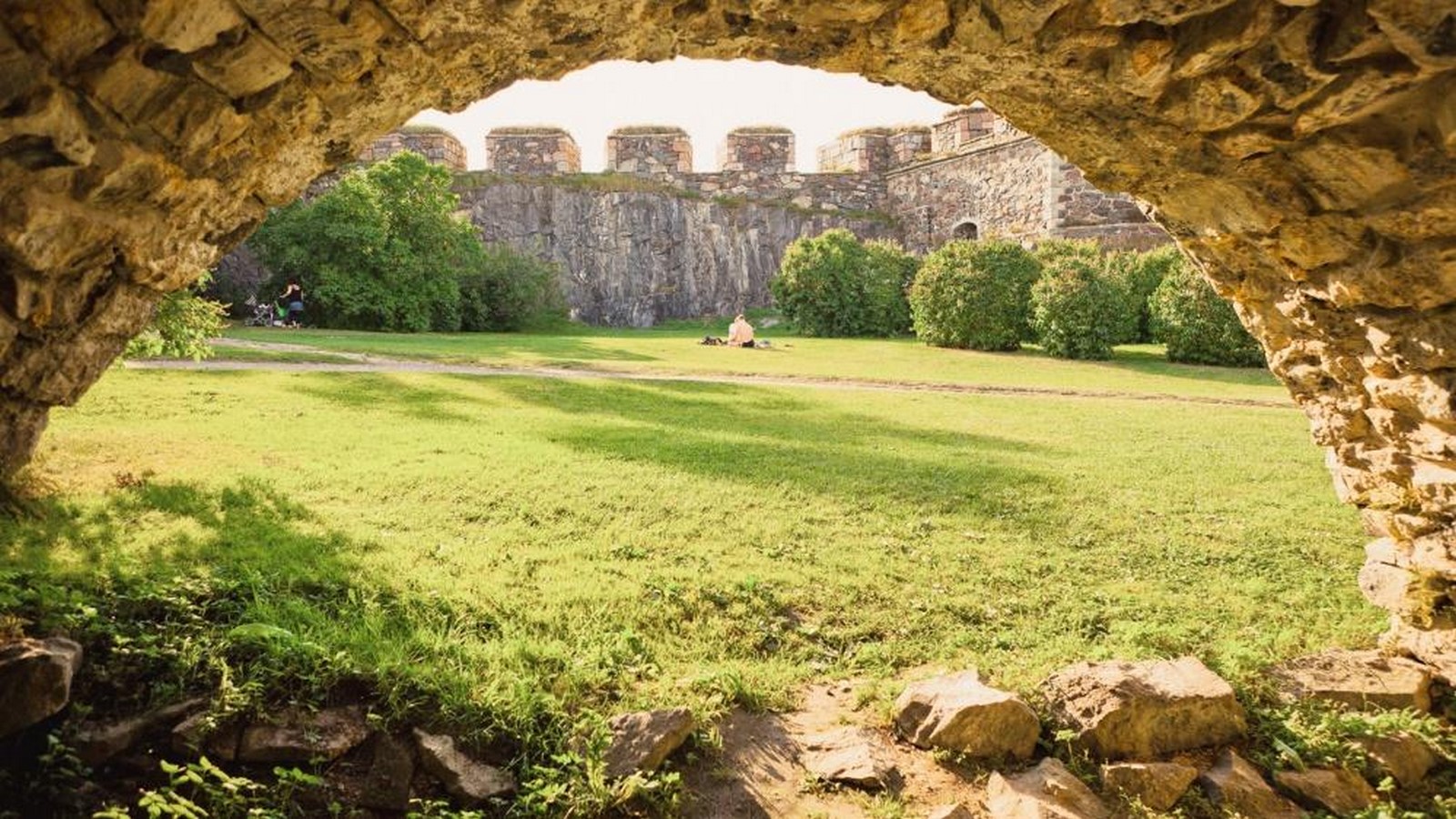
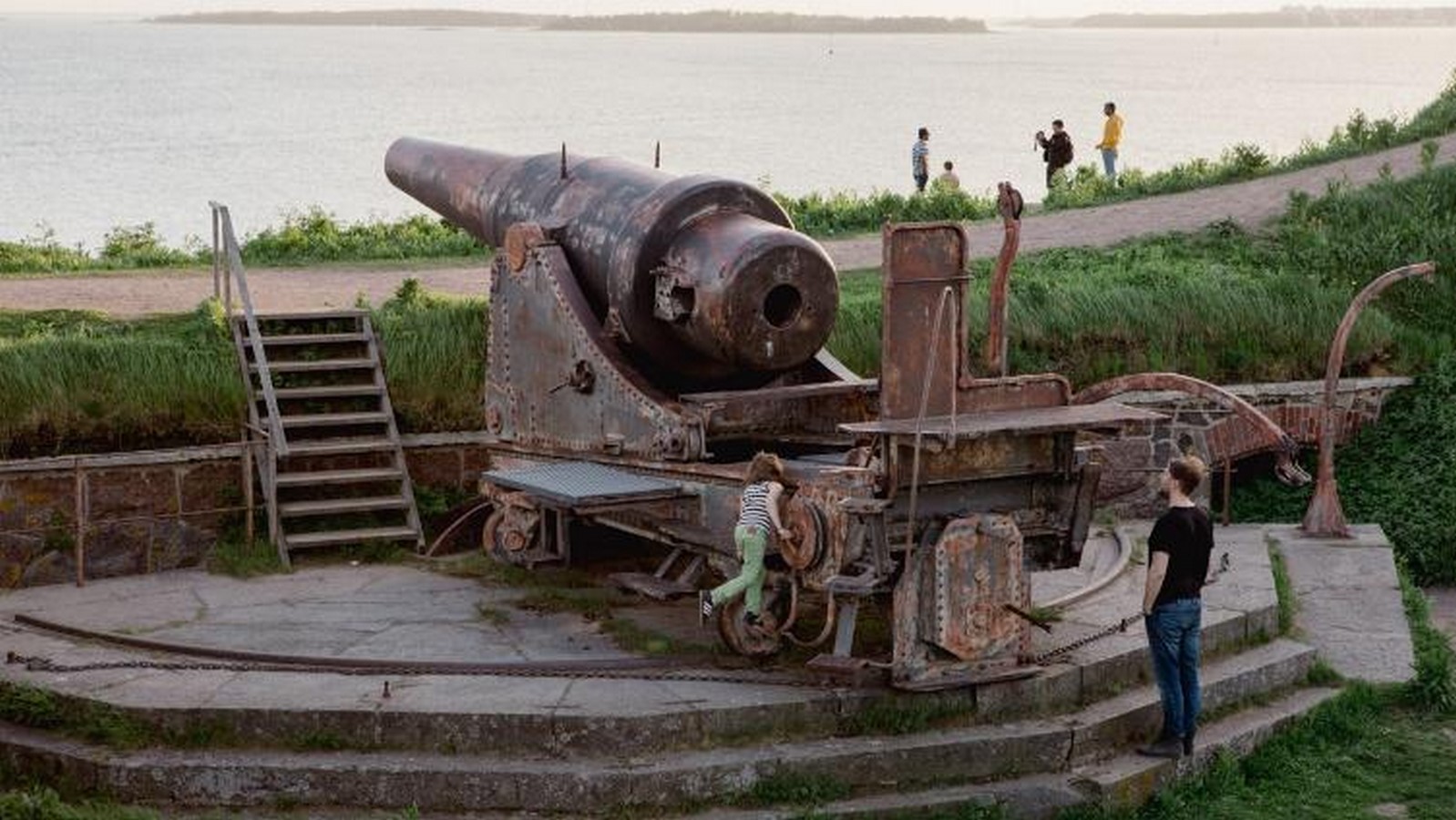
The stronghold stretches across multiple interconnecting islands, creating a defensive network that conforms to the natural terrain rather than imposing strict geometric shapes. This integration improves both defensive capability and visual harmony. Bastions, ramparts, and cannon positions were deliberately placed to maximize defense against naval threats (Wikipedia, 2025).
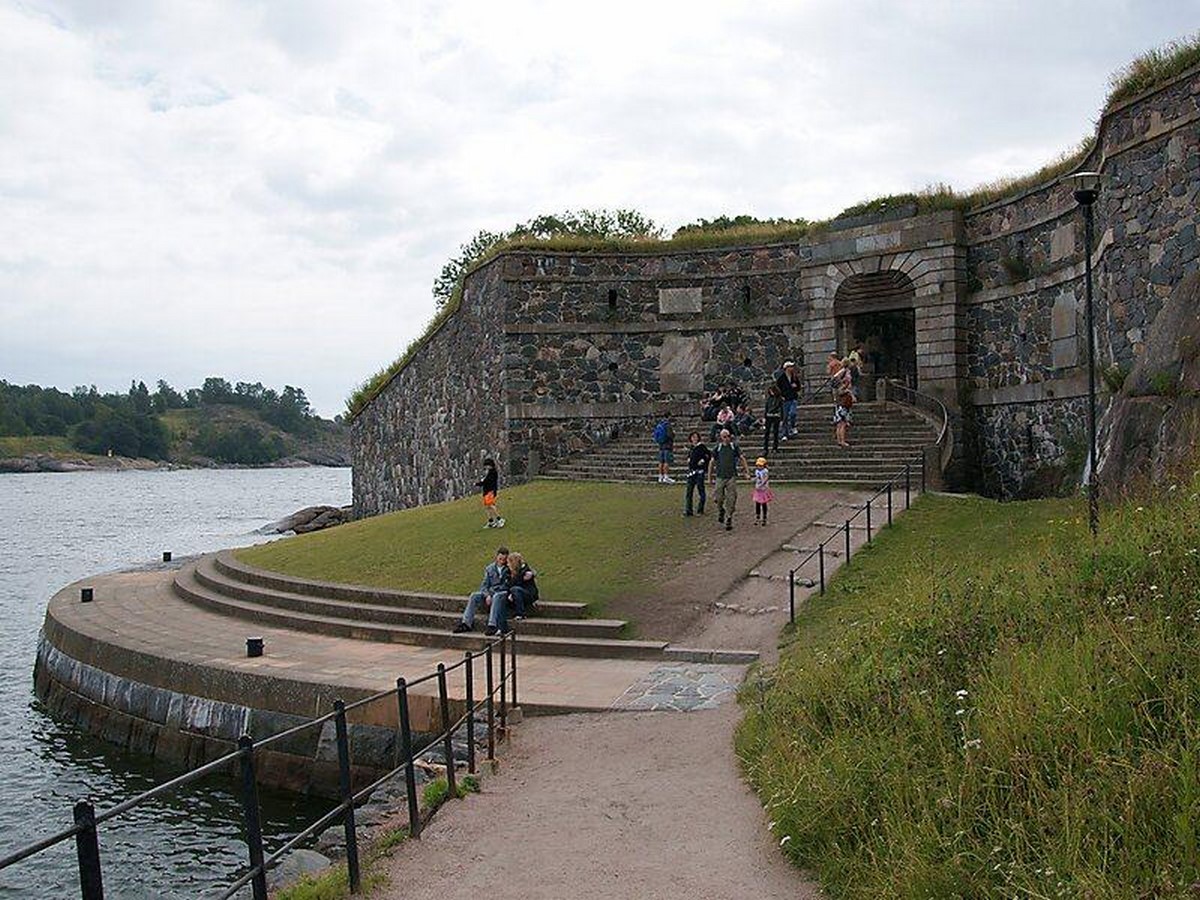
The King’s Gate, built in the 1750s as the ceremonial entry to the fortress, is a major architectural highlight of Suomenlinna (Wikipedia, 2025). It incorporates defensive characteristics like gun holes and fortified walls, demonstrating both symbolic and utilitarian design. Another remarkable edifice is the Suomenlinna Church, which was built as an Orthodox garrison church in 1854 before being transformed into a Lutheran church. The structure also serves as a lighthouse, showcasing adaptive reuse within Suomenlinna’s architectural setting.
Cultural Significance of Suomenlinna
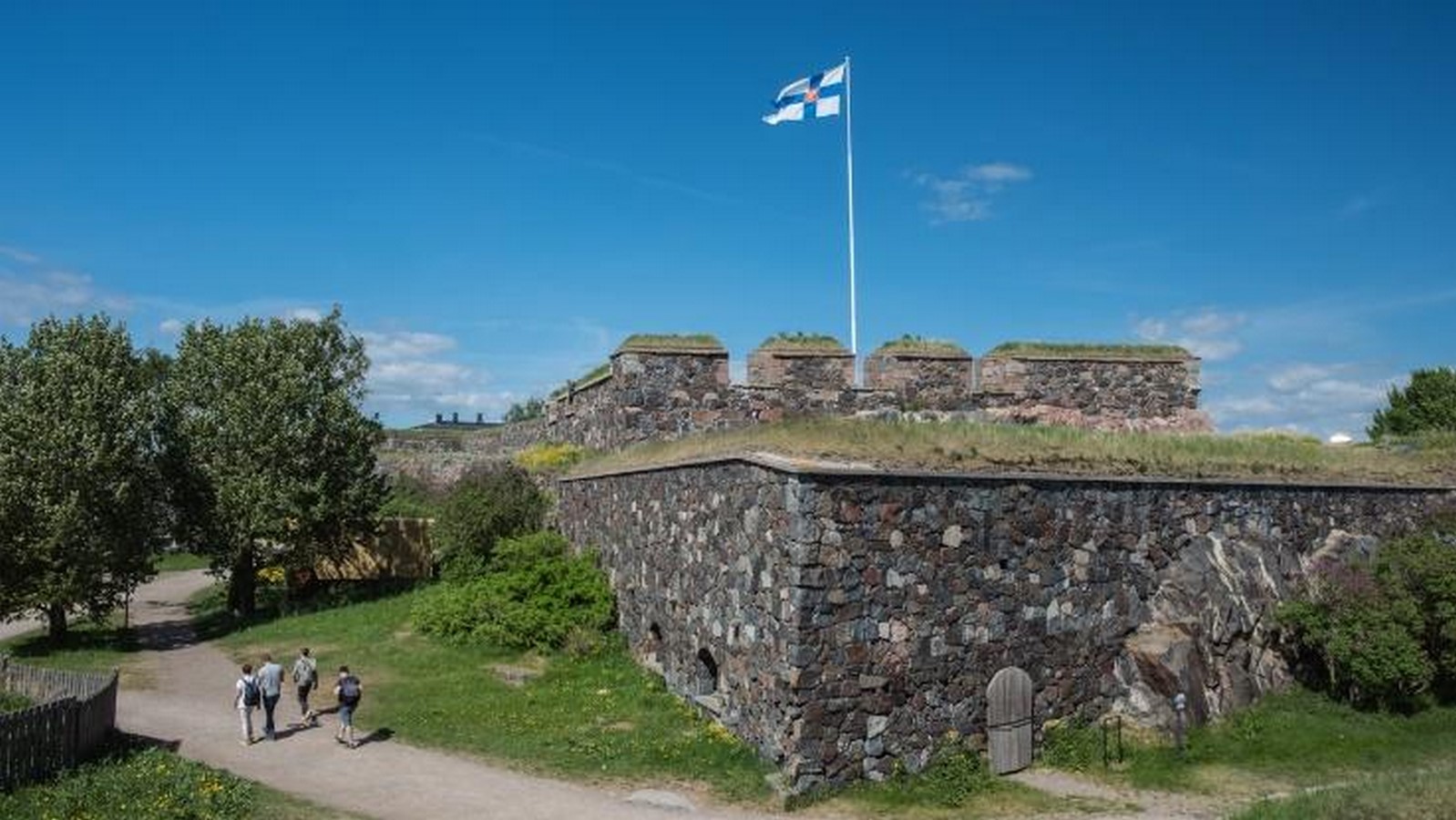
Today, Suomenlinna is recognised as a UNESCO World Heritage Site due to its outstanding historical and architectural value (UNESCO, n.d.). Suomenlinna is distinct from many medieval strongholds because it is still a living community with about 800 residents (Wikipedia, 2025). The location celebrates its rich history and artistic significance with museums, galleries, and cultural events.
Suomenlinna is especially important in education and tourism, as it provides insights into Finland’s history and links with Sweden and Russia. The castle experienced noteworthy events, notably its usage as a prison camp during the Finnish Civil War in 1918 (Wikipedia, 2025). This provides dimension to the historical tale. Today, Suomenlinna is a cultural hub, connecting the past and present and reinforcing national identity.
Suomenlinna is a special combination of military construction, historical advancement, and cultural significance. Suomenlinna illustrates the dynamic history of the area, from its beginnings as a Swedish defensive fortification to its function during Russian occupation and eventual transition into a Finnish cultural icon. Its importance as a masterwork of fortress architecture is highlighted by its architectural inventiveness, especially its adaptability to natural environments (UNESCO, n.d.). More significantly, Suomenlinna is still thriving as a living heritage site, showing how historical settings can still have significance in contemporary life. Suomenlinna continues to be one of the world’s most impressive strongholds, serving as both a national emblem and a popular tourist destination.
References :
Klinge, M. (2012) A Brief History of Finland. Helsinki: Otava Publishing.
Mattila, J. (2018) Fortresses of the Baltic Sea. Helsinki: Nordic Historical Press.
UNESCO (n.d.) Fortress of Suomenlinna.
Wikipedia (2025) Suomenlinna.
Wikipedia (2025) Kuninkaanportti.
Wikipedia (2025) Suomenlinna Church.
Wikipedia (2025) Suomenlinna prison camp.