Most structural issues don’t start as major problems. They begin small, often unnoticed, and slowly develop over time. By the time they’re obvious, the cost to fix them can be significantly higher.
The good news is that your home usually gives early warning signs. The challenge is knowing what to look for and understanding which issues need attention sooner rather than later.
If you can spot these signs early, you have a much better chance of avoiding expensive repairs and long-term damage.
Why early detection matters
Small problems don’t stay small
A minor crack or slight shift might not seem urgent, but structural issues tend to worsen if left unchecked.
For example:
- Small cracks can expand
- Uneven floors can become more pronounced
- Doors that stick can signal movement in the structure
Catching these issues early makes solutions simpler and more manageable.
Repairs become more complex over time
When structural problems are ignored, they often affect multiple parts of the home. What could have been a targeted fix may turn into a larger, more involved repair.
Understanding when to act is key, especially when it comes to areas related to Foundation Repair, where early intervention can make a significant difference in both cost and outcome.
Common early warning signs to watch for
Cracks in walls and ceilings
Not all cracks are serious, but certain types can indicate structural movement.
Pay attention to:
- Cracks that are wider than a few millimetres
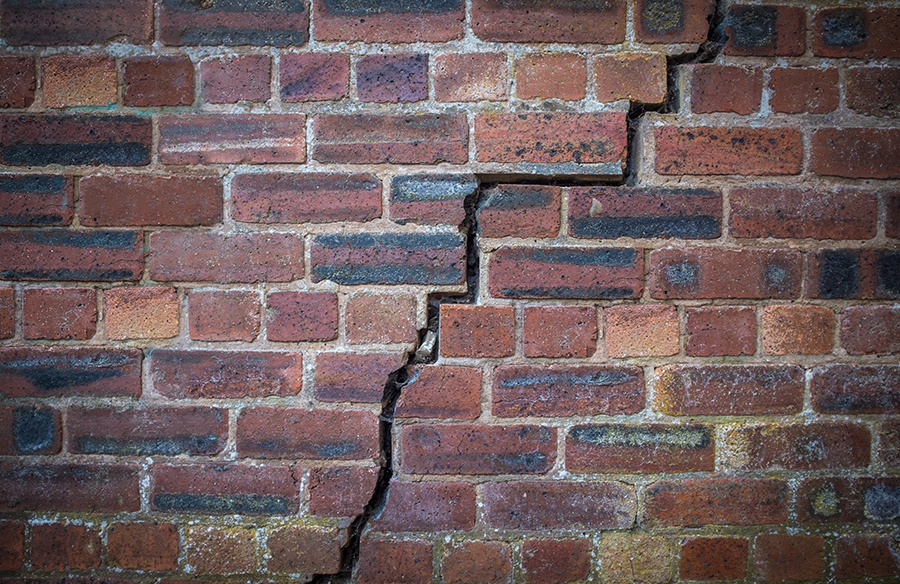
- Diagonal cracks, especially around doors and windows
- Cracks that continue to grow over time
These can suggest shifting or settling that needs further inspection.
Doors and windows not working properly
If doors or windows suddenly start sticking, jamming, or not closing properly, it may not just be wear and tear.
This can be a sign that the structure has shifted, causing frames to become misaligned.
Uneven or sloping floors
Floors that feel uneven underfoot or appear slanted can indicate movement beneath the surface.
This is often gradual, so it can be easy to miss unless you’re paying attention.
Gaps around frames or fixtures
Spaces appearing around doors, windows, or built-in fixtures can signal that parts of the structure are moving independently.
These gaps may start small but can widen over time.
Exterior warning signs
Don’t forget to check the outside of your home.
Look for:
- Cracks in brickwork or foundations
- Separation between walls and other structures
- Uneven ground near the base of the home
Exterior signs often provide important clues about what’s happening beneath the surface.
What causes these structural issues
Natural settling
All homes settle slightly over time, especially in the first few years. However, excessive or uneven settling can lead to problems.
Soil movement
Changes in soil conditions, such as moisture levels, can cause the ground beneath your home to expand or contract.
This movement can put pressure on the foundation and lead to structural changes.
Water-related issues
Poor drainage or water accumulation around the home can weaken the foundation over time.
This is one of the more common causes of structural problems.
Construction quality
In some cases, issues can stem from how the home was originally built. Materials, design, and workmanship all play a role in long-term stability.
How to stay ahead of costly repairs
Regularly inspect your home
You don’t need to be an expert to spot early signs. A simple routine check every few months can help you notice changes.
Focus on:
- Walls and ceilings
- Doors and windows
- Floors and exterior surfaces
Consistency helps you catch issues before they worsen.
Track changes over time
If you notice something unusual, keep a record. Take photos and note any changes.
This helps you determine whether an issue is stable or getting worse.
Address water issues quickly
Water is one of the biggest contributors to structural problems.
Make sure to:
- Keep gutters and downpipes clear
- Ensure proper drainage away from the home
- Fix leaks as soon as they appear
Managing water effectively protects the foundation.
Don’t ignore early signs
It’s easy to put off minor issues, especially if they don’t seem urgent. But early action is often the difference between a simple fix and a major repair.
If something feels off, it’s worth investigating.
When to seek professional advice
Signs are getting worse
If cracks are expanding, floors are becoming more uneven, or doors are increasingly difficult to close, it’s time to get a professional opinion.
Multiple issues appear at once
When several warning signs show up together, it may indicate a larger underlying problem.
You’re unsure what you’re seeing
If you’re not confident about whether something is normal or not, it’s always better to have it checked.
Getting clarity early can save you from unnecessary stress later.
What early action looks like
Addressing structural issues early doesn’t always mean major work. In many cases, it involves targeted solutions that stabilise the problem before it spreads.
This might include:
- Reinforcing specific areas
- Improving drainage
- Correcting minor shifts
The key is timing. Acting early keeps the solution manageable.
Protecting your home long term
Your home’s structure is something you don’t think about every day, but it plays a critical role in everything else. When it’s stable, everything works as it should. When it’s not, small problems start to appear across different areas.
By staying aware of early warning signs, keeping an eye on changes, and taking action when needed, you can avoid the kind of repairs that become costly and disruptive.
It’s not about expecting problems. It’s about being prepared to catch them early, so they never have the chance to grow into something bigger.