The psychology of an individual does not depend solely on the brain and how well one can cope with stress or emotions. The surrounding environment plays a crucial role in shaping mental well-being. For instance, it is difficult for a person to write and read in a room with bright colors and harsh lighting. On the contrary, a calm and softly lit space with a simple layout can enhance concentration and creativity. Humans tend to spend most of their time indoors, and thus, thoughtful architectural design is important for supporting human behaviour, emotions, cognitive function, and psychological health at large. This thoughtful design comes along with proper space segregation, lighting, materials, colors, scale, and many other factors.
Spatial Layout and Social Connection
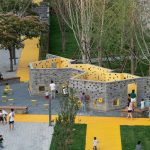
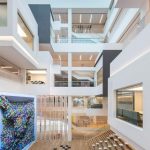
Spatial planning plays a significant role in influencing how people connect, such as through movement routes and creating views between spaces. Being able to see one another and having repeated encounters builds familiarity and social connection between them. In terms of designing a building, open layout plans naturally promote communication and collaboration. For example, a grand entrance hall in a high-rise building encourages residents to spend time there. In urban cities, pocket parks amidst buildings promote a sense of community and participation in community activities, which fosters their social relationships.
These mass and volume separations in the design of architecture are essential as it impacts people’s psychology and governs how individuals experience and interact within a space. It creates a sense of openness, comfort, and clarity, while disorganized spaces may lead to confusion, stress, or isolation.
Psychology and Built Shape and Form
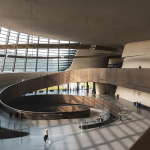
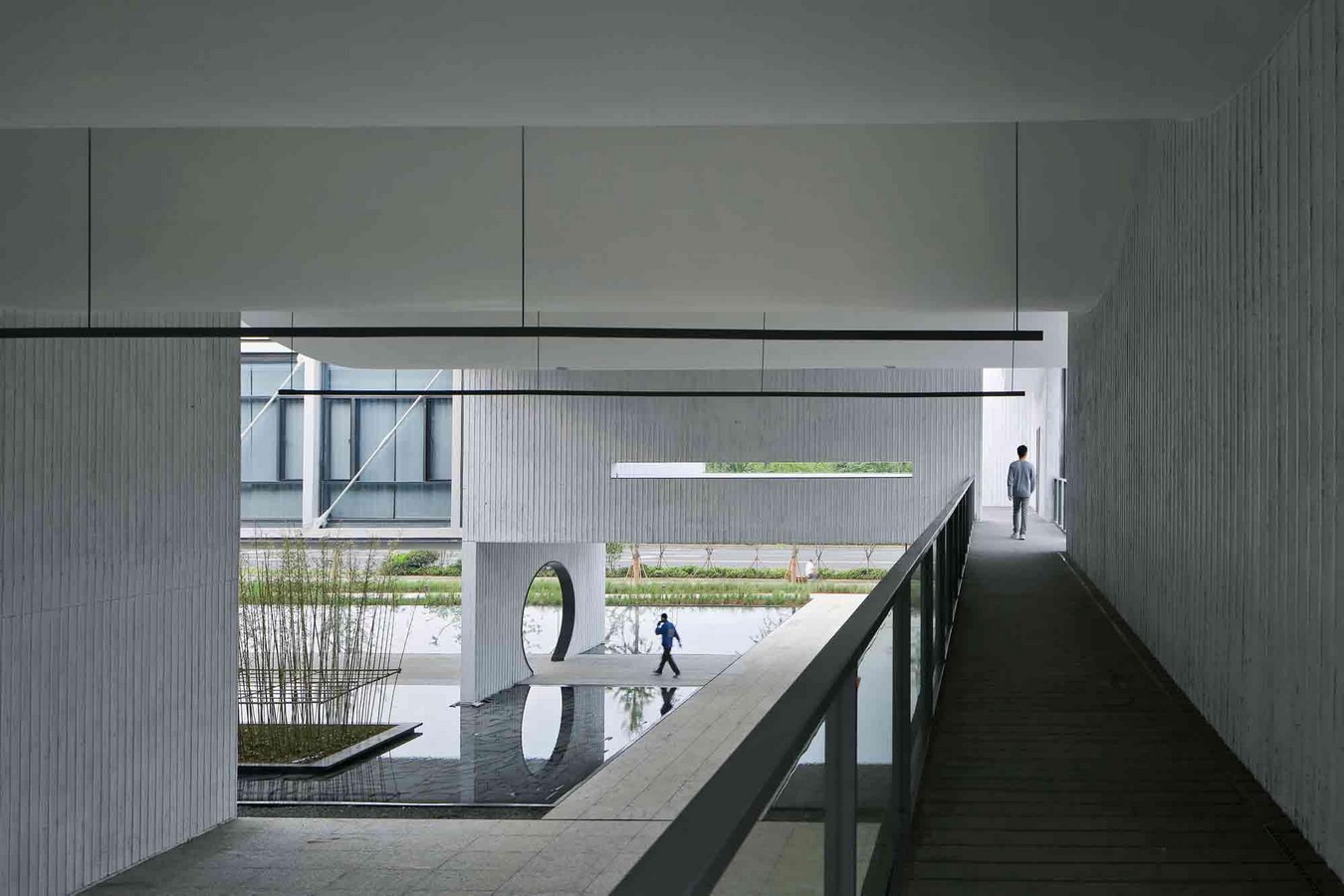
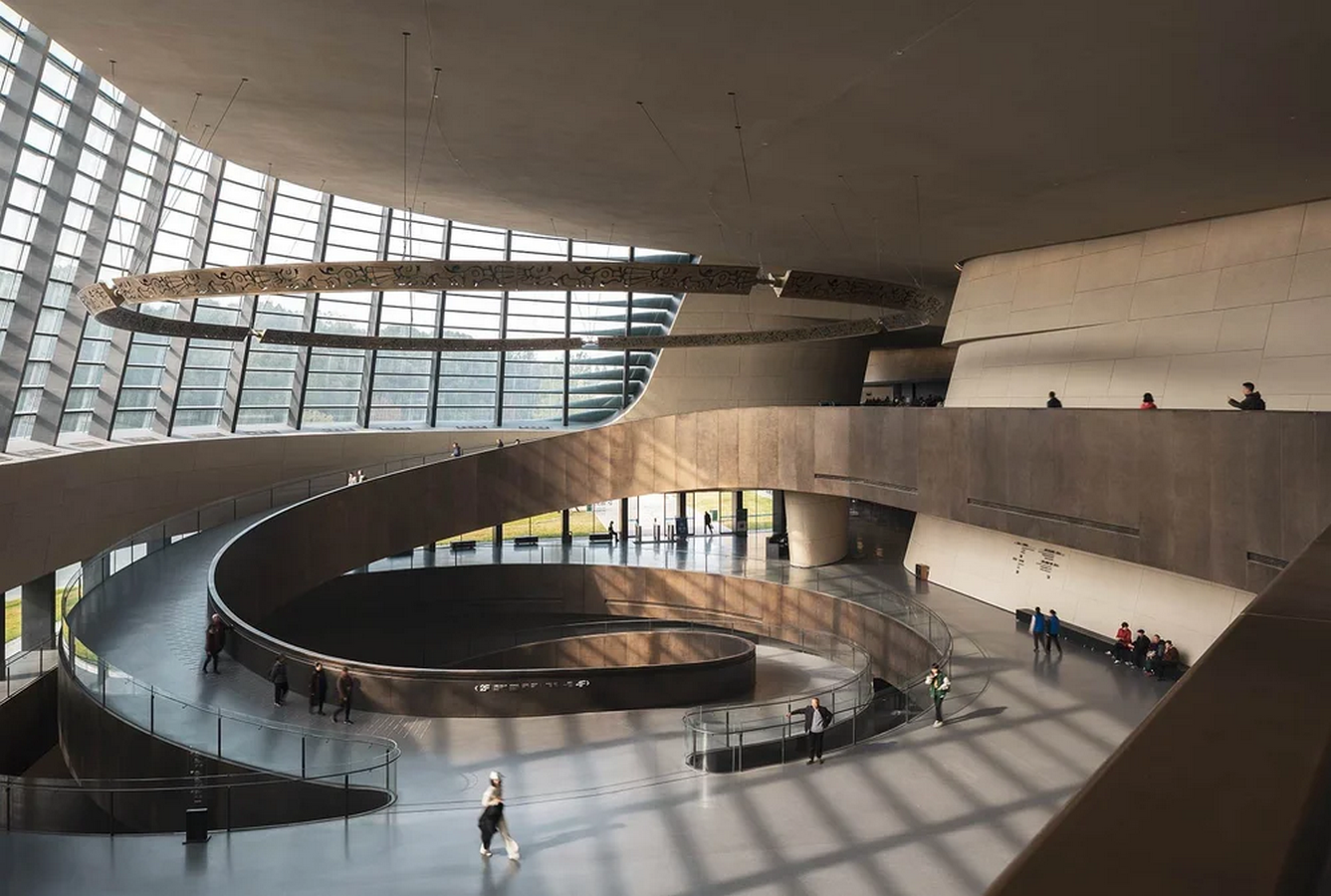
An architectural plan is not just a flat, two-dimensional representation of space segregation. The shapes and forms of it govern a wide range of emotions and feelings in an individual. Curved shapes, for example, depict positive emotions, such as happiness, calmness, as compared to straight angular forms. It usually represents fluidity and movement, and so it is seen incorporated in buildings that want to convey a sense of energy or dynamism. Spaces like museums and parks may use curved patterns to represent flow through the space. Similarly, angular shapes create a sense of tension and excitement. For instance, sports stadiums or concert halls may use angular forms to create a sense of anticipation. Additionally, enclosed forms give a sense of privacy and safety, whereas large open spaces evoke freedom and relaxation. Symmetry gives a sense of balance and stability, whereas asymmetry forms visual interest.
Biophilic Architecture and Mental Well-being
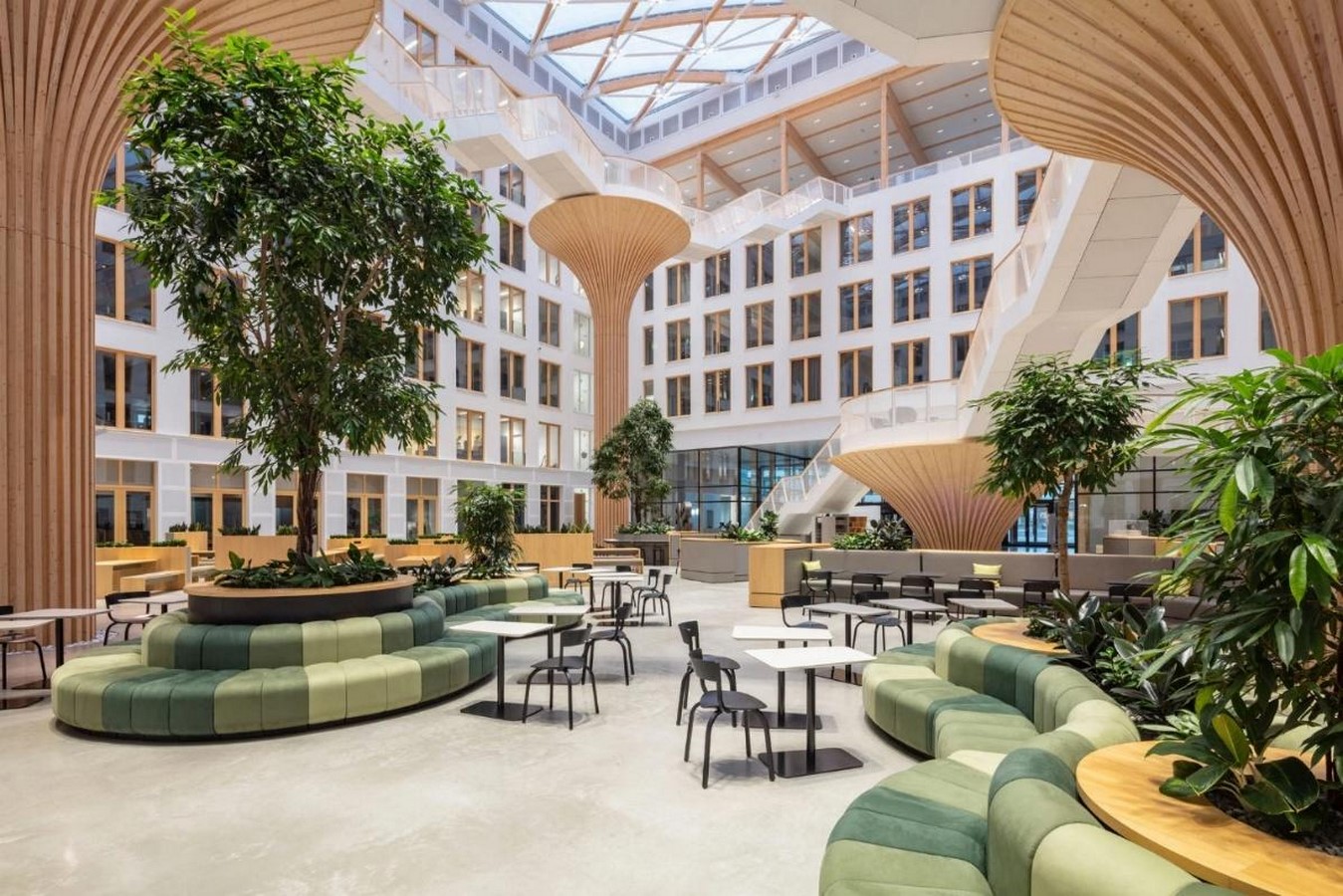
Nature and greenery are proven factors that improve one’s mental health. Nowadays, architects have started designing natural approaches like green roofs, living walls, and plantations into their projects. These designs are not just sustainable and pleasing to watch, but have a positive influence on human psychology. It circulates calming effects that boost an individual’s mood and emotions. Researchers have found that people tend to be more focused and motivated if they work or study in environments with natural elements. In areas like healthcare, incorporating gardens, natural views, and daylight has been found to support faster healing and emotional recovery for patients. Thus, from offices to residential to hospitals, biophilic designs have started to flourish all over the world to improve the psychological well-being of people.
Safe Architectural Design and Psychological Security
Designing a safe built environment has been an important assignment for the architectural professional these days. A small example of safety in architecture would be the street lights, which might be a small amenity, but it plays a huge role in the safety of people when walking or driving on roads. Similarly, architectural spaces like parks designed with proper territorial boundaries can reduce crime rates and increase safety amongst the users.
In terms of building design, its layout and construction materials play a vital role in safety and security. For example, a well-planned residential or commercial building with clear and centralized staircases, corridors, exists, to make people feel more secure in case of a sudden emergency. Similarly, the use of materials like glass in entrances or lobbies in public areas allows visibility and connection to the outside environment that reduces fear and improves comfort.
Designing Pause: Transitional Spaces in Architecture
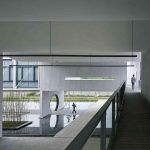
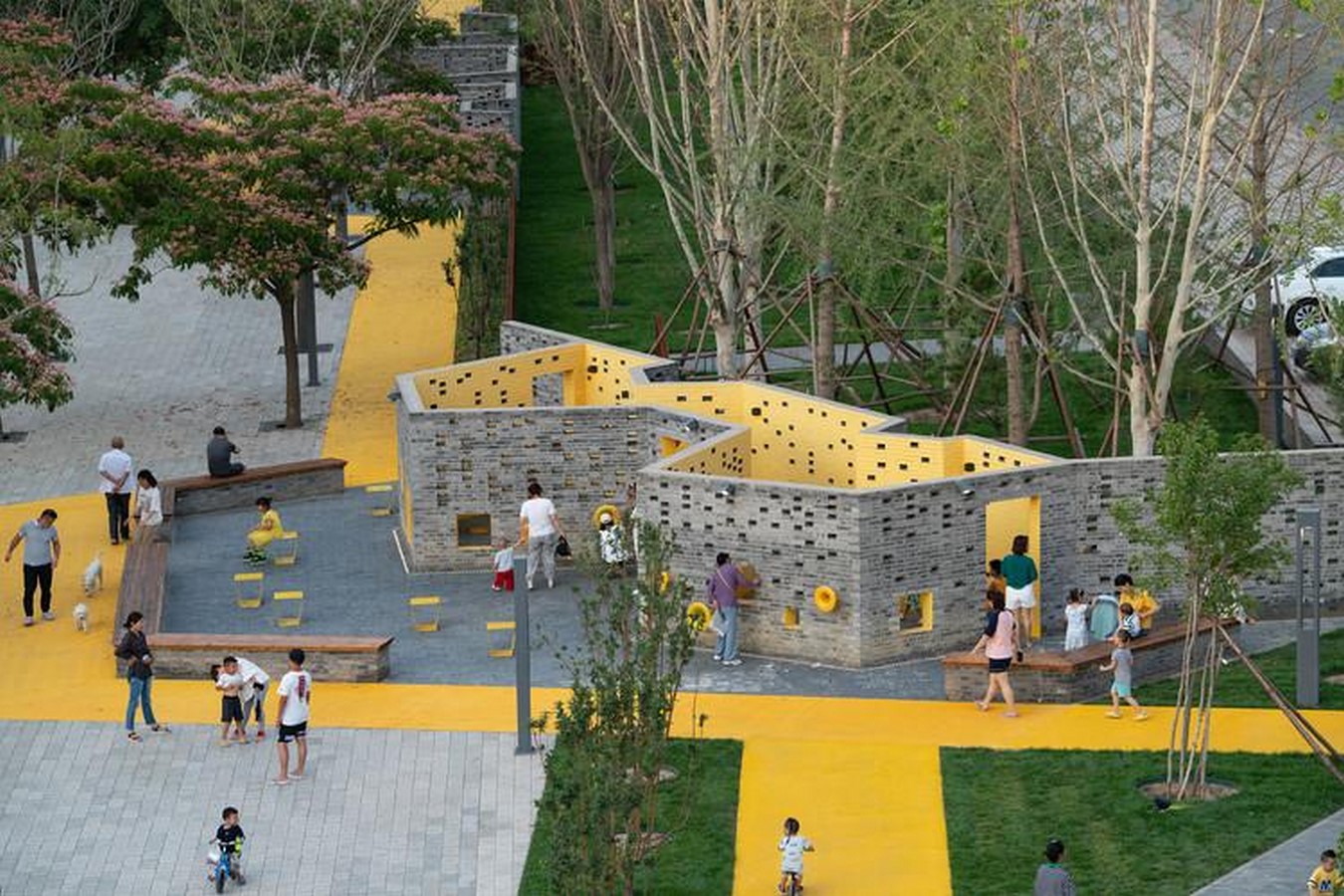
A long stretch of buildings in urban planning or continuous classrooms in a school can become monotonous for users. Including buffer spaces like plantations, parks, and recreational hubs in the middle of buildings will make the planning more functional and encourage community engagement, resulting in greater social interaction. Similarly, a lobby or courtyards designed between the classrooms help to connect students and motivate them to interact and communicate with one another. These shifts between spaces provide a moment of pause, allowing people to relax and mentally adjust before entering another area. Whether it’s a shift in light, texture, or scale, thresholds create a sense of anticipation. Transitional spaces can alter our mood entirely, heightening awareness, slowing our pace, or even inspiring a sense of awe.
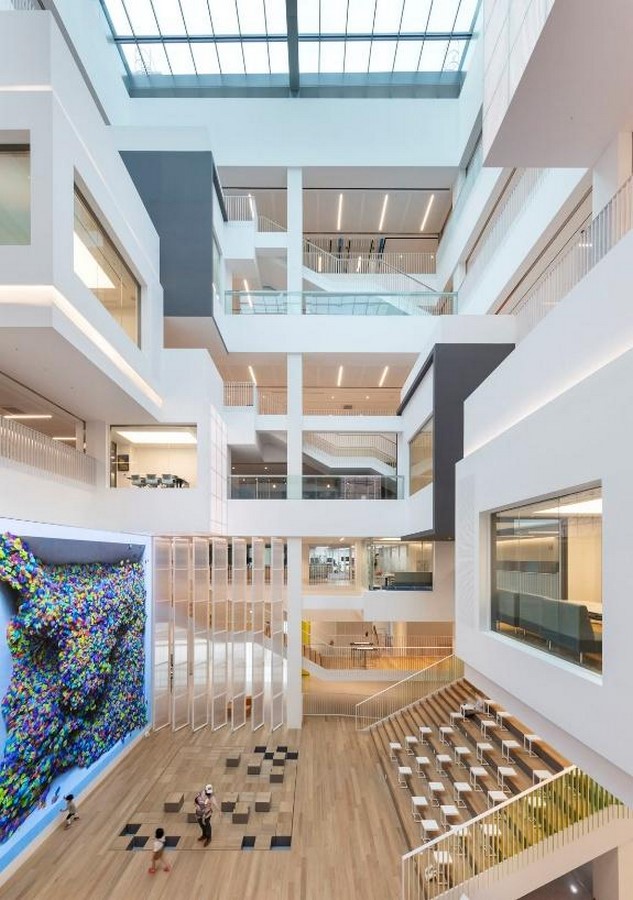
human psychology depends upon the architecture around us. In a world where millions of people are fighting several mental illnesses, architects have a challenge to create a space that improves such illnesses by aiming to develop their cognitive function, communication skills, and emotions.
Reference
Reid, N. (2024). Spatial Design to support Social Connection. Available at: GeoAgenda. (Accessed: 6 March 2026).
Frew, S. The Spaces Between: Exploring the Psychology of Transitional Spaces. Available at: https://architizer.com/blog/practice/details/the-spaces-between-psychology-of-transitional-spaces/ (Accessed: 6 March 2026).
Jain, S., Saxena, S., Srivastava, A. (2024). Impact of Built Shape, Forms, and Spaces on Human Psychology. Available at: https://journals.stmjournals.com/ijadp/ (Accessed: 8 March 2026).