“We shape our buildings; thereafter they shape us.”
-Winston Churchill
Creativity Is Not Just- “in the Mind”
Creativity is often perceived as a psychological phenomenon, but what if the physical environment is a silent contributor to our ideas? From studios to cafes to the desks at our homes, it is silently influencing our thinking abilities.
Creativity has always emerged to us as something purely internal – a spark of thought or an idea that emerges from imagination alone. However, the flow of creativity rarely occurs in isolation. The physical environment plays a decisive role in affecting and shaping the cognitive and emotional thoughts that hinder our brains. As it is stated in the concept of “flow”, given by the famous psychologist Mihaly Csikszentmihalyi, it describes it as complete submersion in an activity. While the flow of the activity is psychological , the conditions that allow it to occur are deeply rooted in the physical environment. Many factors, like light, space, sound , temperature, and spatial configurations, influence whether the mind feels inclusive or restricted.
In this overall sense, the effect of the physical environment does not merely play a part in hosting creativity; it enables or disrupts it. A closer look at these elements of the physical environment reveals the influence it has on creative performance.
Light and Nature as a cause for Creativity
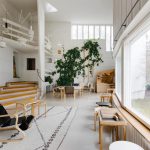
One of the most influential components of the physical environment is light; natural daylighting has been considered as a source that is linked to improving mood, enhancing concentration, and building strong problem-solving abilities. Spaces that are generally poorly ventilated with natural lighting reduce productivity and creative engagement. Beyond light , the presence of fresh air and natural elements like plants, water, and open views of nature contribute to improving cognitive restoration.
Daylighting not only illuminates the room but also creates a subtle connection between the indoor and the outdoor environment, which psychologically creates a sense of openness and continuity. Individuals perceive time passing through the light patterns, awareness of the space, which becomes dynamic rather than static. In contrast to this situation,a sealed environment that is dominated by artificial lighting, rigid forms, and synthetic materials often produces visual monotony and mental fatigue. These elements suppress the cognitive ability of the brain , which is activated when we integrate natural elements into the physical surroundings.
Creativity in such spaces becomes more organic and less forced, which in turn emerges as naturally as bright light entering through an open window.
Spatial Layout becomes a Freedom of Thought.
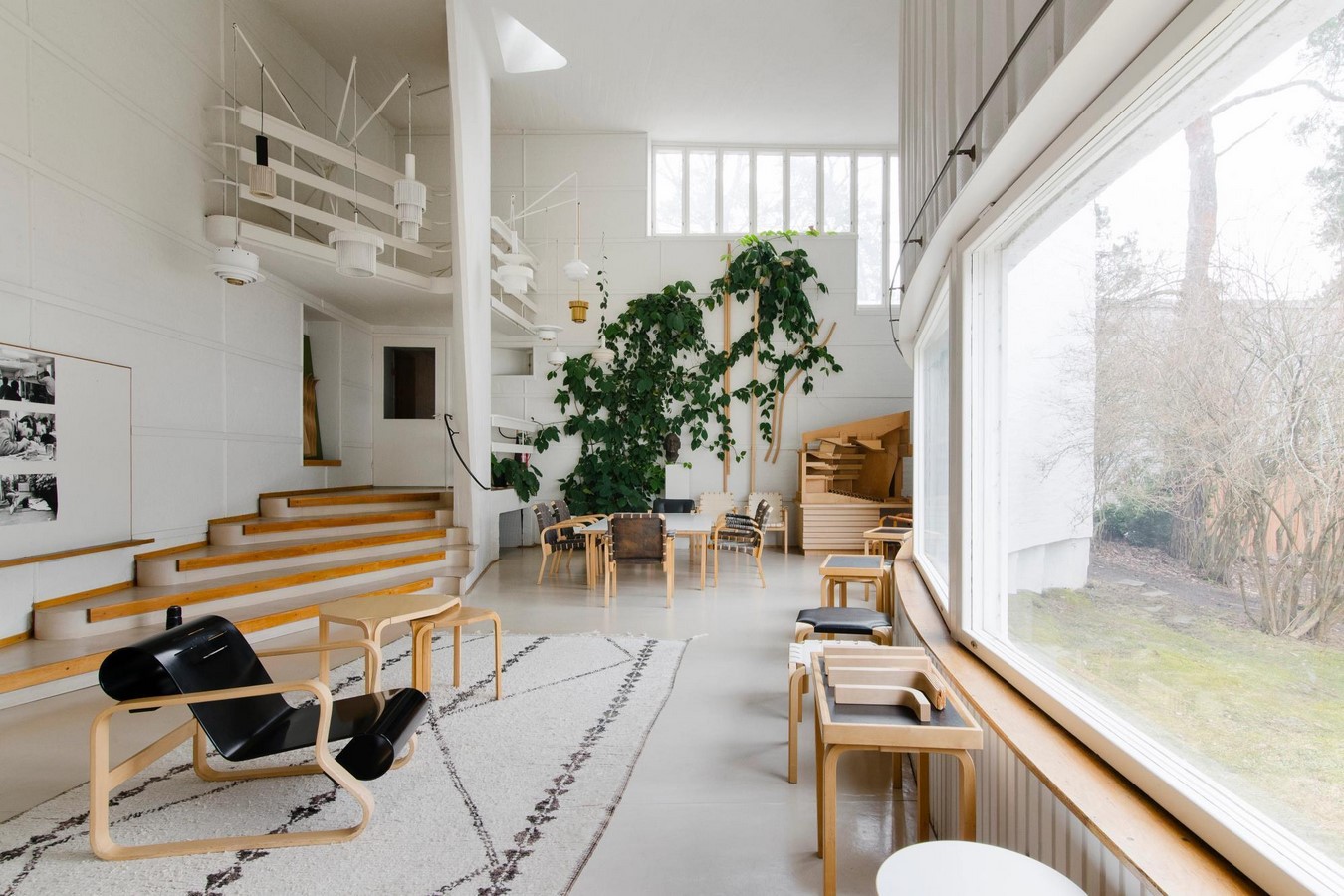
Spatial layout is not merely an arrangement of furniture and walls in a room; it’s a cognitive framework that shapes the way the mind moves around them. Within the physical environment, spatial confirmation plays a vital role in shaping cognitive ability.
Research studies in environmental psychology suggest that higher ceilings in the physical environment encourage abstract thinking, whereas enclosed spaces promote more task-driven work. This subtle relationship between volume of the space and cognition reveals how the spatial scale matters in shaping the mental orientation. Architect Frank Lloyd Wright also emphasized spatial continuity and openness in the prairie house, dissolving rigid rooms to create psychological expansiveness. Similarly, the studio of Bauhaus has also encouraged flexibility and realized spatial openness as one of the main key features to foster intellectual exchange.
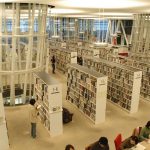
However, creating excessive openness may also lead to varied distractions, interrupting the deep thinking ability of the mind. Advocating the transitional – “in between spaces” which gives a transitional zone that allows for both interaction and retreat, supporting the cognitive ability within the same physical environment. Circulation patterns, spatial arrangement, and hierarchy of the zoning also affect the cognitive abilities and behavioral and thought processes of the mind. Rigid and compartmentalized narrow corridors may unconsciously restrain the mind and affect the thinking abilities. The physical environment, when thoughtfully proportionated and organized, creates a setting where the intellectual ability can unfold organically.
Materiality, Sound, and Sensory Experience
Architecture is not only experienced by the psychological aspects but also through the full spectrum of the human senses. The materials that compose a space, the texture, temperature , weight, and acoustic properties, significantly influence how the physical environment is perceived. Juhani Pallasmaa, the Finnish architect, in his book “The Eyes of the Skin,” argues that architecture must engage with the body and sense rather than solely depending on the visuals. According to his ideology, tactile and auditory experiences shape emotional depth and memory more than visual experiences alone could achieve. When surfaces invite the sense of touch and materials resonate warmth, the mind feels secure, which ignites a sense of openness in the mind to function in a more cognitive and intellectual way.
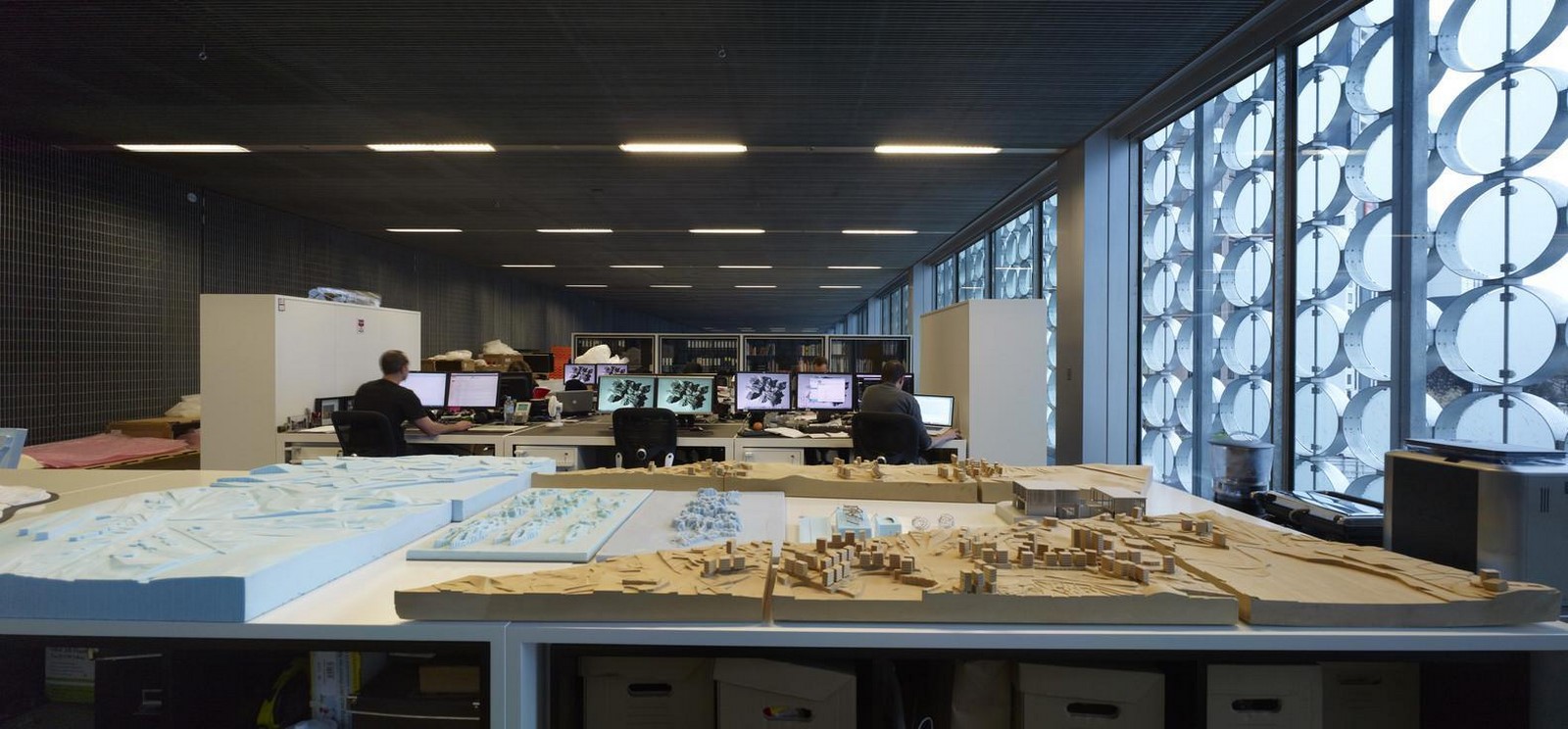
Material choices ranging from timber to steel communicate psychologically with the physical environment. We generally tend to use warm timber-like material in spaces like homes, which evoke comfort and familiarity , but don’t use steel for the same. This emphasizes the fact that material presence creates an “atmosphere” shaping emotional state, which in turn affects the creative flow. Similarly, sound and sensory experience are dynamic variables; these factors directly affect the mindset and ideologies. Excessive noise levels can heavily disrupt concentration, while complete silence can also feel isolating and unnatural. Maintaining a soft background of rusting water can varyingly enhance and nurture creativity.
Ultimately, material, sound, and sensory experiences in a physical environment transform the space from a neutral container to a lived experience. When these are consciously taken care of when designing it not only changes and strengthens the cognitive abilities but also the physical environment is not only visible but also felt deeply.
Personalization and Psychological Ownership
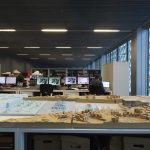
Another critical dimension that plays a vital role in shaping the creative flow is the ability to create a personalized one’s surroundings. When individuals experience a sense of ownership over their physical environment , they tend to develop a stronger emotional attachment and autonomy to the space. This feeling of ownership and control over the space significantly enhances the creative workflow. While many contemporary workflow studies demonstrate that flexible modifications report higher engagement and innovative levels. Adjustable table. Pin-up boards , movable partitions ,and adaptable layouts allow the user to imprint their identity onto the space, thereby getting a sense of authority.
Personalization transforms the physical environment from a container into a thought of spatial mirrors of cognitive processes. The more the space reflects the individuality of the person ,the more it encourages experimentation, reflection, and authentic creative output. In this way, architecture shifts from being a backdrop to an active collaborator in impacting the creative workflow of a person.
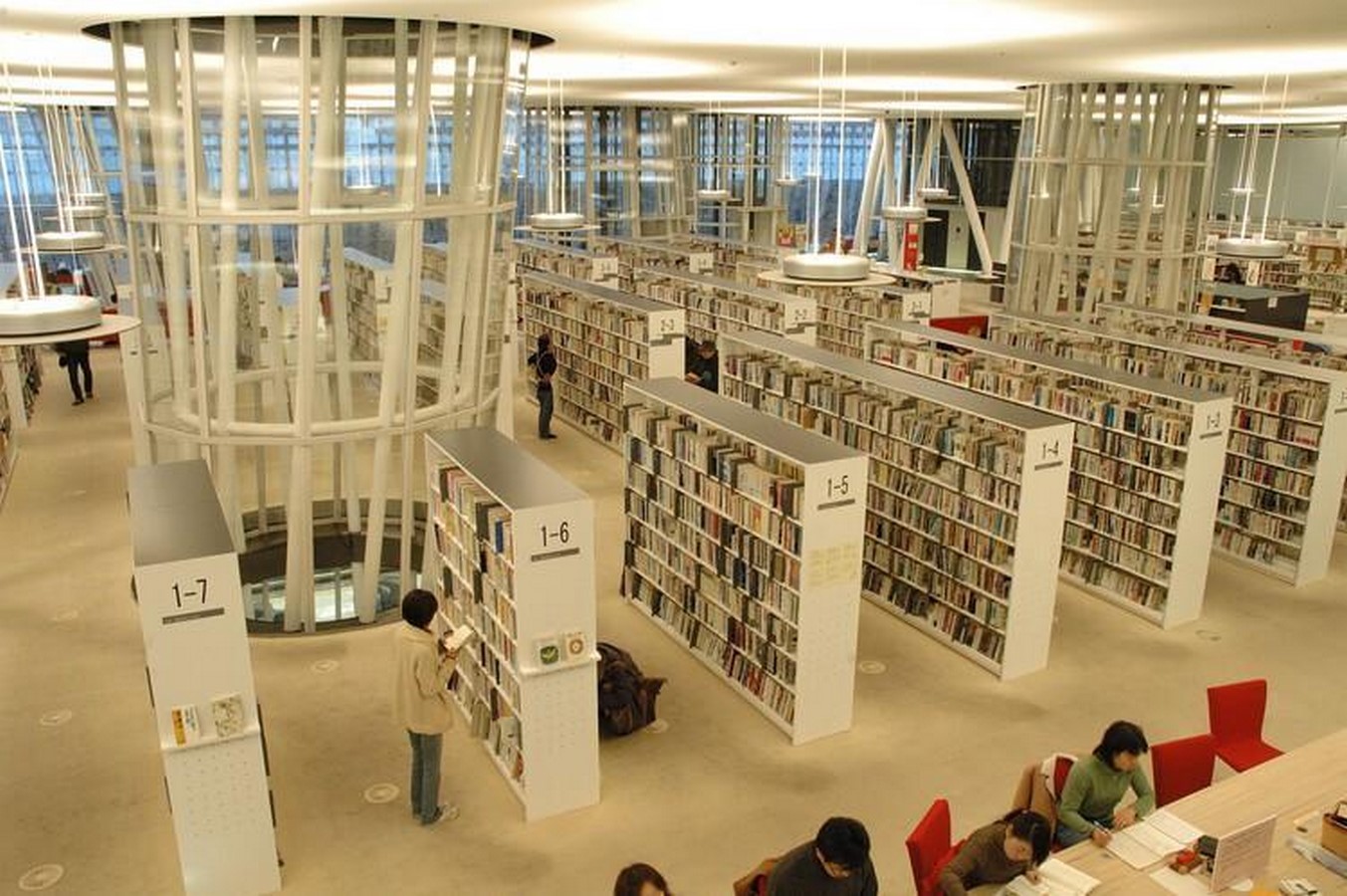
Creativity is and cannot be understood as a purely internal phenomenon. It is constantly shaped by the physical environment that surrounds us and the degree of control we have over it. The physical environment does not merely accommodate these ideas, but it also conditions them, nurtures them, or, in some cases, restrains them.
Given the significant impact of space on these criteria, should architecture remain a passive backdrop to human activity? The core issue may not be whether the physical environment influences creativity, but how deliberately we select designs that foster it.
REFERENCES:
- Mihaly Csikszentmihalyi (1996). Creativity: Flow and the Psychology of Discovery and Invention. New York: HarperCollins.
- Juhani Pallasmaa (2005). The Eyes of the Skin: Architecture and the Senses.
- Cyberly – Article explaining how physical environment affects creative thinking| Available at:https://www.cyberly.org/en/how-does-environment-influence-creativity/index.htm
- MDPI article on workspace design and creativity | Available at:https://www.mdpi.com/2071-1050/15/20/15013