Every architecture student dreams of designing that one building that is widely recognised by the masses. For them, it is the mark of success to see their building along with other significant and famous structures in the skyline. With the advancement of technology and increased settlements, building construction is happening everywhere. Every built structure strives to be unique from the other. Various factors, including aesthetics, region, style, design, function, and other considerations, influence the design. This article examines the factors that hinder the development of innovative forms and strategies to achieve unique outcomes.
Determinants of Architectural Shape
Building shape is not just the architect’s vision; several other factors influence it. While some are determined by byelaws, others follow the regional language to blend in. Culture and its sub-components play a vital role in influencing the design. Architecture holds the burden to reflect the cultural values and beliefs of a region (Dhiksha and Muppidathi, 2024). Spatial layout must follow social norms, material is selected based on local traditions, design corresponds to the climate, and the building overall preserves cultural identity and heritage (Dhiksha and Muppidathi, 2024).
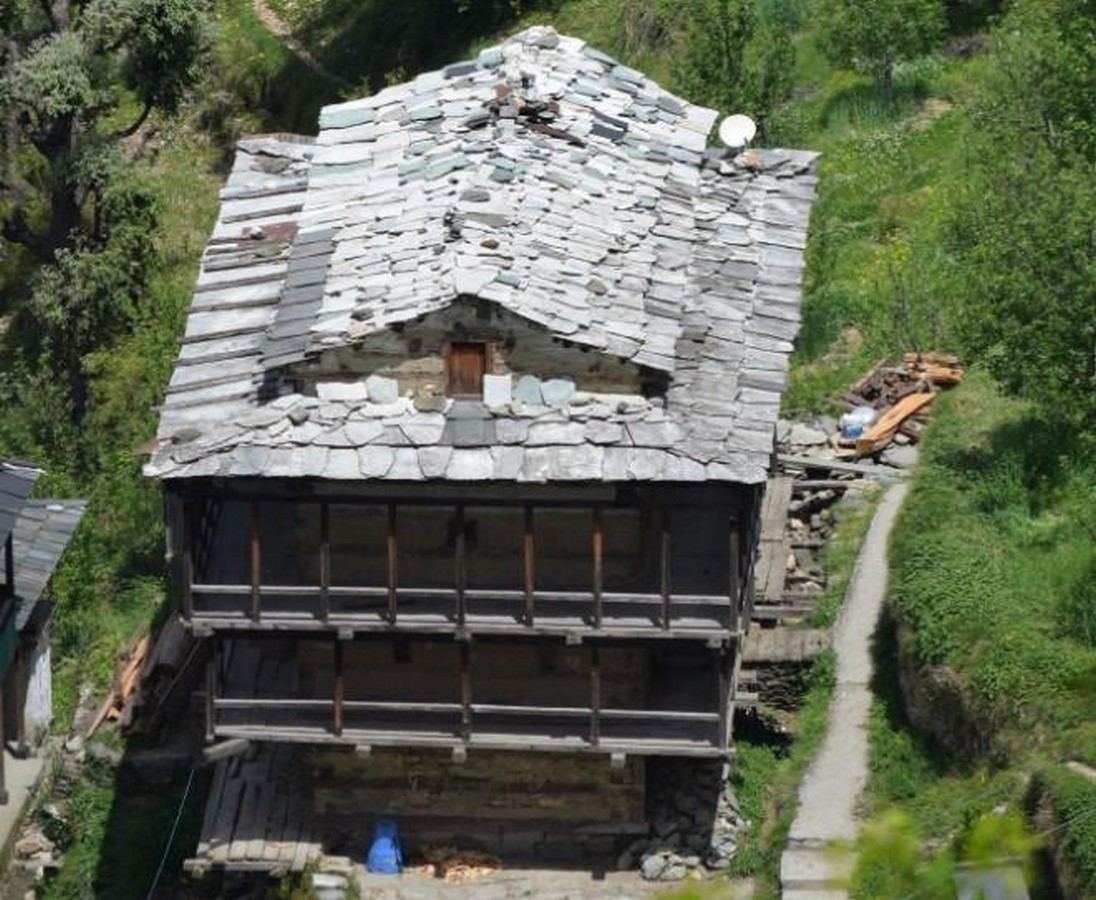
For example, the Kath Kuni construction has been going on for generations in Himachal Pradesh. It is an elaborate timber earthquake technique carried out by specialist traditional builders (Dhiksha and Muppidathi, 2024). The region-specific techniques are habitual in certain places. Specific techniques like these are common in areas where the terrain, climate, or weather poses a serious challenge. Often, the influencers of similar-looking designs are safety measures that must be followed. Another example is the cookie-cutter or tract housing, which emerged shortly after World War II in suburbs to provide affordable houses (Petrović, Krstić & Stoiljković, 2025). The repetitive and uniform neighbourhoods became common worldwide as a low-density urban type (Petrović, Krstić & Stoiljković, 2025). With construction activity everywhere at such a fast pace, the mold design saves time and delivers quickly.
Breaking the visual Monotony
In a monotonous skyline, that one building with an amorphous shape captures the attention of people. People speak about its shape, form, and placement. While some would appreciate it, others might criticise. Irrespective of the words, the design is thought-provoking. At this point in human history, we are more advanced than our ancestors. Using the benefits of modern technology, tall buildings with unusual shapes have emerged (Musiał, 2025). Due to their visibility, tall buildings have the advantage of being landmarks (Musiał, 2025).
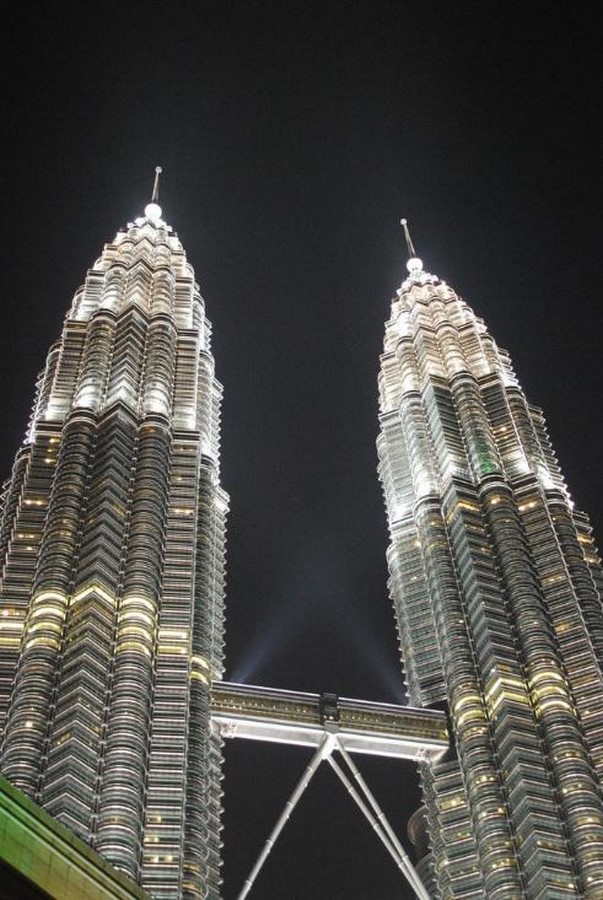
Pyramidal and nature-inspired shapes are often powerful and memorable, as shapes strongly affect a structure’s imageability (Musiał, 2025). The shape may not necessarily be complex but unique, which sets it apart from other “glass box” towers (Musiał, 2025). Juxtaposition of too many unusual shapes may create visual chaos (Musiał, 2025). To preserve the local identity, a few elements from the region can be borrowed in the design (Musiał, 2025). It is a known fact that thinking out of the box can lead to unique design; however, the real challenge is to break the repetitiveness and accept the experimental and innovative shapes as normal.
Digital Skins
Form and shape are not entirely responsible for a building’s uniqueness. The media-aided facades have now gathered attention. Seen as an extension to the existing elevation, the media facades add uniqueness to the building. Technology has blurred the physical and digital spaces, making architecture more responsive and interactive (Okur and Karakoç, 2019). Media facades transform buildings into interactive surfaces, shifting users from passive spectators to active participants (Okur and Karakoç, 2019). Lev Manovich introduces the idea of “augmented space”, thus treating the digital information streams as integral to architecture rather than mere add-ons (Okur and Karakoç, 2019). With the incorporation of media facades, the static design shifts to dynamic interactions.
Unique features
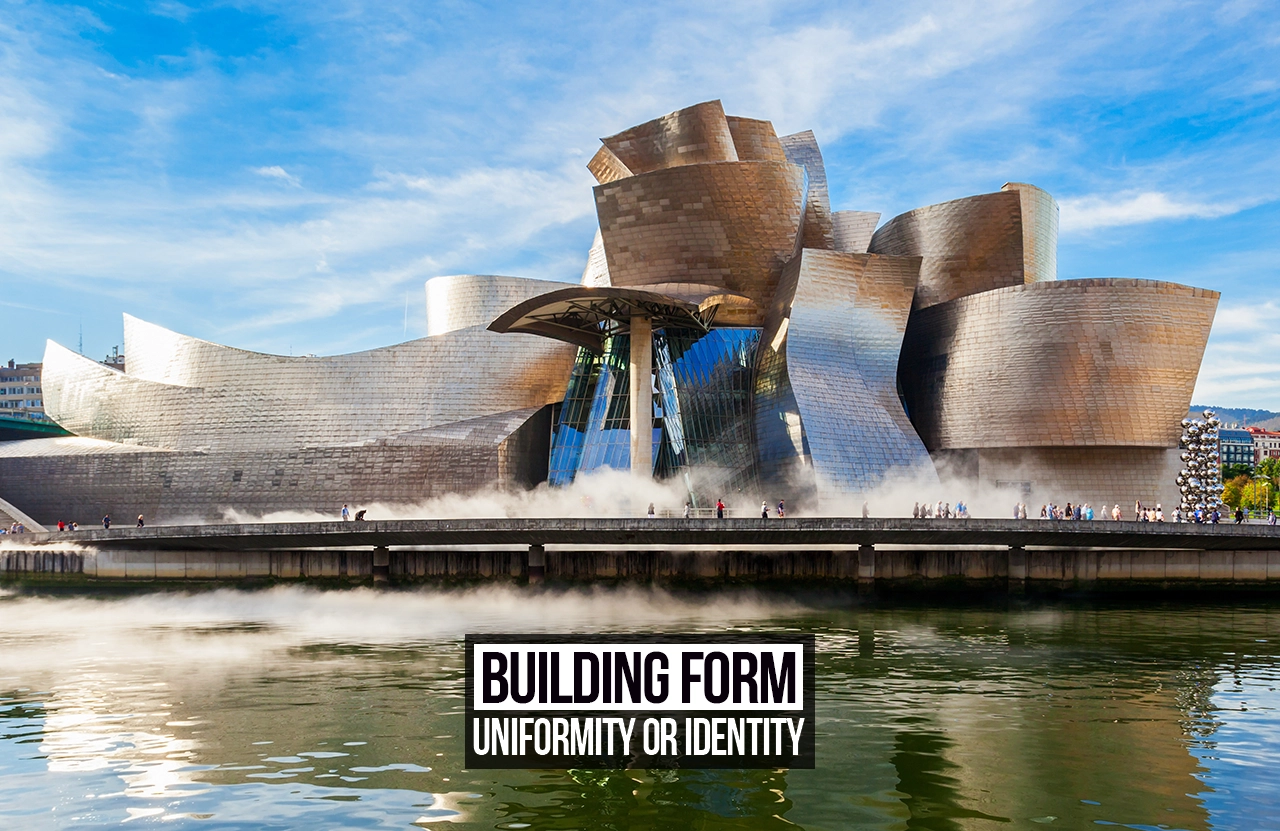
What does a building have to do to stand out- change its appearance? As simple as that sounds, a lot of effort goes into the process of creating that one iconic building. Iconic buildings explore different elements or features to distinguish themselves from the collective tagging. They have specific symbolic meaning, aesthetic significance, and a meaningful relationship with the place and the people (Elhagla, Nassar, and Ragheb, 2020). The Guggenheim Museum in Bilbao revitalised the city by promoting urban redevelopment and economic growth, a phenomenon now referred to as the “Bilbao effect” (Elhagla, Nassar, and Ragheb, 2020). An iconic building can become the talk of the city, thus attracting more crowds.
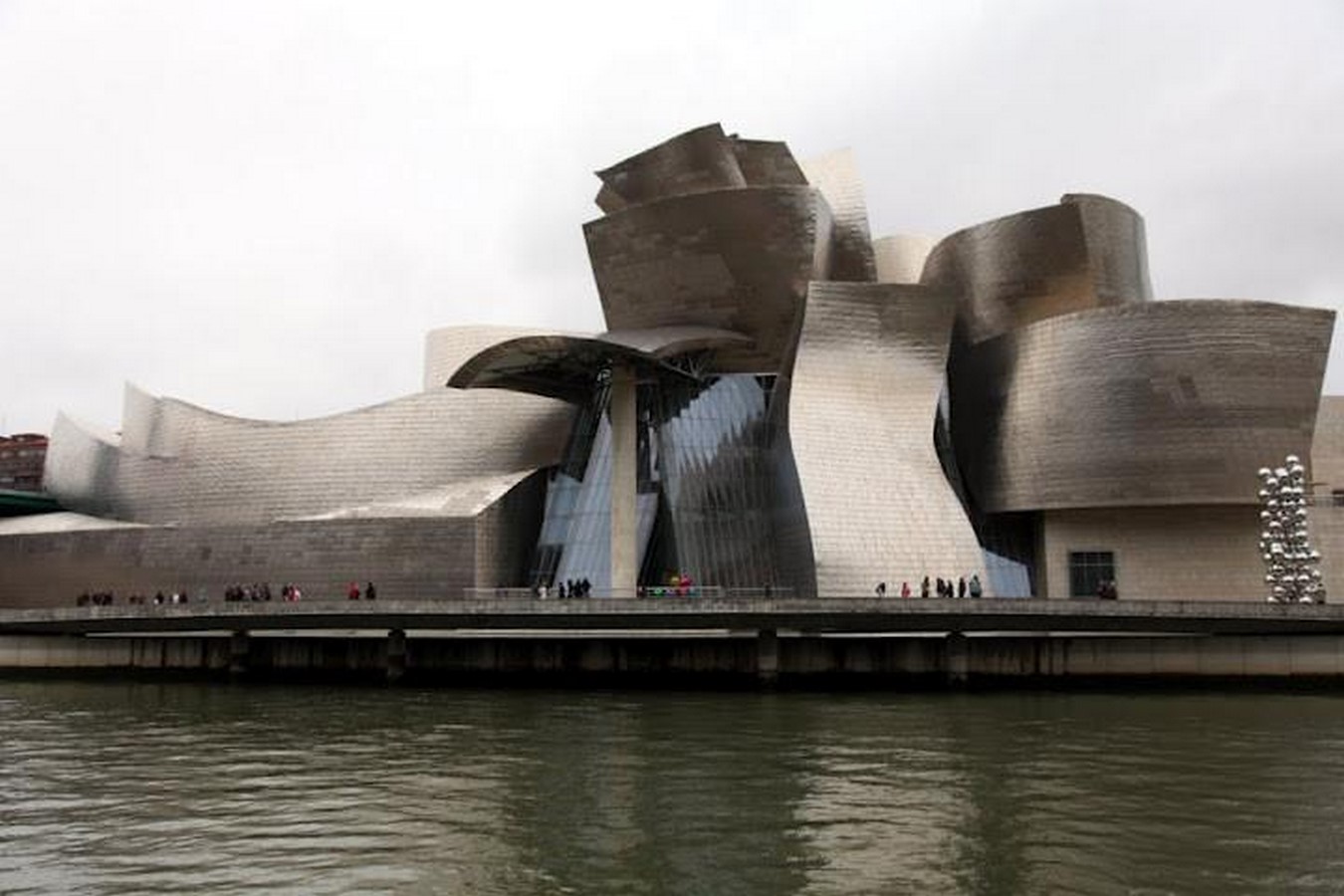
Whether it is the organic form of the building envelope or the shrapnel of glass at the apex, the building will become the talk of the region. Including one or two distinctive features, tied together with the overall form of the building, ensures harmonious designs. With several constraints, it is difficult for every architect to design a building that stands out. If that were the case, then the skylines would be a collage of artistic buildings. Sometimes, norms and regulations are required to ensure uniformity and a shared language.
References:
- Dhiksha, K. & Muppidathi, A. (2024) Cultural and Regional Influences on Aesthetic and Functional Architecture. International Journal of Architecture, 10(Dhiksha and Muppidathi, 2024), pp.1–46. Available at: https://www.academia.edu/116125349/CULTURAL_AND_REGIONAL_INFLUENCES_ON_AESTHETIC_AND_FUNCTIONAL_ARCHITECTURE
- Elhagla, K., Nassar, D. M., and Ragheb, M. A., 2020. Iconic buildings’ contribution to urbanism. Alexandria Engineering Journal, 59(2), pp.803–813. doi: 10.1016/j.aej.2020.01.020.
- Musiał, R. (2025). Practical importance of the shape of a tall building in the city space. Available at: https://www.researchgate.net/publication/358623018_Practical_importance_of_the_shape_of_a_tall_building_in_the_city_space
- Okur, Y. & Karakoç, E. (2019). Interactive Architecture: The Case Studies on Designing Media Façades. XXII Generative Art International Conference – GA2019, December 2019. Available at: https://www.researchgate.net/publication/338209606_Interactive_Architecture_The_Case_Studies_on_Designing_Media_Facades
- Petrović, V., Krstić, H. & Stoiljković, B. (2025) Cookie-Cutter Suburbs or Is the Copy-Paste Housing Really Human? Proceedings of ICUP 2025, Niš, Serbia. Available at: https://www.researchgate.net/publication/391010642_COOKIE-CUTTER_SUBURBS_OR_IS_THE_COPY-PASTE_HOUSING_REALLY_HUMAN
Image References:
- Architectural Digest India, 2023. Himachal Pradesh Kath Kuni architecture [online image], 11 April. Available at: https://assets.architecturaldigest.in/photos/6008392d54beb9e516da84c3/master/w_1600,c_limit/Himachal-Pradesh-Kath-Kuni-architecture-1.jpg
- ArchDaily, 2011. AD Classics: Petronas Towers / Cesar Pelli [online image]. Available at: https://www.archdaily.com/105895/ad-classics-petronas-towers-cesar-pelli/5037fbc528ba0d599b000797-ad-classics-petronas-towers-cesar-pelli-photo
- ArchDaily, 2013. AD Classics: The Guggenheim Museum Bilbao / Gehry Partners [online image]. Available at: https://www.archdaily.com/422470/ad-classics-the-guggenheim-museum-bilbao-frank-gehry/521fa052e8e44eb94a000034-ad-classics-the-guggenheim-museum-bilbao-frank-gehry-photo

houses in the hills made of stone and wood_© Architectural Digest India 
Petronas Twin Towers_© ArchDaily 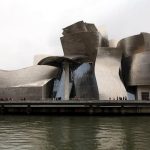
Guggenheim Museum in Bilbao_© ArchDaily