Yichun Lui’s Urban Philosophy
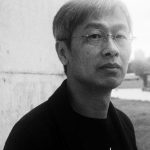
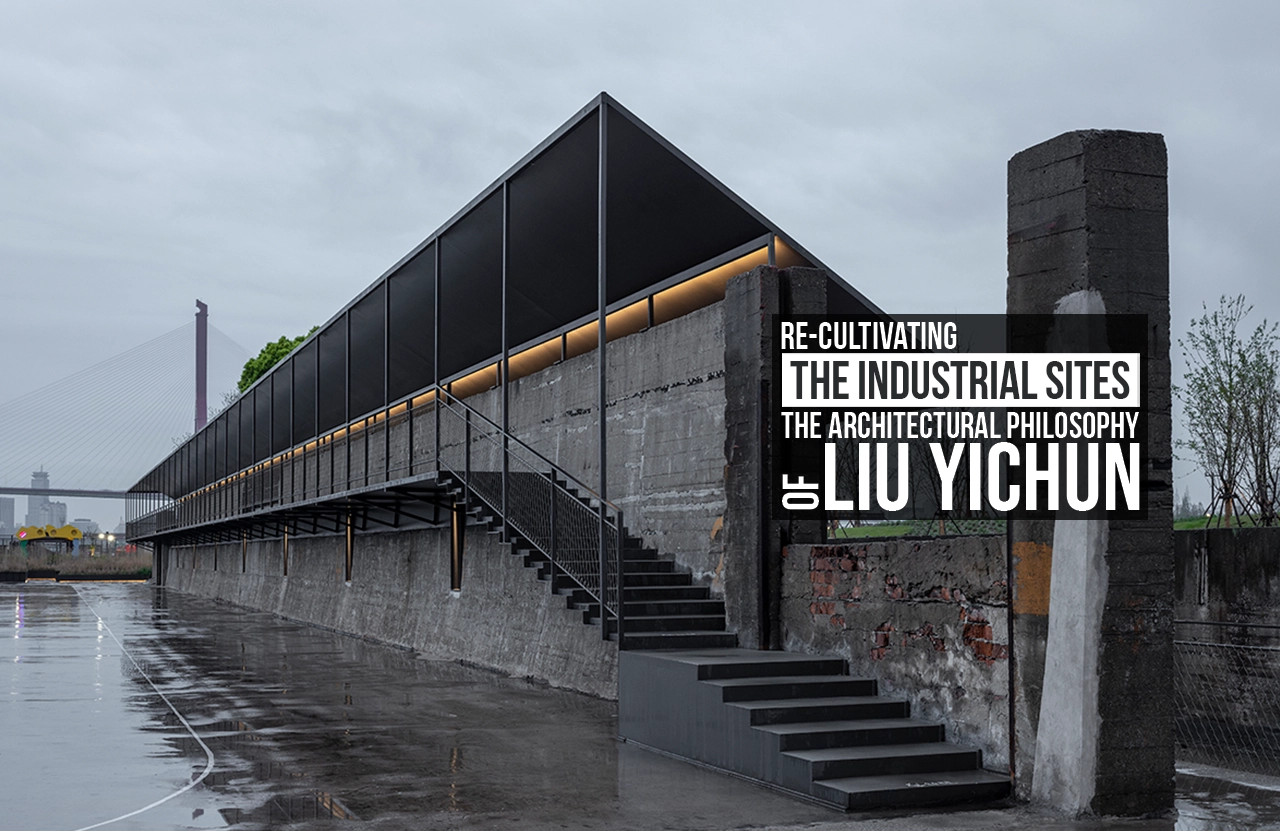
Architect Yichun Lui’s approach to urban development is a reflective and restorative process, as the principal architect of the Shanghai-based Atelier Deshaus. The studio has become widely recognised for its thoughtful and context-sensitive response to the evolving urban condition of contemporary China. Yichun proposes a methodology of “re-cultivating industrial fragments”. In which abandoned infrastructure is not treated as an object to be erased but as constructed shapes of time that anchor collective memory and public life. His work becomes a way of healing, mending the relationship between people, place, and time.
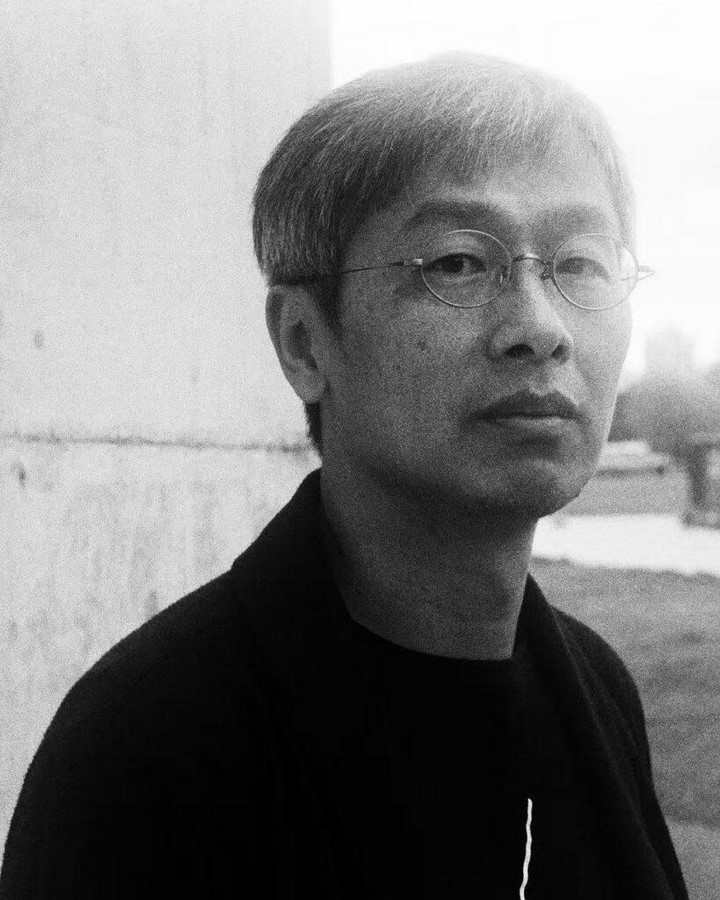
In rapidly evolving cities like Shanghai, that is Yichun says, “Memory is often the source of tranquillity”, where the act of preserving traces of what came before, like an old column, a path of brick, or perhaps a standing wall, creates remnants for the past that people can hold on to. Through his projects like the Long Museum West Bound and the Shanghai Modern Art Museum, Lui shows how the “industrial scar” can be transformed into a cultural metaphor, bridging the gap between “historical objects for memory “and contemporary spaces for people.
Industrial Ruins as Urban Archives
Yichun Lui believes that architecture can contribute to history, landscape, and civic energy by preserving and interpreting the built environment rather than erasing it. He observes that when an industrial structure enters a “suspended state of meaning”, when it no longer serves the original purpose. At this stage, rather than designing for a specific function first, he approaches it through the idea called “value beyond use”. This allows the industrial structure to be stripped of its utilitarian purpose. After neutralising the ruin, Lui Yichun adds flesh to this skeleton in the form of contemporary function. He believes that preservation of industrial elements cannot be described as an aesthetic choice alone; they are also a vessel of shared memory that allows the past and present to coexist.
Industrial structures are shaped by the processes they once facilitated and by preserving a site’s production memory by retaining the industrial object, Yichun ensures that the site’s memory remains legible even after the machinery is gone. For example, the dimension of a coal loading bridge reflects the scale of the train compartments it served, leaving a physical scar of that process within the structural skeletons. This approach is embodied in the concept of “volumetric logic”.
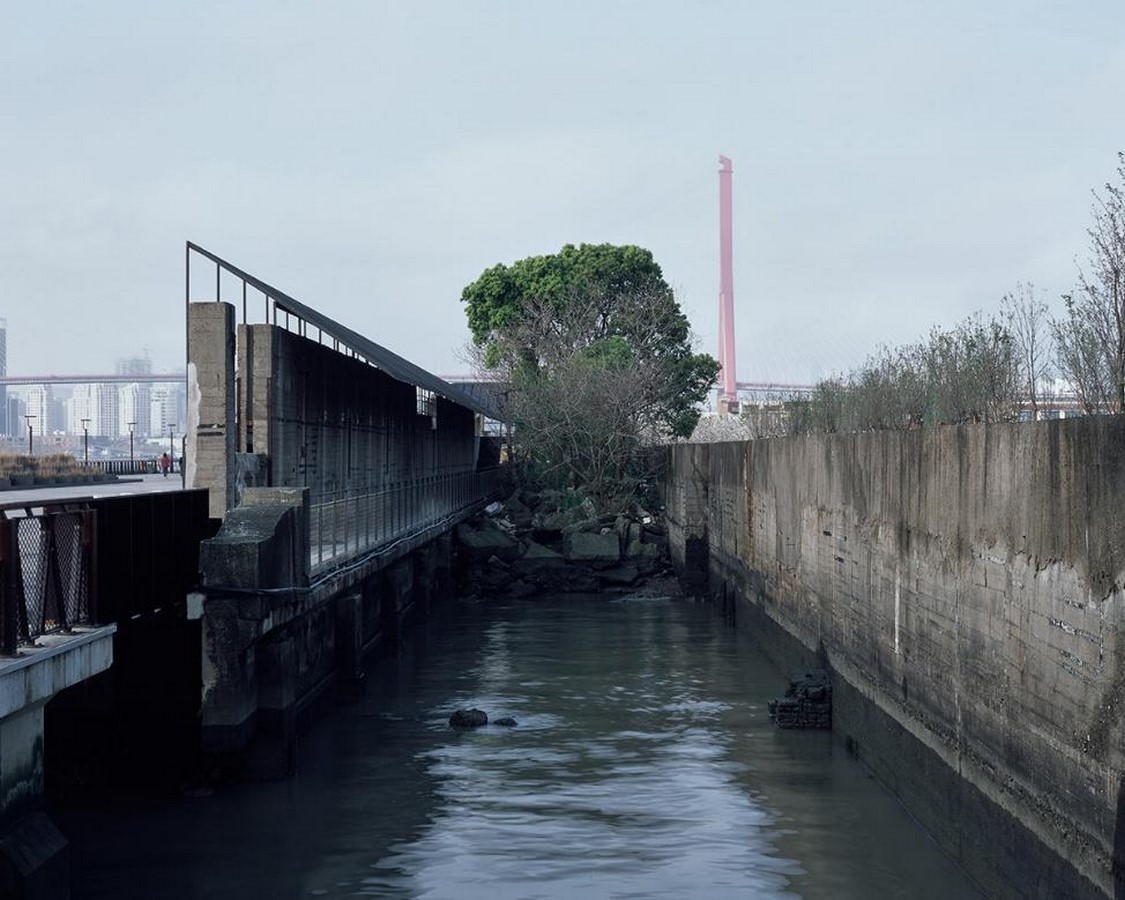
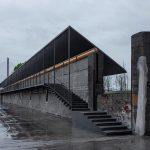
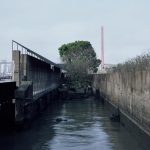
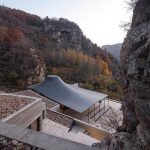
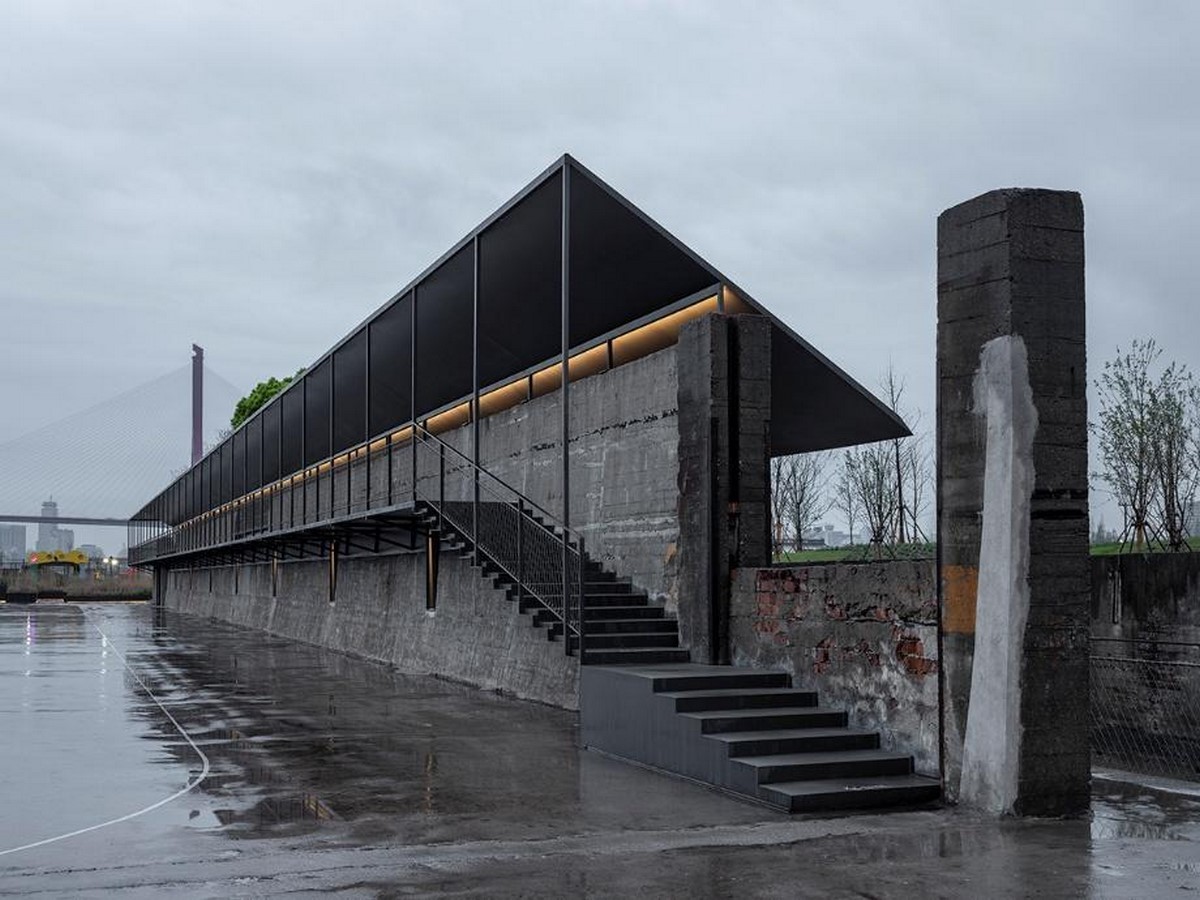
Yichun approached The Riverside Passage through “volumetric logic”. The wall wasn’t a mere obstruction, so instead of demolishing the wall or building a detached structure. He uses the existing concrete wall as a physical and conceptual platform. The project elevates the site’s status of the industrial ruin into a contemporary metropolitan culture. By treating a neglected 90-meter-long concrete wall, the project bridges the gap between the site’s historical identity as a coal-unloading terminal and its new life as a vibrant public common.
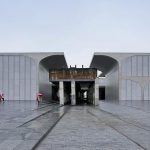
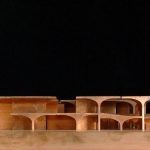
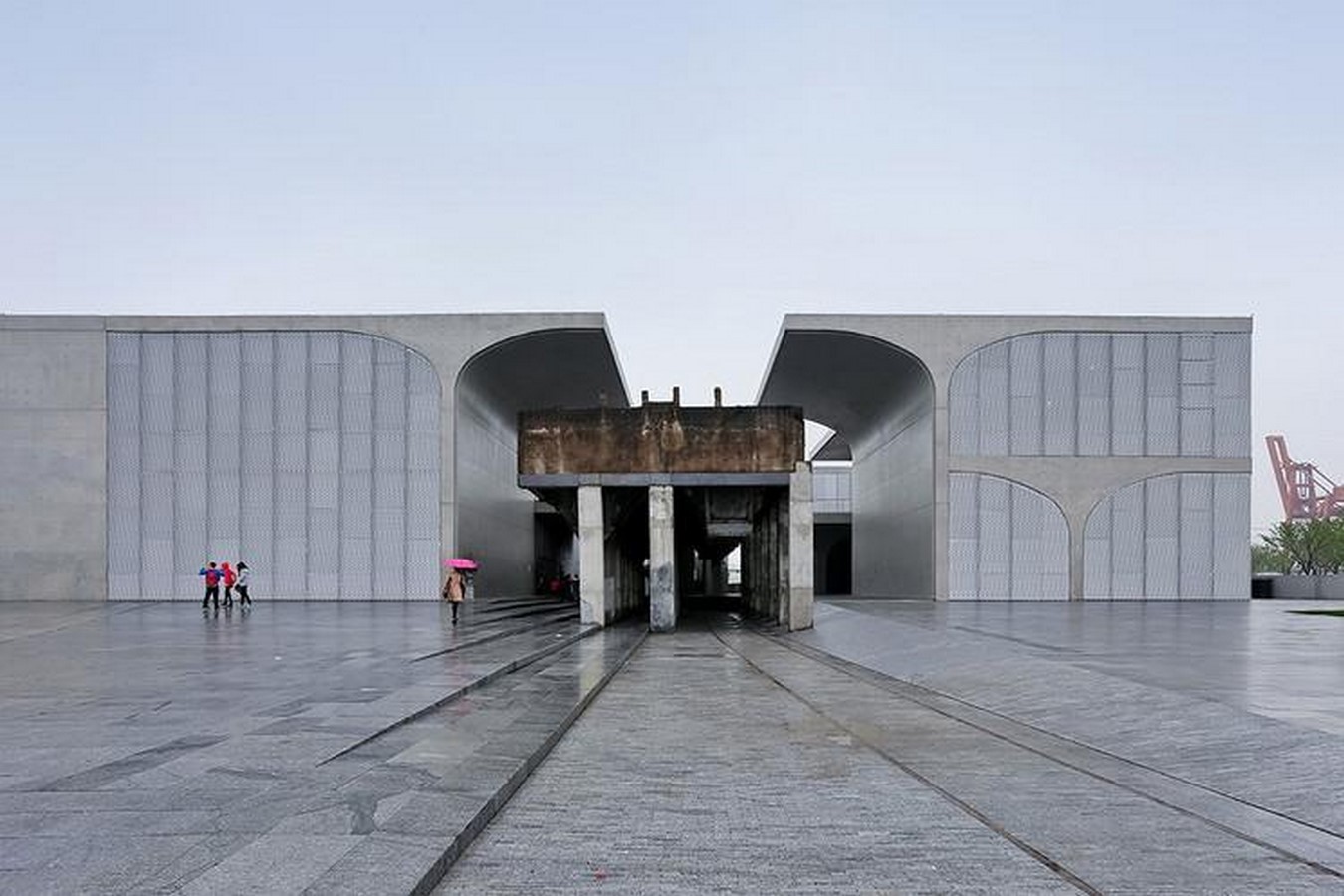
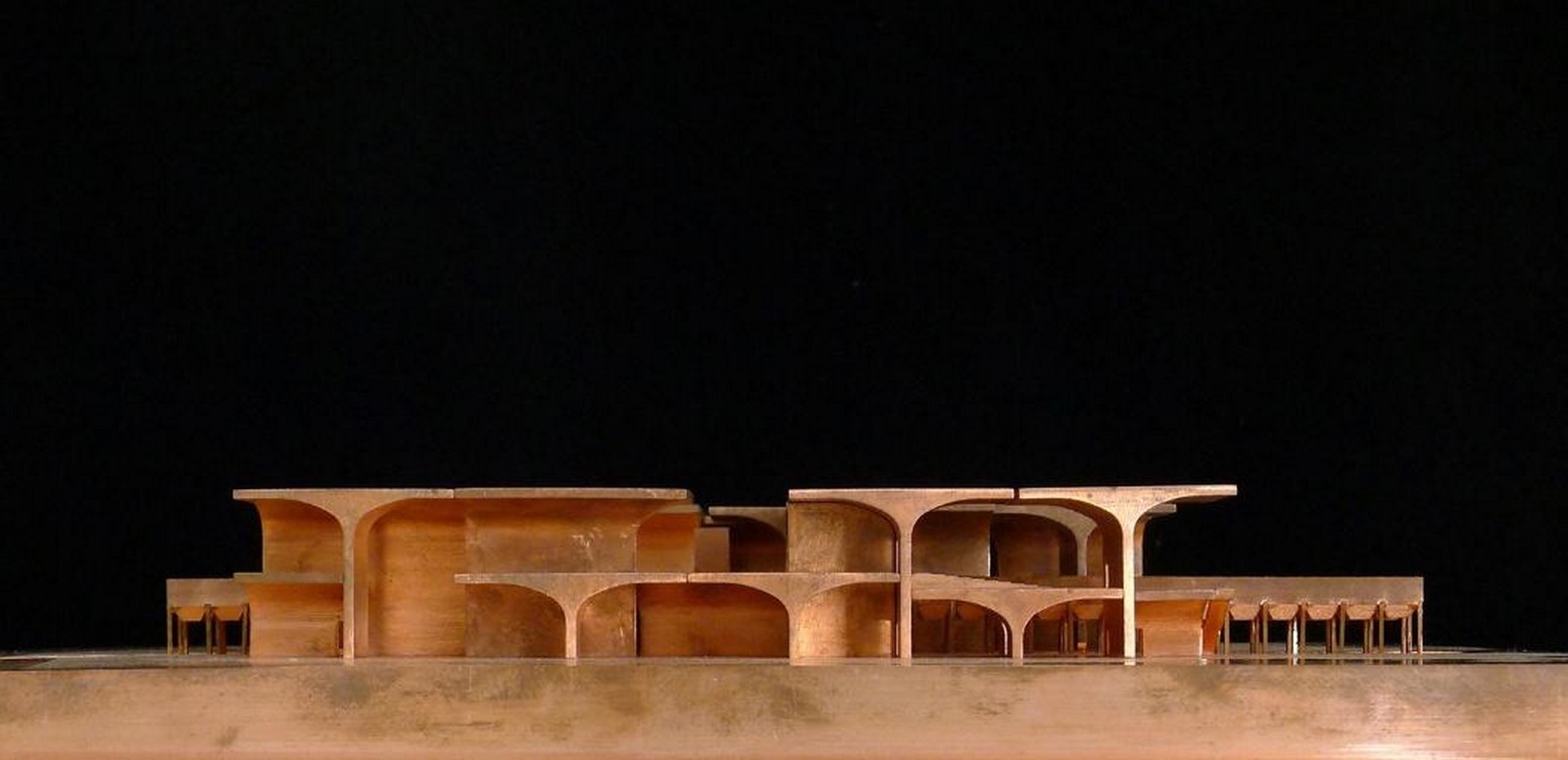
The Long Museum in the West Bund is a widely acclaimed work of Yichun Lui. Reimaging a 1929 coal-loading wharf situated along the Huangpu River in Shanghai. The industrial heritage of the site is celebrated by preserving the 1950s coal -hopper unloading bridge. Yichun has rejected the traditional museum model of a room-to-room sequence. Instead, he designed vault umbrellas that rise from the existing basement column grid to form the roof, as he desired an order that emerges naturally from within. The massive concrete shells rise like inverted funnels, filtering light through the curved roof. Here, engineering and atmosphere are inseparable; structure itself becomes the narrative. Yichun’s design process often involves temporal reweaving, where he interlocks new, contemporary structures with old frames to form a new hole in the urban fabric. The museum has won the Architecture Review Award for Emerging Architecture, the AIA China Honour Award, and the ARCASIA Gold Medal
Recultivating The Future The Future From The Past
While Yichun’s work is technically sophisticated, it is deeply rooted in a strong ethos of supporting public welfare. These ordinary industrial components are a significant witness of Shanghai industrial civilization. By identifying these elements as a cherished fragment (or Jiguang), lead to a mov beyond dimple preservation toward a strategic re-activation of the site’s industrial scar. By transforming industrial zones into shared public spaces like parks, museum through this activation, he ensures that these “objects for memory” are active participants in modern life. His works prove that if the industrial fragments of the past can remain vital anchors for the future city, then integration of history prevents the city from returning to a state of decay. Architecture can withstand the catastrophe of nature” by becoming “hunted by meaning and culture”.
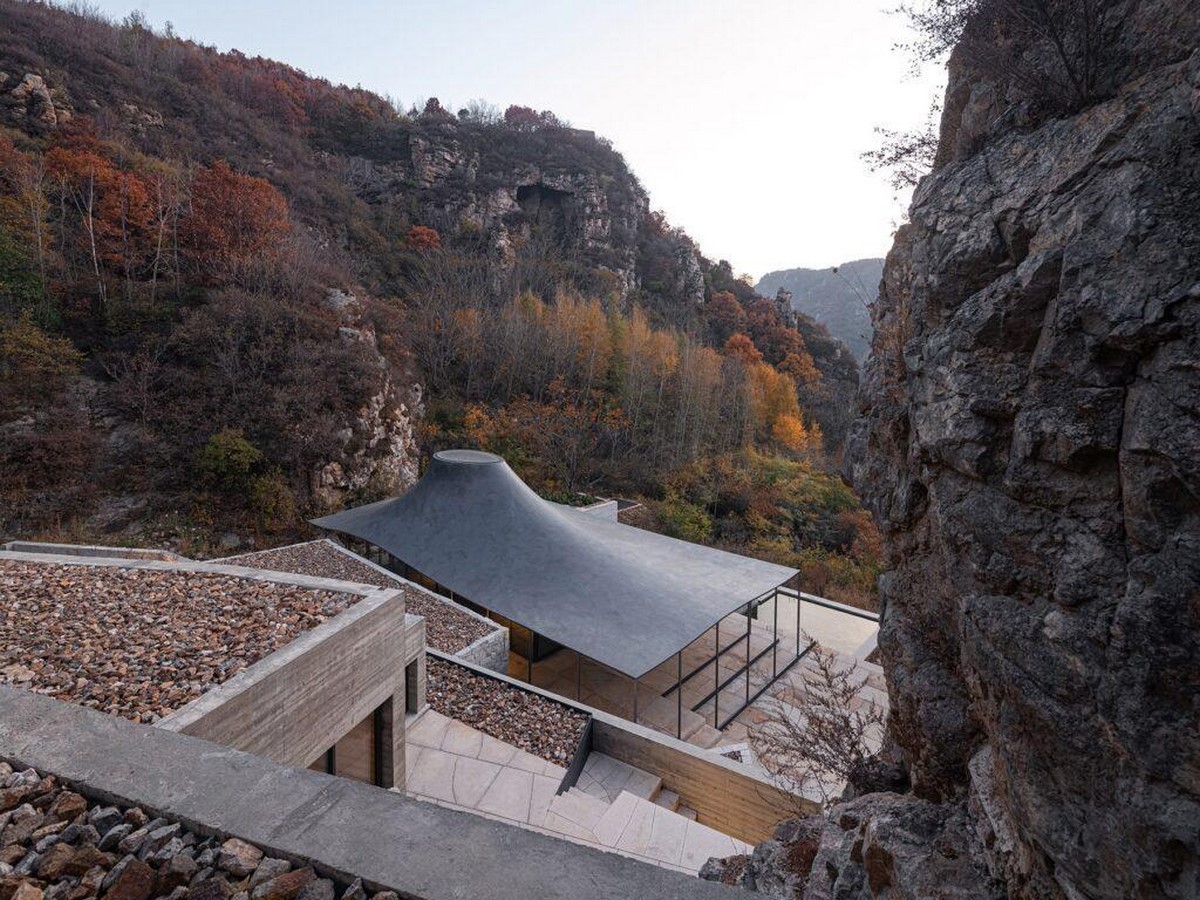
Yichun’s philosophy also challenges the conventional notion of progress. Against the shifting skyline of Shanghai, Yichun’s decision to preserve fragments of the old industrial city feels radical. Advancement does not require erasure; it requires integration. By re-cultivating industrial sites, he restores continuity between people, place and time. When you look into Yichun’s work, a pattern emerges; each project is approached with a sensitivity of a dialogue, respecting what is already there. Yichun treats creation as a continuous act of translation, from transforming a silo into an art centre or a waterworks to a bookstore. History is not frozen, but actively reimagined with contemporary life
Reference
Chinese-Architects. (2016). Atelier Deshaus – Shanghai, China – Architects -. [online] Available at: https://www.chinese-architects.com/atelier-deshaus-shanghai [Accessed 21 Feb. 2026].
Harvard GSD (2025). Kenzō Tange Lecture: Yichun Liu, ‘Re-Cultivating Industrial Sites: The Constructed Shapes of Time’. [online] YouTube. Available at: https://www.youtube.com/watch?v=IJ5lilxtI-o.
Curatorial Project (2024). Interview with Liu Yichun & Chen Yifeng. [online] YouTube. Available at: https://www.youtube.com/watch?v=khkpkP-BpT0 [Accessed 21 Feb. 2026].
Harvard GSD (2016). Liu Yichun, ‘Structure Matters’. [online] YouTube. Available at: https://www.youtube.com/watch?v=iHzzNWxXe3A [Accessed 21 Feb. 2026].
Rethinking The Future (2022). Riverside Passage By Atelier Deshaus. [online] RTF | Rethinking The Future. Available at: https://www.re-thinkingthefuture.com/public-building/6393-riverside-passage-by-atelier-deshaus/#google_vignette [Accessed 21 Feb. 2026].
Perspectives in Architecture and Urbanism (2025). Xinggang Li, ‘Density and Emptiness’. [online] YouTube. Available at: https://www.youtube.com/watch?v=5vojpUpk9KM [Accessed 21 Feb. 2026].
Harvard Graduate School of Design. (2026). Yichun Liu. [online] Available at: https://www.gsd.harvard.edu/person/yichun-liu/ [Accessed 21 Feb. 2026].
Perspectives in Architecture and Urbanism (2025). Yichun Liu, ‘Re-cultivating Industrial Fragments’. [online] YouTube. Available at: https://www.youtube.com/watch?v=KRYN0Szc_1c [Accessed 21 Feb. 2026].
Tongji.edu.cn. (2026). LIU Yichun, CHEN Yifeng. [online] Available at: https://caup.tongji.edu.cn/caupen/c1/71/c11052a115057/page.htm [Accessed 21 Feb. 2026].
Westbund.com. (2021). 西岸 | WEST BUND. [online] Available at: https://www.westbund.com/en/index/KEY-PROJECTS/detail_aa8Ec.html?utm_source=chatgpt.com [Accessed 21 Feb. 2026].
Images:
gsd.harvard.edu. (n.d.). Yichun Lui [Photograph-1] Available at : https://www.gsd.harvard.edu/person/yichun-liu/
Archdaily. (n.d.). Riverside Passage [Photograph-2] Available at : https://www.archdaily.com/981832/riverside-passage-atelier-deshaus
Archdaily. (n.d.). Riverside Passage [Photograph-3] Available at : https://www.archdaily.com/981832/riverside-passage-atelier-deshaus
Archdaily. (n.d.). The Long Museum at West Bund [Photograph-4] Available at : https://www.archdaily.com/554661/long-museum-west-bund-atelier-deshaus
Archdaily. (n.d.). The Long Museum at West Bund [Photograph-5] Available at : https://www.archdaily.com/554661/long-museum-west-bund-atelier-deshaus
gsd.harvard.edu. (n.d.). Upper Cloister [Photograph-6] Available at : https://www.gsd.harvard.edu/person/yichun-liu/