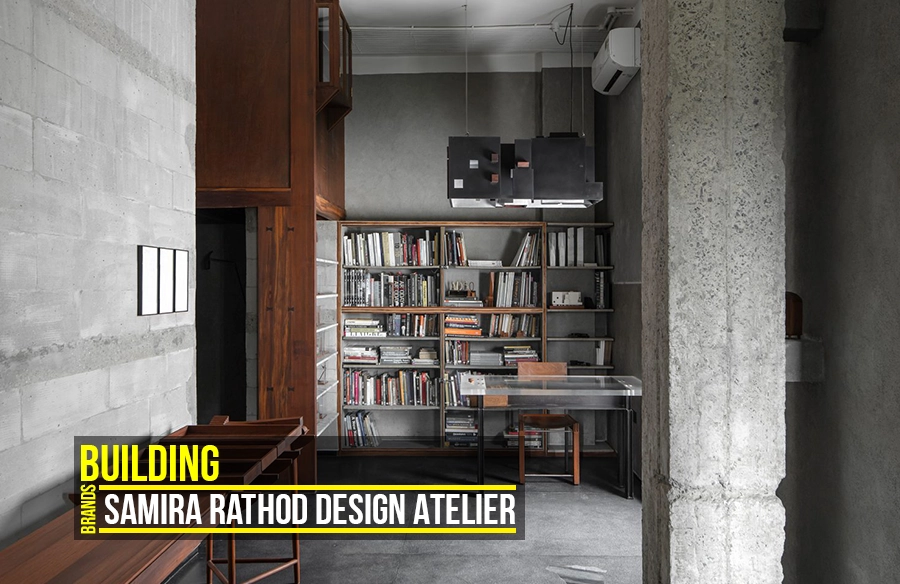
The present image-driven architectural culture doesn’t allow the brand identity to just be a superficial layer over the top of design; it is now an integral part of practice, process, and philosophy. The most impressive studios do not merely create buildings, but build worlds that individuals can recognise. The case of Samira Rathod Design Atelier provides a very informative example in this framework. The practice serves as an illustration of how a clear design language with its material conviction and strategic position can make an architectural studio turn out to be a unique and memorable brand. This article explores how Samira Rathod Design Atelier has been able to define its identity, manage realities of the market and position itself with the current discourse without compromising intellectually.
Origin and Foundational Ethos
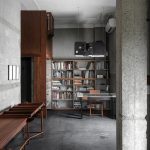
Samira Rathod, who works in Mumbai, establishes her atelier with an attempt to concentrate on material study and explore space in a distinctive manner. Instead of following popular moments in styles or trends in the market, the studio placed itself on the concept of architecture as a constructed experience. The raw materials used in initial projects, such as the exposed bricks and concrete stones, were not just considered as neutral construction materials, but as agents of expression.
This type of decision addresses the functional as well as the aesthetic aspect. Samira Rathod Design Atelier succeeded in establishing a difference between glass-covered corporate modernism and decorative historicism by foregrounding tactile materiality and artisanal sense. Instead of mass production, the designs are created to showcase process, experimentation, authorship, and working within the limits of small-scale production.
Brand Identity and Design Language
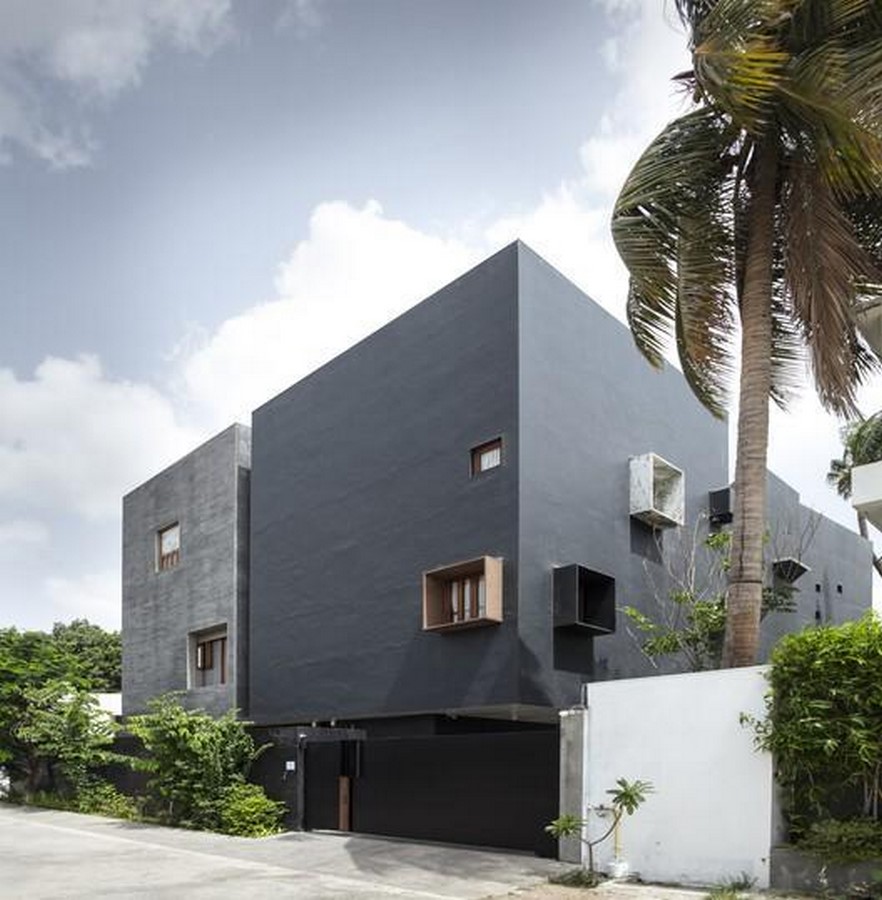
The coherence of the architectural vocabulary can be seen as the factor that makes Samira Rathod Design Atelier recognisable. Sculptural geometries, overlaid thresholds, highly articulated walls and carefully developed stages of light and shadow can often be seen in the projects. The architecture feels sculpted as opposed to having been assembled. When one works with such an approach, the refinement rather than just repetitions can be seen in every project. Gradually, this visual and spatial language has acquired connotation with the name of the studio.
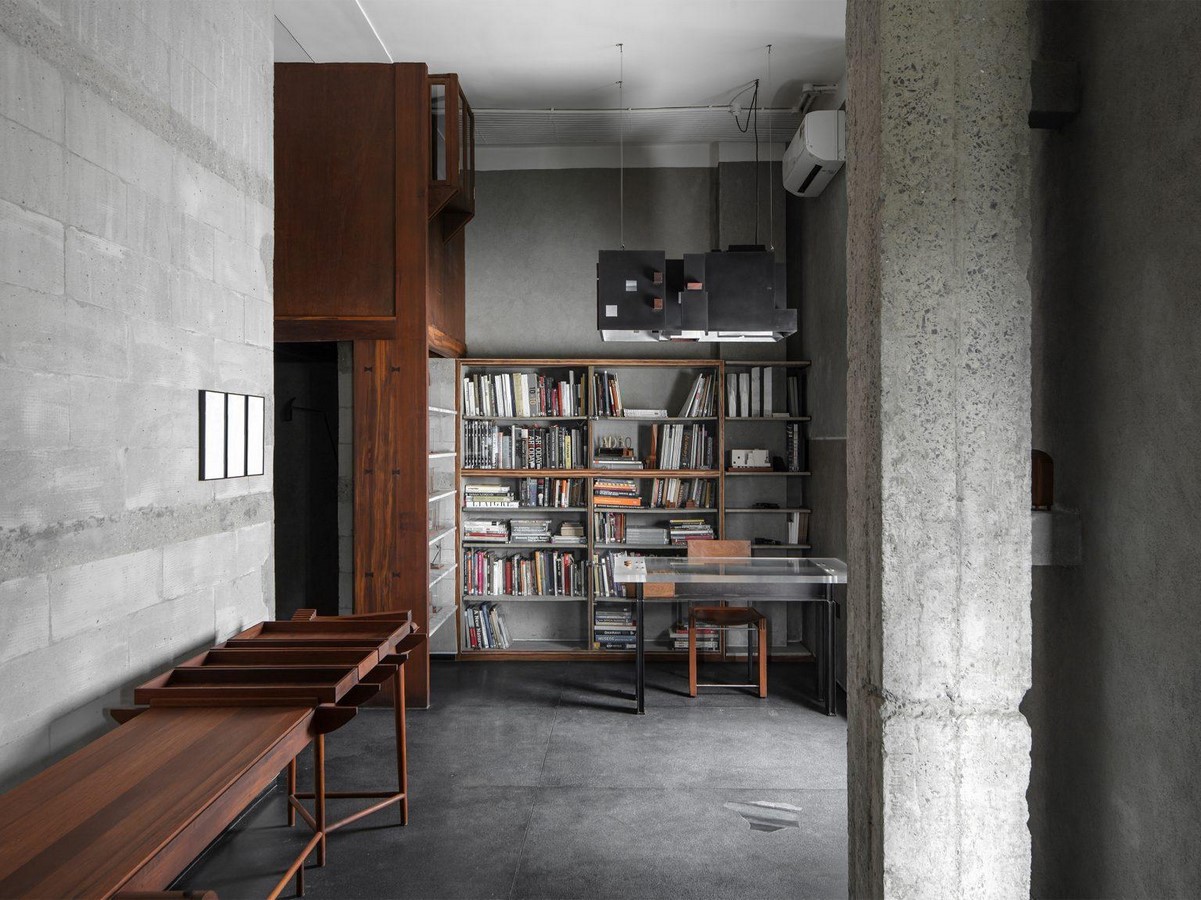
The principle of brand identity in design functions by accrual. Any given project accomplished reaffirms associations into the minds of the people. The use of a recurrent palette of exposed materials and controlled formal gestures has a cumulative signature in the case of Samira Rathod Design Atelier. Clients as well as critics begin to anticipate some degree of depth, solidity, and sensory intensity. When it comes to branding, recognition is converted into trust.
It is also important how the studio opposes the superficial change of aesthetics. The atelier has developed continuity, unlike following the short-lived styles. This action helps increase credibility. Consistency in a discipline where visual novelty is likely to occur is a sign of intellectual seriousness.
Market Positioning and Strategic Visibility
Buildings are not the only way to create the architectural brand; rather, it is reinforced through the use of communication. Samira Rathod Design Atelier has benefited from strategic presence in the design publications, thoughtfully organised exhibitions, and award programmes. This presence enables the practice to be both in the local and international limelight.
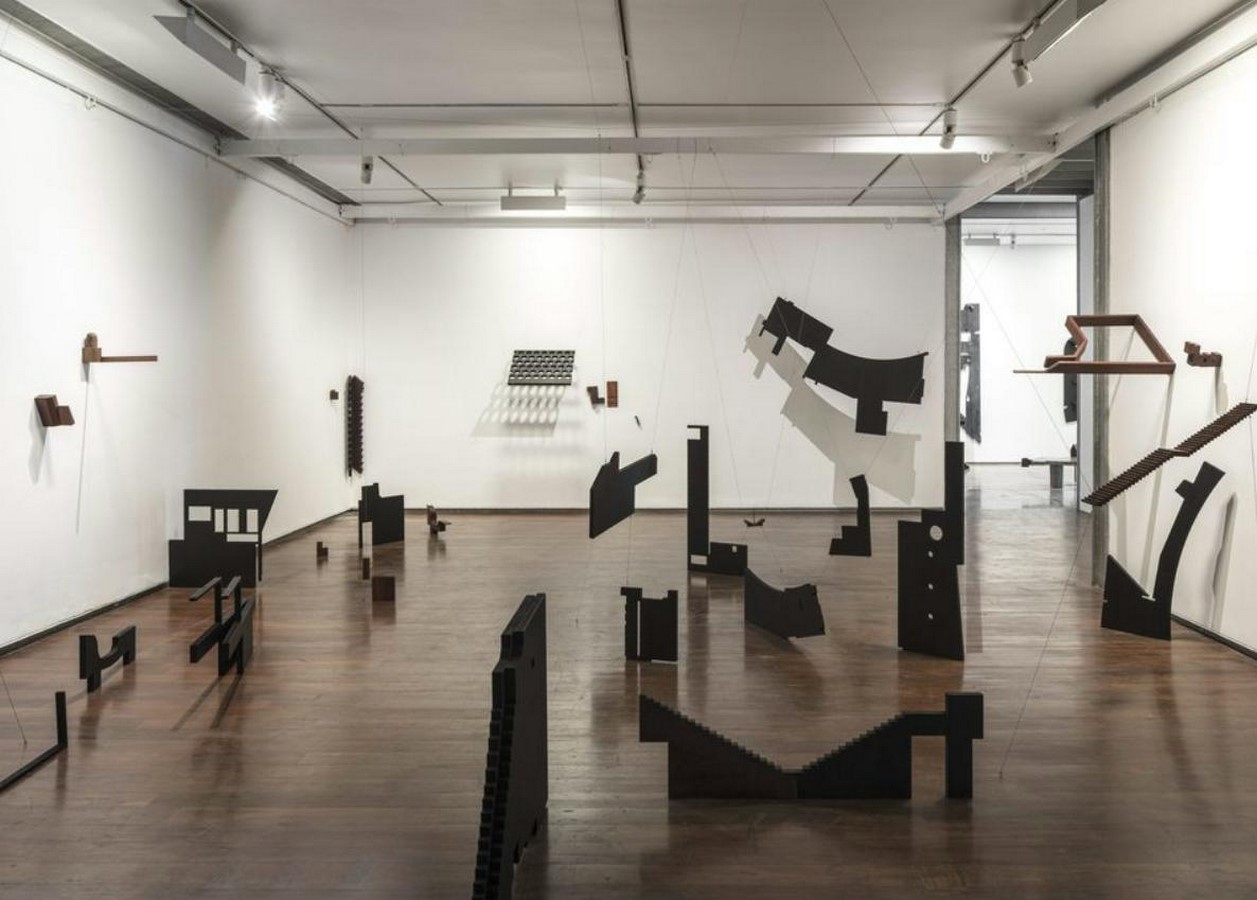
Notably, the projects of the atelier photograph potently. Good material contrasts and sculptural formations are well translated to the visual media. This is a trait that cannot be underestimated in a world where architecture is circulated quickly by means of digital media. Brand memorability is enhanced with the help of visual coherence. The practice has been largely in the residential and bespoke placements in high-end markets. The exclusivity and creative monopoly are reinforced by this discriminatory position. This may make it look smaller, but it still retains authorship. The brand, thus, strategically characterises itself profoundly as opposed to mass production.
Adapting to Contemporary Trends
There is no such thing as a successful brand outside the cultural currents. The works of Samira Rathod Design Atelier are discussed in a positive way with themes that determine the contemporary architecture discourse – sustainability, revival of craft, and context. The emphasis on local material and methods of construction fits well with the narrative of sustainability, though it may not be viewed as a branding solution.
The sincerity of the materials in the atelier is a formidable initiative at an age where authenticity is highly cherished. Exposed bricks and hand-finished surfaces created by the artisans are the symbols of standardisation of design with timelessness and integrity as opposed to the use of manufactured surfaces. In such fusion with increased tendencies, a wiser perspective or rather philosophically realised, is something that makes the identity no less relevant.
Limitations and Development of Architecture
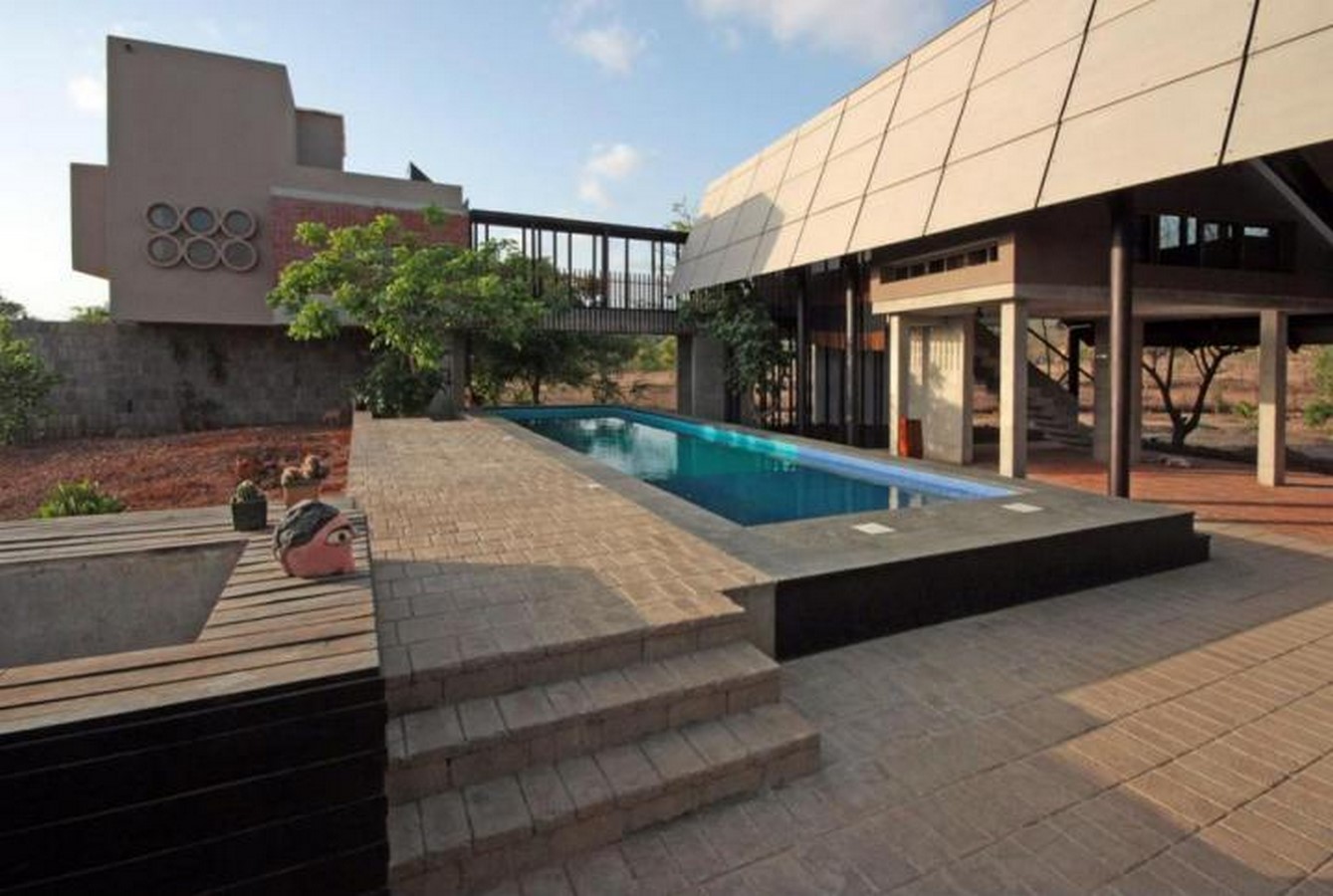
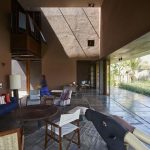
Samira Rathod Atelier bases its architectural identity on responsiveness to climate and richness of choice of materials, supporting the architectural identity in projects such as the Broacha House and the Shadow House. The consistent philosophy of a space is created in the outdoor rooms designed to be ventilated naturally, the courtyards designed to bring in light, and the walls that are treated like a living mass. It is these repetitive strategies, not the aesthetic on the surface, that define a recognisable language of the studio.
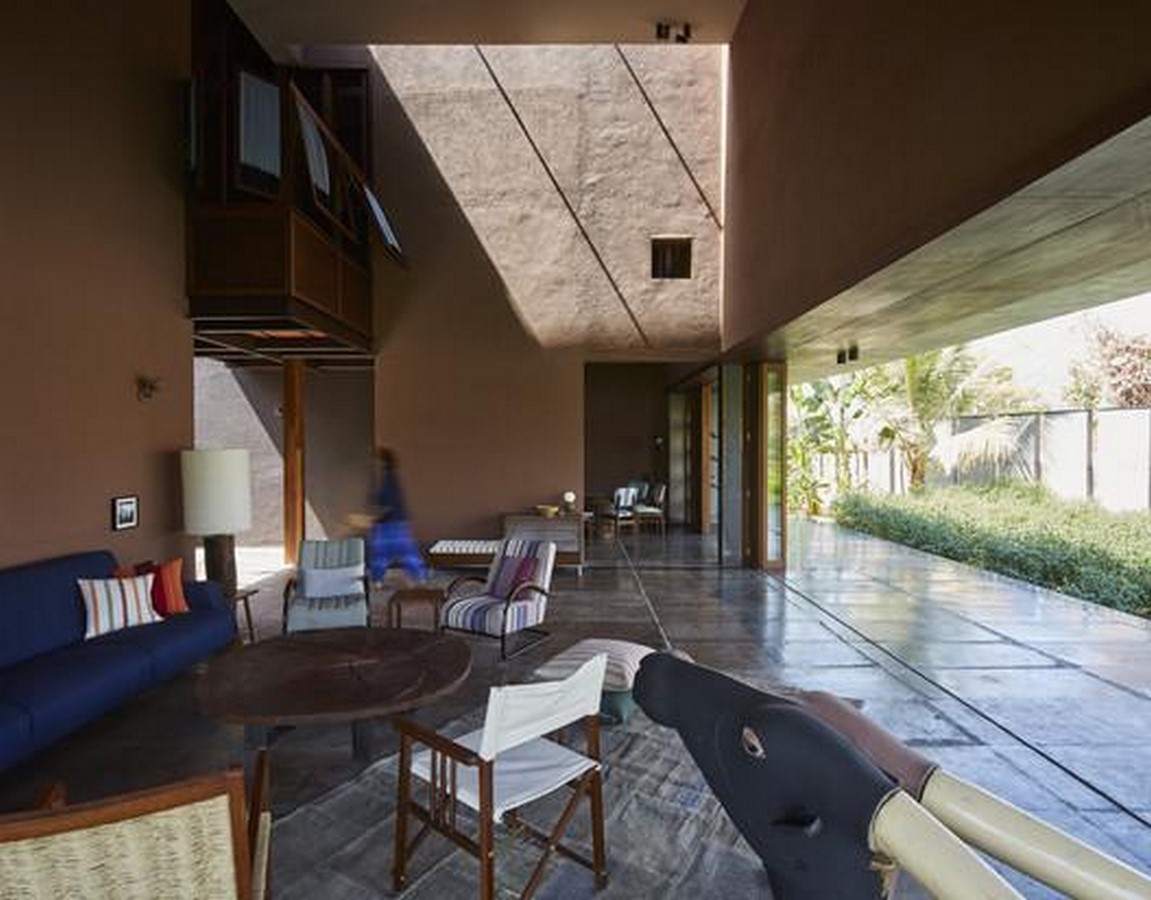
This rigour requires skilled craftsmanship, attention to detail, and the constant involvement on the site, which restricts the effect of the scale. But it is this limitation that makes authorship stronger. Evolution takes place not by the stylish departure, but by successively more subtle expressions of mass, shadows, and environmental reasoning. The identity that is built as an actual reality through continuity in projects is not a marketing fabrication.
One can see through the example of Samira Rathod Design Atelier that the architectural difference is achieved by the disciplined questioning of a space. The practice has formed an established existence of the current Indian architecture due to the exploration of climate, craft, and constructed mass. The originality is not imposed but attained by the repetition and refinement of the architectural purpose with time.
References:
- Re-thinking The Future (RTF). “15 Projects by Samira Rathod”, Available at – https://www.re-thinkingthefuture.com/know-your-architects/a630-15-projects-by-samira-rathod/#google_vignette
- Samira Rathod Design Atelier. Official Website, Available at – https://srda.co/
- Archhello._The Broacha Residence / Samira Rathod Design Atelier, Available at – https://archello.com/project/the-broacha-residence
- ArchDaily._The Shadow House / Samira Rathod Design Atelier, Available at – https://www.archdaily.com/871479/the-shadow-house-samira-rathod-design-associates
- Frampton, K. (1983). “Towards a Critical Regionalism: Six Points for an Architecture of Resistance, Available at – https://modernindenver.com/wp-content/uploads/2015/08/Frampton.pdf