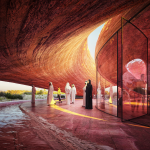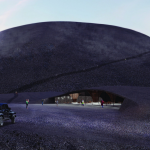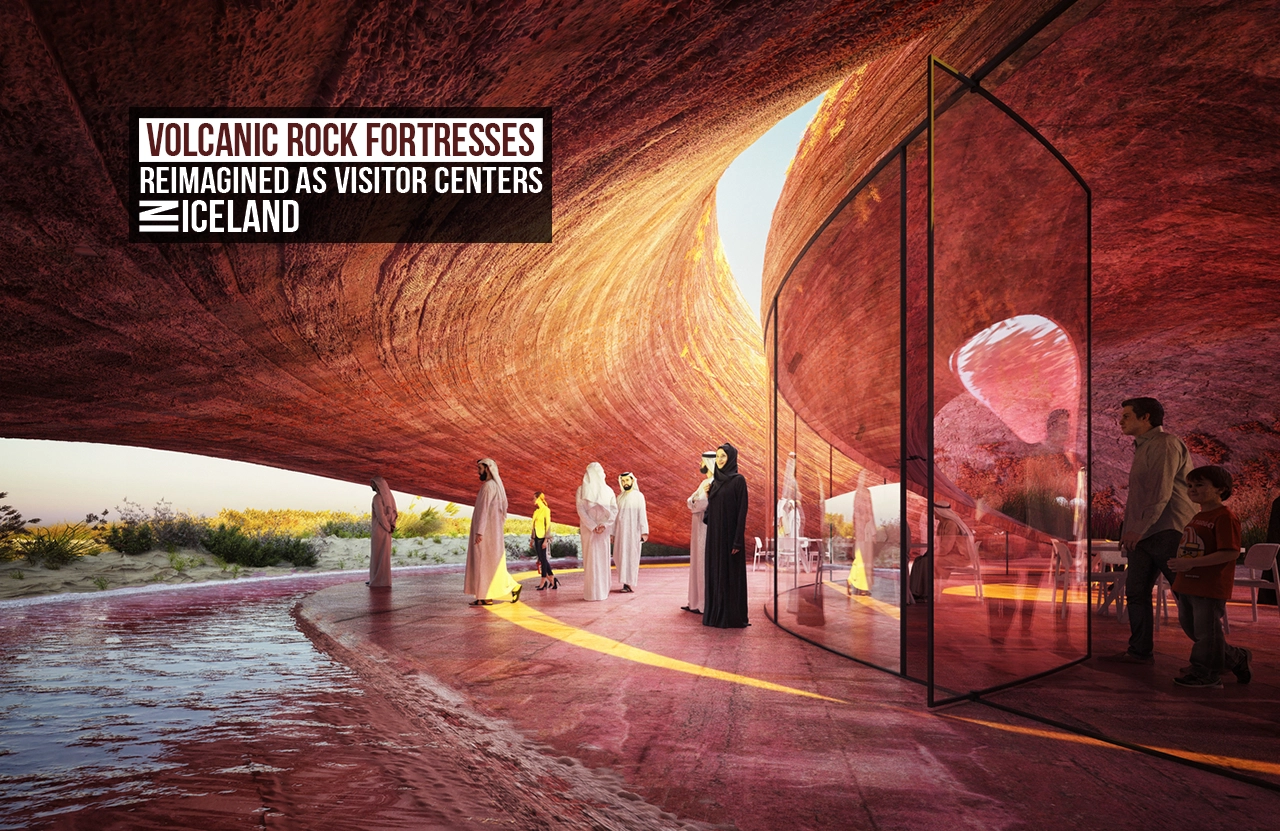
Iceland is a land that does not negotiate. Its terrain is shaped by volcanic eruptions, glacial movement, and tectonic pressure, producing landscapes that feel more primordial than picturesque. Lava fields stretch endlessly, cliffs fracture with quiet violence, and the ground itself appears restless. In such an environment, architecture cannot afford to be ornamental or detached. It must respond with gravity. Contemporary visitor centers in Iceland increasingly do so by reimagining themselves as volcanic rock fortresses, buildings that feel less constructed and more unearthed.
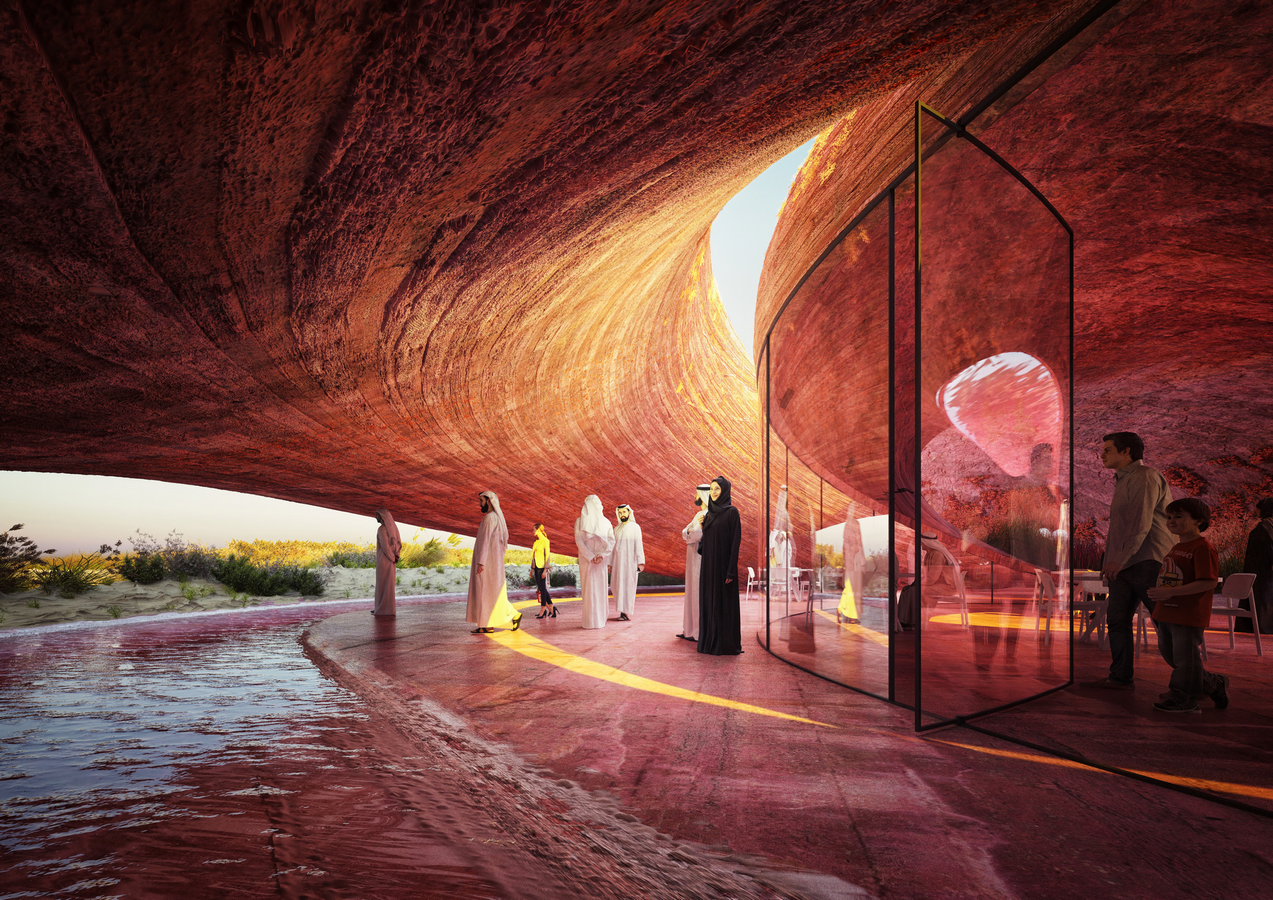
These structures are not fortresses in the traditional sense of defense or conquest. Instead, they reinterpret the fortress as a place of shelter, orientation, and pause. Designed for visitors arriving from vastly different geographies and speeds of life, these buildings translate Iceland’s geological intensity into architectural form through mass, material, and restraint. They do not compete with the landscape. They align with it.
Architecture Shaped by Geology
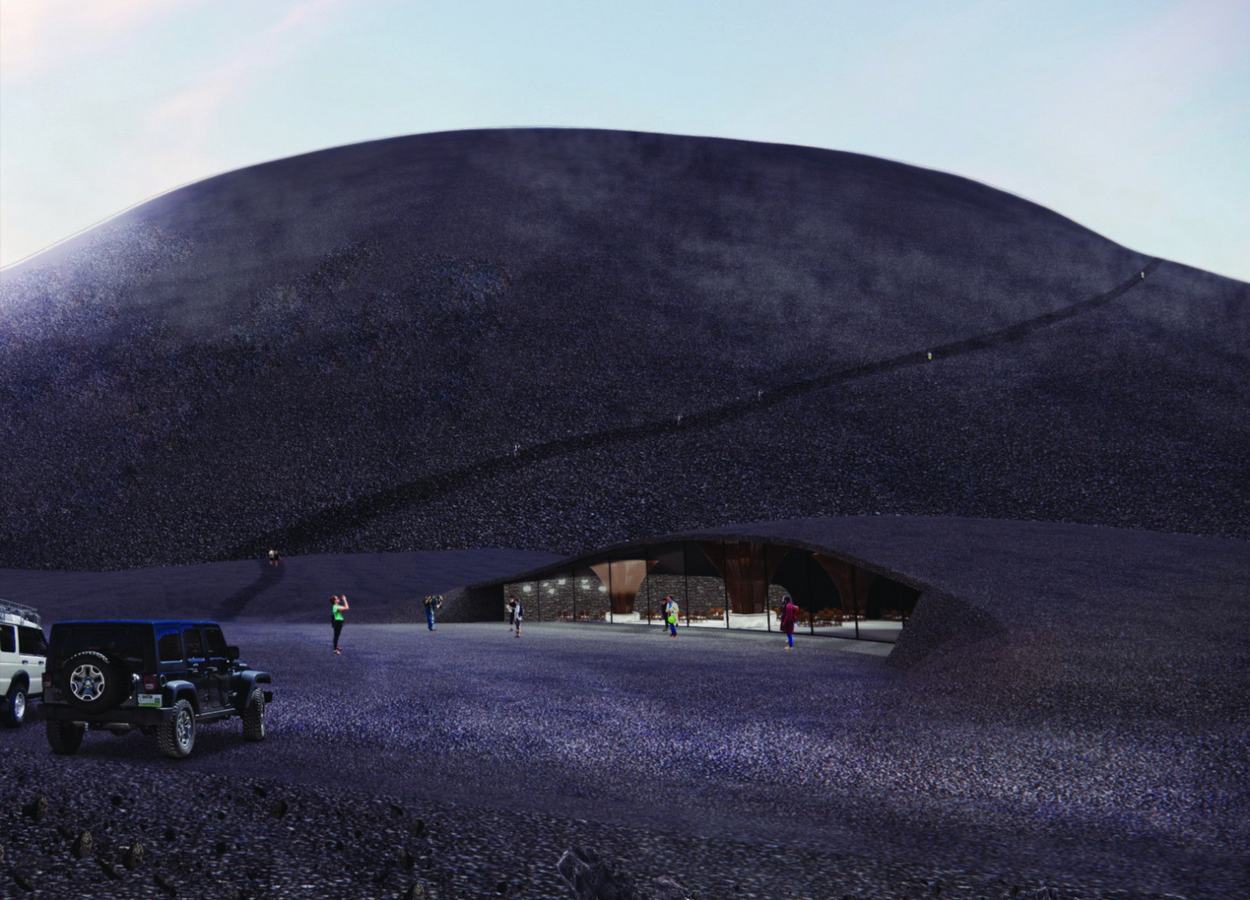
In Iceland, construction requires constant negotiation with environmental extremes. Architecture cannot ignore the limitations imposed by strong winds, seismic activity, long winters, and quickly changing weather. Volcanic rock, especially basalt, appears as a symbolic and utilitarian reaction. It is visually indistinguishable from the land itself, structurally robust, and abundant locally.
The spatial logic of fortresses is adopted by visitor centers shaped by this material. Climate protection is provided by thick walls. Instead of being broad, openings are thoughtful and profound. In order to minimize exposure and improve visual continuity with the landscape, building profiles stay low and are frequently embedded into lava fields or slopes. These choices are not stylistic affectations but architectural necessities shaped by pressure, temperature, and time.
The result is architecture that appears grounded, almost immovable. Buildings seem to belong to the landscape rather than occupy it, as if they have surfaced through geological processes rather than construction schedules.
Spatial Experience and Interior Atmosphere
The fortress metaphor goes deeper through carefully planned spatial sequences. Entry is often tight. Visitors go through narrow doorways, sheltered hallways, and low ceilings before getting to bigger rooms. This spatial contraction and release heightens awareness and prepares the body for the immensity outside.
Light becomes a controlled and intentional element. Instead of large glazed façades, illumination enters through narrow cuts, skylights, and recessed openings. Views are framed rather than offered freely, turning the landscape into a series of composed moments. Interior materials remain restrained, relying on stone, concrete, timber, and muted metals that echo the tones of the surrounding terrain.
These interiors resist overstimulation. Rather than overwhelming visitors with interpretive graphics or digital installations, the architecture encourages quiet observation. The building becomes a mediator between the visitor and the land, slowing movement and sharpening perception.
Cultural Resonance and Architectural Identity
The reimagined volcanic fortress also reflects deeper cultural narratives. Icelandic identity has long been shaped by isolation, endurance, and coexistence with powerful natural forces. These visitor centers echo that ethos through their solidity and permanence. They are not temporary structures designed to accommodate fleeting tourism trends, but buildings that project longevity and restraint.
By drawing from ancient architectural archetypes such as enclosure, threshold, and mass, while employing contemporary construction techniques, these buildings bridge history and modernity. They feel timeless without being nostalgic. Their seriousness carries a subtle wit. In landscapes defined by dramatic scale, the most confident architectural gesture is often restraint.
There is an irony in these buildings. They appear capable of withstanding volcanic eruption or glacial advance, yet their purpose is simply to welcome, orient, and release visitors back into the landscape.
Sustainability as Embedded Practice
Environmental responsibility in these projects is rarely performative. Sustainability is not expressed through visible technologies but embedded in form, material, and siting. Thermal mass stabilizes interior temperatures. Compact volumes reduce heat loss. Locally sourced materials minimize environmental impact while reinforcing contextual continuity.
Rather than announcing their sustainability, these buildings practice it quietly. Their efficiency is inherited from geological logic rather than technical exhibitionism. Architecture performs by behaving like the land itself.
As Iceland continues to balance increasing tourism with fragile ecosystems, the volcanic rock fortress offers a compelling architectural model. It suggests that visitor centers need not be lightweight, transparent, or iconic in the conventional sense. They can be heavy, grounded, and introspective. They can absorb human presence rather than amplify it.
In reimagining fortresses as places of welcome rather than defense, Icelandic architecture proposes a subtle but powerful inversion. The strongest buildings are not those that assert dominance, but those that accept the terms of the land and stand quietly within it.