Rethinking Urban Living in a Greener Direction
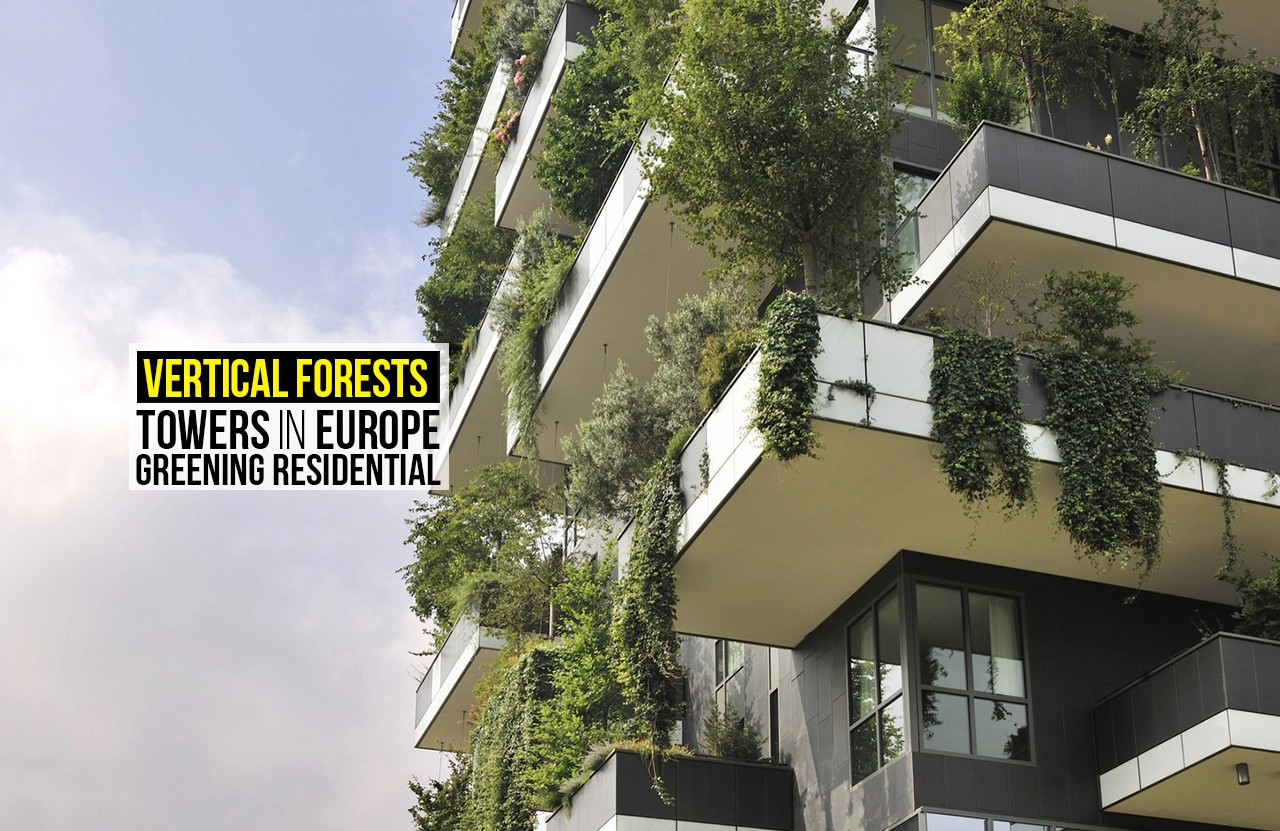
Cities around Europe are becoming higher as available space becomes scarcer. Concerns regarding air quality, rising temperatures, and a decline in the quality of life have resulted from this vertical expansion, which frequently comes at the expense of vegetation. In response, architects and urban planners presented the idea of vertical forest residential towers with a lot of vegetation on balconies, facades , and terraces. These structures are thoughtfully designed ecosystems that directly incorporate nature into high-density dwellings; they are not only symbolic gestures.
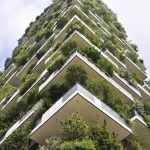
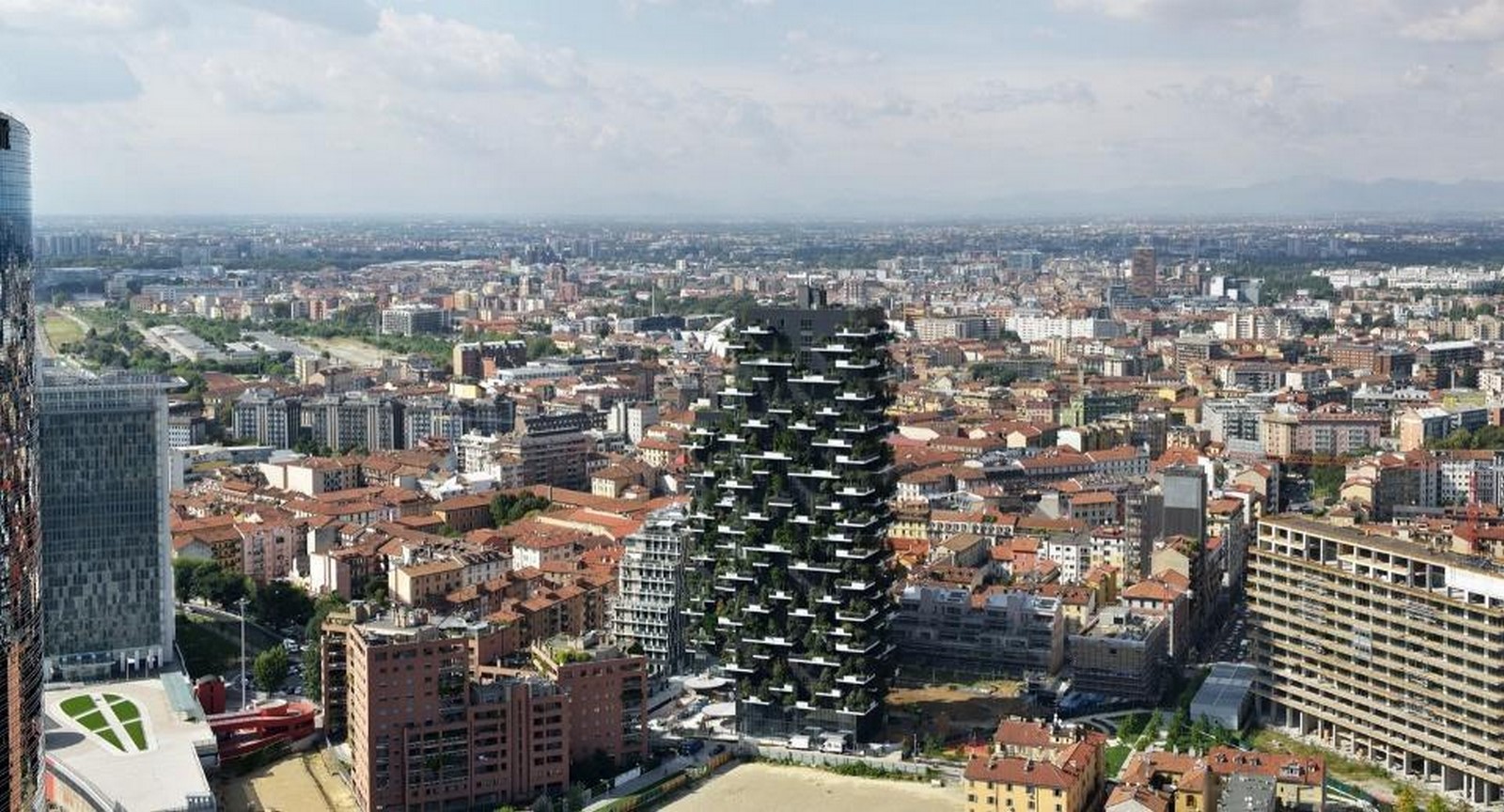
Vertical forests provide a new way of life in which residents share their dwellings with trees, shrubs, and flowering plants, resulting in a daily connection with nature. The approach gained popularity in Milan with the Bosco Vertical project, which demonstrated that high-rise structures could maintain biodiversity while being useful and appealing places to live (Boeri Studio, 2014). As sustainability becomes more important in Europe, vertical trees are developing as a powerful answer for healthier and more resilient cities.

The Architectural Vision Behind Vertical Forests
The vertical forest philosophy challenges established architectural assumptions by viewing buildings as living systems rather than inanimate structures. In Europe, this strategy is strongly in line with environmental policies and long-standing commitments to sustainable urban design. Architects seek to reproduce the ecological functions of natural forests within a vertical structure, allowing cities to expand without spreading outward.
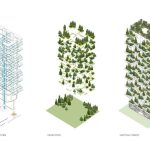
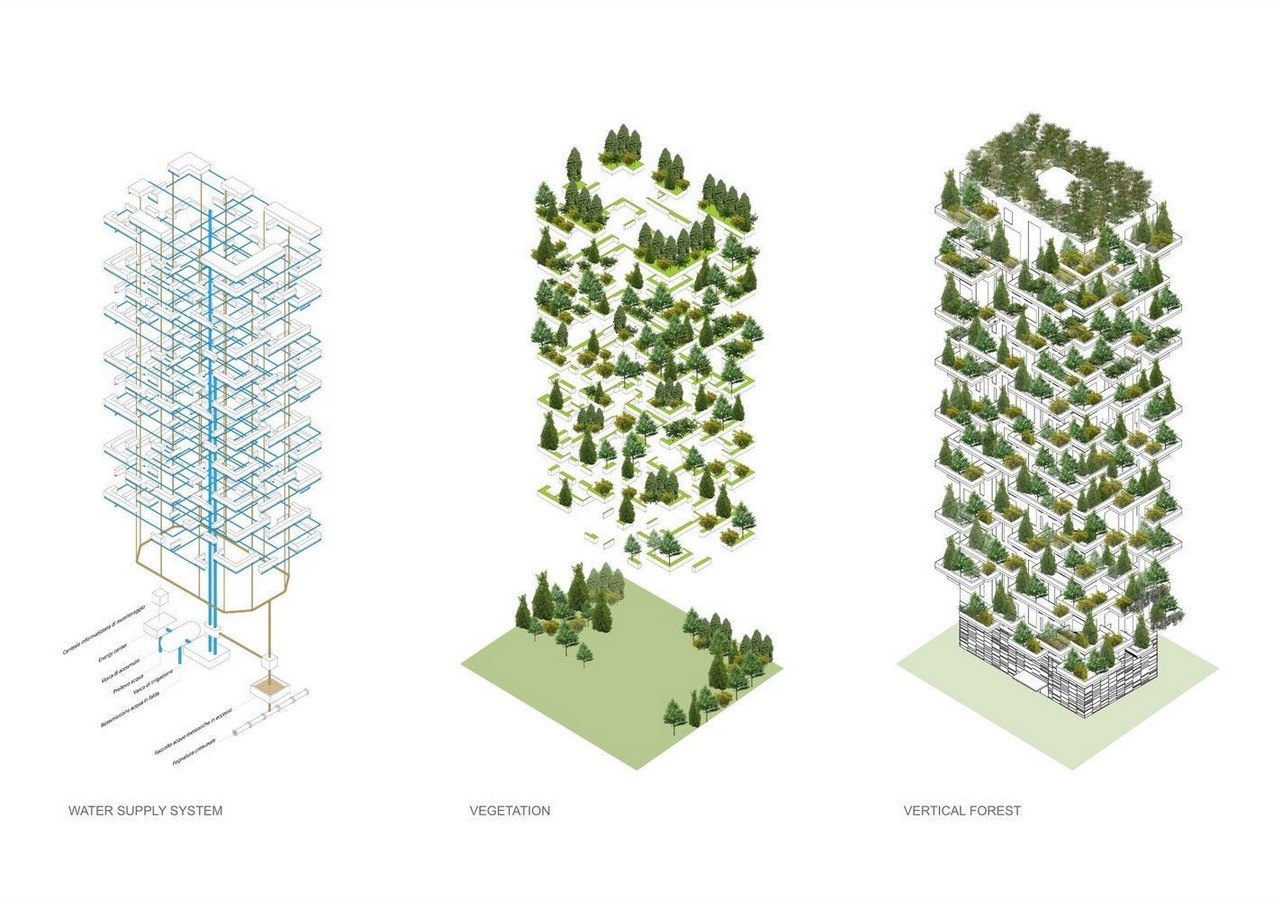
Every vertical forest is meticulously created. Plant species are chosen based on temperature, sun exposure, wind conditions, and height above ground. Structures are strengthened to sustain soil and vegetation, and automatic irrigation systems assure long-term plant health. These towers show how architecture, engineering, and ecology can work together. Vertical forests in many European towns symbolize a shift toward regenerative architecture, in which structures actively improve their surroundings rather than merely reducing harm. This inventive approach propels Europe to the forefront of environmentally responsible building.
Environmental Advantages in Dense European Cities
One of the most compelling arguments for vertical forests in Europe is their environmental benefits. Urban vegetation filters air pollutants, captures fine particulate matter, and absorbs carbon dioxide. These green facades help cities with high traffic emissions and poor air quality to create cleaner, healthier surroundings (European Commission, 2020).
Vertical forests also contribute to temperature regulation in buildings. Plants provide natural shading and insulation, which reduces the need for artificial cooling in the summer and heating in the winter. This leads to lower energy use and lower greenhouse gas emissions. Furthermore, these towers promote urban biodiversity by providing home for birds and invertebrates that would otherwise struggle to thrive in concrete-dominated areas. As Europe struggles with climate change and ecological degradation, vertical forests provide a practical and artistically appealing solution.
Improving Health and Well-Being for Residents
Living near greenery has long been connected with improved physical and mental wellbeing, and vertical forests bring these benefits directly into living areas. In Europe, where urban living can be hectic and stressful, having access to plants in one’s own house can considerably improve well-being. Studies show that exposure to green spaces reduces stress, improves concentration, and supports emotional balance (World Health Organization, 2016).
Residents of vertical forest towers also benefit from better acoustic comfort, since plants serve to absorb noise from busy roadways. The presence of flora stimulates outdoor usage of balconies and communal patios, fostering social interaction and a sense of belonging. Vertical forests promote better lifestyles by incorporating nature into everyday life, while also reinventing what high-rise housing can provide in modern European cities.
Leading Examples of Vertical Forests in Europe
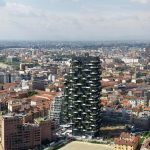
Several high-profile projects show how vertical trees influence urban development across Europe. Milan’s Bosco Vertical remains the most influential example, with over 900 trees and thousands of plants spread between two residential towers (Boeri Studio, 2014). Its success prompted similar projects across the continent.
New residential buildings in Paris include climate-adapted plants onto their façades, while towns such as Utrecht and Antwerp have used vertical greenery within mixed-use developments that blend housing, workplaces, and public spaces. These projects demonstrate how vertical trees may be tailored to various climates, cultures, and urban needs. Rather than reproducing a single model, Europe is tailoring the concept to the specific environmental and social conditions.
Challenges and Ongoing Criticism
Despite its potential, vertical forests have limitations. Because of structural strengthening and specialized technologies, construction costs are frequently higher than those for standard buildings. Maintenance also necessitates expert horticulture management, which can be costly over time (CTBUH, 2019). These characteristics have sparked questions regarding affordability and long-term viability.
Another criticism is social accessibility. Many vertical forest initiatives in Europe are luxury constructions, which limits their impact on larger urban housing issues. Architects and politicians, on the other hand, are looking into low-cost green façade solutions and modular planting technologies. Addressing these issues is critical if vertical trees are to evolve beyond famous sites and become a mainstream alternative for sustainable urban dwelling.
The Future of Vertical Forests in Europe
As environmental restrictions tighten and public awareness develops, the future of vertical forests in Europe appears to be more promising. Smart irrigation, lightweight soil systems, and plant monitoring technologies are improving building efficiency and affordability. Urban policies are also beginning to encourage green facades and nature-based solutions as part of climate adaptation strategies (European Environment Agency, 2021).
Vertical forests are expected to spread beyond residential towers to schools, hospitals, and commercial buildings in the next few years. By incorporating nature into ordinary urban contexts, Europe has the potential to rethink sustainable living. Vertical forests are no longer considered experimental notions. They are growing into useful instruments for making cities greener, healthier, and more resilient.
References:
Boeri, S. (2018). Green Obsession: Trees Towards Cities, Humans Towards Forests. Milan: Actar Publishers.
Boeri Studio. (2014). Bosco Verticale. [online]. Available at: https://www.stefanoboeriarchitetti.net/en/project/bosco-verticale
CTBUH. (2019). Vertical Urbanism: Council on Tall Buildings and Urban Habitat Report. Chicago: CTBUH Publications.
European Commission. (2020). Air Quality in Europe. [online]. Available at: https://environment.ec.europa.eu/topics/air/air-quality_en
European Environment Agency. (2021). Urban Sustainability and Green Infrastructure in Europe. [online]. Available at: https://www.eea.europa.eu/themes/sustainability-transitions/urban-environment
World Health Organization. (2016). Urban Green Spaces and Health. Copenhagen: WHO Regional Office for Europe.
Figure 1
ArchDaily. (2015). Bosco Verticale / Stefano Boeri Architetti
https://www.archdaily.com/777498/bosco-verticale-stefano-boeri-architetti/564e7c88e58ece4d730003a5-bosco-verticale-stefano-boeri-architetti-detail?next_project=no
Figure 2
ArchDaily. (2015). Bosco Verticale / Stefano Boeri Architetti
https://www.archdaily.com/777498/bosco-verticale-stefano-boeri-architetti/564e7c88e58ece4d730003a5-bosco-verticale-stefano-boeri-architetti-detail?next_project=no
Figure 3
ArchDaily. (2015). Bosco Verticale / Stefano Boeri Architetti
https://www.archdaily.com/777498/bosco-verticale-stefano-boeri-architetti/564e7c88e58ece4d730003a5-bosco-verticale-stefano-boeri-architetti-detail?next_project=no