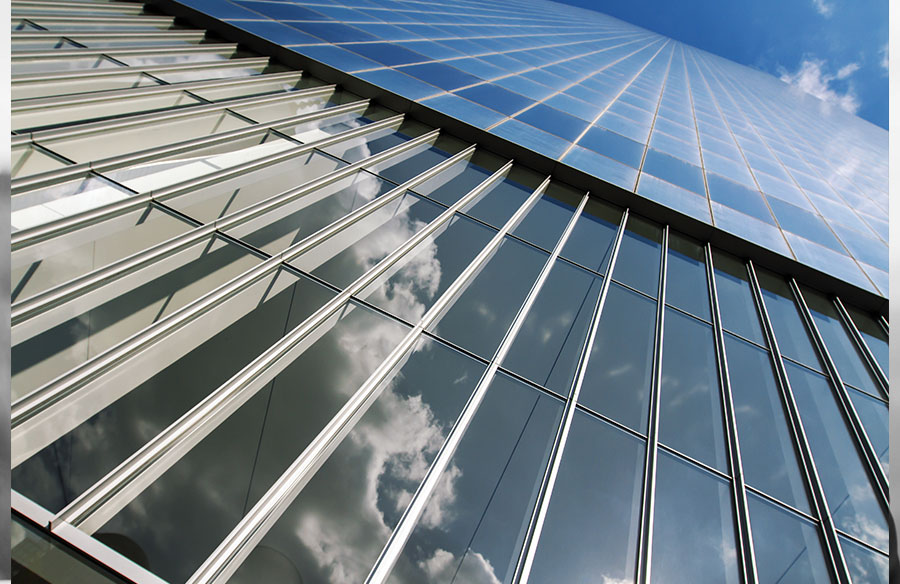
Architecture is more than walls, roofs, or structural materials—it’s an experience carefully designed to influence how people feel, move, and interact with a space. Every building starts with a vision. Architects imagine how sunlight will fill a room, how sightlines guide movement, and how interiors connect seamlessly with the outdoors. This guiding principle, known as architectural intent, relies heavily on glass to bring it to life.
When glass is clean, architectural intent is visible, vibrant, and functional. When it’s dirty or streaked, the vision quietly but profoundly deteriorates, affecting light, space, and perception.
The Role of Glass in Modern Architecture
Glass has evolved from a mere building material to a powerful design element. Architects use it to:
- Shape natural light
- Define space without walls
- Strengthen the connection to the outdoors
Shaping Natural Light
Light is one of the most crucial materials in architecture. Architects carefully calculate how sunlight enters a building throughout the day, considering angles, intensity, and reflection. Clean glass allows light to flow exactly as intended—illuminating workspaces with clarity, filling living rooms with warmth, and highlighting textures in materials like wood, stone, and metal.
Dirty or streaked glass scatters sunlight, dulls reflections, and flattens textures, undermining the careful choreography that defines architectural intent.
Defining Space Without Closing It Off
Modern architecture often replaces solid walls with transparent surfaces. Glass maintains openness while defining boundaries. It separates spaces visually without creating isolation.
When glass is clean, rooms feel airy and connected. When neglected, dirty surfaces break visual flow, making spaces feel smaller, darker, and disconnected from the intended design.
Enhancing Indoor-Outdoor Connections
One of glass’s most powerful roles is dissolving the barrier between inside and outside. Large windows, glass walls, and sliding doors frame views like living artwork. Spotless glass ensures landscapes feel close and immersive. Seasonal shifts—bright summers, calm winters, and crisp autumns—become a daily experience rather than a muted backdrop.
When glass is neglected, these connections fade, reducing the emotional impact of the architecture.
Clean Glass as a Functional Design Element
Glass maintenance is far more than cosmetic; it ensures a building performs as intended. Architects calculate angles, reflections, and transparency assuming clear glass. Maintaining that clarity is essential to preserve both aesthetic and functional intent.
Supporting Energy Efficiency
Clean glass maximizes natural light penetration, reducing reliance on artificial lighting and supporting energy-efficient strategies. In sustainable design, every photon counts, and dirty glass diminishes performance.
Preserving Minimalist and Contemporary Design
Minimalist architecture leaves no room for visual distractions. Smudges, streaks, and buildup break symmetry and draw attention away from intended focal points. Clean glass maintains simplicity, balance, and clarity—critical in both residential and commercial spaces.
Professional Image in Commercial Architecture
In offices, retail environments, and public buildings, glass communicates professionalism before words are spoken. Clear, polished glass conveys care, transparency, and attention to detail, shaping how occupants and visitors perceive the space from the moment they arrive.
Integrating Window Cleaning Into Exterior Maintenance
Glass is part of the overall building envelope. Its performance and clarity depend on consistent care. Pairing window cleaning with services such as house washing in Liberty Lake, ID prevents dirt, pollutants, and residue from quickly returning to clean surfaces. This holistic approach protects visual harmony and ensures the architecture functions as a cohesive system.
Preventing Long-Term Damage
Environmental pollutants, hard water deposits, and weather can permanently damage glass if neglected. Scheduled maintenance preserves clarity, prolongs lifespan, and protects the original design intent.
Why Clean Glass Preserves Architectural Intent
Maintaining glass ensures that:
- Light behaves exactly as designed
- Spaces feel open, connected, and proportionate
- Materials retain their depth, texture, and contrast
- Indoor–outdoor relationships remain vibrant
Without proper care, even the most thoughtful architectural design slowly loses impact. With clean glass, a building continues to perform as envisioned, year after year.
Conclusion
Architectural intent doesn’t end when construction is complete—it lives on through maintenance. Clean glass preserves light, openness, and the emotional resonance that architects carefully craft. Neglecting it diminishes clarity, disrupts visual flow, and compromises the building’s overall performance. Regular cleaning ensures that spaces remain functional, beautiful, and true to their original design vision.
FAQs
- Why is glass so important in modern architecture?
It shapes light, space, and the connection between indoors and outdoors, contributing to both aesthetic and functional performance. - Can dirty glass really affect architectural design?
Yes. It scatters light, reduces clarity, and disrupts visual continuity, diminishing the building’s intended impact. - Is window cleaning part of architectural maintenance?
Absolutely. It preserves both functional performance and visual integrity. - How does clean glass improve energy efficiency?
Maximizing daylight reduces reliance on artificial lighting, supporting passive and sustainable design strategies. - Should window cleaning be combined with exterior washing?
Yes. A holistic approach, such as pairing it with house washing in Liberty Lake, ID, prevents rapid re-soiling and protects the full building envelope.