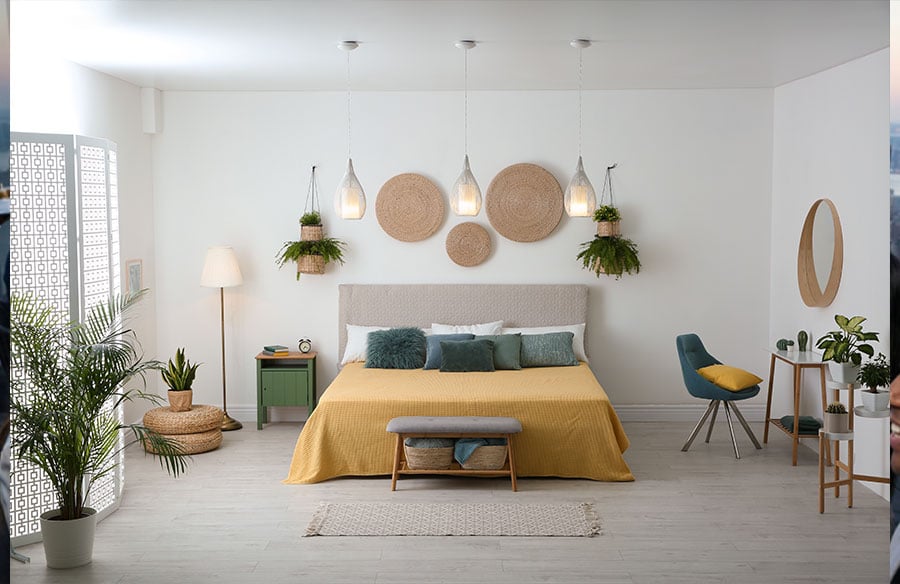
A bedroom is one of the most personal spaces in a home. It is where people begin their mornings, spend time relaxing, and prepare for the next day. Although many homeowners focus on furniture, wall colors, and decorative details when designing a bedroom, everyday comfort also depends on factors such as lighting, sound, and the arrangement of essential items.
A well-planned bedroom does not need expensive furniture or complicated technology. Often, a few practical decisions can make the space easier to use and more enjoyable to spend time in. By paying attention to lighting, choosing useful accessories, and keeping the layout simple, homeowners can create a bedroom that combines attractive design with everyday functionality.
Lighting Makes a Difference
Lighting affects the appearance and usability of any interior space. In a bedroom, the right lighting arrangement should support different activities without making the room feel too bright or uncomfortable.
A single ceiling light may provide enough illumination for general use, but it does not always meet every need. Bedside lamps, wall lights, and adjustable fixtures offer more flexibility. Someone reading before bed, for example, may prefer focused lighting, while softer illumination can create a more relaxed atmosphere in the evening.
Natural daylight is equally important. Windows can make a bedroom feel brighter and more spacious, while suitable curtains help residents manage privacy and sunlight throughout the day.
The goal is to give the room several lighting options rather than relying on one source. This creates a more adaptable environment that works for different routines and preferences.
Sunrise Alarm Clocks as Bedroom Accessories
Traditional alarm clocks usually depend on sound to wake people. Sunrise alarm clocks offer another option by gradually increasing light before a scheduled wake-up time.
This approach can be useful for people who wake up before sunrise or have bedrooms that receive limited natural daylight in the morning. Rather than switching on a bright ceiling light immediately, a sunrise clock introduces light gradually.
One example is the Glocusent Dual Alarm Sunrise Alarm Clock with Sound Machine. It combines sunrise simulation, dual alarms, adjustable lighting, and sound features in a single bedside device.
From a design perspective, combining several functions in one accessory can help keep a nightstand organized. Instead of placing separate devices for timekeeping, lighting, and sound around the bed, users can consider a multifunctional product that meets several needs.
Before choosing a sunrise alarm clock, consider its dimensions, display, brightness controls, and available settings. It should be easy to operate and suitable for the bedroom’s existing arrangement.
Creating a Comfortable Sound Environment
A bedroom’s atmosphere depends on more than its visual appearance. Noise from traffic, neighboring rooms, household activities, or electronic devices can affect how comfortable the space feels.
Interior design offers several practical ways to manage sound. Rugs, curtains, upholstered furniture, and fabric-covered surfaces can help reduce sound reflections within a room. Although these features cannot eliminate every source of noise, they can contribute to a softer acoustic environment.
Window quality and the position of the bed may also matter when outside noise is a concern. In some homes, moving the bed away from a noisy wall or window can make the sleeping area feel more comfortable.
Personal preferences vary when it comes to background sound. Some people prefer a quiet room, while others enjoy gentle sounds such as rainfall or white noise.
A sound machine can provide an additional option for those who prefer background audio. The Glocusent sunrise alarm clock combines sound functions with its lighting and alarm features, allowing users to explore different settings according to their preferences.
However, a device should complement the bedroom rather than become its main focus. The most effective design choices are those that address a genuine need without adding unnecessary clutter.
Making Better Use of Bedside Space
Nightstands often become crowded with everyday belongings. Phones, charging cables, books, lamps, alarm clocks, and personal items can quickly occupy the available surface.
A more organized arrangement begins with identifying which objects are used regularly. Items needed before sleeping or immediately after waking should remain accessible, while less frequently used belongings can be stored elsewhere.
Multifunctional accessories may also help reduce clutter. For example, a sunrise alarm clock with adjustable lighting and sound features combines several functions in one device.
The Glocusent model provides dual alarms, multiple lighting options, and Bluetooth audio streaming. These features may appeal to people who want flexible bedside functionality without arranging several separate electronic devices.
Another option is to choose furniture that provides concealed storage. A nightstand with a drawer can keep small belongings out of sight while maintaining easy access to frequently used items.
Cable management is worth considering as well. Clips, organizers, and appropriately positioned power outlets can help prevent charging cables from spreading across the bedside surface.
The best solution depends on the available space, daily habits, and personal preferences. A simple arrangement that supports everyday use is often more practical than a surface filled with decorative objects.
Choosing Colors and Materials That Work Together
The materials and colors used in a bedroom influence its overall appearance. A carefully selected combination can make the room feel cohesive without requiring elaborate decoration.
Neutral wall colors provide a flexible background for different furniture styles. Natural wood, textured fabrics, and simple bedding can introduce visual warmth while keeping the design balanced.
Lighting should work with these materials rather than compete with them. A bedside lamp with adjustable brightness, for example, can serve a practical purpose while complementing the surrounding furniture.
When introducing electronic accessories, consider their size, finish, and placement. A compact device may fit more comfortably on a small nightstand than a larger product with unnecessary visual details.
There is no single color scheme or material combination that suits every bedroom. The important consideration is whether the selected elements work together and support the way the room is used.
Technology Should Support the Design
Modern home accessories can provide useful functions, but adding more technology does not automatically improve a space. The value of a product depends on whether it solves a practical problem.
For example, someone who struggles with a cluttered bedside table may benefit from a multifunctional alarm clock. Another person may prefer a separate lamp and a simple traditional clock.
The Glocusent product page provides information about the clock’s design and features. Shoppers can also review the Amazon product listing when researching the item.
Before purchasing any bedroom accessory, check its dimensions, controls, power requirements, and compatibility with your routine. Reading available product specifications and customer feedback can also help you make a more informed decision.
Technology is most useful when it fits naturally into the room and remains easy to operate. It should support the overall design rather than introduce unnecessary complexity.
Small Changes Can Improve the Bedroom Experience
Redesigning a bedroom does not always require replacing furniture or making structural changes. Small adjustments can make the existing space more practical.
Start by removing items that are no longer needed and organizing the belongings that remain. Review the lighting arrangement and identify areas where an additional lamp or adjustable fixture could improve usability.
Next, consider the placement of the bed and bedside furniture. Make sure frequently used items are within reach and that the layout leaves enough room to move around comfortably.
Window coverings, bedding, and soft furnishings can also be adjusted to suit the room’s purpose. For example, curtains that provide better control over daylight may be useful for people who work irregular hours.
Finally, choose accessories according to actual needs. A sunrise alarm clock, reading lamp, or sound machine may be worthwhile if it provides a function that the existing setup lacks.
Making changes gradually allows homeowners to understand what works best before spending money on a larger redesign.
Conclusion
A comfortable bedroom is the result of several thoughtful design decisions working together. Lighting, sound, furniture placement, materials, and everyday accessories all contribute to the way a space looks and functions.
By introducing flexible lighting, organizing bedside essentials, and selecting products that serve practical purposes, homeowners can create a bedroom that feels more orderly and better suited to their routines.
Sunrise alarm clocks and multifunctional accessories are just two examples of how everyday products can become part of a considered interior design. Ultimately, the best bedroom is not necessarily the one with the most expensive furniture or the latest technology. It is the one where each element has a clear purpose and helps make daily life more comfortable.