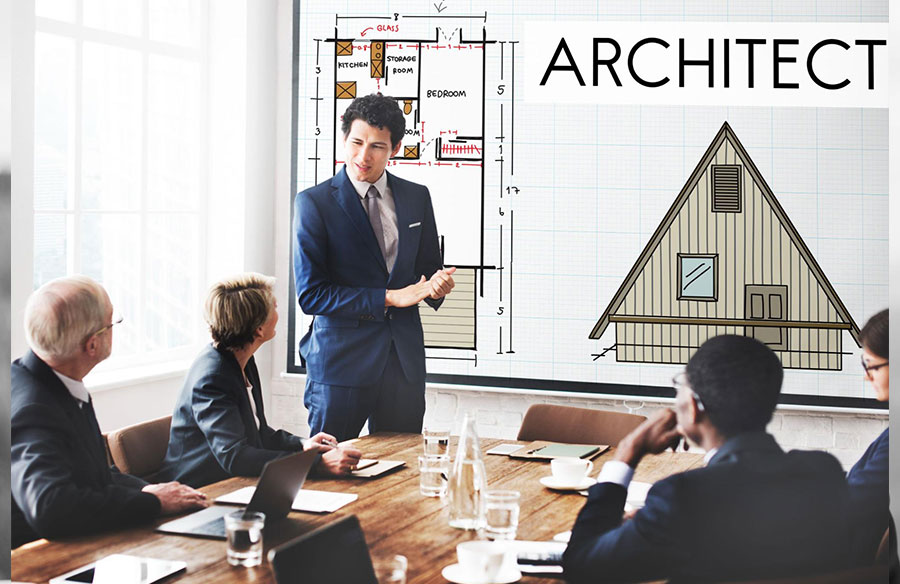
Every great structure begins with a vision. Whether it is a residential community, a commercial building, or an industrial development, the process of turning an idea into reality requires far more than blueprints and materials. It requires organization, leadership, and coordination.
Modern construction has evolved into a highly strategic process that relies on collaboration and precision. Behind every successful project is a team working under strong leadership that ensures quality, safety, and accountability. From the earliest design stages to final inspections, every detail matters.
Project management is what turns creative ideas into tangible results. It is the foundation of efficiency, ensuring that deadlines are met, budgets are respected, and craftsmanship meets the highest standards. In the world of modern construction, professional management transforms complexity into success.
The Foundation of Effective Project Management
At its core, project management is about coordination and control. It bridges the gap between vision and execution by ensuring that all aspects of the build move together in harmony.
Every project involves multiple moving parts: design teams, suppliers, subcontractors, local regulations, and safety requirements. Without a clear management system in place, even the most promising project can face unnecessary setbacks.
Core responsibilities of effective project leadership include:
- Scheduling and resource management: Making sure every phase of construction stays on time and materials are available when needed.
- Contractor and subcontractor oversight: Ensuring all parties meet agreed standards and timelines.
- Compliance management: Verifying that work meets all safety codes and legal requirements.
- Quality control: Monitoring progress to maintain consistent workmanship throughout the project.
These elements form the foundation of a successful build, allowing teams to deliver high-quality results efficiently and safely.
Coordination Between Teams and Trades
Construction is a collective effort. The architect designs, the engineer calculates, the builder constructs, and each plays an important role in achieving the final goal. Without coordination among these professionals, projects risk falling behind or exceeding budgets.
Strong communication between trades ensures that problems are identified early and solutions are implemented quickly. Regular meetings, clear documentation, and open dialogue build trust and keep teams aligned.
Steps that improve coordination on construction sites:
- Comprehensive planning: Mapping out every stage before construction begins.
- Defined expectations: Ensuring that each team understands its responsibilities.
- Frequent progress updates: Keeping all stakeholders informed of current status and changes.
- Collaborative problem-solving: Encouraging quick adjustments when unexpected challenges arise.
When all participants work together toward a shared objective, the construction process becomes smoother, more predictable, and more rewarding for everyone involved.
Balancing Quality, Timeline, and Budget
Construction professionals face the constant challenge of balancing three critical factors: quality, time, and cost. Each element must complement the others to achieve success.
Maintaining this balance requires thoughtful planning and constant oversight. Focusing too heavily on one factor can create problems elsewhere. For example, reducing costs too aggressively may affect quality, while rushing work to meet a deadline could compromise safety.
Practical methods for maintaining balance include:
- Choosing reliable vendors: Partnering with suppliers who deliver consistent quality at fair prices.
- Implementing milestone reviews: Checking progress regularly to ensure goals remain on track.
- Using performance tracking tools: Monitoring budgets and productivity in real time.
- Encouraging proactive communication: Addressing potential delays before they escalate.
When each of these areas receives the attention it deserves, the result is a project that achieves both excellence and efficiency.
The Value of Skilled Leadership in Construction
Leadership defines the tone of a construction project. A skilled leader brings direction, discipline, and motivation to every phase of the build. Good leadership ensures that even under pressure, teams remain organized and committed to the same vision.
A construction leader must also create a culture of safety and respect. Encouraging teamwork, recognizing achievement, and maintaining clear communication are just as important as technical skill.
Characteristics of strong leadership include:
- Clear communication: Providing clear instructions and consistent feedback.
- Accountability: Accepting responsibility for outcomes and maintaining transparency.
- Problem-solving ability: Staying composed and finding solutions under pressure.
- Focus on results: Keeping both the big picture and the finer details in view.
When leadership is strong, every team member performs at a higher level, and the entire project benefits.
Why Experience Matters in Construction Oversight
Experience is the key to preventing costly mistakes. It enables project leaders to anticipate challenges and plan solutions before they arise. Every construction site presents unique circumstances, from soil conditions to zoning laws, and seasoned professionals understand how to adapt to these variables.
Working with an experienced General Contractor ensures that every stage of the building process is managed with precision, clarity, and care. These professionals bring a deep understanding of materials, regulations, and workflow that only comes from years of practice.
Experienced leaders also build strong networks of trusted subcontractors and suppliers. These relationships help streamline communication and reduce unexpected delays. Ultimately, experience translates into confidence, consistency, and superior outcomes for every project.
The Role of Modern Technology in Construction Management
Technology continues to transform the construction industry. What once required paper blueprints and manual tracking now happens in real time through digital platforms.
From advanced project management software to drones that survey job sites, technology has made construction safer, faster, and more accurate. Cloud-based systems allow project managers to monitor budgets, timelines, and safety compliance from anywhere.
Benefits of technology in project management:
- Real-time updates: Providing instant access to project data and progress reports.
- Improved collaboration: Connecting teams across multiple locations.
- Data-driven insights: Helping managers make informed decisions about materials, labor, and scheduling.
- Increased safety: Using sensors and predictive tools to identify potential risks before they occur.
Technology enhances transparency, reduces waste, and helps teams deliver results that meet or exceed client expectations.
Building Trust Through Transparency
Transparency is the cornerstone of successful construction partnerships. Clients, investors, and contractors all depend on open communication to ensure mutual confidence throughout the project.
Trust is built through honesty about progress, budgets, and expectations. When a client understands how and why decisions are made, collaboration becomes smoother and outcomes improve.
Key practices for building trust include:
- Clear documentation: Sharing timelines, contracts, and progress reports openly.
- Regular communication: Providing updates and addressing questions promptly.
- Financial transparency: Offering accurate and detailed cost breakdowns.
- Commitment to quality: Demonstrating that integrity guides every decision.
Trust and transparency not only strengthen relationships but also build reputations that stand the test of time.
Conclusion
Every construction project represents more than the materials and machines used to build it. It represents teamwork, innovation, and leadership. Expert project management ensures that every piece of the puzzle fits together seamlessly, creating structures that are safe, functional, and enduring.
Strong leadership, clear communication, and the integration of technology all contribute to successful outcomes. The right management approach transforms potential challenges into opportunities for excellence.
From vision to completion, the construction process relies on coordination, trust, and experience. These qualities shape not just individual buildings but entire communities. When the right team is in place, ideas take form, foundations strengthen, and the future of construction continues to rise one project at a time.