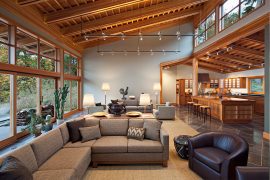
Residential design impacts how people live, rest, and move every day. Thoughtful layouts guide routines and influence daily habits. Room flow affects how people cook, work, and relax. Light, air, and space affect mood and energy levels. Thoughtful design choices also impact sleep quality and stress levels. Smart design reduces effort and supports healthier choices, and it doesn’t take a lot of effort improve the quality of life in residential spaces. Small changes often produce noticeable improvements, and homes are better when designs reflect real human behavior. Comfort grows from function, clarity, and thoughtful planning.
Natural Light as a Core Design Priority
Daylight shapes how a home feels from the moment people wake up and start their routines. Smart window placement brings light into spaces used most during the day, which supports comfort and visibility. South-facing windows provide steady brightness, while east-facing ones support healthy morning habits. Poor orientation, however, creates shadows that disrupt visual balance. Natural light improves mood and supports steady energy levels throughout the day. Rooms feel more open and inviting with consistent daylight. Above all, daylight supports well-being without raising energy use. Glass choices help control heat during warmer months, whereas shading options like blinds and overhangs reduce glare. These features protect visual comfort and support screen use. Balanced lighting reduces eye strain, which supports focus and daily comfort.
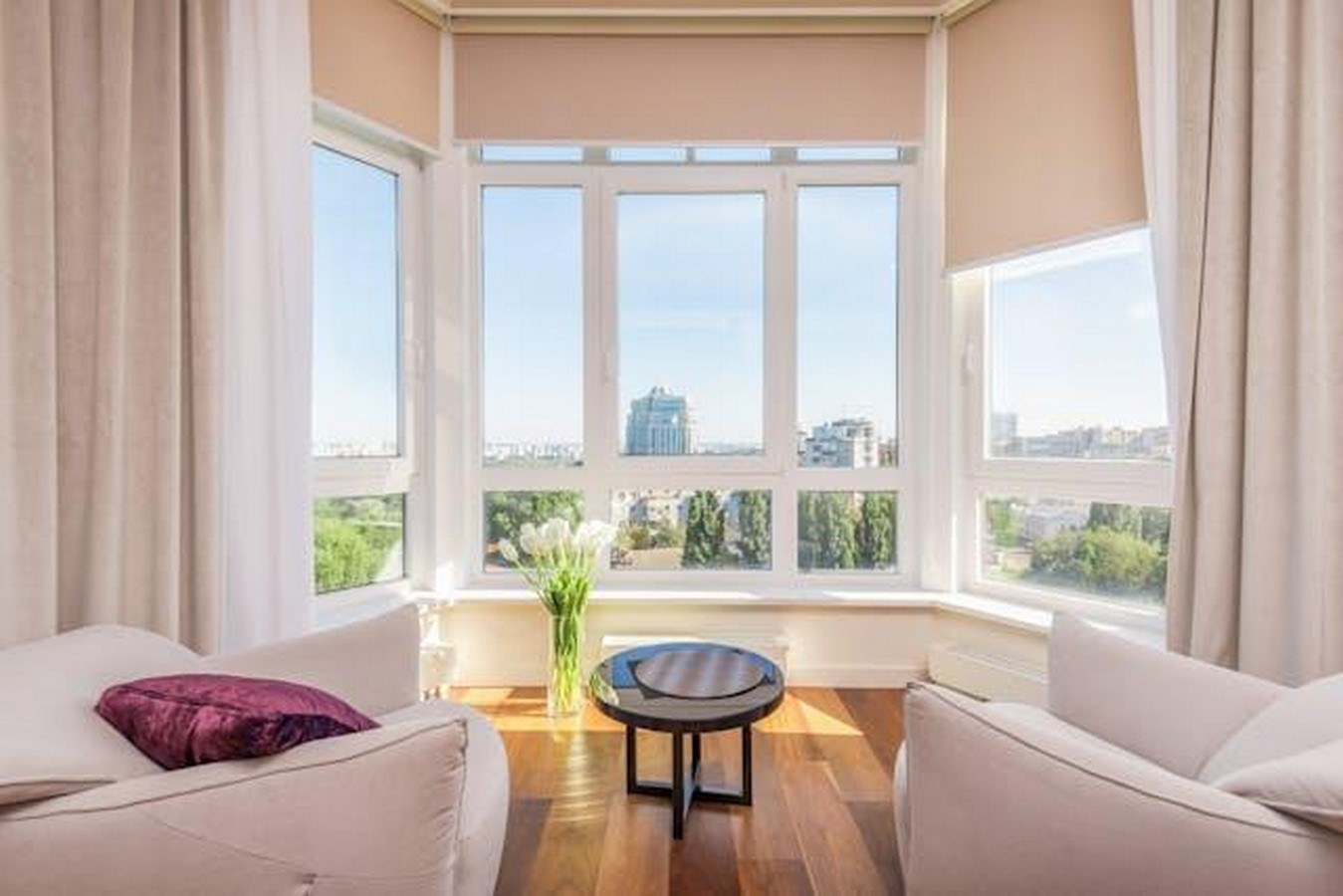 Indoor-Outdoor Connections That Support Daily Balance
Strong links between indoor and outdoor spaces improve daily comfort and routines. Large doors and clear sightlines extend living areas visually and physically. Access to patios or balconies encourages fresh air breaks and casual movement. Similarly, indoor plants echo outdoor benefits and support visual comfort. These features reduce stress and improve focus during busy days. Natural airflow improves comfort and limits stale conditions. In contrast, sealed spaces often feel confined and draining. Outdoor access supports relaxation without leaving home. Simple design choices like floor-level transitions support easy movement. These connections help families unwind after work or school. Homes feel more balanced when the design supports natural rhythms and everyday habits.
Improve Quality of Life in Residential Spaces With Healthy Materials and Clean Indoor Air
Material choices shape indoor comfort and long-term health. Low-emission finishes reduce irritation and support cleaner air. Proper ventilation improves breathing and daily energy. Hence, healthier interiors support better sleep and focus. Natural materials often feel warmer and more comfortable with use. Flooring choices affect allergens and cleaning effort. Whereas cheaper materials may reduce upfront cost, they often affect comfort over time. Airflow planning supports kitchens and bathrooms where moisture builds up. Many buyers now consider renovated or flipped homes that look fresh and modern. Investors upgrade surfaces and fixtures quickly to make these homes sell. These design choices matter even more when moving into a flipped home with updated finishes. Healthy materials support physical comfort and peace of mind.
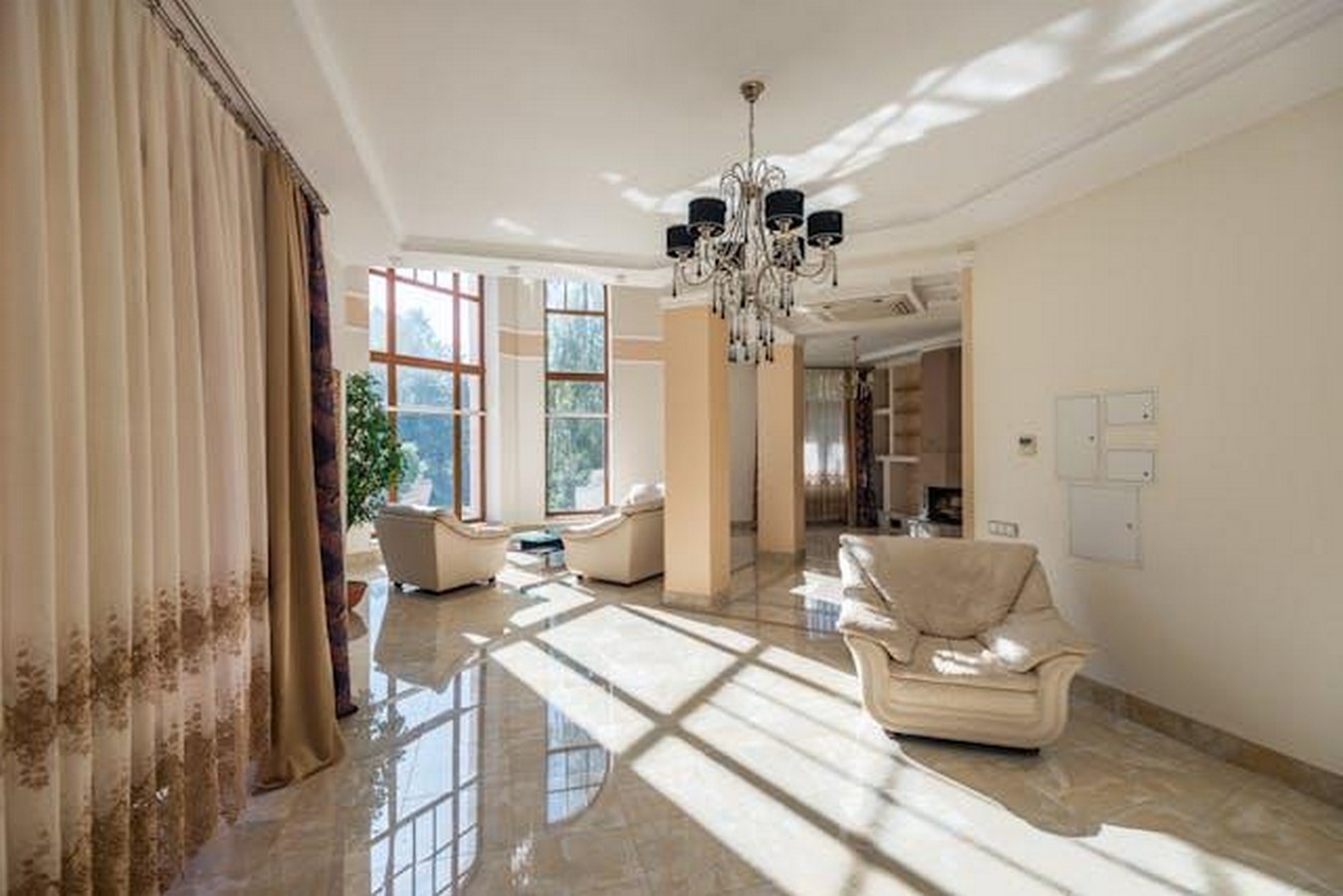 Smart Storage That Supports Clear Living
Storage design shapes how people organize daily life. Many buyers want more space because they need better storage for everyday items. It is recommended that 10–25% of a home’s total floor area be dedicated to storage space. Built-in cabinets reduce clutter and keep essentials close. Clear storage zones support faster routines and less frustration. As a result, organized spaces feel calmer and easier to manage. Good entry storage helps mornings run smoother and keeps living areas cleaner. Hidden storage keeps rooms tidy without losing function. Poor storage planning, however, creates a mess and wastes time. Vertical solutions help smaller homes feel more open. Flexible shelving adapts as needs change. Thoughtful storage placement supports habits like cleaning, meal prep, and laundry. Homes feel lighter when belongings are controlled, visible, and easy to reach.
Acoustic Comfort for Focus and Rest
Sound control affects how people relax, sleep, and work at home. Soft materials reduce noise reflection and improve comfort. Rugs, panels, and curtains absorb sound naturally. Hard surfaces amplify echoes and distractions. Quiet bedrooms support deeper rest and better recovery. Work areas benefit from reduced background noise. Nevertheless, many homes ignore sound planning during design stages. Wall placement also shapes sound movement across rooms. Buffer zones between loud and quiet areas improve comfort. These choices support focus and emotional balance. Acoustic comfort reduces tension during shared living. Sound-aware design helps improve quality of life in residential spaces by supporting calm and concentration throughout the day.
Lighting Layers That Support Daily Tasks
Layered lighting improves how people use spaces throughout the day. Ambient lighting supports overall visibility, while task lighting supports focused activities. Accent lighting adds depth and visual comfort. As a result, rooms feel balanced and easier to use. Poor lighting placement causes shadows and eye strain. Kitchens and work areas benefit from focused light near surfaces. Meanwhile, dimmable options support rest during evening hours. Light temperature also shapes comfort and alertness. Warmer tones support relaxation, while cooler tones support focus. Thoughtful lighting planning reduces fatigue and frustration. Homes feel more responsive when lighting supports daily rhythms and real activities.
Entry Design That Shapes Daily Transitions
Entry spaces shape the first and last moments at home each day. Clear layouts support smooth arrivals and departures. Storage near entrances supports organization and time management. As a matter of fact, small entry improvements reduce daily stress. Seating supports comfort during shoe changes and short breaks. Lighting near doors improves safety and visibility. Poorly planned entries create clutter and confusion. Weather protection supports comfort across seasons. These areas guide daily habits and routines. Entry design influences how people reset after busy days. Well-planned entrances support calm, order, and consistency from the moment people step inside.
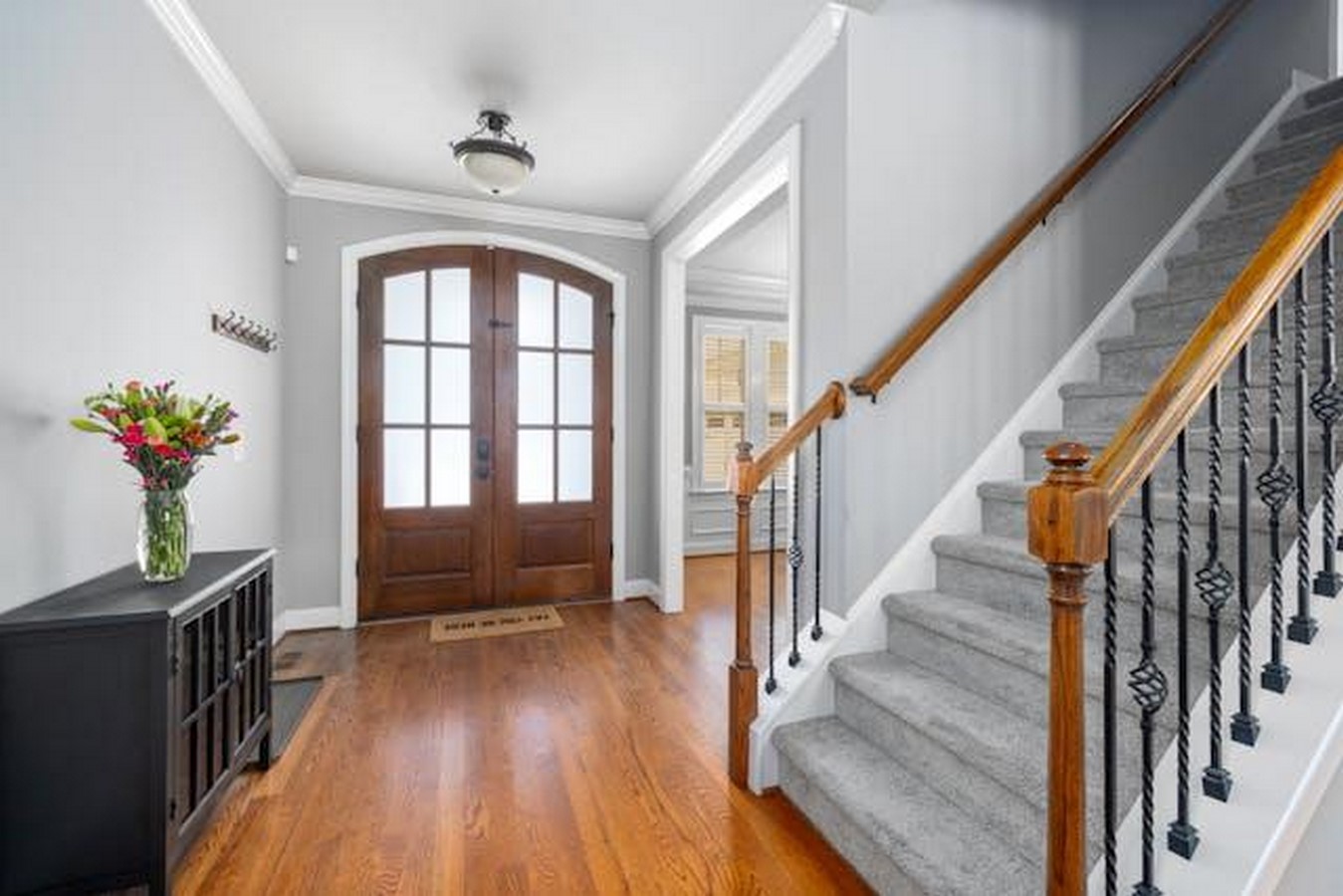 Thoughtful Design That Supports Every Lifestyle
Homes should support people with different needs, abilities, and routines. Clear pathways support movement and reduce strain during daily tasks. Simple controls improve ease of use for all ages. On the other hand, complex layouts often create confusion and frustration. Good lighting improves visibility and supports safety in every room. Clear color contrast supports navigation and confidence. In short, thoughtful planning removes barriers before they interrupt daily life. Flexible features adapt as households change over time. These choices support independence and comfort without drawing attention. Families, guests, and long-term residents all benefit from inclusive planning. Design decisions should reflect real human behavior and daily use. This approach helps improve quality of life in residential spaces by supporting comfort, dignity, and ease across every stage of life.
Photos Used:
https://www.pexels.com/photo/high-angle-shot-of-suburban-neighborhood-1546168/
https://www.pexels.com/photo/light-room-with-big-windows-6077368/
https://www.pexels.com/photo/hallway-to-a-living-room-with-white-sofa-chairs-near-glass-window-8082311/
https://www.pexels.com/photo/corridor-and-stairs-in-house-12700466/