For architectural lighting designer Afreen Anjum Khan, the city is not just a backdrop; it is a canvas of living history, human emotion and technical precision. “I often joke that I’m a metro baby,” she explains, recalling a childhood surrounded by construction drawings in a family of general contractors.
Growing up just minutes from the Worli Sea Face, Khan was captivated by Mumbai’s Art Deco skyline and coastal heritage, observing how the city’s topography and culture shaped its urban fabric.
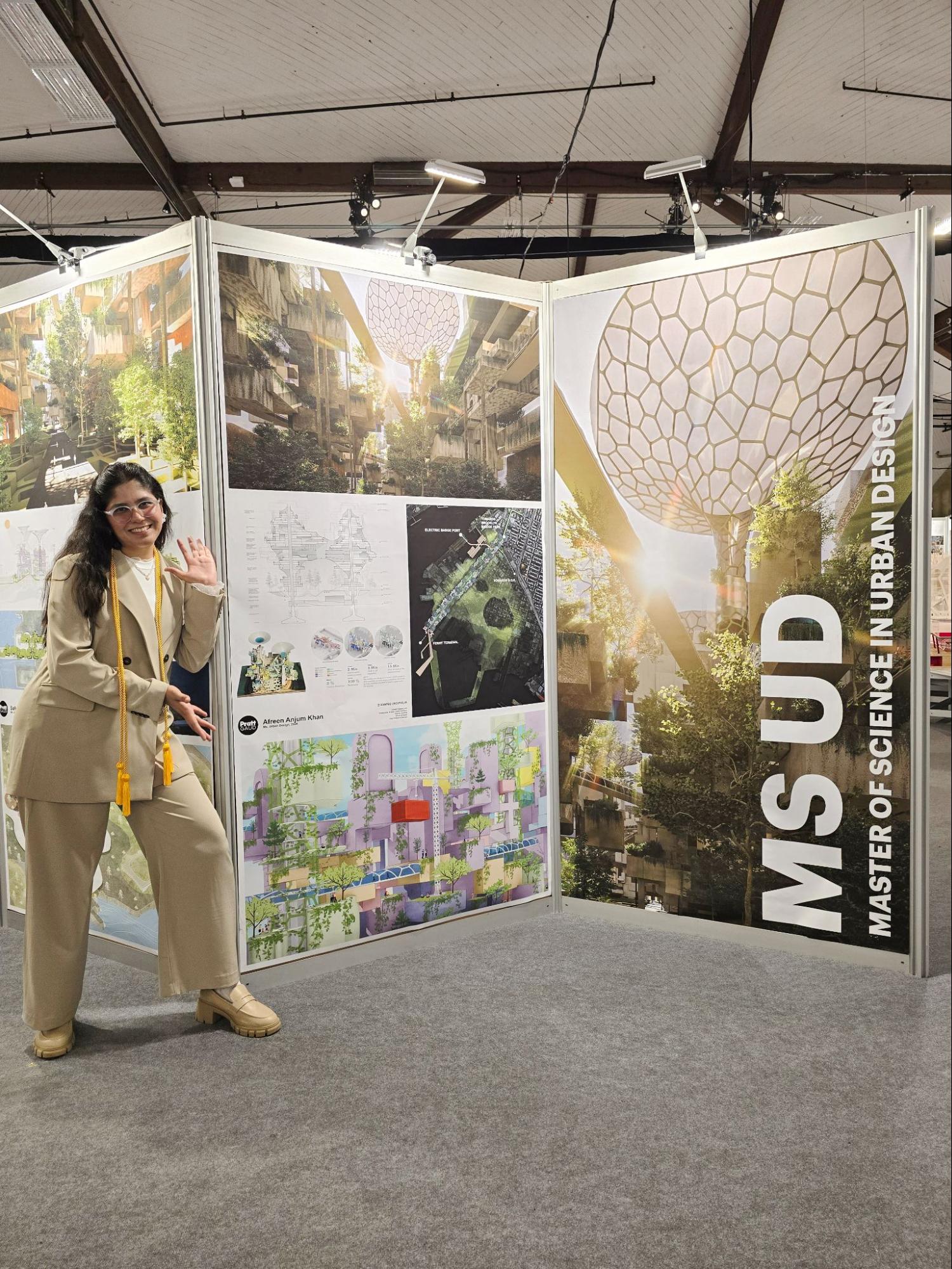
Today, Khan is a New York City-based architectural lighting designer whose work bridges the gap between historical preservation and cutting-edge urban modernization. Holding a Master of Science in Urban Design from the prestigious Pratt Institute—where she earned the Excellence in Academic Achievement Award—and boasting a background as a licensed architect in India, Khan brings a profoundly holistic approach to her field.
“When I discovered the similarities between Mumbai and New York, two cities that never truly sleep, I felt an instant connection,” she explains. “Yet, New York’s skyline, layered streets, and carefully composed lighting revealed architecture in a way that felt almost cinematic… Today, I see light as more than illumination—it creates identity, evokes emotion, and shapes how people experience and remember a place.”
 A Foundation in Global Heritage
Khan’s technical mastery and design sensitivity are deeply rooted in global heritage conservation. Before establishing her career in the United States, she worked at Abha Narain Lambah Associates, one of India’s top architectural conservation practices.
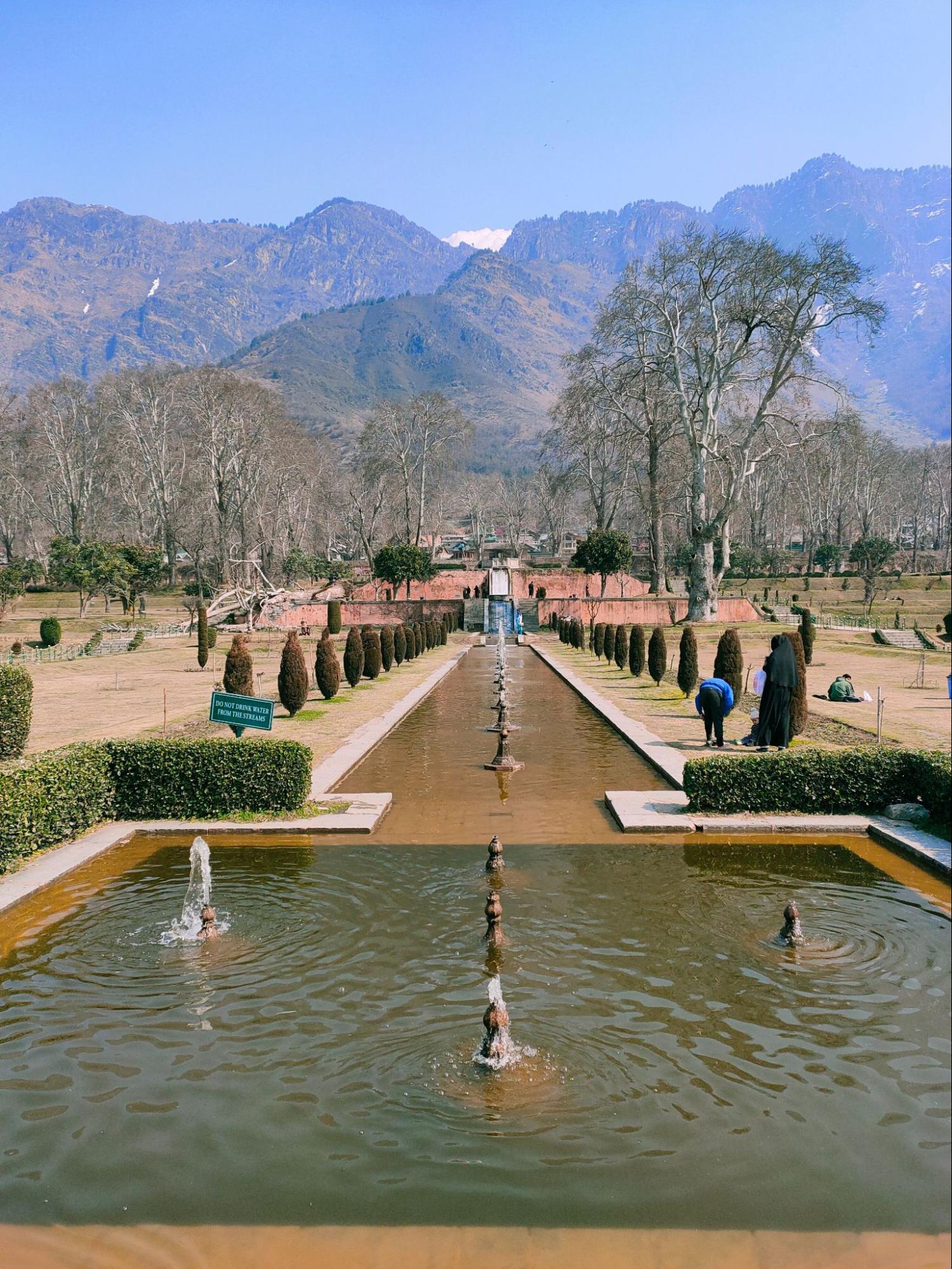
During this time, Khan spent a month on-site in Kashmir, conducting rigorous field documentation across Srinagar, Achabal, and Verinag to help assemble the prestigious UNESCO World Heritage nomination dossier for the Mughal Gardens. Her portfolio quickly grew to include some of the subcontinent’s most significant cultural and historic landmarks, including the Gateway of India and Haji Ali Dargah in Mumbai, Qila Mubarak in Punjab, and the historic Turner Morrison Building, now being transformed for Galeries Lafayette Mumbai. Her work also extended to detailed streetscape documentation surrounding the iconic Charminar in Hyderabad, reflecting an early engagement with heritage, adaptive reuse, and the urban public realm.
Her contributions to large-scale civic projects, such as the Smart City Kashmir initiative, allowed her to analyze the intersection of lighting, public infrastructure, tourism and urban scale. “The Smart City Kashmir project especially shaped me because it connected heritage, public infrastructure, tourism, safety and lighting at an urban scale,” Khan said.
These world-class undertakings instilled a core philosophy that directly informs her approach to high-stakes urban design in New York today. Working on living monuments taught her that illumination is not merely aesthetic – it is a steward of history, public identity, and communal memory.
“That period taught me that lighting should not overpower heritage,” Khan explains. “It should reveal its character, emphasize its grandeur, and help people reconnect with the identity and memory of a place.”
 Award-Winning Technical Precision in New York City
Khan now works on the core team at Brian Orter Lighting Design (BOLD) in New York, collaborating with some of the most globally-renowned architectural practices, including Bjarke Ingels Group (BIG), Beyer Blinder Belle and Rockwell Group.
Her methodology ensures that lighting narratives integrate seamlessly into complex architectural visions. “My approach always begins with understanding the architectural story before developing the lighting,” she said, emphasizing the importance of spatial hierarchy and human circulation.
This philosophy was put to the test at Manhattan’s historic Terminal Warehouse, a massive adaptive reuse development with COOKFOX Architects. Khan was part of the core design team that earned the highly coveted 2026 Lucy G. Moses Preservation Award from the New York Landmarks Conservancy. Navigating rigorous technical challenges, Khan spent months on-site conducting BIM coordination, evaluating mock-ups, and managing the delicate aim-and-adjust process.
“What the project reinforced for me is that lighting in adaptive reuse requires restraint,” said Khan. “The goal is not to overpower historic architecture, but to resolve the technical challenges quietly so the original character of the building remains the hero.”
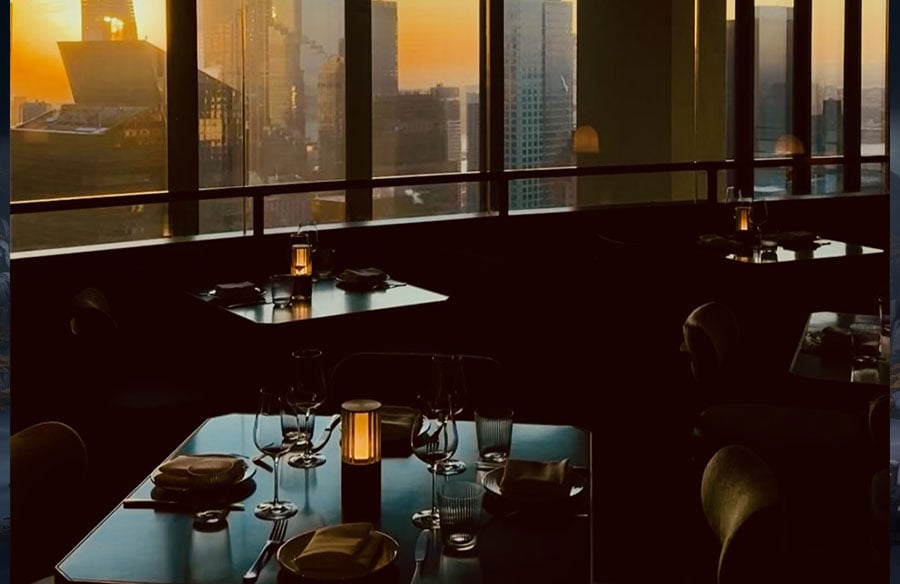
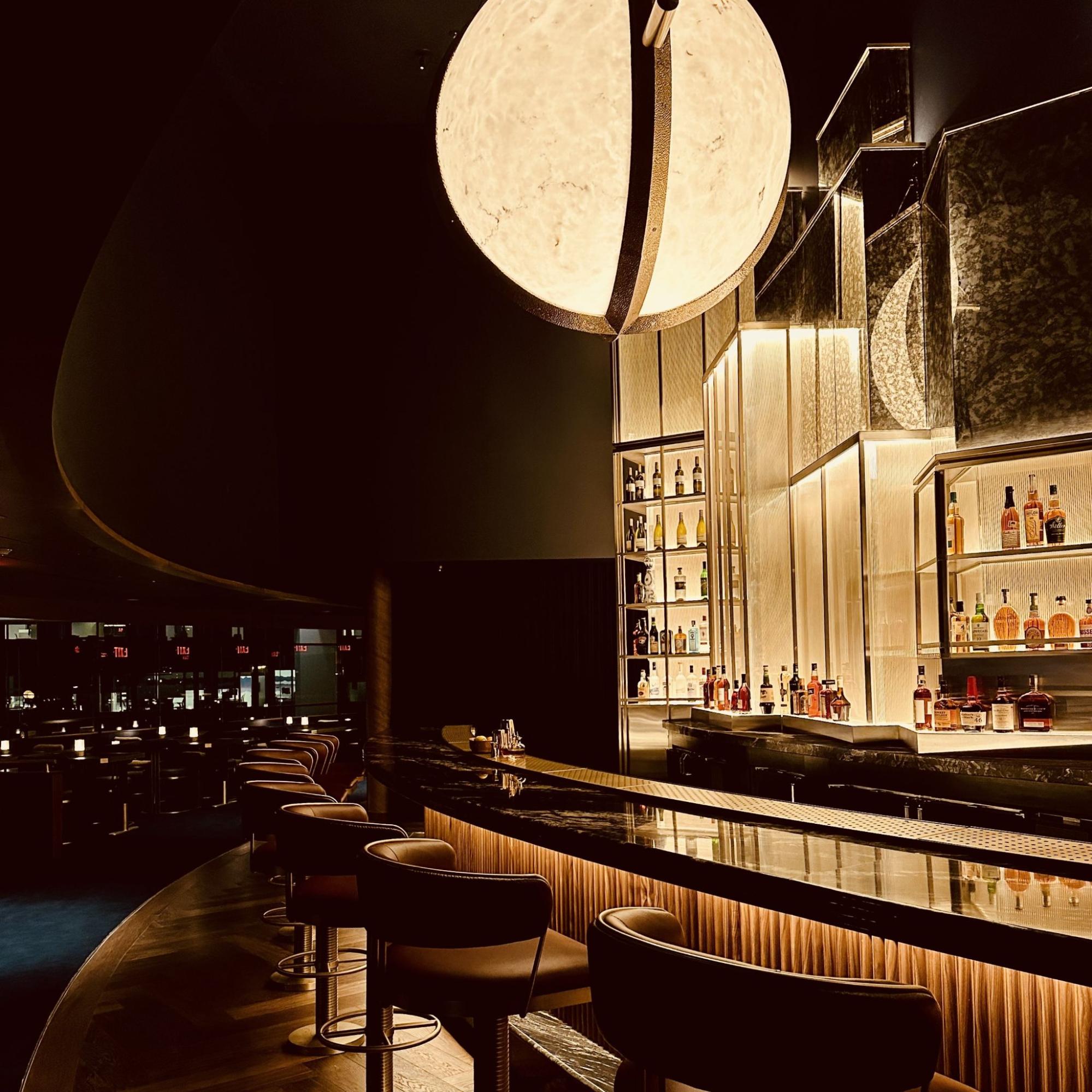
Khan’s expertise extends to high-profile hospitality environments, where technical rigor meets immersive guest experiences. For the relaunch of The View at the New York Marriott Marquis, New York City’s only revolving rooftop restaurant, Khan worked alongside the Rockwell Group to execute a flawless lighting strategy. By replacing existing 6-inch downlights with 2-inch aperture LEDs, she preserved the ceiling’s integrity while offering a refined, intimate atmosphere that never competed with the glowing Manhattan skyline.
 Shaping the Future of the Design Industry
Beyond her extraordinary project portfolio, Khan is a dedicated leader committed to shaping the future of her profession. She is an AIA member and active participant in the American Institute of Architects (AIA) Brooklyn Mentorship Program 2026-2027, is a member of the Women in Lighting Design 2026 and has recently completed the WILD Mentorship Programme 2026, and the Asian Lighting Community, where she serves on the 2026 Diwali event committee. She is also an active volunteer and contributor at Institute for Public Architecture (IPA) where she has supported various events and served as a research assistant for the 2024 fall cohort. For Khan, professional growth requires contributing to the communities that foster diverse and the next talented generation of lighting designers who seek mentorship.
Looking ahead, Khan envisions a profound shift in how cities are illuminated. “Over the next decade, I see architectural lighting becoming far more connected to ecology, safety, equity and human well-being,” she predicts, advocating for Dark Sky compliance and deeper research into circadian health.
She is particularly passionate about lighting equity, arguing that good nighttime environments should not be dictated by a neighborhood’s income. By championing smart poles, adaptive dimming, and motion-responsive controls, Khan is pushing the boundaries of traditional street lighting.
Whether she is illuminating a UNESCO heritage site, a Michelin-caliber hospitality space, or analysing the bustling streets of Brooklyn, Afreen Anjum Khan proves that lighting design is not an afterthought—it is the very pulse of the built environment. “For me, those technical layers create the foundation, but the final measure of success is how naturally and effortlessly a guest experiences the space,” adds Khan.
Written by: Penny Black
Published: August 10, 2026