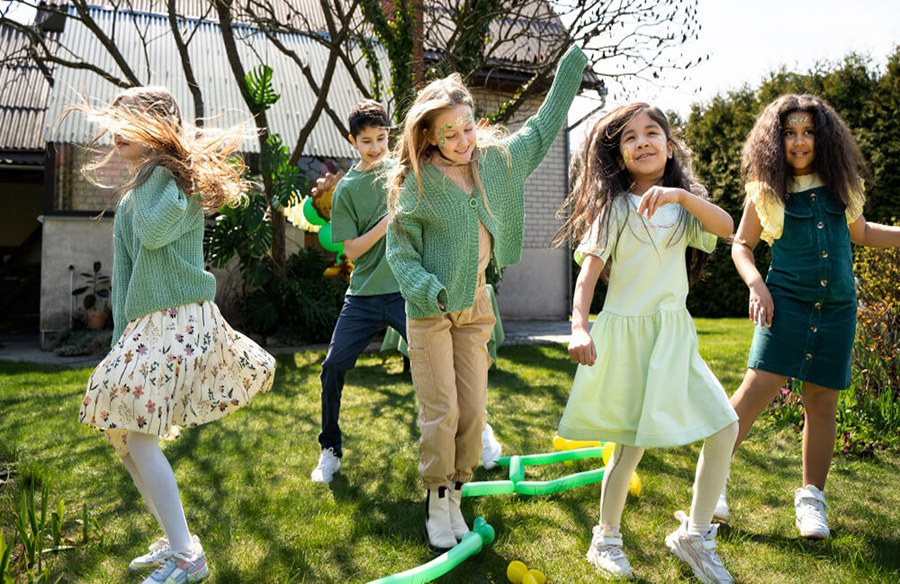
Kids don’t need a theme park to have fun—just a garden with a bit of imagination. With the right ideas, even the smallest outdoor space can become their favourite place to play.
Looking for small garden play area ideas that still leave room for grown-up spaces? You’re in the right place. In this article, we will look at some simple, creative garden play area ideas that work for gardens of all sizes. From outdoor play area ideas like sandpits and obstacle courses to multifunctional benches and zen zones, we’ll help you create a space both you and your children will love.
Key Points
- Creative garden play areas don’t need loads of space or money
- You can mix kids’ zones with relaxing adult areas
- Multifunctional furniture keeps your garden tidy and useful
- Simple DIY ideas like chalkboards and sandpits offer big fun
- These ideas work for any garden size, from courtyards to larger plots
Maintain Comfort In The Garden
Comfort shouldn’t be an afterthought—especially when you’re sharing your outdoor space with little ones. See more in this article about toddler child friendly garden ideas.
Many small garden play area ideas focus heavily on the kids, but it’s just as important to have a corner where adults can sit, relax, and keep an eye on things. A cosy bench with outdoor bench cushions, a shaded spot for a coffee table, or even just a few wooden adirondack chairs can do the trick.
Position this area somewhere out of the way—ideally along the garden edge, away from play equipment or walking paths. That way, you won’t be stepping over toys every time you want to pop outside for five minutes of peace.
Get Your Zen On
 While kids are running around the garden, it’s nice to have a place where you can relax. This is one of the more overlooked garden play area ideas—a space for calm in the middle of the chaos.
A hammock strung between two posts, some thick floor cushions, or even a recliner tucked under a waterproof canopy can create a peaceful hideaway. You don’t need to spend much—think second-hand finds, things you already have, or even a padded picnic blanket.
Of course, if you do fancy dipping into the bank and treating yourself, enjoy these wooden garden lounge furniture where you, your family, and your friends can easily relax whilst the children are at play.
Maximise Your Garden Space by Decluttering
If your outdoor area feels too small to add anything new, start by clearing out what you don’t need. Old plant pots, broken toys, unused furniture—these things can make a space feel more cramped than it really is.
One of the simplest outdoor play area ideas is to make room for play by removing clutter. If you’re not ready to part with items, store them neatly in stackable boxes or storage benches.
Small Garden Children Play Ideas
Now that we have discussed what you should do beforehand when redesigning your garden to balance kids playing with a bit of adult relaxation, here are some of the best small garden children play ideas that you can easily integrate:
1. Waterproof Playhouse
Children love role play, and a waterproof playhouse gives them their own mini world to explore—rain or shine. Whether it’s cooking in a play kitchen or hosting teddy bear tea parties, this type of setup brings hours of fun. Unlike large wooden playhouses that take up too much room and cost a fortune, pop-up gazebos or foldable tents are ideal small garden play area ideas. They’re easy to pack away, versatile, and can double up for family BBQs or summer shade.
For extra flexibility, choose one with sides that can be zipped up or rolled open. You can furnish the space with soft mats, storage baskets for toys, or even hang up fairy lights to make it feel special.
2. Artificial Grass
When exploring outdoor play area ideas, artificial grass is worth considering. It provides a smooth, soft surface that’s great for running, rolling, and tumbling. Unlike real grass, it won’t turn muddy after rain or need regular mowing—perfect if your garden doubles as a play space and a grown-up seating area.
Although the initial cost might be higher, artificial grass can last up to 15 years. Learn about laying astroturf.
3. Sand Pit
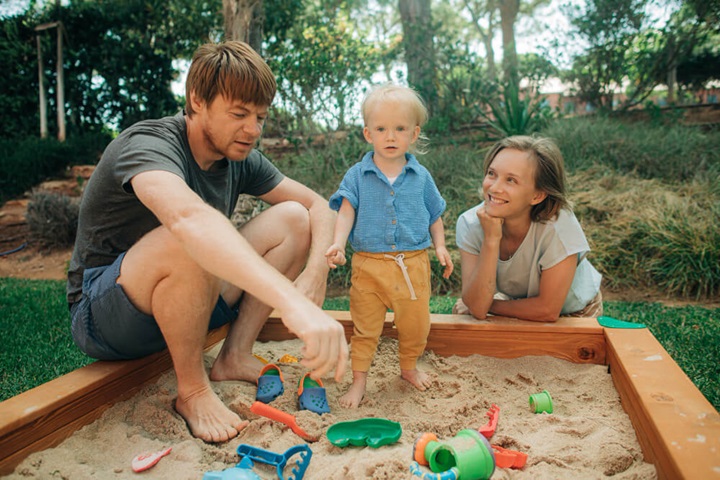 A sandpit is a classic for a reason. It keeps children entertained for hours, sparks creativity, and offers a great sensory experience. Raised plastic versions are simple to set up, but if you like a bit of DIY, you can build one using timber planks.
Make sure to include a cover—a tarpaulin or gazebo works well—to keep the sand clean. Fill it with buckets, diggers, moulds, and spades, and let the building begin.
4. Vegetable Patch
If you want garden play area ideas that mix fun with learning, a small veggie patch is perfect. Even in tight spaces, kids can grow strawberries, peas, or sunflowers. It’s a great way to teach patience and responsibility while enjoying time outdoors.
Give the children their own tools and let them dig, water, and plant. It doesn’t have to be neat—muddy hands and silly names for plants are part of the fun. Small raised beds or planters work well if you’re short on space.
5. Trampoline Fun for All Ages
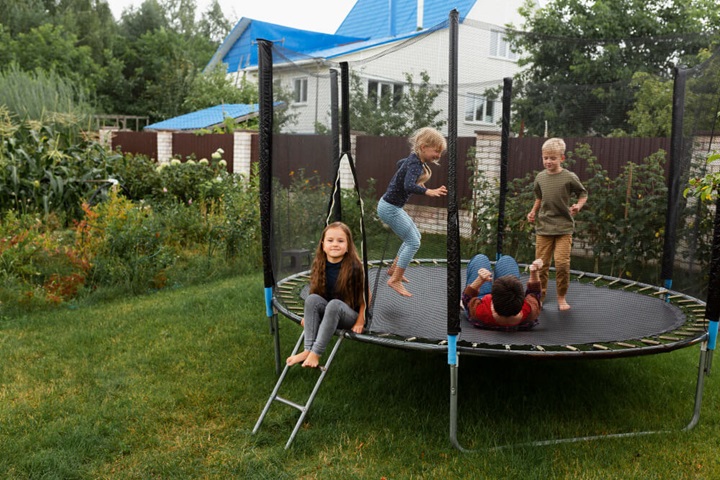 When it comes to garden play area ideas that never get old, trampolines often top the list. They’re great for toddlers finding their balance and older kids who just need to burn off some energy. If safety is a concern, an in-ground trampoline is a smart solution. It keeps the jumping surface low to the ground and makes it easier for younger children to get on and off. You can also opt for safety nets and padded edges to make things even safer.
Trampolines come in a range of sizes, so even if you’re working with limited space, you’ll likely find one that fits your garden setup.
6. Climbing Frames and Swing Sets
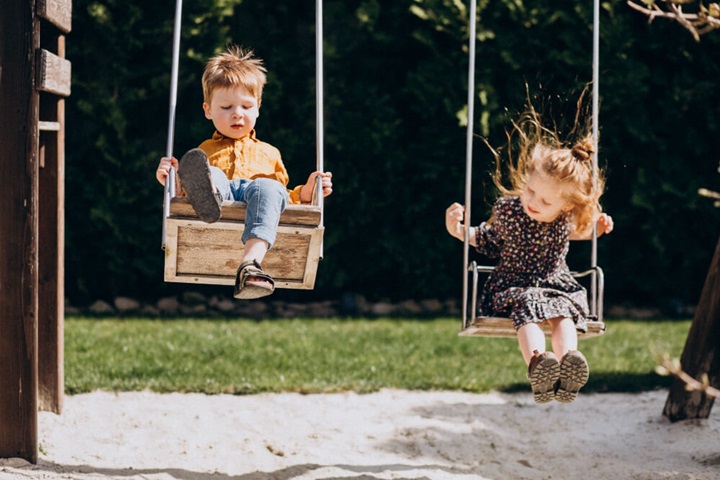 If you’re looking for small garden play area ideas that spark creativity, climbing frames are a great choice too. Kids can climb, hang, slide, and invent all sorts of games. You can secure them directly into the ground, or attach them to an existing playhouse or sturdy garden fence.
Pairing a climbing frame with a swing set creates a ready-made mini playground. Swings are always a hit with kids, offering both fun and a chance to bond. If space is tight, look for single-swing frames or compact options that combine a swing and a slide in one structure.
7. DIY Garden Play Features
For budget-friendly outdoor play area ideas, it’s hard to beat the slip-and-slide. All you need is a long waterproof sheet, pool noodles for the edges, and a hose. Peg it down and you’ve got hours of sliding fun.
You can also build a simple garden race track using chalk, string, or garden-safe paint. Add ride-on toys, cones, or even cardboard tunnels to keep the course interesting.
And for something a bit different, an outdoor ball pit is another smart idea. Like a sandpit, you can build a frame with wooden planks and fill it with plastic balls. It’s fun, colourful, and easy to adapt as your children grow.
In conclusion, creating a garden that works for both children and adults doesn’t need to be complicated or expensive. With a mix of simple small garden play area ideas, practical storage solutions, and creative DIY features, your outdoor space can be fun, tidy, and relaxing.
Check out other outdoor games for kids no equipment needed.
FAQs
How to make sure your garden is suitable for kids?
To make your garden kid-friendly, ensure it’s safe, secure, and stimulating—use soft ground surfaces, avoid poisonous garden plants, fence off hazardous areas, and include age-appropriate play zones with shaded spots for rest.
What are some easy DIY multifunctional furniture ideas?
Try converting a pallet into a toy storage bench or turning an old coffee table into a play station with a chalkboard top. Repurposed crates can become mini garden beds or stools. Keep it lightweight and modular for easy movement.
Can I incorporate learning and nature play in a small space?
Definitely. Add sensory elements like mini herb gardens, bug hotels, or a water play table. These encourage outdoor learning and can be tucked into corners or built into raised beds and bench edges.
Is it worth investing in multifunctional furniture for a small garden?
Yes—especially in compact spaces, where every inch counts. These pieces reduce clutter, maximise usability, and often last longer due to their versatility. They’re also more sustainable in the long run, replacing the need for multiple separate items.
Sources
Payne, A., (2024) The 12 Types of Trampoline Explained. Synergy Gymnastics London. [online] Available at: https://www.synergygymnastics.co.uk/types-of-trampoline/ [accessed 08/05/2025]
About the Author – Callan Harvey
Hi, I’m Callan, a landscape gardening enthusiast with a background in marketing. I combine my passion for creating beautiful outdoor spaces with my skills in marketing to help businesses grow and connect with their customers. Whether it’s designing lush gardens or crafting compelling campaigns, I love bringing creative ideas to life. When I’m not working in the garden, you can find me strategizing digital marketing plans or exploring new trends in both fields.