In many cities today, heat is no longer limited to summer afternoons. It lingers on pavements after sunset, radiates from building walls, and settles into streets that feel warmer than the climate itself would suggest. Walking through dense urban areas often feels physically exhausting, not because of distance, but because the city holds and reflects heat back onto its users. This rising discomfort is not accidental. It is the result of how cities are shaped, surfaced and planned. Urban areas tend to trap and amplify heat, creating conditions where temperatures remain significantly higher than surrounding rural regions, a phenomenon commonly known as the urban heat island effect (RFF, 2024).
Urban thermal behaviour is shaped by everyday design decisions that often go unnoticed. Dark surfaces absorb more heat, narrow streets limit airflow, and the absence of vegetation removes natural cooling mechanisms. Research shows that built materials and dense urban layouts store heat during the day and release it slowly at night, preventing cities from cooling down even after sunset (WRI, 2024). Over time, this accumulated heat affects not only thermal comfort but also health, energy consumption and the way people experience public spaces. Understanding why cities feel hotter than they should is the first step towards rethinking urban thermal design as a critical component of future urban environments.
When Cities Start Trapping Heat
Cities today feel hotter than they should, even on days when temperatures are not extreme. Walking along asphalt roads, waiting at bus stops, or standing between tall buildings often feels suffocating. This heat is not only coming from the sun, but from the way cities are built. Concrete, glass and asphalt absorb heat during the day and release it slowly at night, making urban areas warmer than their surroundings. This phenomenon is known as the urban heat island effect, where cities trap and amplify heat due to surface materials, lack of vegetation and dense built form (RFF, 2023). As a result, nights remain warm, streets feel uncomfortable, and natural cooling becomes difficult.
What makes this condition worse is that many urban spaces are designed without thinking about heat at human level. Wide roads without shade, sealed surfaces, minimal trees and tightly packed buildings reduce airflow and increase surface temperatures. Studies show that urban areas can be several degrees warmer than nearby rural regions due to these design choices (WRI, 2023). For people living in such environments, heat becomes part of daily life, affecting comfort, health and routine activities. The city may look efficient on plan, but on the ground, it often feels harsh. This is where urban thermal design becomes important, not as an added feature, but as a necessary response to how cities actually feel and function.

Designing for Heat, not against it
Cities often try to fight heat with technology instead of understanding it. Air conditioners, sealed glass buildings and dark surfaces are treated as quick solutions, but they often push the problem further outside. Heat gets trapped between buildings, streets absorb more radiation, and public spaces become unusable during the day. Urban thermal design asks a different question. Instead of forcing comfort mechanically, how can cities be shaped to stay cooler naturally? Research on urban heat islands shows that surface materials, building orientation and street proportions play a major role in how heat is absorbed and released in cities (EPA, 2023). Design decisions made at the planning stage quietly decide whether a city feels bearable or exhausting.
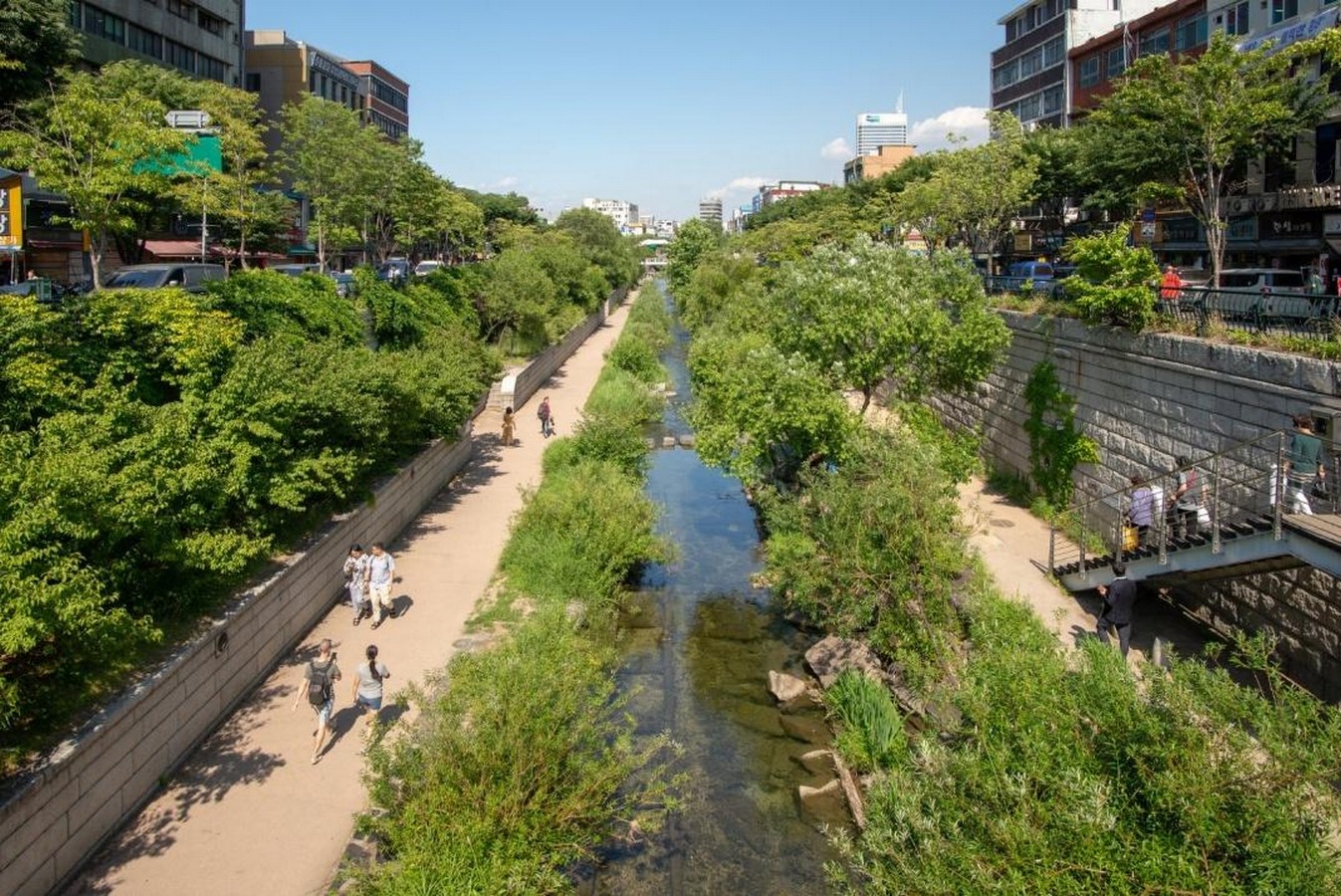
Simple design strategies can make a strong difference. Lighter surface colours reflect heat instead of storing it. Shaded streets, arcades and setbacks reduce direct solar exposure. Buildings oriented to allow wind movement help release trapped heat from dense areas. Green roofs, water bodies and permeable surfaces lower surrounding temperatures by cooling the air through evaporation (WRI, 2023). These strategies are not new, but they are often ignored in fast-paced urban development. When thermal behaviour is considered as part of design, cities stop overheating unnecessarily. They begin to respond to climate instead of resisting it, creating spaces where people can walk, wait and live without feeling constantly drained by heat.
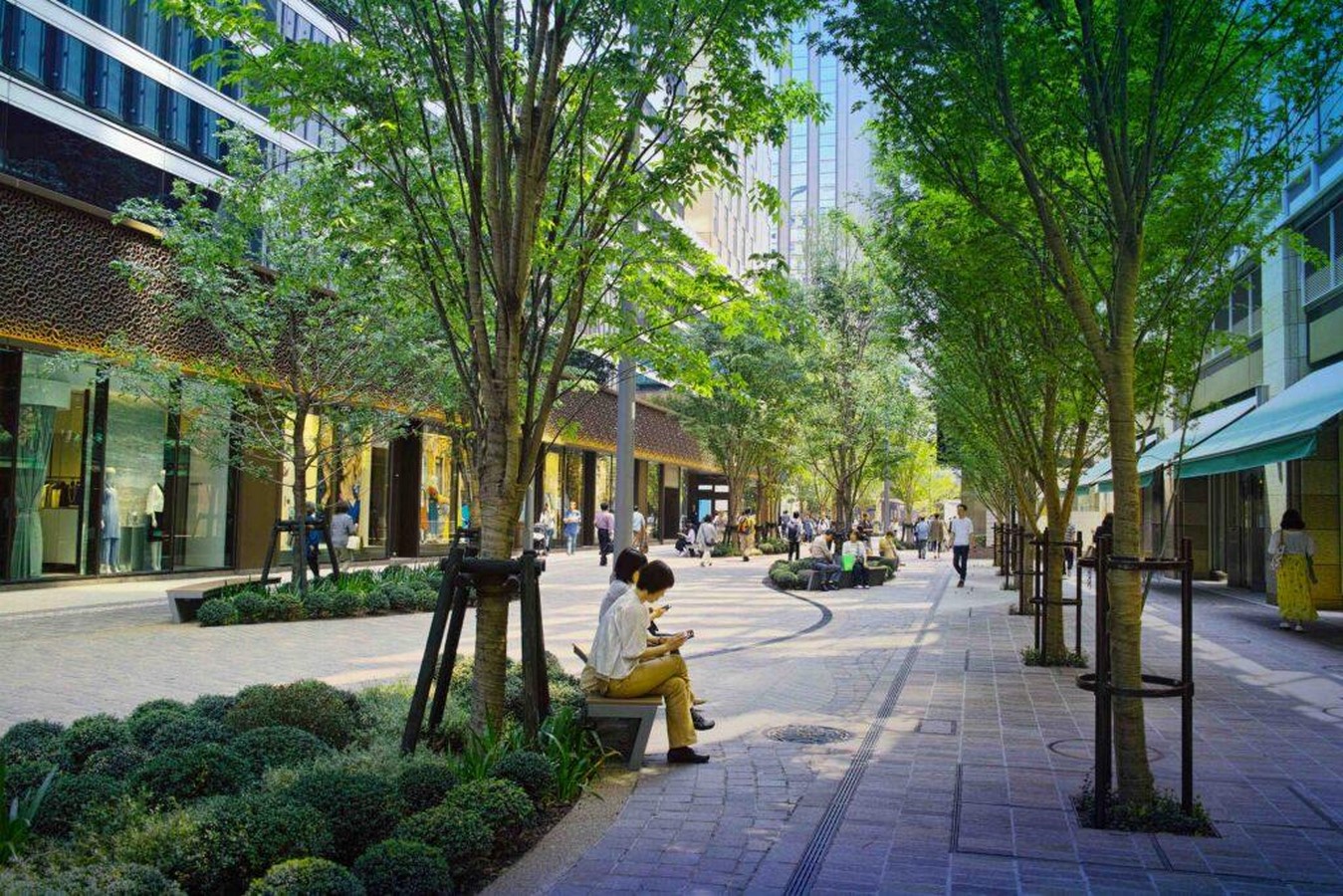
Designing for Shade, Breath and Everyday Comfort
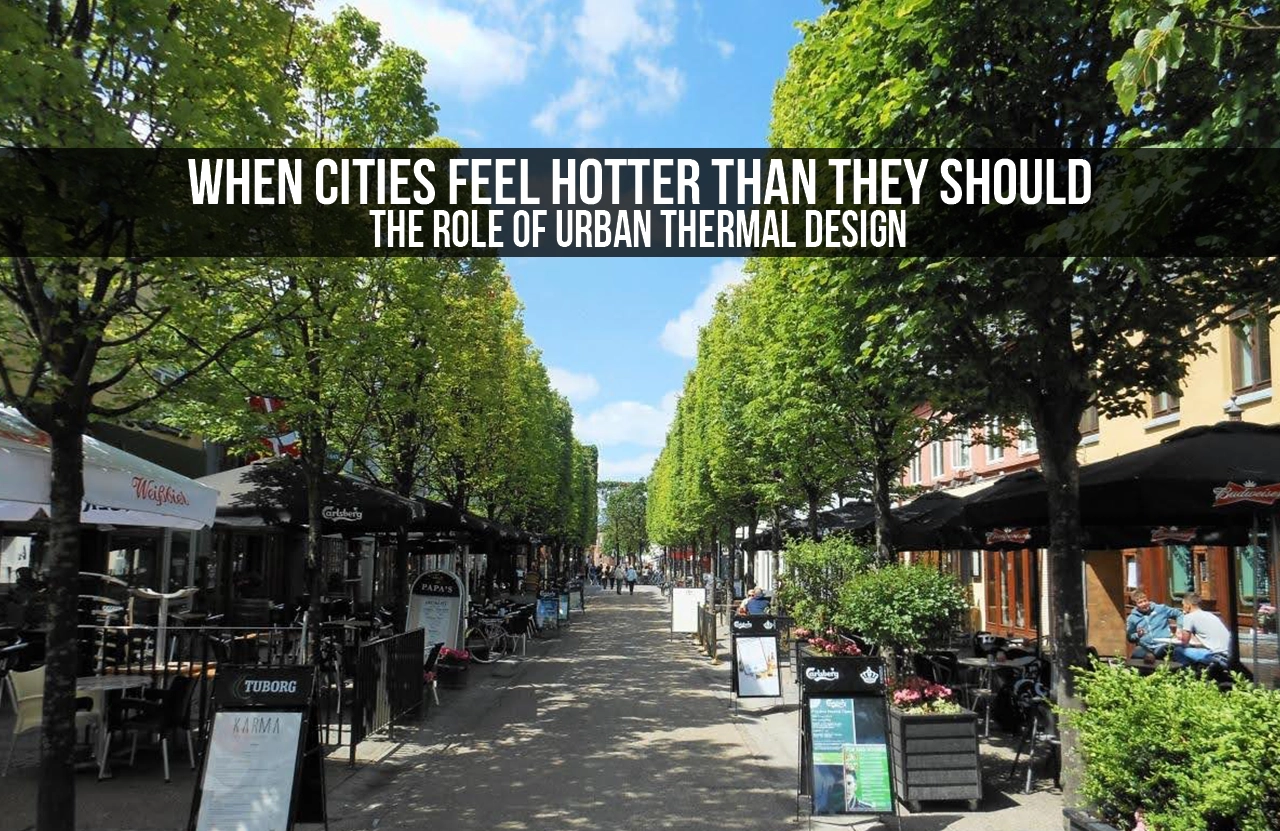
When thermal comfort in cities is not only about temperature readings or climate data. It is about how a space feels when someone walks through it at noon, waits at a bus stop, or sits outside their home in the evening. Urban thermal design becomes meaningful when it responds to these everyday moments. Shade, airflow and surface choices quietly shape how people experience a place. A narrow street lined with trees feels different from an open concrete road, even under the same sun.
Designing for thermal comfort means working with simple yet powerful tools. Tree canopies reduce surface temperatures and create shaded corridors that allow people to move without exhaustion. Building orientation and spacing influence wind movement, helping heat escape instead of trapping it between blocks. Light coloured pavements and reflective roofs reduce heat absorption, while water elements cool the surrounding air through evaporation (WRI, 2023). These strategies may appear modest, but together they transform how a city breathes.
When urban design prioritises shade, ventilation and material sensitivity, public spaces become usable again. Streets invite walking, parks remain active during warmer hours, and neighbourhoods feel less aggressive. Thermal design does not demand futuristic solutions. It asks designers to observe how heat behaves and respond with empathy. By designing for comfort rather than control, cities slowly regain their ability to support everyday life, even as temperatures continue to rise.
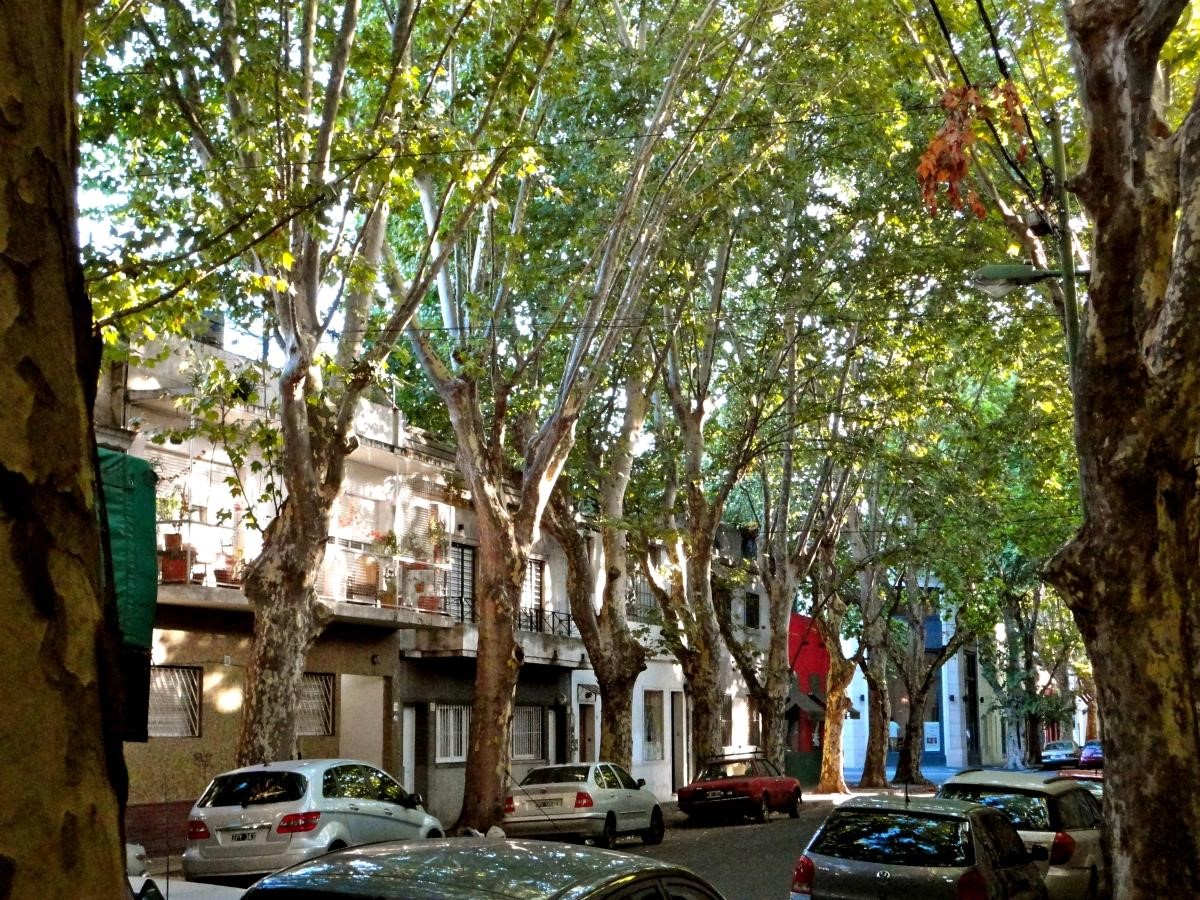
Cities are not becoming hotter only because the climate is changing, but because the way they are designed often ignores how heat behaves at ground level. When streets are sealed with asphalt, buildings are packed tightly, and shade is treated as an afterthought, heat gets trapped and amplified. What people experience daily is not just high temperature, but discomfort, fatigue and reduced quality of life. Urban thermal design brings attention back to these lived experiences, reminding designers that comfort is felt, not calculated.
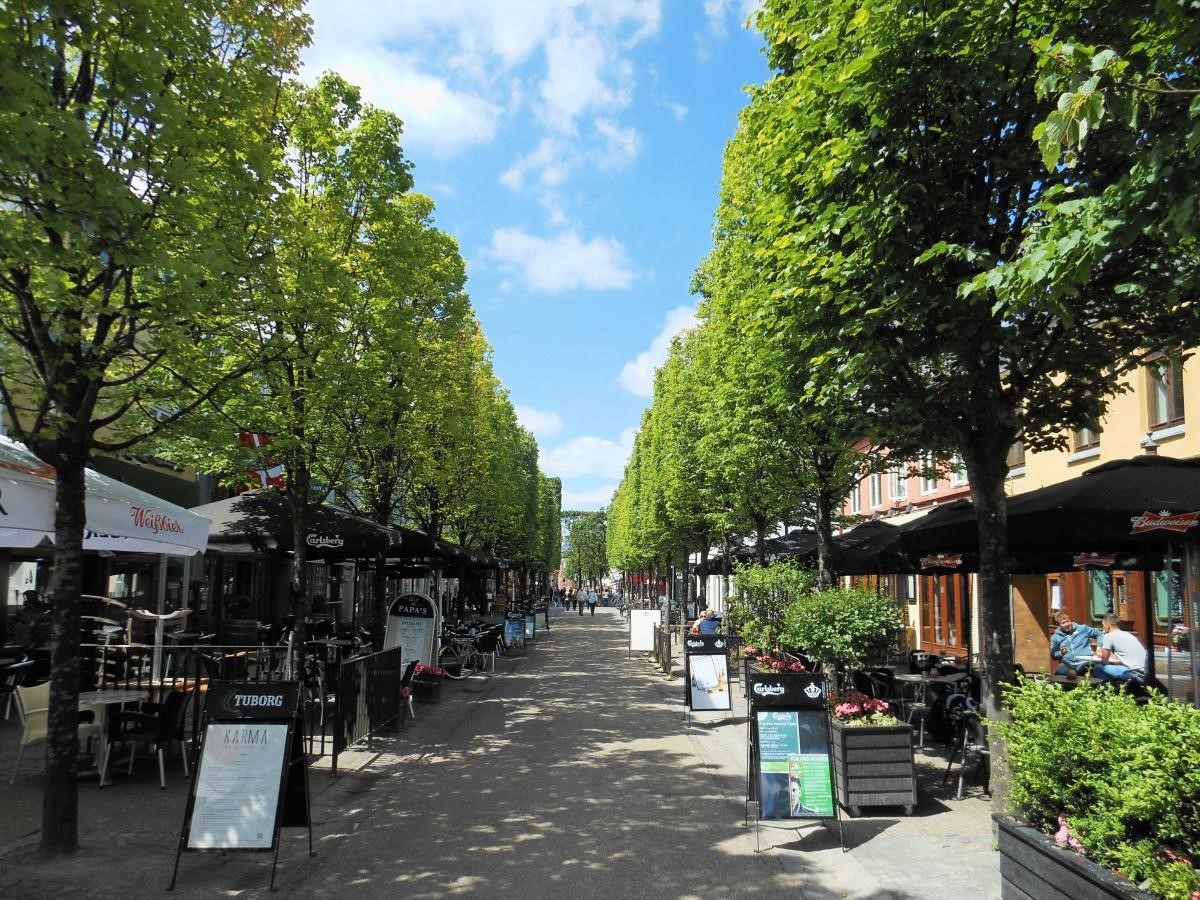
Designing cities that respond to heat does not require complex or futuristic solutions. It begins with understanding how materials absorb heat, how air moves through streets, and how shade and vegetation influence microclimates. Trees, reflective surfaces, ventilated layouts and shaded public spaces work quietly but effectively to cool urban environments. When these elements are integrated thoughtfully, cities become more walkable, healthier and emotionally supportive.
As temperatures continue to rise, thermal comfort can no longer be treated as optional. Urban thermal design must become a core design responsibility rather than a secondary concern. By shaping cities that release heat instead of trapping it, architecture and urban design can help cities feel closer to how they should, breathable, liveable and humane.
Bibliography:
World Resources Institute (WRI) (2024) Urban heat island effect and solutions. https://www.wri.org/insights/urban-heat-effect-solutions
Resources for the Future (RFF) (2024) Urban heat islands 101. https://www.rff.org/publications/explainers/urban-heat-islands-101/
Joint Research Centre, European Commission (2024) Urban heat islands: Managing extreme heat to keep cities cool. https://joint-research-centre.ec.europa.eu/jrc-news-and-updates/urban-heat-islands-managing-extreme-heat-keep-cities-cool-2024-07-22_en
Emeritus (2023) What are urban heat islands? https://emeritus.org/blog/what-are-urban-heat-islands/
Toronto Atmospheric Fund (TAF) (2023) Surviving the heat: What urban design can teach us. https://taf.ca/surviving-the-heat-what-this-summer-taught-us-about-urban-design/
Dassault Systèmes (2023) Designing cities to withstand heat. https://blog.3ds.com/industries/cities-public-services/designing-cities-to-withstand-heat/