Architecture extends far beyond the act of constructing buildings. It’s a way of seeing things; places, buildings, streets, cities and the world. As a discipline, architecture influences the way a user reads a space, understands and interprets and finally forms an interaction with its environment. This leads architects to answer a very important question: can architecture perhaps affect the way a person feels? Can it enhance positivity through spatial elements, foster calmness and productivity through intelligent use of colours and shapes? Does architecture truly hold the power to shift and change the way we perceive our surroundings?
Visual Perception
Everything that a user experiences around themselves is an amalgamation of information received through their senses. Visual perception can be a powerful tool for architects to influence spatial awareness, consciously or unconsciously.
All built spaces are created by the deliberate organisation of elements that are determined by principles of design like proportion, rhythm, balance, material, mass, and void. These elements of design are far more than mere aesthetic devices. These elements direct movement, emphasise, and establish order in space. Some spaces are tranquil, some overwhelming, and some are awe-inspiring, not by accident, but by design. Architecture teaches us that the human eye and brain are constantly decoding spatial information, often unconsciously so, about how a space is to be experienced or remembered. Our perception is a result of our reality. All that we see, touch, taste, and smell impacts us. Architecture offers a very logical skillset to decode what impacts these elements of design. Perhaps if we could better understand what these elements mean, then we could design better spaces that contribute to a positive human experience.
This understanding extends from architectural structures to the broader environment. Streets, campuses, interiors, and public spaces start to reveal themselves as layered compositions instead of isolated entities. The knowledge of these elements helps designers to design spaces that cater to human senses; designing for rigidity vs flexibility, monotony vs drama, chaos vs peace. People often experience such environments, but architecture as a discipline teaches the “why”. Why does the scale of buildings on a street make users feel alienated or safe? Why do certain colours make users feel excited and others dull? Architectural thinking enhances one’s sensibilities for visual unity and helps reiterate that unity in terms of design, part and whole.
Experiences influence creativity
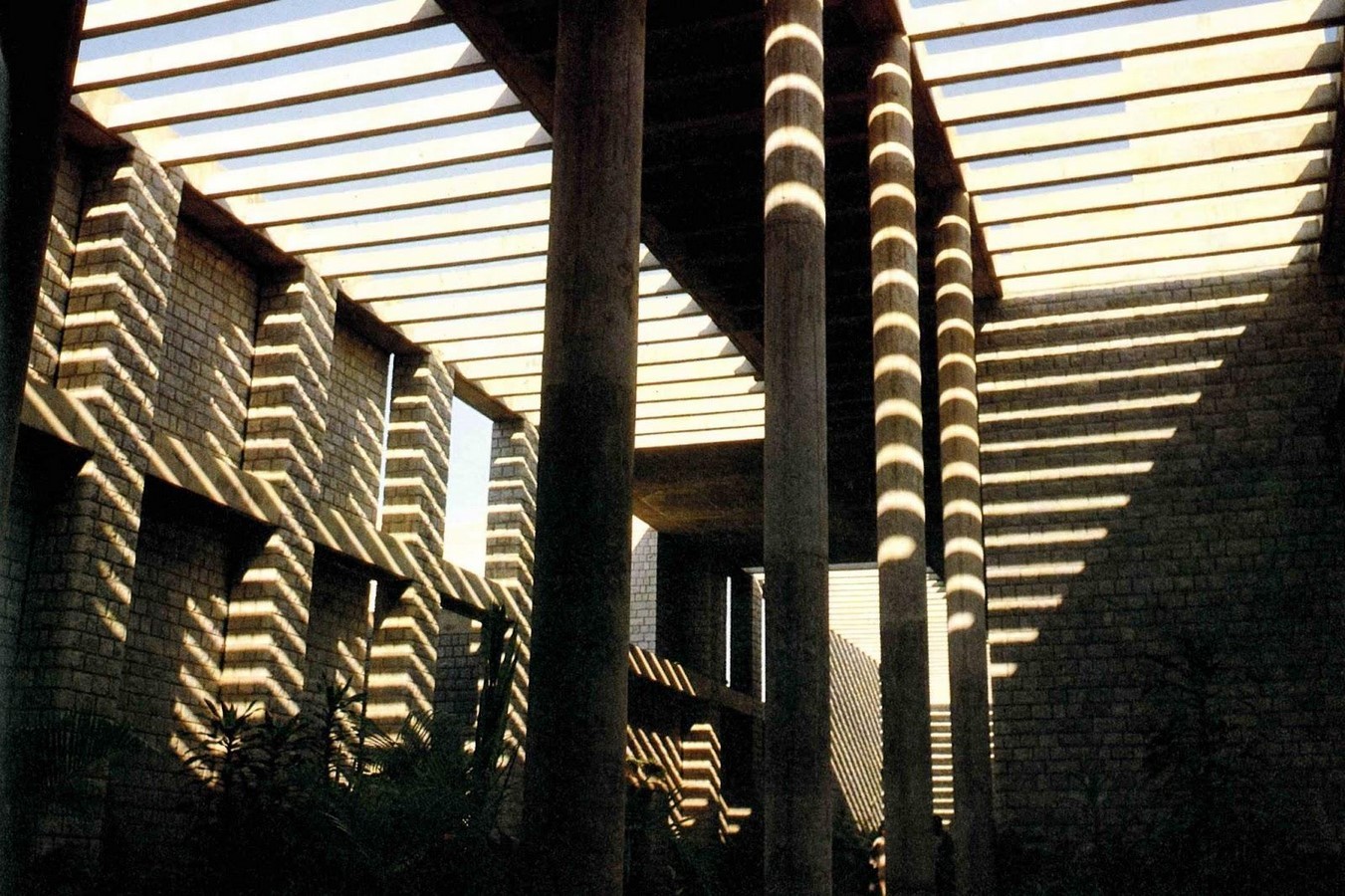
Architectural study also reshapes the understanding of learning and creativity. Observations from educational environments demonstrate that learning does not occur solely within classrooms. Informal spaces, such as corridors, courtyards, workshops, and landscapes, play an equally important role in shaping intellectual exchange and creative growth. Well-designed environments encourage curiosity, collaboration, and experimentation, while poorly designed ones restrict interaction and dull sensory engagement. For example, the courtyards in a campus environment can create small pauses, fostering an informal structure to engage and discuss ideas more freely than in a classroom environment. Similarly, the long corridors with heightened ceilings give a sense of expansion or freedom after a long day studying in an enclosed classroom. The spatial elements of design, such as play with scale, create a visual drama that some may or may not actively realise, but always feel. Similarly, understanding the role of colours, sound, and materiality can help us design spaces that are more grounded and more present. Understanding the way our senses interact with our spatial elements can hugely benefit the user and may create a better learning experience for them.
Empathy through design
A deeper engagement with architecture brings attention to user experience as a fundamental design consideration. Spaces are not experienced in abstraction; they are lived in. The way individuals enter, move through, pause within, and exit a space determines how it is understood and remembered. Elements such as light and shadow, shifts in scale, framed views, and moments of visual emphasis influence emotional responses, often more powerfully than form alone. This approach emphasises empathy in design, reinforcing the importance of responding to human needs rather than imposing on them.
Movement
Architecture also introduces an awareness of movement with time in spatial experience. Built environments are rarely perceived in a single moment; they unfold gradually. Repetition, variation, and progression create rhythm, guiding both eye and body through space. Understanding this tangible nature of time helps designers to design with it and not against it. Time also influences materiality. The rusting of copper singles, the ageing of wooden flooring, or the discoloration of brick walls over time, shows the tangibility of the world we live in. Instead of suppressing and making things crisp and clean, why not have these architectural elements be designed with time as a factor? Why can we not embrace time as the fourth dimension and let nature influence or design along with us?
Social Responsibility
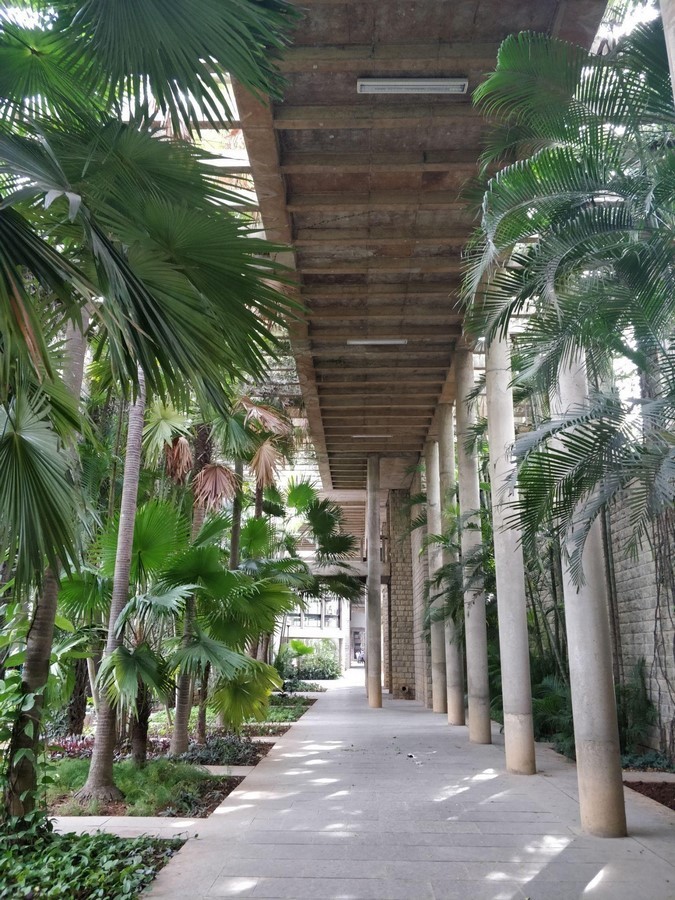
Design impacts behaviour and influences the mental well-being of a person. There are designing principles such as scale, openness, and materiality that can make the atmosphere inclusive or exclusive, a place of engagement or isolation. Architecture can thus be considered far from being a neutral act; it is ethical and cultural in nature. Thoughtful design can uplift daily life, while negligent or insensitive design diminishes it.
Architectural education also fosters patience for critical observation. This discipline requires careful analysis, iteration, and readiness for multiple meanings. It teaches one to question the context, purpose, and consequences instead of looking for quick fixes. Such a thinking approach will carry over to design practice, environmental evaluation, and complex problem-solving in daily life.
Why Architecture?
Architecture ultimately redefines how space, people, and experience are understood. It reveals the built environment as a powerful medium of communication, one that quietly shapes perception, behaviour, and memory. By learning to read spaces, question their impact, and understand their influence, architectural thinking enables the creation of environments that are more engaging, responsive, and meaningful. Beyond buildings, architecture becomes a way of seeing the world with greater awareness, responsibility, and intent.