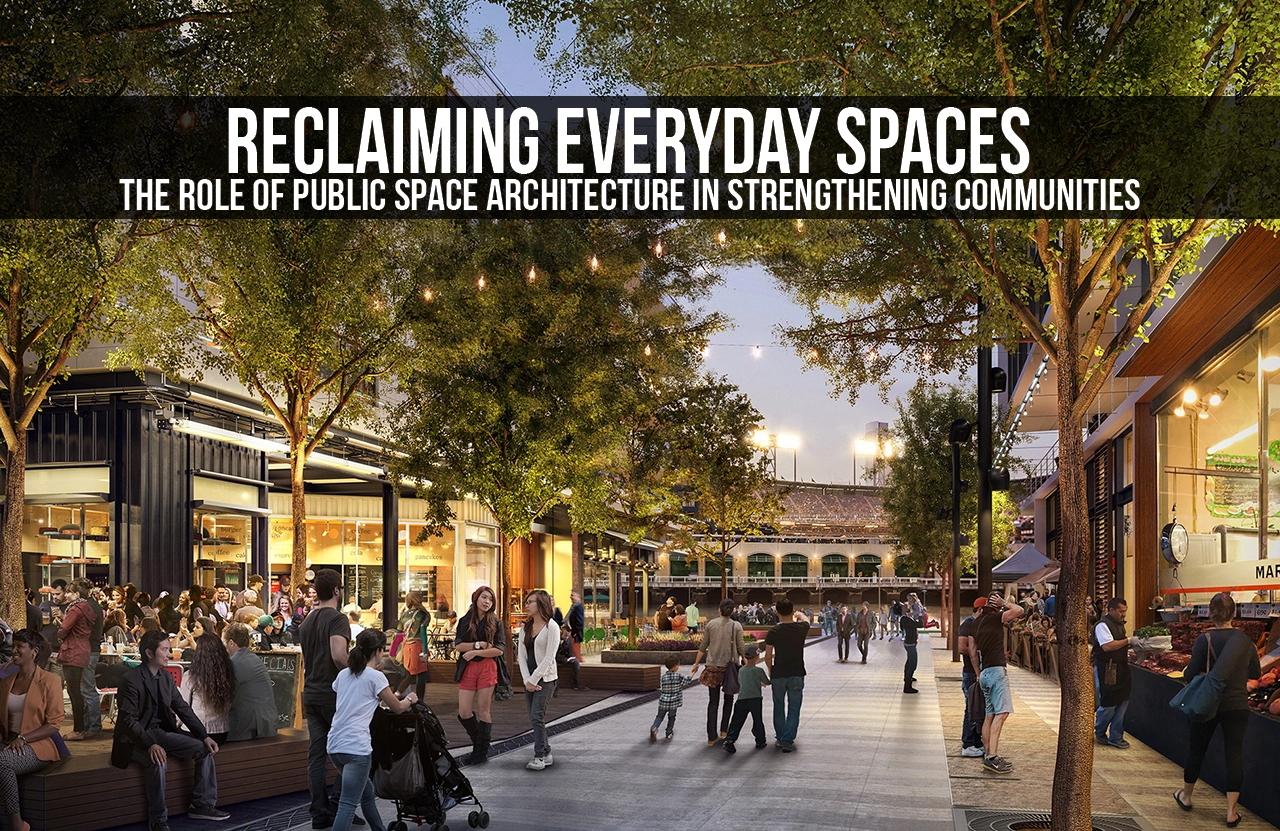
Public space architecture has become a vital tool in reimagining how communities engage, coexist, and grow within rapidly changing urban environments. As cities expand and density increases, the need for inclusive, accessible, and human-centered public spaces becomes more urgent than ever. Contemporary design now focuses on improving everyday interactions—through parks, plazas, streetscapes, neighbourhood nodes, and micro-interventions that elevate quality of life. These public realms shape cultural exchanges, support social well-being, and offer platforms for shared experiences, reinforcing the idea that well-designed spaces can influence stronger and more resilient communities.
Human-Centered Approaches in Public Space Architecture
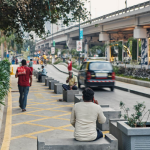
Public space architecture prioritizes people over structure, ensuring that the spatial experience is intuitive, safe, and culturally relevant. Designers increasingly embrace social behaviours, accessibility needs, and psychological comfort as critical components of spatial planning. Human-centered design promotes walkability, shaded resting points, safer pedestrian crossings, and inclusive edges where people naturally pause and interact. It also integrates passive surveillance, universal design principles, and barrier-free access to welcome all user groups—including elderly individuals, children, and people with disabilities. By foregrounding human behaviour, public spaces create environments where individuals feel a sense of belonging and trust.
Urban designers today understand that the success of public spaces lies not in scale but in adaptability, flexibility, and emotional resonance. Small interventions such as cluster seating, shaded nooks, community notice boards, and informal play zones can transform ordinary neighbourhood corners into warm, active social environments. This approach strengthens the bond between people and place, making public space architecture an essential catalyst for community building.
Cultural Identity and Place-Making Through Design
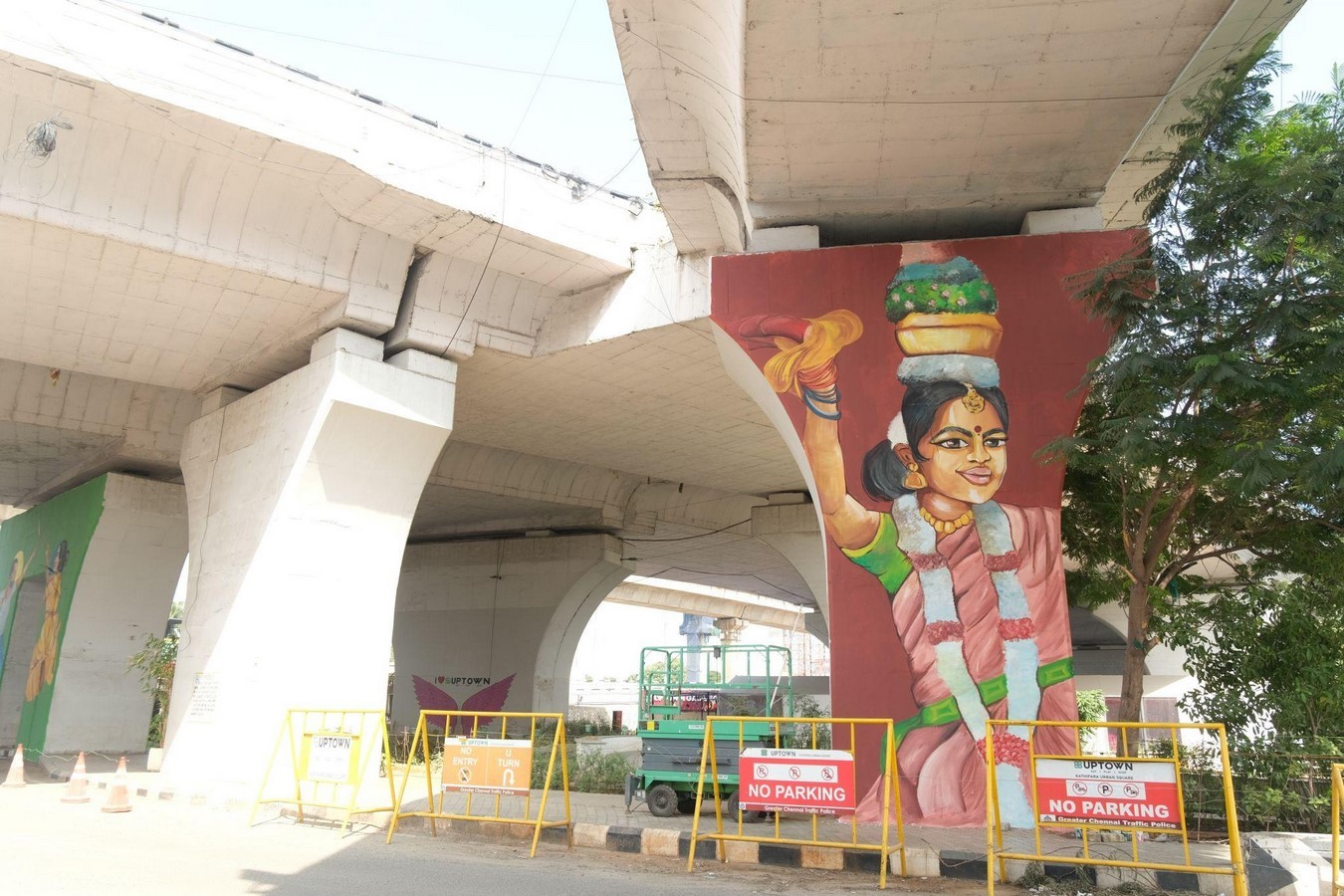
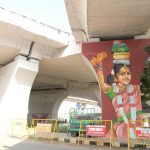
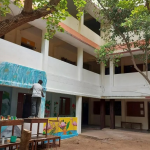
When communities see their stories reflected in public spaces, they develop deeper emotional connections to their environment. Public space architecture plays a significant role in expressing local culture, traditions, and collective memory. Designers increasingly collaborate with local artisans, craftspeople, and cultural leaders to shape context-sensitive spaces that honour the heritage of the region. Whether through material choices, motifs, public art, or community workshops, these interventions celebrate uniqueness and foster a sense of shared ownership.
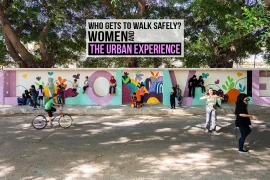
Place-making strategies enhance the character of neighbourhoods by preserving cultural identity while accommodating contemporary needs. For example, incorporating traditional craft techniques in seating, screens, or pavilions not only enhances aesthetics but also supports local economies. Similarly, integrating community murals, storytelling walls, and interactive installations invites people to engage with the space in more meaningful ways. In this sense, public space architecture becomes an evolving canvas that represents collective expression and cultural resilience.
Reimagining Neglected Urban Pockets
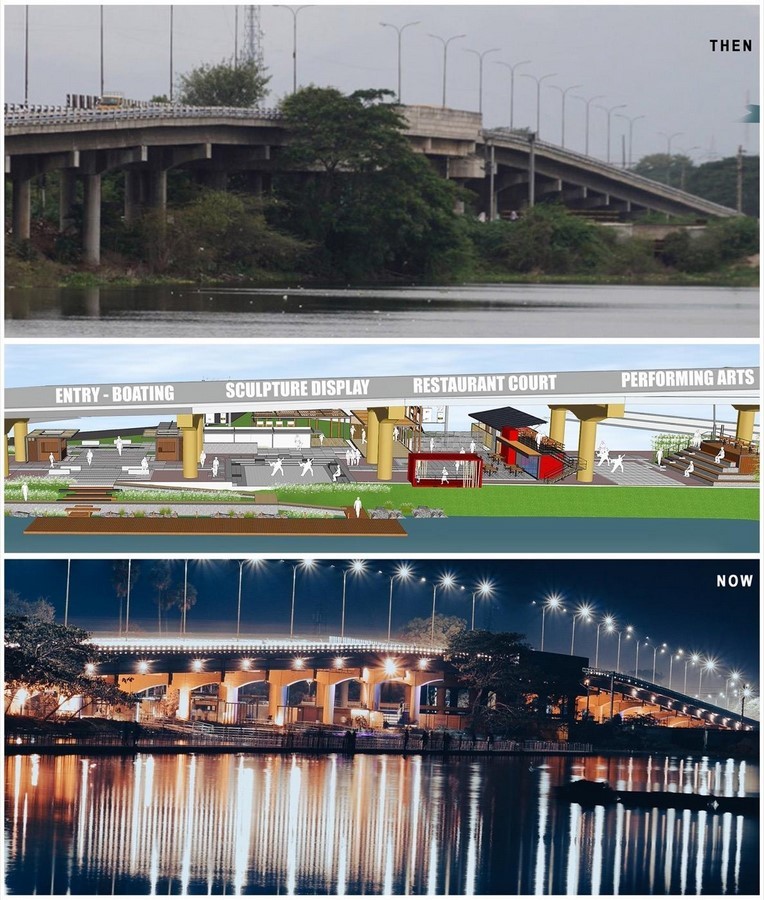
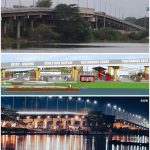
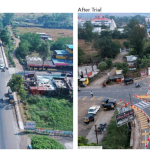
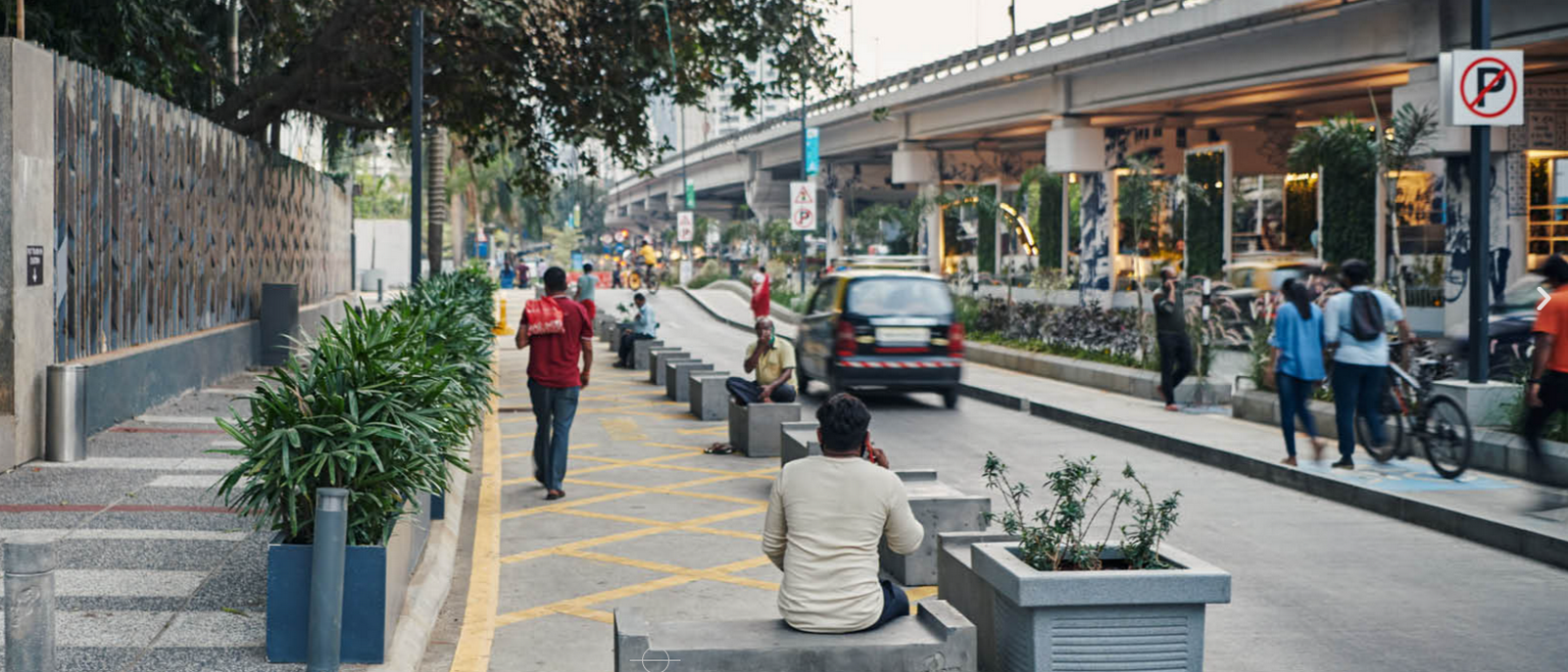
Urban environments often contain forgotten or underutilized pockets—flyover undercrofts, service lanes, dead walls, abandoned lots, and leftover fragments created by infrastructure. Through strategic interventions, these neglected spaces can be reclaimed and transformed into vibrant social assets. Public space architecture has the power to activate these areas by introducing amenities such as pocket parks, micro-libraries, shaded pavilions, outdoor seating, and play zones that encourage community engagement.
Reviving these forgotten zones also contributes to safer public environments. Increased footfall, improved lighting, and programming encourage positive use of space and discourage antisocial behaviour. Moreover, low-cost tactical urbanism strategies such as painted streets, movable furniture, temporary installations, and community-led workshops offer quick and scalable solutions. These interventions demonstrate that even the smallest spaces hold the potential to catalyse significant social change when thoughtfully designed.
Environmental Responsiveness in Public Space Architecture
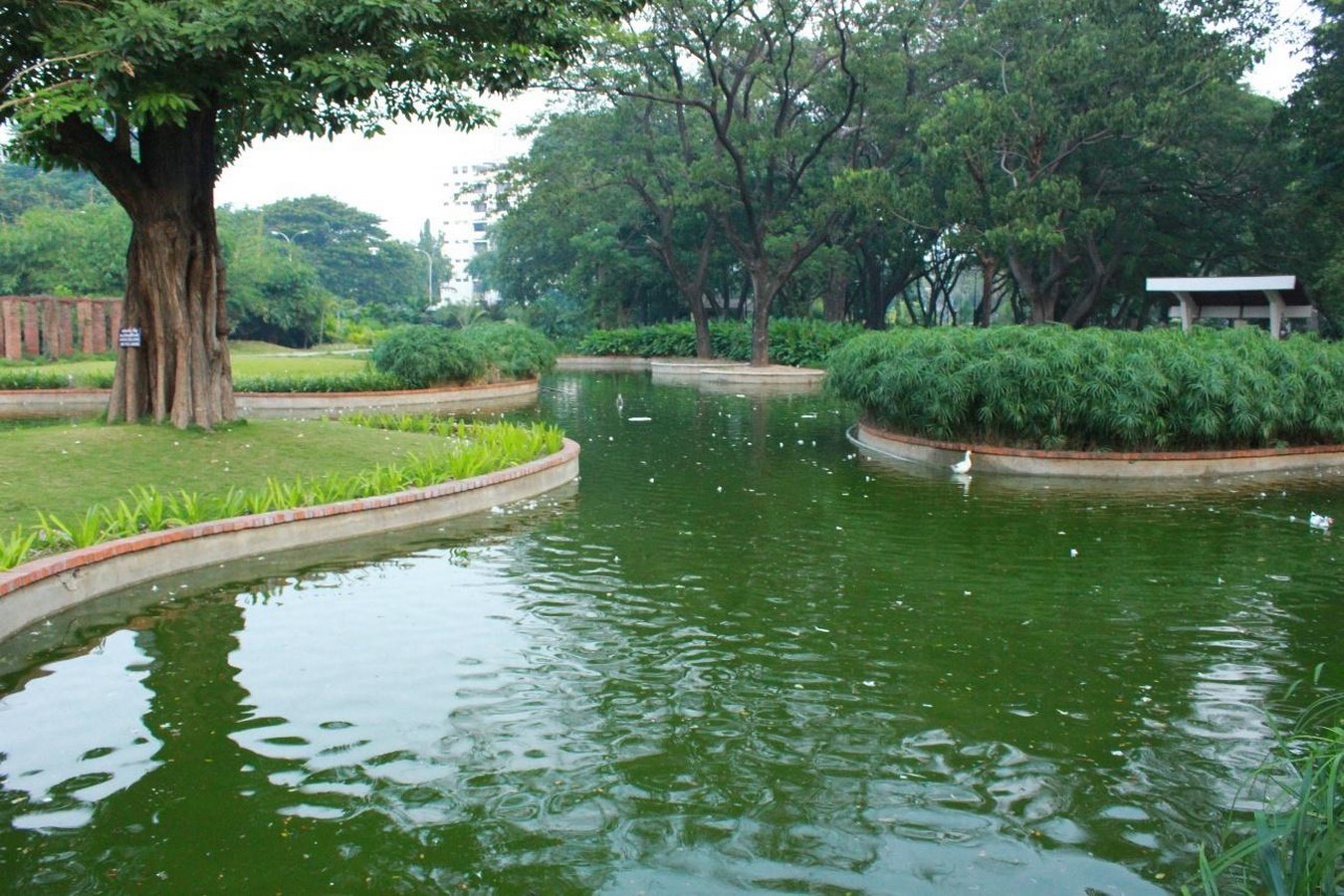
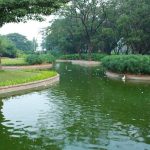
Climate sensitivity is increasingly shaping the way public spaces are designed. Public space architecture now goes beyond aesthetics to address environmental challenges through passive cooling, efficient shading, and sustainable material selection. Designers incorporate native vegetation to reduce heat island effects, permeable surfaces to improve water absorption, and renewable materials to lower ecological impact. Elements such as bioswales, green corridors, and rain gardens contribute to ecological resilience, especially in dense urban settings.
Environmental responsiveness also enhances user comfort. Shaded pathways, orientation-sensitive seating, and tree-lined promenades create microclimates that improve walkability and outdoor usability. Water features, cooling towers, and evaporative landscaping strategies introduce thermal comfort while enriching spatial experience. By prioritizing climate resilience, public space architecture fosters environments that remain usable and inclusive throughout changing weather conditions.
Community Participation and Shared Ownership
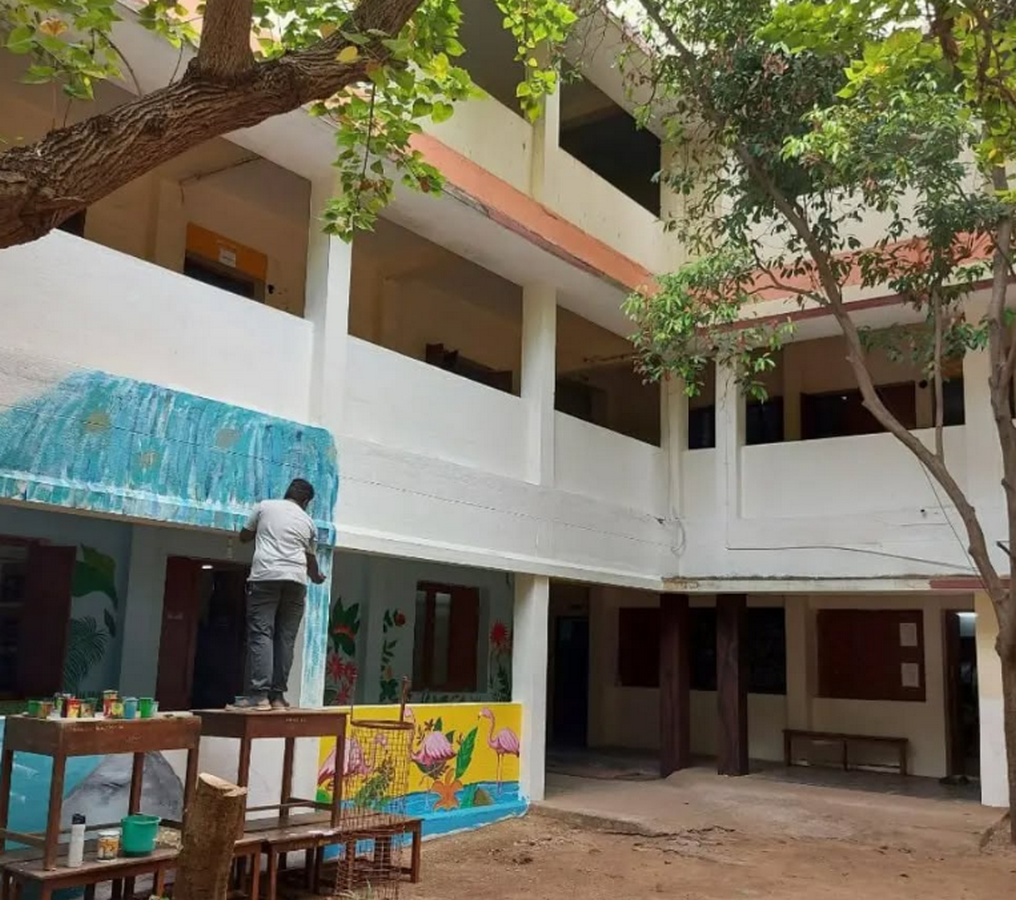
Public spaces thrive when communities are involved in their creation and evolution. Participatory design ensures that spaces reflect the actual needs, aspirations, and cultural values of their users. Public space architecture succeeds when decision-making is shared—through co-design workshops, neighbourhood consultations, surveys, and local partnerships that encourage active engagement. When users contribute to shaping their environment, they develop emotional investment that leads to long-term stewardship and maintenance.
Community-driven initiatives nurture social responsibility and strengthen interpersonal bonds. Local residents often contribute ideas for programming such as festivals, art installations, recreational activities, or weekend markets. As people take part in these collective processes, public spaces transform into shared assets that evolve with community needs. Participation also increases transparency, builds trust, and promotes a more democratic approach to urban development.
The Power of Micro-Interventions in Everyday Life
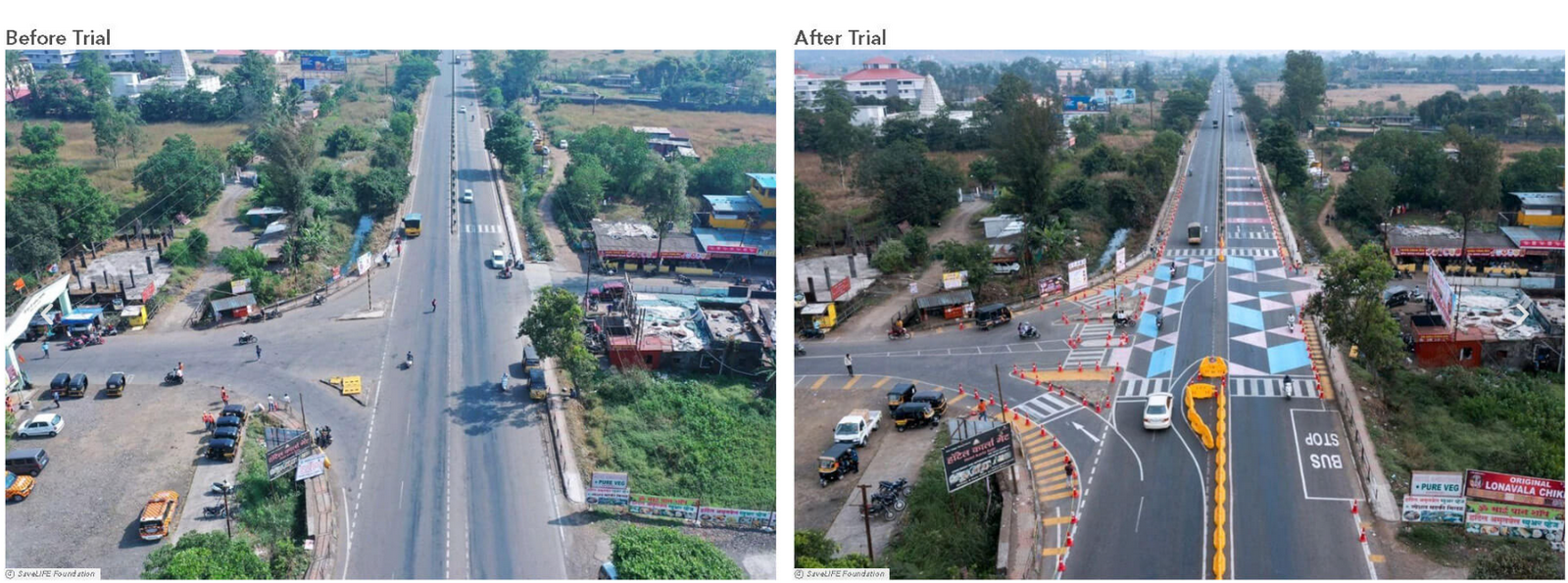
Micro-interventions—small, strategic, and often low-cost design actions—have emerged as powerful tools in reshaping urban experiences. These interventions include shaded seating clusters, widened footpaths, informal play areas, pocket gardens, and multifunctional steps that invite social interaction. Public space architecture leverages micro-interventions to address immediate community needs without requiring large infrastructural changes.
These small-scale designs often produce large-scale impact by improving pedestrian experience, encouraging outdoor activities, and creating nodes for social gathering. Micro-interventions bring design directly into the hands of citizens, making spaces more accessible and community-friendly. Their flexibility allows them to be replicated or scaled based on the unique conditions of each neighbourhood. As cities continue to densify, micro-interventions will remain essential in making public spaces more human-centred and inclusive.
Public space architecture plays a transformative role in shaping social connections, cultural identity, and environmental resilience within urban communities. Through human-centred design, cultural place-making, environmental responsiveness, micro-interventions, and participatory processes, these spaces become vital platforms for everyday interaction and collective belonging. In an era where cities grow rapidly and public life becomes increasingly fragmented, well-designed public spaces hold the power to reinforce social cohesion and elevate the overall quality of urban living. As communities continue to evolve, public space architecture will remain fundamental in creating inclusive, vibrant, and resilient environments that reflect the shared values and aspirations of the people.
IMAGE CITATIONS:
1 StudioPOD (n.d.) One Green Mile. [Photograph].
Available at: https://studiopoddesign.com/portfolio-item/one-green-mile/ (Accessed: 11 December 2025).
2 Rajendaren, K. (n.d.) Uptown, Kathipara Urban Square. [Photograph].
Available at: https://www.linkedin.com/posts/kowshigha-rajendaren-65b423aa_streetart-activity-7396824855746289664-HCwU?utm_source=social_share_send&utm_medium=member_desktop_web&rcm=ACoAADOaEqsBmKQ-eyNwp3EgMfyUMtkIeQs9dos (Accessed: 11 December 2025).
3 Oasis Designs (n.d.) The Verandah – Under Flyover Transformation. [Photograph].
Available at: https://oasisdesigns.org/ (Accessed: 11 December 2025).
4 Semmozhi Poonga (n.d.) Semmozhi Poonga Landscape Environment. [Photograph].
Available at: https://semmozhipoonga.org/ (Accessed: 11 December 2025).
5 Vriddhagami (n.d.) Community Painting of Tamil Nadu School Walls. [Photograph].
Available at: https://www.instagram.com/p/ClL6hd-SagS/?hl=en&img_index=5 (Accessed: 11 December 2025).
6 StudioPOD (n.d.) Tactical Urbanism at Karla Phata. [Photograph].
Available at: https://studiopoddesign.com/portfolio-item/tactical-urbanism-at-karla-phata/ (Accessed: 11 December 2025).