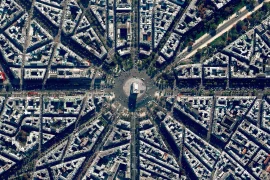
Cinema often explores emotion through characters and storytelling, yet it has always relied on architecture and space to shape how those stories are felt. The built environment becomes part of visual storytelling, guiding mood, perspective and meaning through framing, texture and spatial rhythm. In Wim Wenders’ Perfect Days (2023), this relationship becomes especially clear.
The narrative follows Hirayama, a quiet and disciplined man whose work involves cleaning public toilets in Tokyo. The simplicity of his routine reveals a world shaped not by dramatic events but by the spaces he inhabits. Tokyo’s compact streets, subway corridors and thoughtfully designed public toilets are treated with the same attention normally reserved for lead actors. They become more than context. They guide behaviour, shape mood and give structure to Hirayama’s life.
By presenting these overlooked settings with care and intention, Perfect Days highlights how architecture influences the experience of ordinary moments. Material choices, spatial rhythms and subtle environmental cues create an atmosphere where dignity and modesty coexist. The film suggests that the built environment has the ability to support emotional depth, even when life appears quiet or routine.

Tokyo as a Living Architecture
In Perfect Days, Tokyo is presented not as passive scenery but as a responsive environment that shapes the rhythm of the protagonist’s life. The city’s textures and spatial qualities are observed with care. Narrow walkways, filtered sunlight on concrete surfaces, tree-lined streets and the measured symmetry of subway stations form a quietly consistent backdrop to Hirayama’s daily routine. These sights are ordinary, yet through the film’s framing they gain presence and weight, revealing how everyday spaces contribute to emotional tone and personal rhythm.
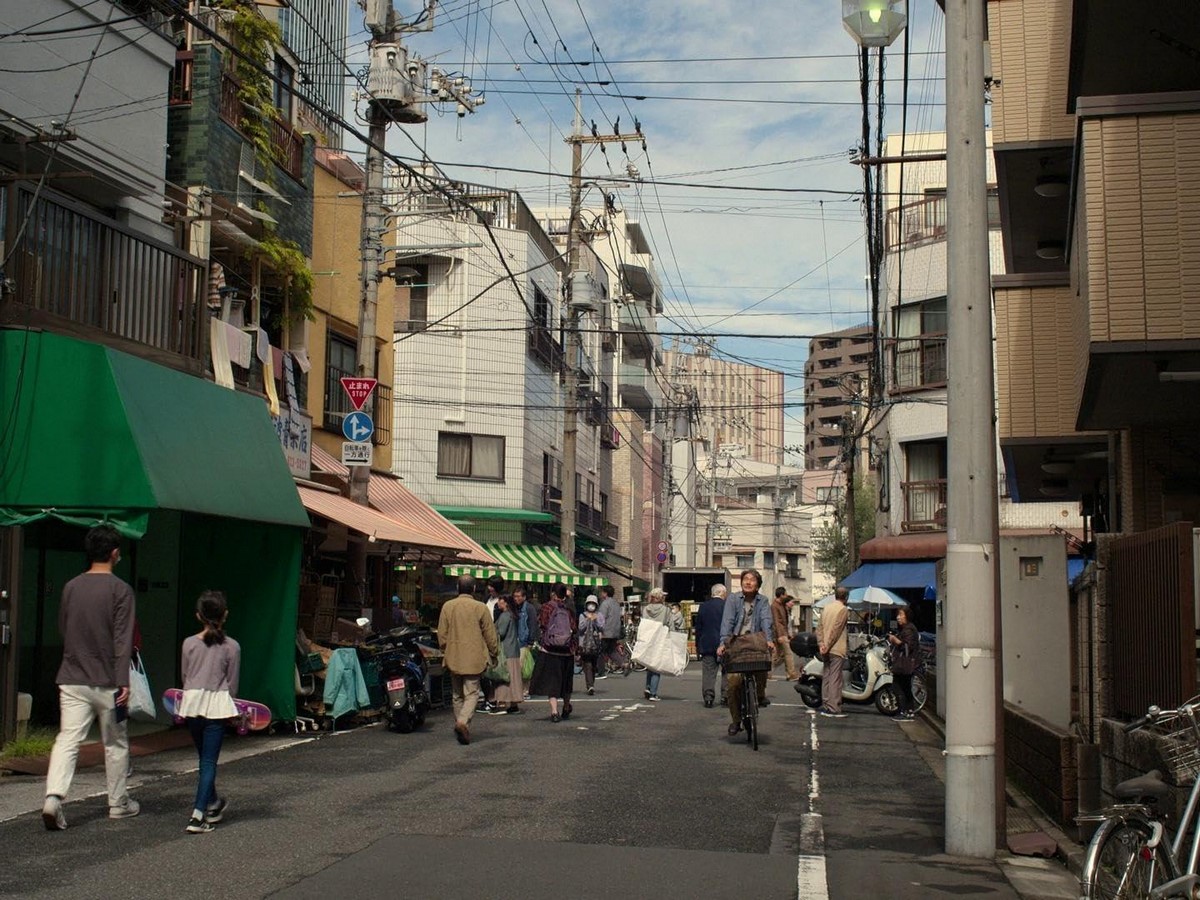
The repetition of movement across the city reflects the structure of Hirayama’s life, yet each day offers small changes that prevent routine from becoming static. Shifts in weather, light or season subtly transform the familiar, suggesting that architecture is never entirely fixed but constantly experienced in relation to time. Tokyo appears both fast and slow, expansive yet intimate, and this duality mirrors Hirayama’s quiet existence. The city becomes a character through experience rather than declaration, giving the narrative a spatial depth that supports the film’s reflective mood.
Public Toilets as Works of Design
One of the most compelling architectural threads in Perfect Days is its focus on Tokyo’s public toilets. What might initially seem like ordinary civic facilities are revealed as places shaped with intention, care and cultural value. Many of the toilets shown in the film belong to the Tokyo Toilet Project, a real initiative where architects including Tadao Ando, Shigeru Ban and Kengo Kuma reimagined the public restroom as a space centred on dignity, accessibility and design clarity. The film treats these structures with the same level of attention typically given to significant public architecture.
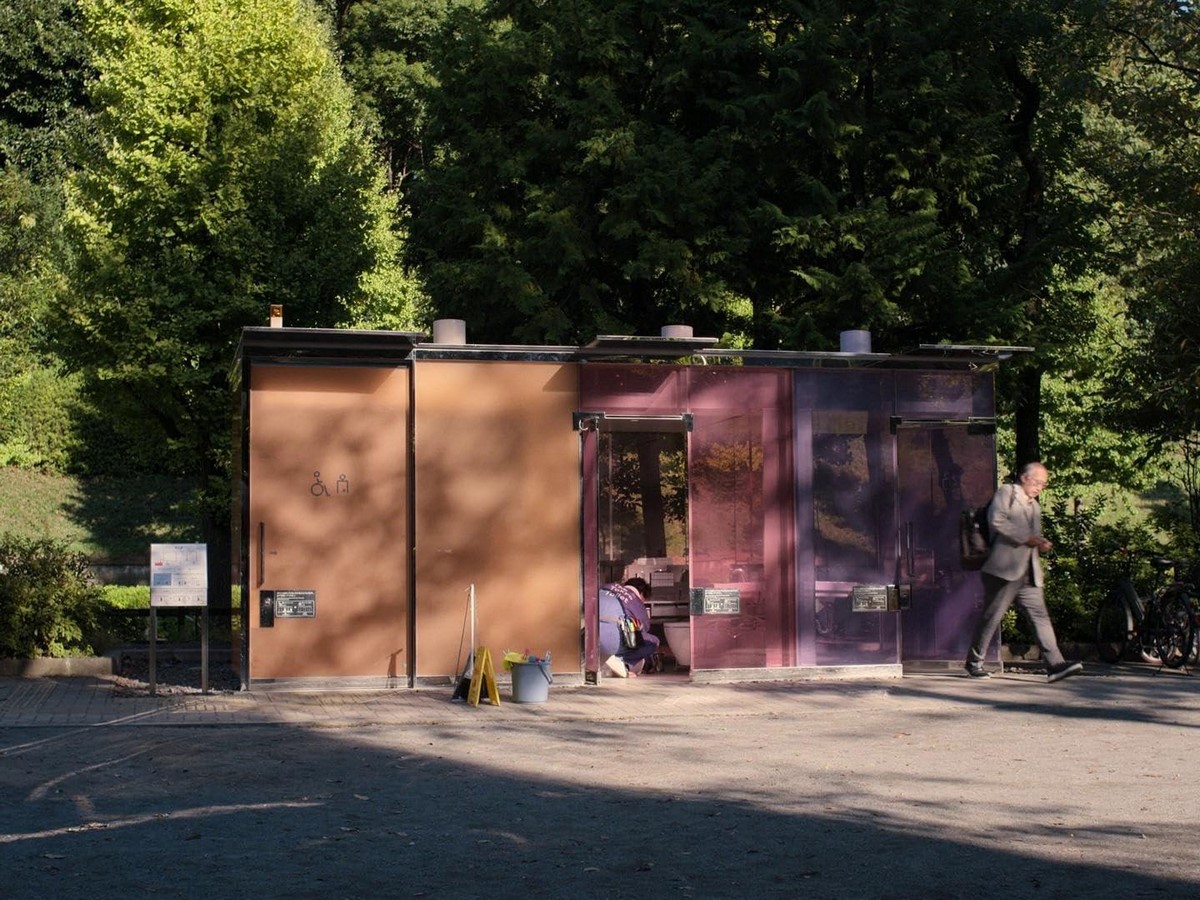
Hirayama’s slow, deliberate cleaning routine transforms these spaces from simple infrastructure into sites of meaning. Their materiality, form and function are not treated as background detail but as expressions of respect and civic trust. Shigeru Ban’s translucent-walled toilet becomes a metaphor layered with ideas of openness and accountability, while Kengo Kuma’s softer organic geometries suggest a dialogue between built form and nature. Through this framing, Perfect Days makes a quiet argument. Architecture does not need scale or spectacle to hold cultural weight. It can also exist quietly, within everyday places where design serves the public without demanding recognition.
Light, Shadow, and Minimalism
If Tokyo sets the rhythm and the public toilets provide the anchor, it is light and shadow that give Perfect Days its quiet poetry. The film observes space through shifting atmospheres rather than static form. Morning light entering Hirayama’s small apartment, moving shadows in narrow alleys and the soft patterns of foliage reflected against concrete surfaces create moments where architecture feels alive. These transitions remind the viewer that built environments are never fixed. They change with weather, time and movement, and these subtle variations shape how space is perceived.
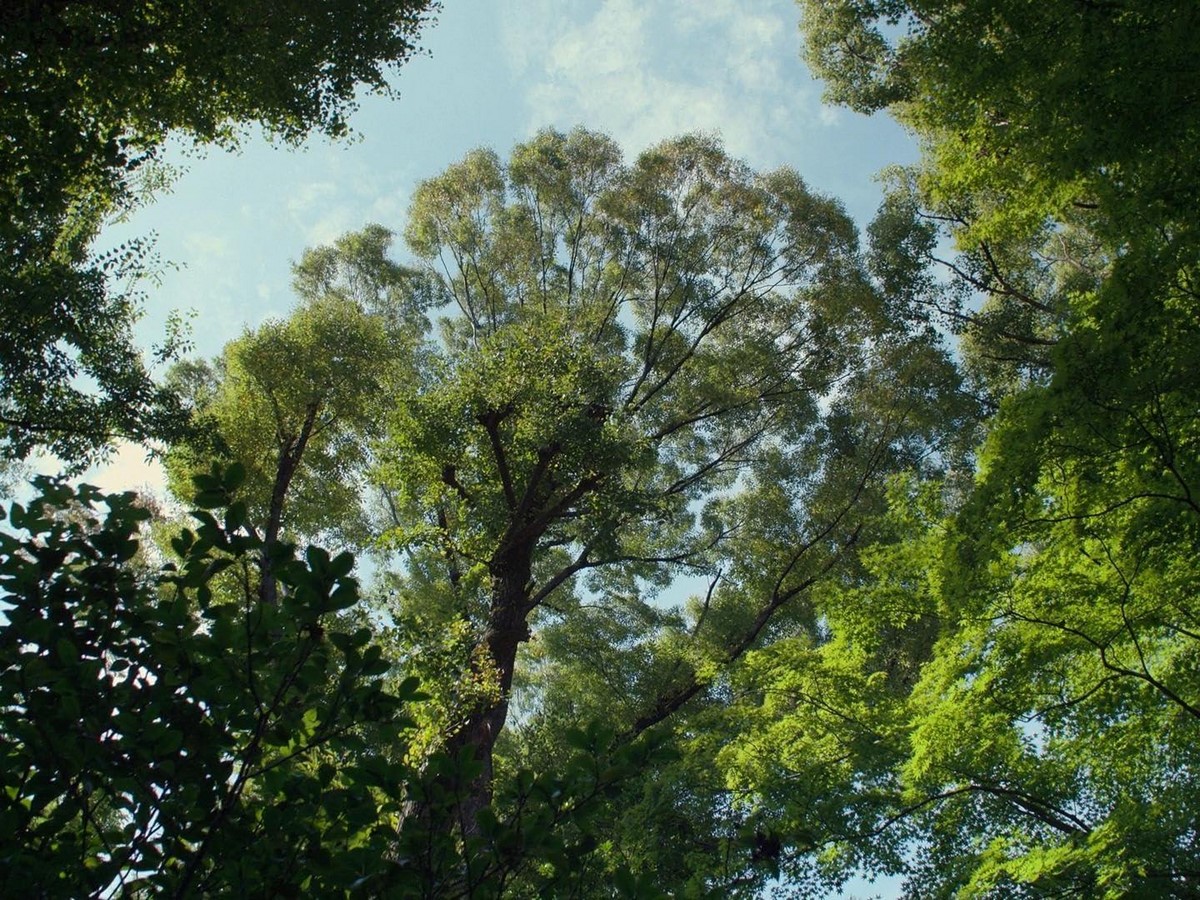
This treatment aligns closely with Japanese architectural sensibilities that value restraint and transience. The minimal interior of Hirayama’s home, defined by few objects and deliberate order, reflects a cultural understanding that beauty can emerge from simplicity rather than excess. The role of shadow throughout the film recalls Jun’ichirō Tanizaki’s ‘In Praise of Shadows’, where darkness is described not as an absence of light but as an essential spatial quality that brings texture and depth. Through this lens, Perfect Days presents architecture as an experience shaped by tone, quietness and nuance rather than spectacle, encouraging the viewer to notice what is often overlooked.
Architecture of Routine and Repetition
Much of Perfect Days unfolds through patterns rather than plot. Hirayama wakes before sunrise, waters his plants, walks the same streets and cleans the same toilets with steady attention. What could appear repetitive becomes meaningful because the spaces he moves through support and respond to these rituals. Subway stations with their precise geometry, vending machines placed in quiet urban corners and the measured order of a small bookshop all become part of his daily rhythm. These familiar settings gain emotional weight not through dramatic events but through repeated presence.
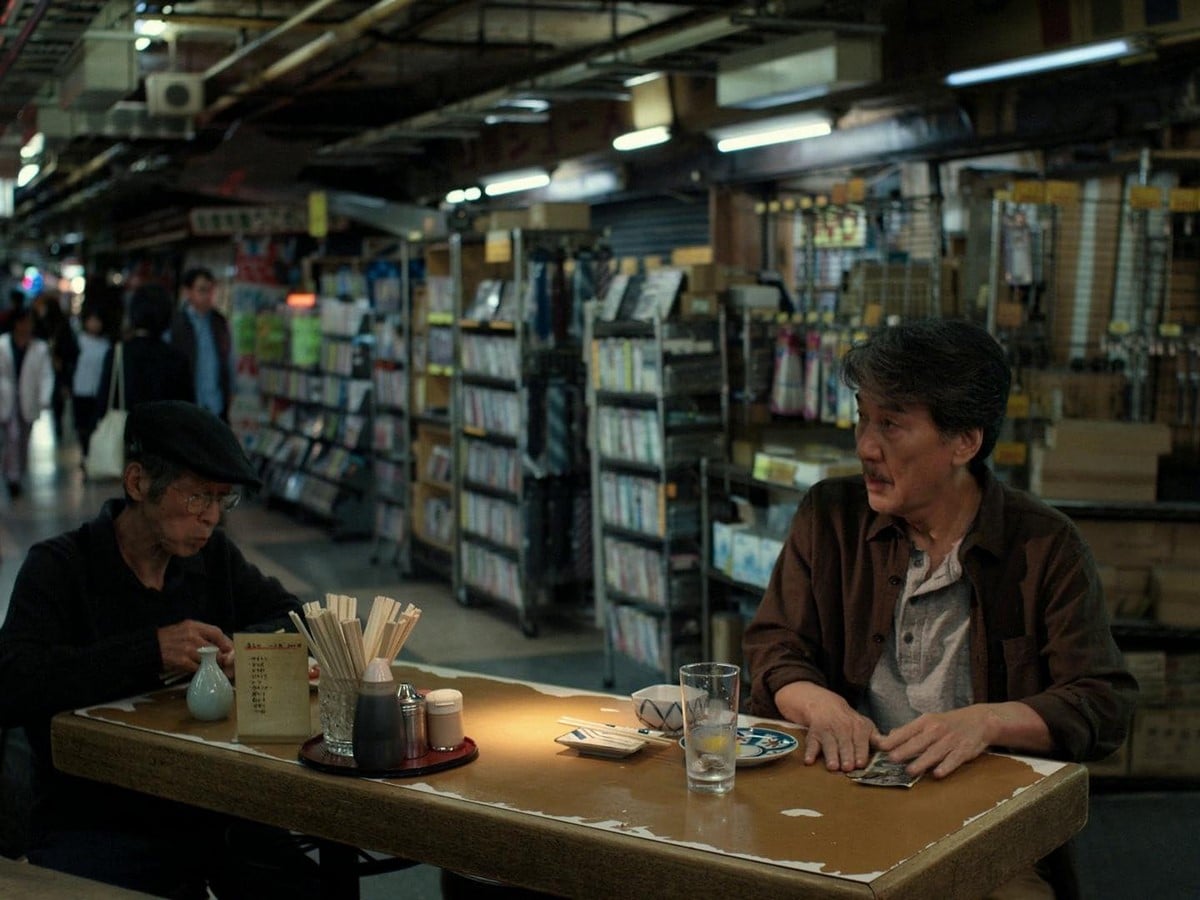
In this framing, architecture is understood as continuity rather than interruption. By returning to the same locations each day, Hirayama demonstrates how ordinary spaces shape memory and identity over time. A staircase with soft morning light, a rooftop used as a momentary escape or a doorway marking transition become spatial anchors that trace his inner life. Rather than celebrating architecture through novelty or spectacle, Perfect Days suggests that meaning often emerges through repeated encounters with the built environment, where routine allows familiarity to deepen into connection.
Architecture as Narrative Device
In Perfect Days, spoken dialogue is minimal, yet the story remains clear and emotionally coherent. This clarity emerges from the way architecture functions as a narrative mechanism. The spaces Hirayama encounters are treated as narrative elements rather than neutral settings. A public toilet becomes a study of dignity, a roadside eatery holds the possibility of brief connection and a park bench becomes a place to pause and reflect. These environments hold emotional nuance without needing words to express it.

Wenders uses framing to reinforce the role of architecture in storytelling. The camera lingers at thresholds such as corridors, windows and doorways, drawing attention to the idea of movement and transition. These moments echo Hirayama’s own quiet balance between solitude and connection, habit and subtle change. By allowing space to communicate feeling and intention, the film demonstrates how the built environment influences perception and memory. Perfect Days reminds the viewer that architecture can shape narrative not only through form and function but through the emotional resonance it creates, defining how life is experienced and understood.
A Closing Reflection on Space, Stillness, and Storytelling
Perfect Days reminds us that architecture is not defined only by scale or visual impact, but by the quiet ways it supports the rhythms of everyday life. By lingering on Tokyo’s streets, its thoughtfully designed public toilets and the shifting dialogue of light and shadow, Wim Wenders presents the built environment as something deeply human. The spaces Hirayama moves through are ordinary, yet the care with which they are framed reveals dignity, memory and emotional presence.
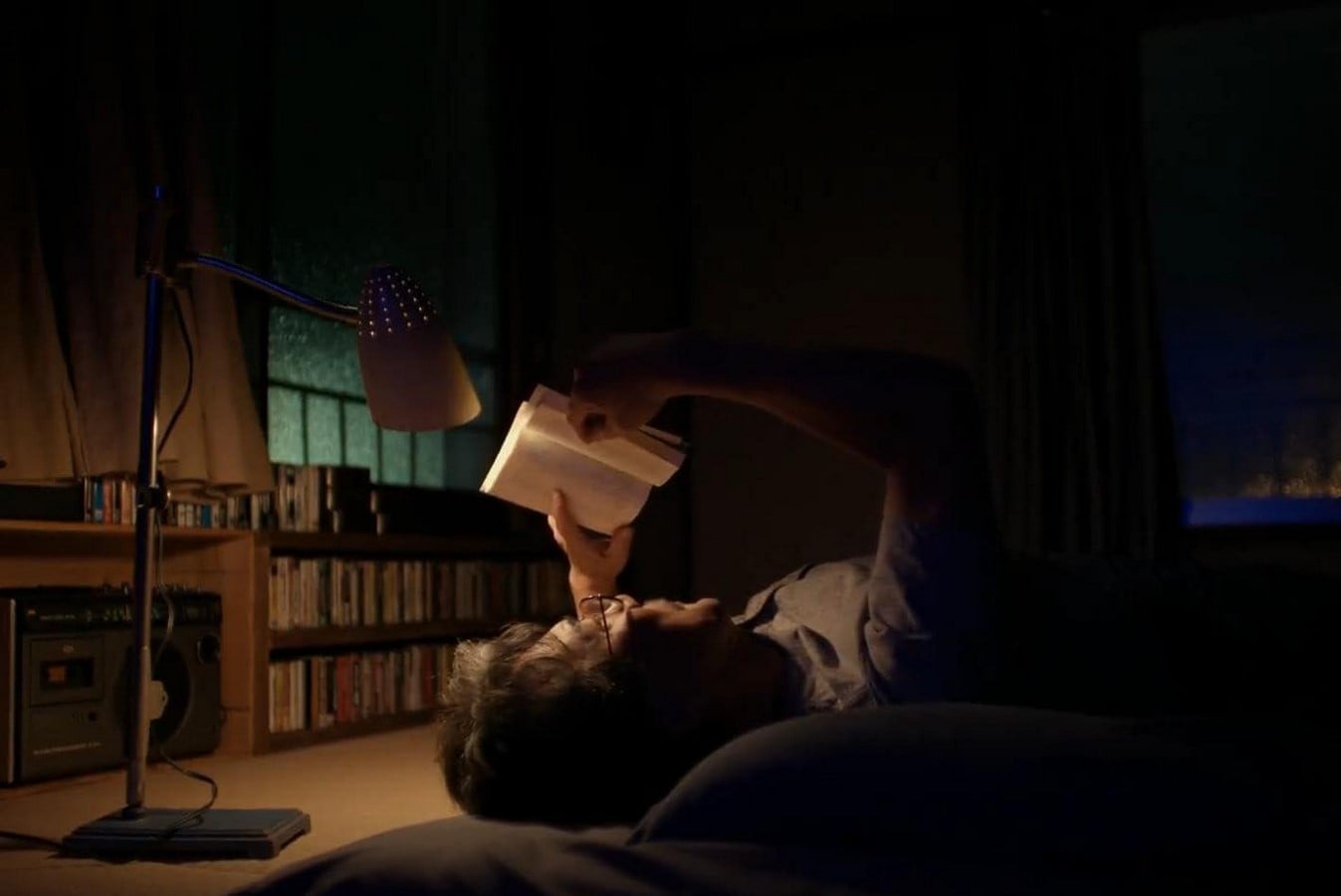
In a culture where design often gravitates toward spectacle, the film offers a gentler lens. It suggests that meaningful architecture does not need to demand attention. Instead, it can quietly hold space for routine, reflection and the small gestures that shape identity. For architects, designers and viewers, Perfect Days becomes a reminder that the built environment is not only a technical achievement but also a lived experience. The architecture that stays with us may not always be iconic, but it is often the space that feels familiar, humane and quietly enduring.
For audiences in India who wish to experience this thoughtful film, Perfect Days is currently available for streaming on MUBI, inviting viewers to slow down and rediscover the subtle architecture of everyday life.
Jun’ichiro Tanizaki (1977). In Praise of Shadows. New Haven, Conn.: Leete’s Island.