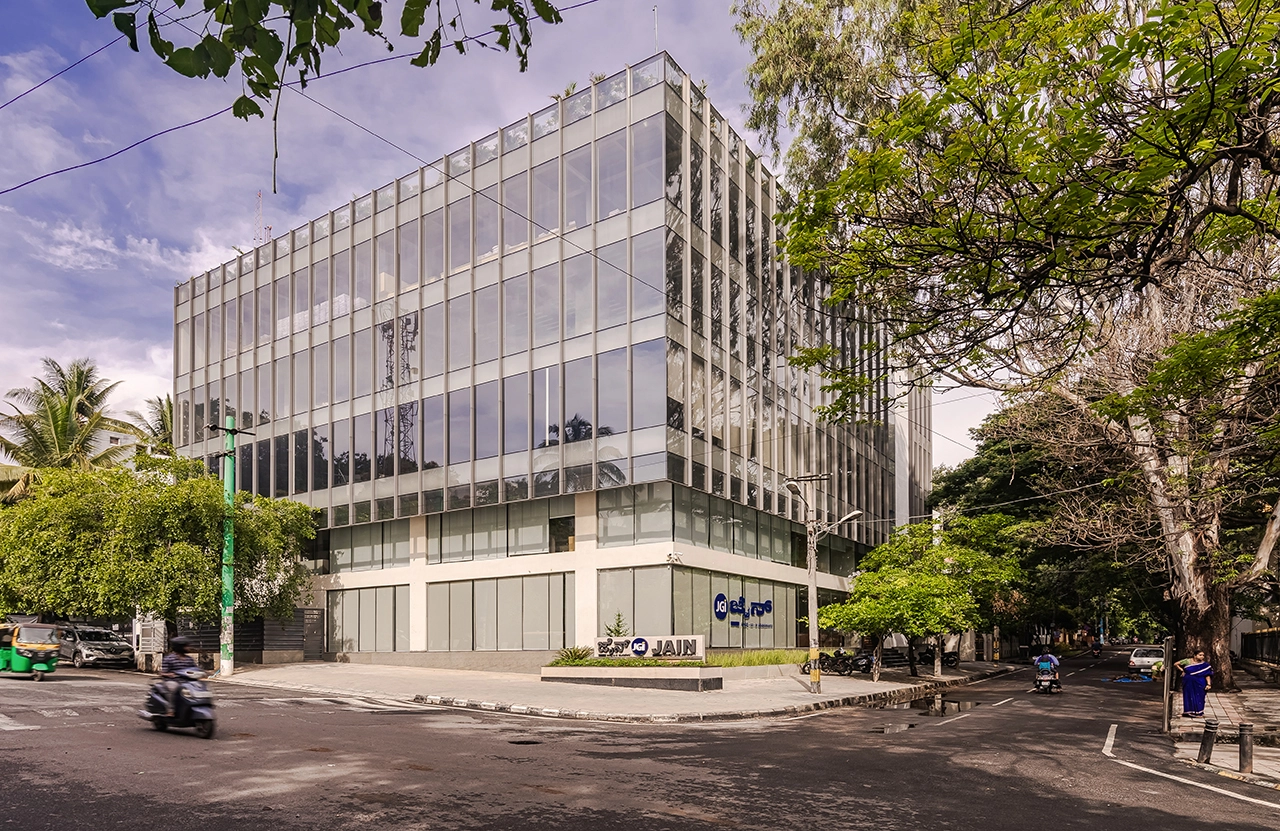
Jain Group of Institutions sought a headquarters that would mirror its stature as one of Bengaluru’s most respected education networks. With regular visits from dignitaries and leaders, the space needed to exude authority and refinement, while still offering areas for informal dialogue and creative exchange. The challenge lay in orchestrating this balance with clarity of hierarchy, seamless circulation, and visual coherence across four expansive floors.
Project Name: JGI Corporate Office
Studio Name: Storeyboard Design
Location: Bengaluru
Date of Completion: January 2023
Area: 36,000 sq. ft.
Principal Architect/Designer: Swathy Sivaraman
Photography Credits: Archceptions_Nisheet Dodia
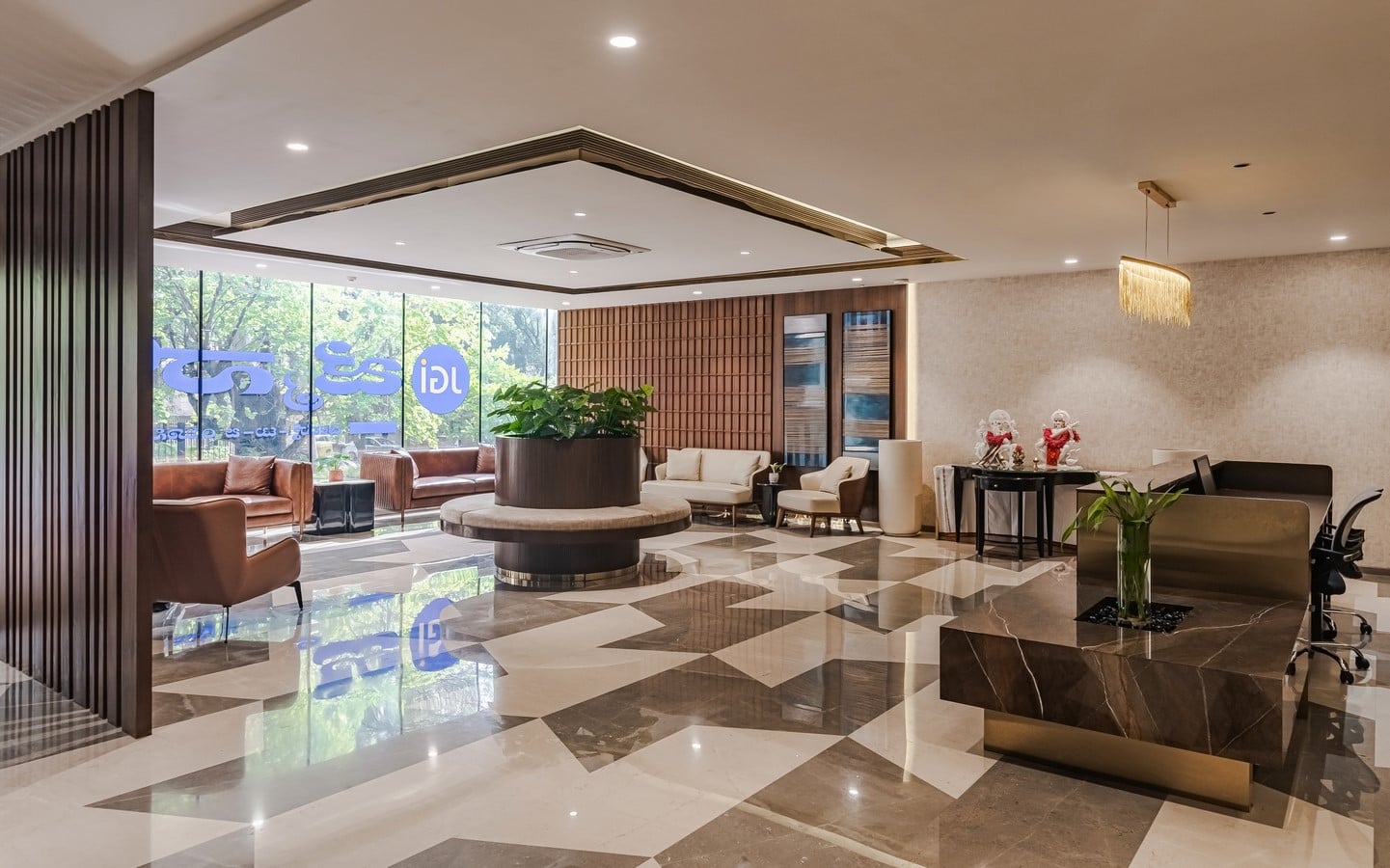
Interior architect Swathy Sivaraman approached the project with a meticulous design strategy rooted in legacy, organisational structure, and the institution’s reputation. Working with a bare shell, she envisioned a plan that encouraged openness and natural light, placing offices around the periphery and freeing the core for collaborative and formal spaces. The result is a generous layout that feels both luxurious and breathable.
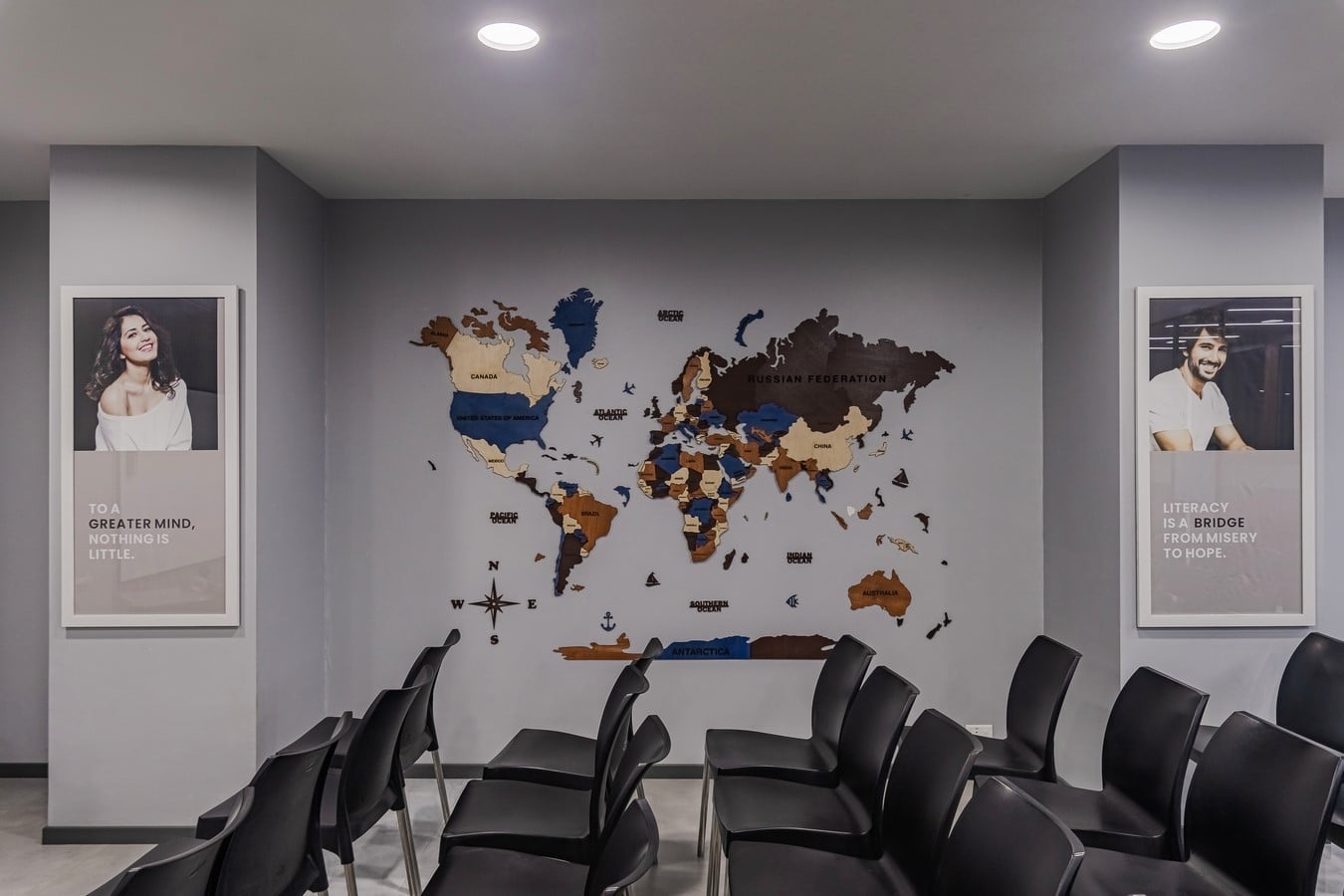
The entrance sets the tone. The reception is dynamic yet composed — a large central table with an integrated planter, relaxed clustered seating, a dramatic sculptural world map in SS gold PVD, and ample greenery anchor the space.
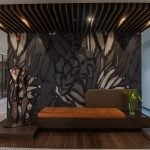
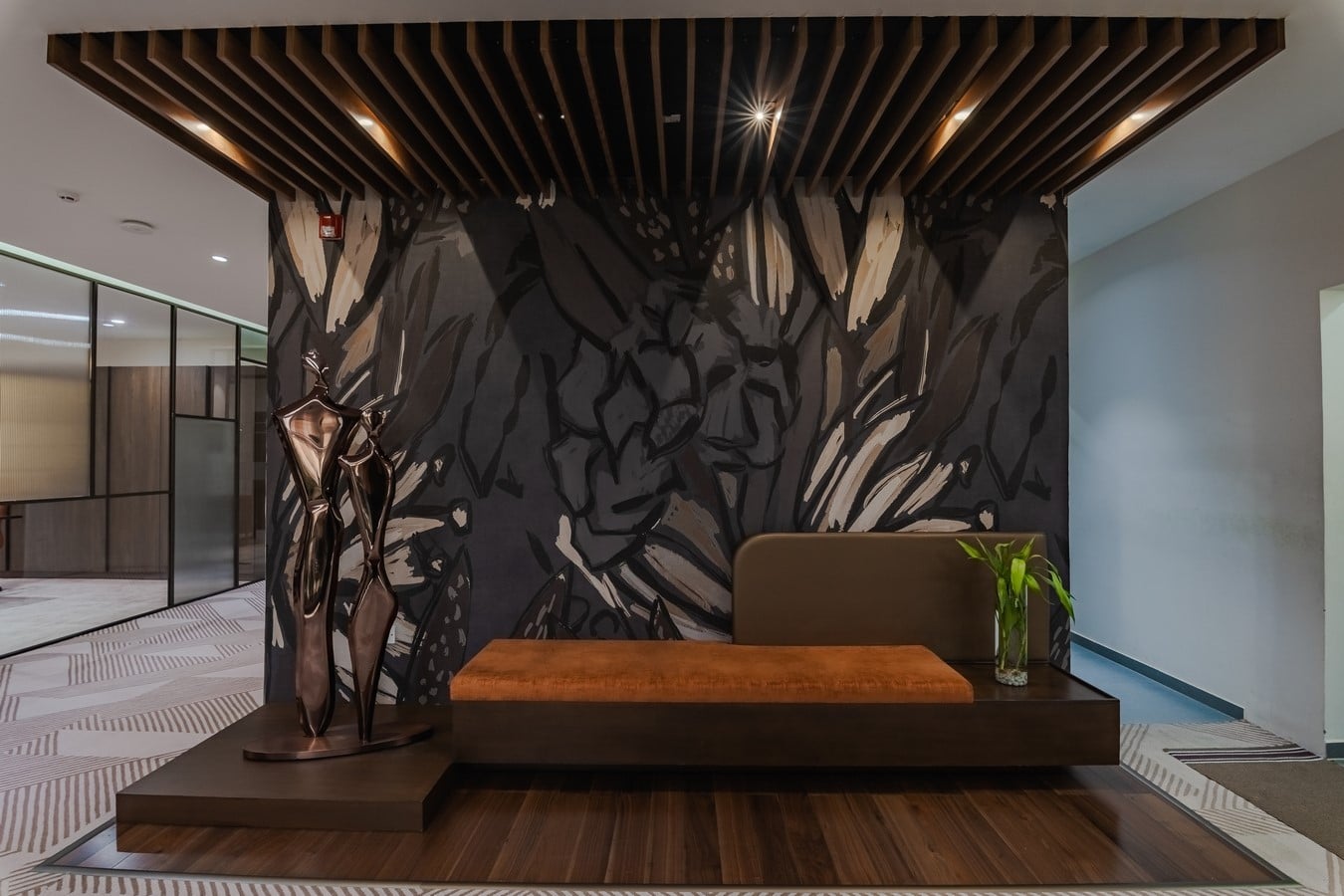
The adjacent waiting area shifts the mood with playful orange seating, curated artwork, and custom wallpaper, offering a glimpse into an office that is at once formal and spirited.
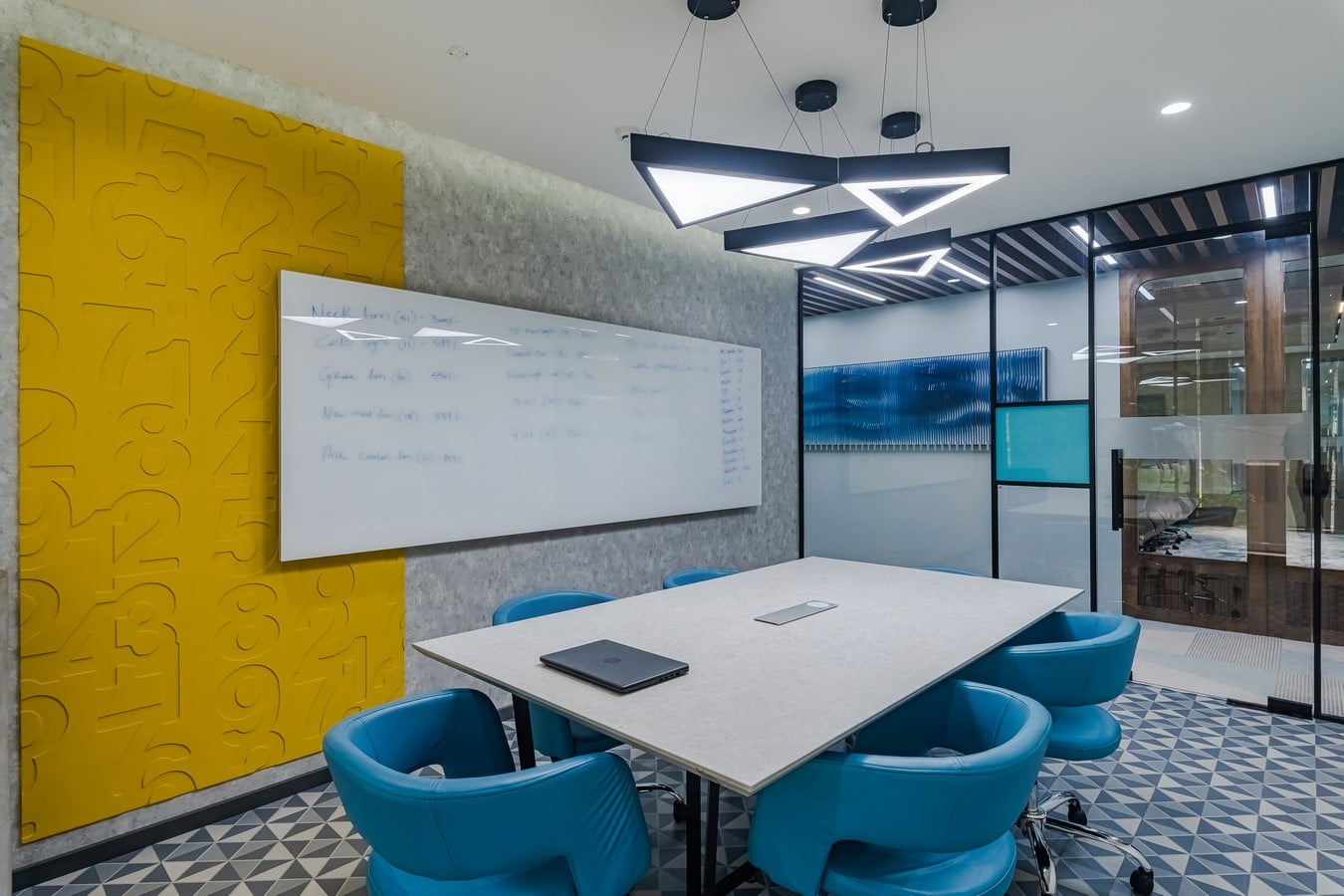
Materiality drives the aesthetic: rich lacquered veneers, teak, and wooden flooring lend warmth and continuity, while plush carpets layer comfort in key areas. Meeting rooms have bursts of colour, adding energy, while customized art and sculpture lend identity and sophistication.
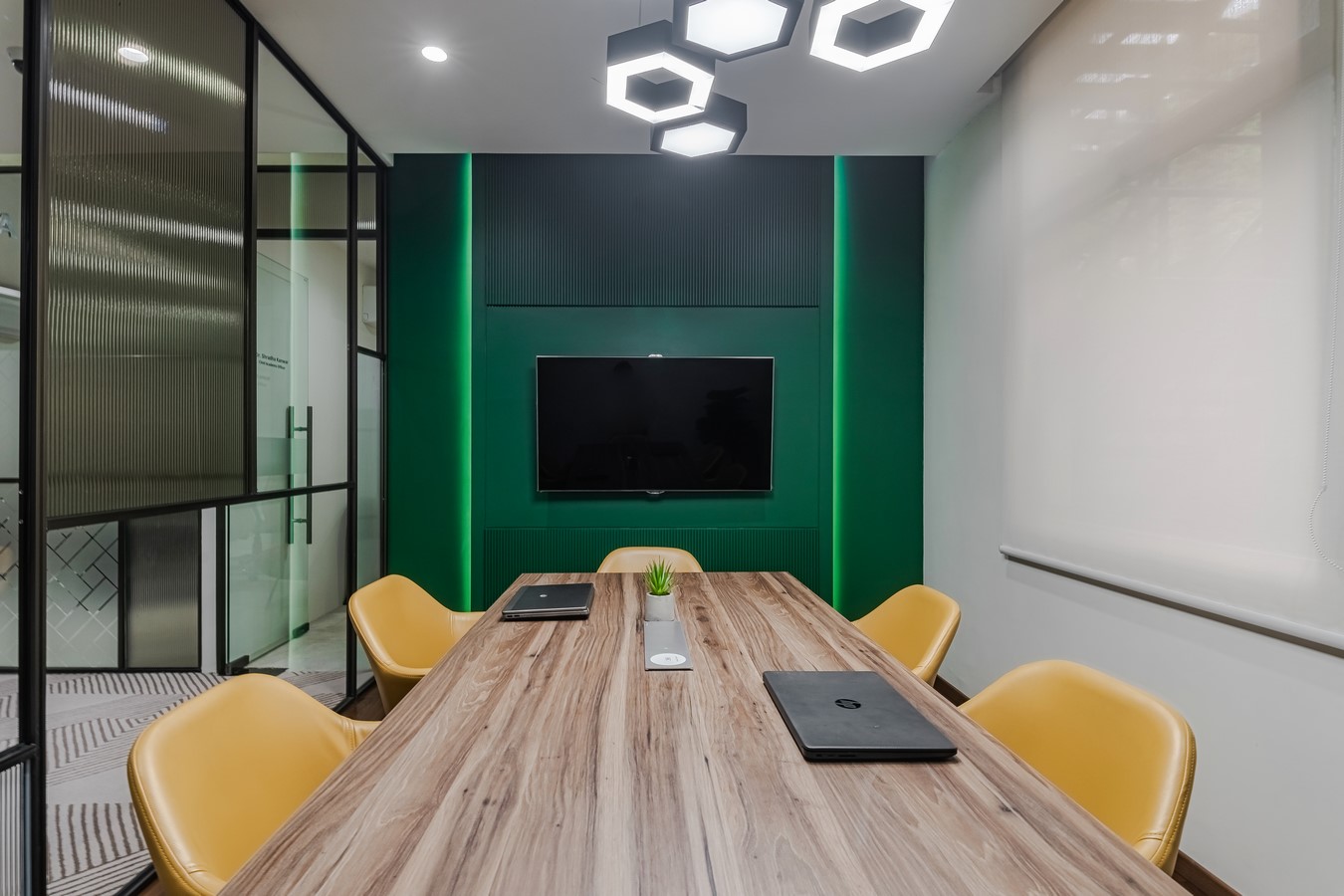
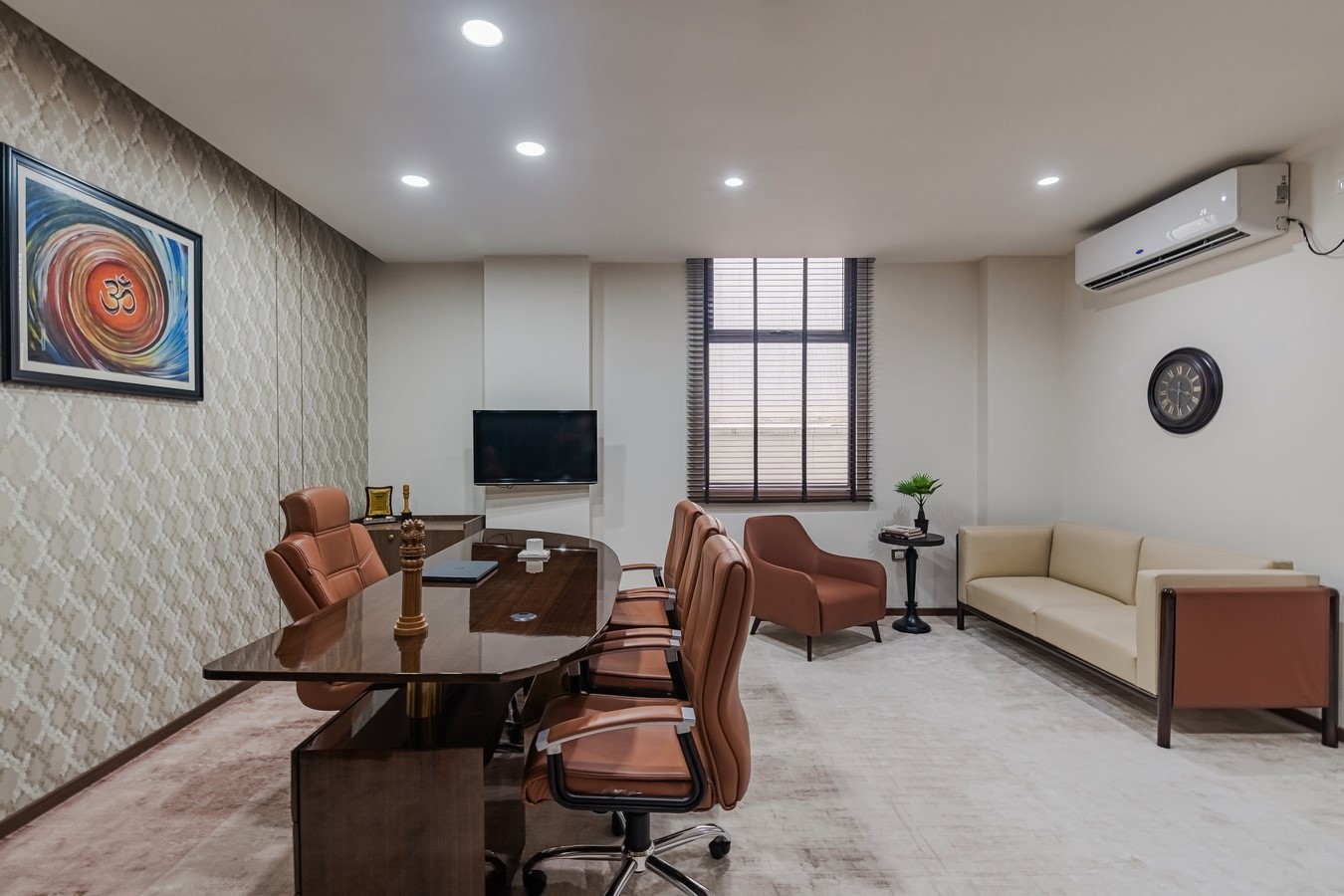
Across the floors, each boardroom and meeting room possesses its own character through varied wall treatments, carpets, and furniture. Glass cabins are defined by textured glass within metal frames, imparting a refined, contemporary edge. Special consideration has been given to the Chancellor and Vice-Chancellor suites, where elegant seating, statement tables, tailored storage, and curated art express the gravitas of their roles.
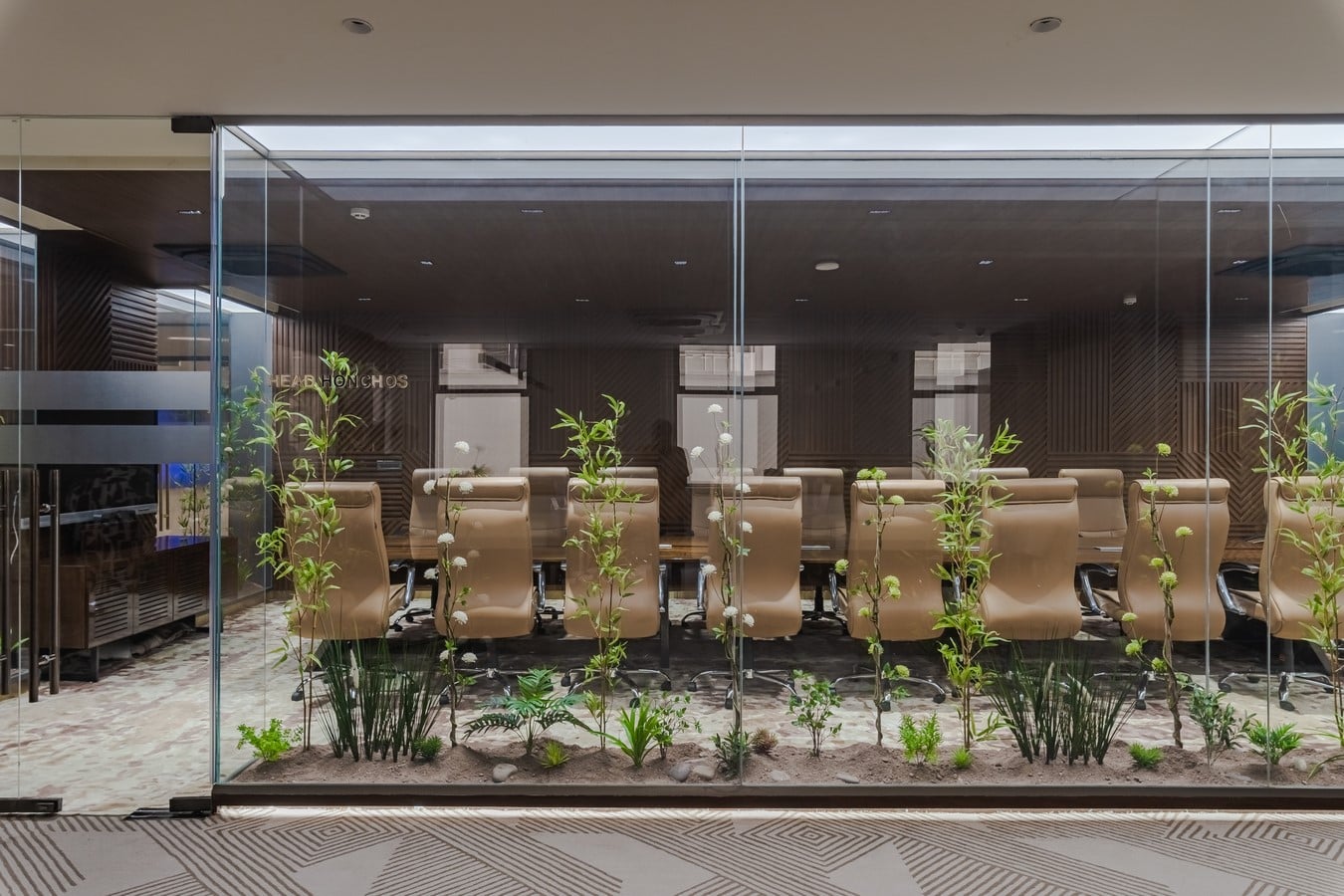
Functionality was non-negotiable. Clusters of workstations are strategically planned outside managerial cabins, promoting quick communication and spatial efficiency. The two boardrooms on the ground and first floors sit at the heart of the plan, placed centrally to signify their importance as decision-making hubs.
The Chairman’s suite is a study in quiet opulence. Volakas marble floors and fluted wall panels form the backdrop for a sculptural lacquer-and-leather table, complemented by a high-back chair. An anteroom, divided by arched metal and fluted glass, houses a marble-topped dining table, a suede sofa, and warm wooden flooring — a luxurious yet cohesive ensemble.
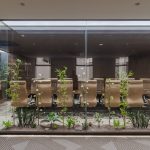
Biophilic integration plays a strong role in the project. Planters, natural textures, and daylight weave through the interiors, creating a sense of wellbeing and vitality. Greenery threads through every space — from reception to workstations — with many planters doubling as spatial dividers. An exceptional feature is the glass planter box in the ground-floor boardroom, which becomes a visual anchor and sets the tone for design flow.
The project reflects Storeyboard Design’s maximalist yet disciplined vocabulary — modern luxury, expressive details, and functional elegance. Through carefully orchestrated materiality, spatial planning, and bespoke elements, the resulting corporate office is at once formal and inviting, efficient, and grand. It moves beyond conventional corporate design, delivering an environment of sophistication, comfort, and individuality — a headquarters worthy of the institution it represents.