Located along Beirut’s historic Old Saida Road, Tayouneh 1229 rises as a contemporary landmark that merges memory, symbolism, and architectural innovation.
Project Name: Tayouneh 1229
Studio Name: Khaled M. Abou Taam – KMA Atelier
Project Location: Beirut, Lebanon
Completion Year: 2020
Gross Built Area (m2/ ft2): 13800 sqm
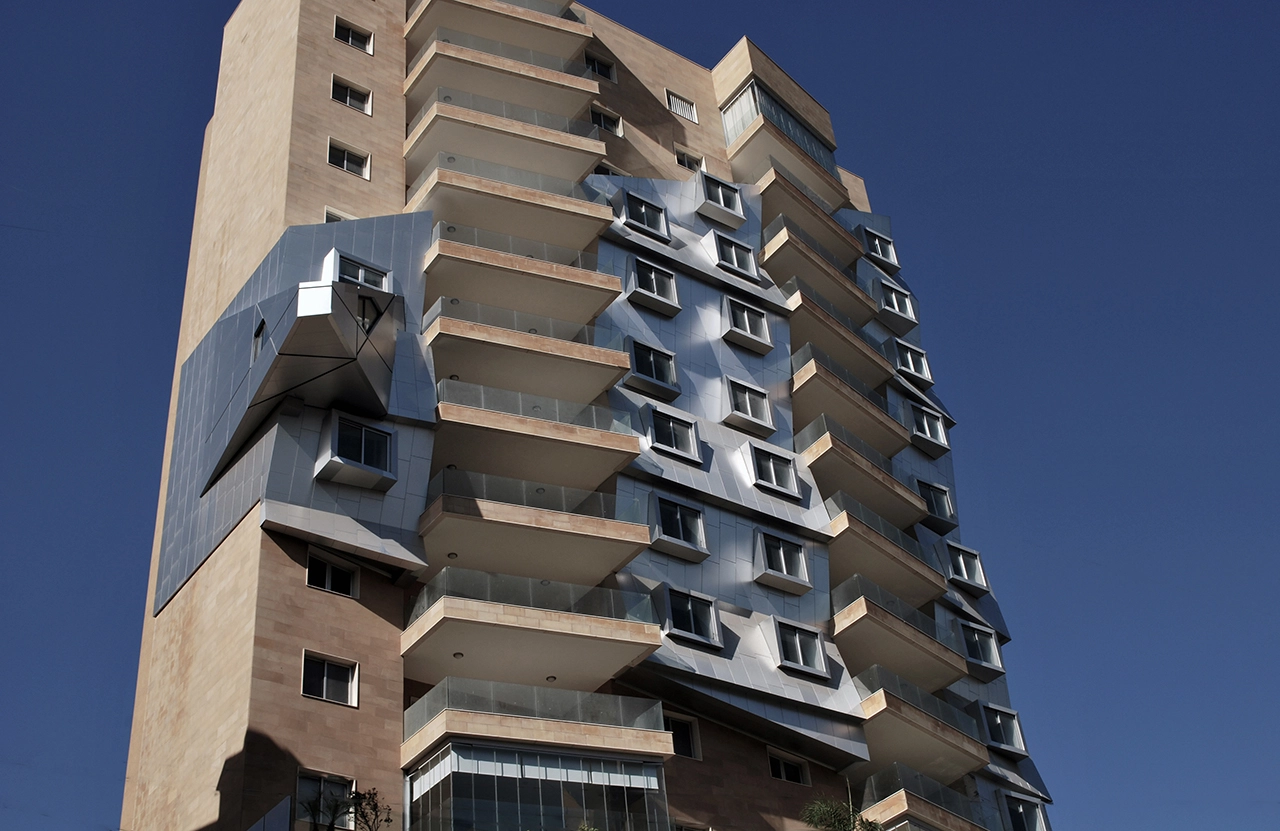
Designed within the framework of the Deconstructivism movement, the project expresses the tension between rupture and renewal that continues to shape Lebanon’s modern identity.
Concept and Inspiration
The project takes its inspiration from a symbolic moment deeply connected to its site, the beginning of the Lebanese Civil War in 1975 near the Tayouneh intersection. The building does not memorialize this event with sadness but transforms it into a gesture of resilience and continuity. Tayouneh 1229 becomes an architectural reinterpretation of memory, where an act of destruction is reshaped into a new form that communicates movement, transformation, and rebirth.
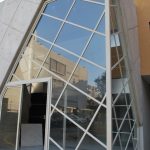
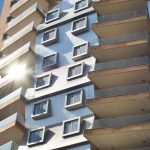
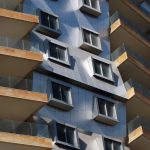
The structure was first imagined as a calm, stone-clad residential tower. It was later reconceived as if struck by a prism-like fragment, representing the first spark of the war. This conceptual impact breaks through the yellow stone envelope and alters the entire geometry of the building. A stainless-steel prism pierces the façade and pushes outward, creating strong contrast with the solid stone mass. The dialogue between warm granite and cold metal expresses the tension between stability and disruption, tradition and change. The fractured surfaces capture Beirut’s shifting light, giving the building a living presence within the city.
Challenges and Techniques
The first major challenge was coordinating two contrasting materials, steel and concrete, and resolving the complex connections between them while preserving structural clarity and architectural intention. The second challenge was defining a private and comfortable entrance for residents even though the main road elevation contains commercial shops. Achieving a smooth separation between public activity and residential circulation required careful planning and spatial manipulation.
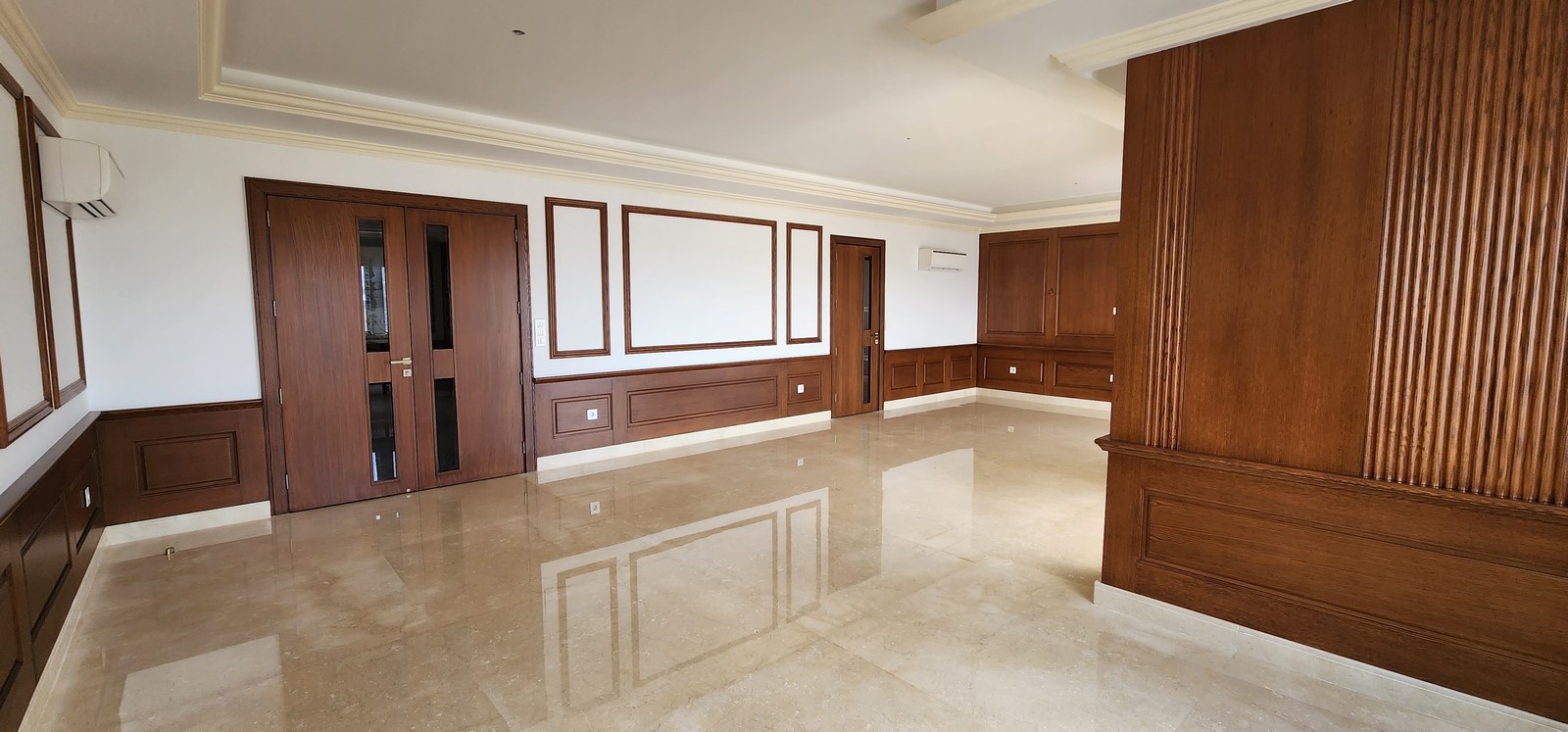
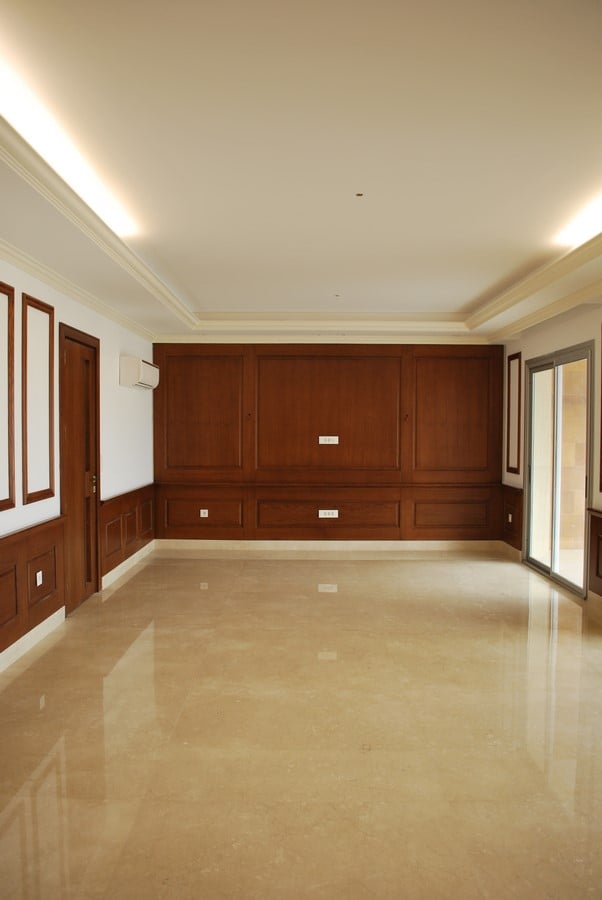
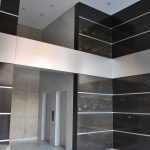
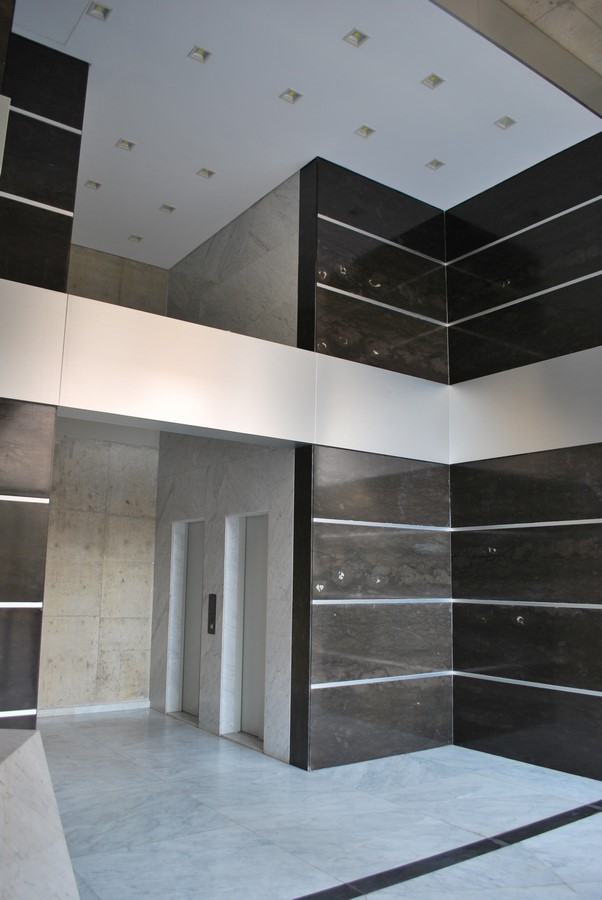
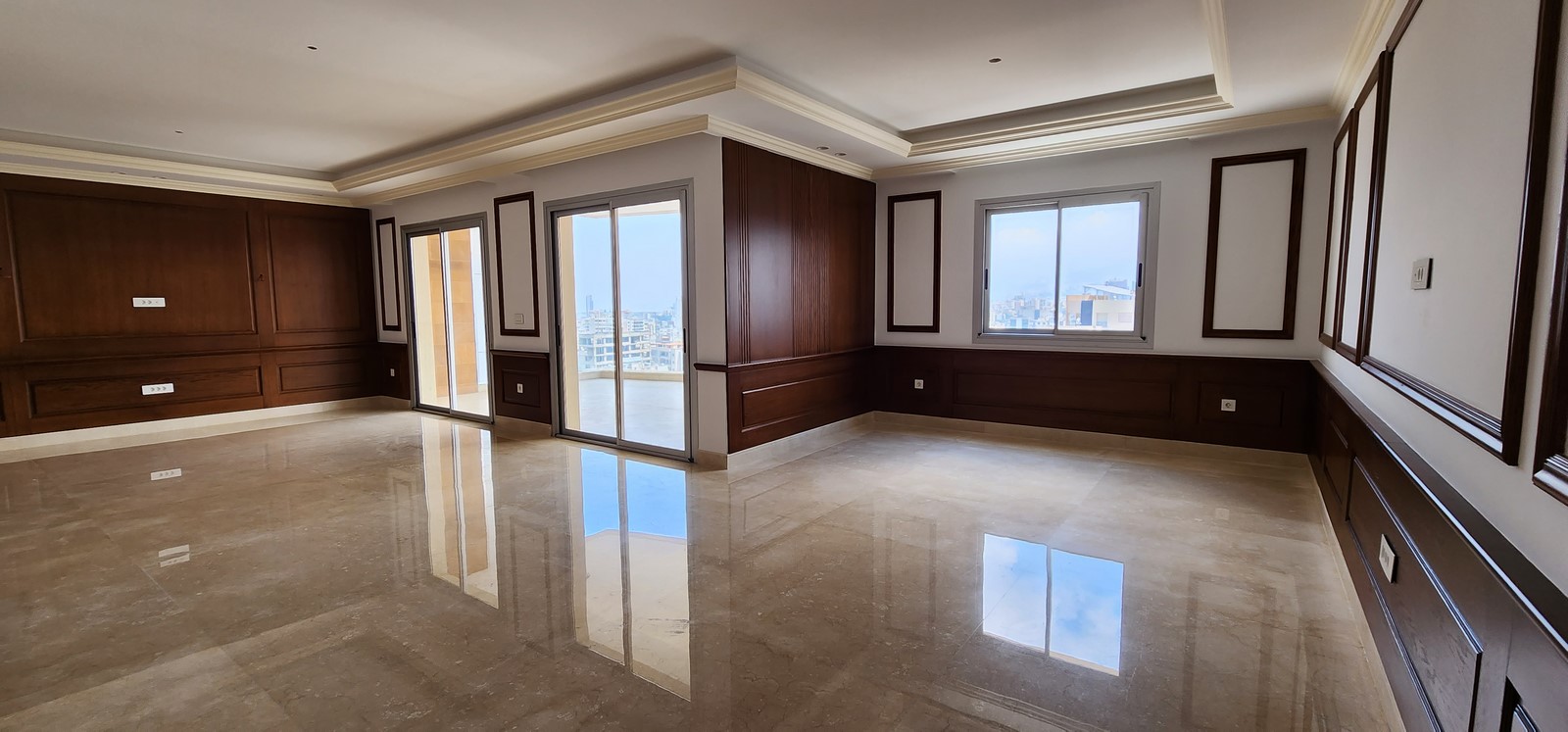
A further challenge came from the deconstructive concept extending into the interior spaces. The fragmented geometry that shaped the exterior also influenced the internal layout, which demanded precise adjustments to maintain functionality, comfort, and spatial elegance. Balancing expressive architectural language with practical living requirements became a key part of the design process.
Construction combined reinforced concrete for the main structure, local yellow granite for the façade, and stainless steel for the sculptural prism. Advanced 3D modeling ensured a seamless relationship between materials and forms.
Spatial Configuration
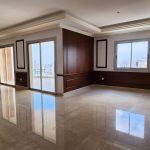
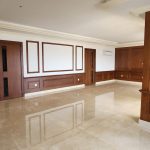
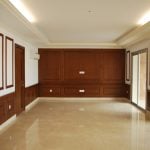
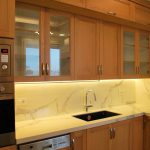
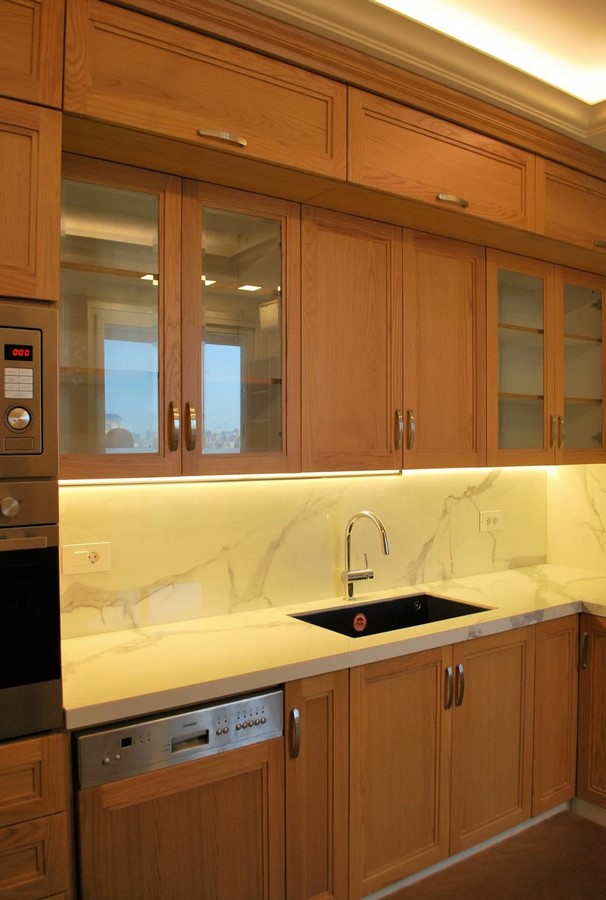
Set back twelve meters from the main road, the building establishes an elegant and composed urban presence. The ground and first floors host commercial spaces that connect with the pedestrian rhythm of Old Saida Road. From the second to the thirteenth floors, the tower includes generous 270 square meter residential units with panoramic views of Horsh Beirut Garden and the city. Natural light, ventilation, and spatial continuity shape each unit.
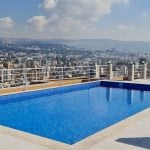
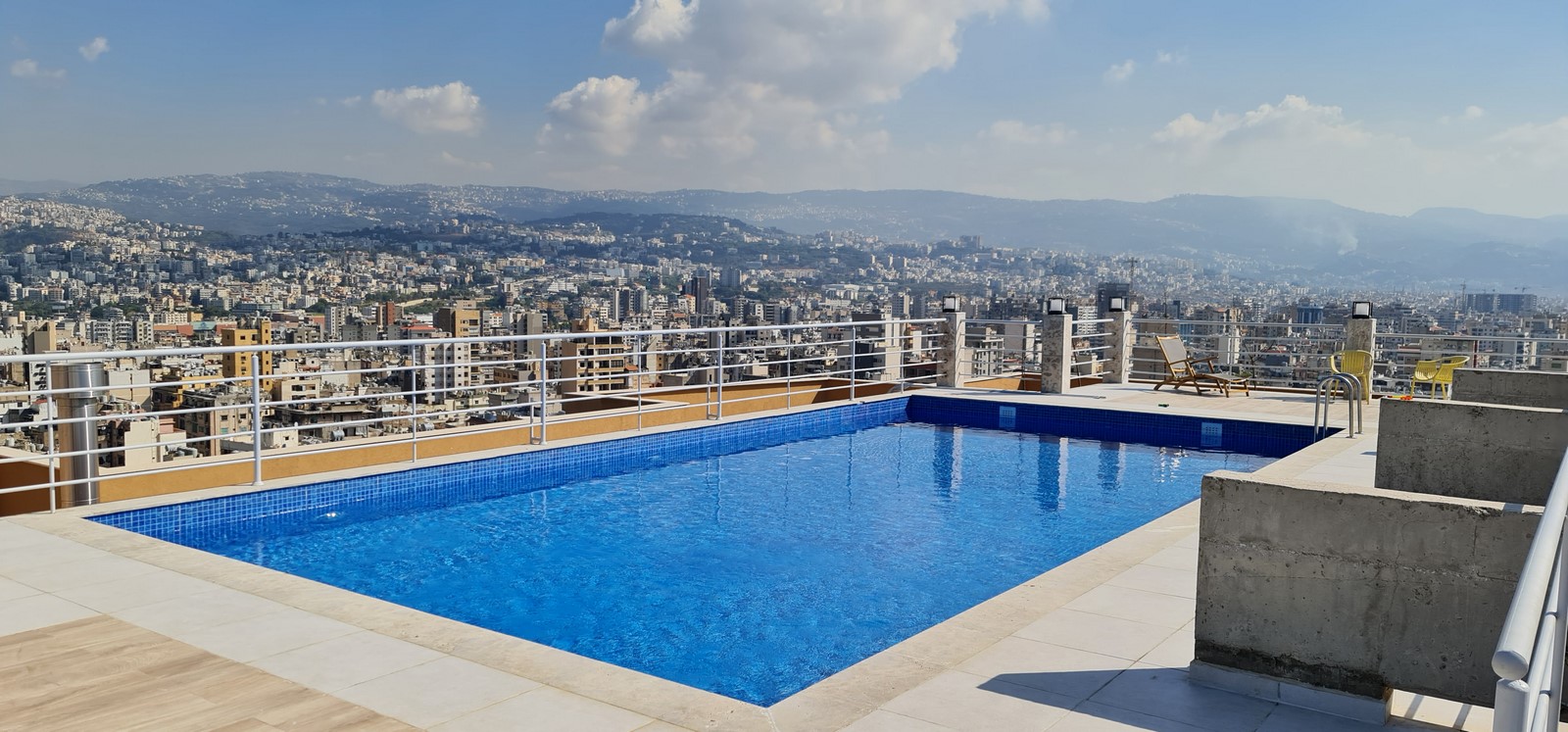
The rooftop offers a private retreat with a swimming pool, gardens, and wellness cabins. Additional amenities such as a gym, visitor parking, green areas, and a semi basketball court reinforce the project’s community-oriented approach.
Urban Presence
Standing between the historical fabric of Tayouneh and the green expanse of Horsh Beirut, Tayouneh 1229 contributes a distinctive silhouette to the skyline. It transforms a site marked by conflict into an architectural symbol of resilience and renewed identity.