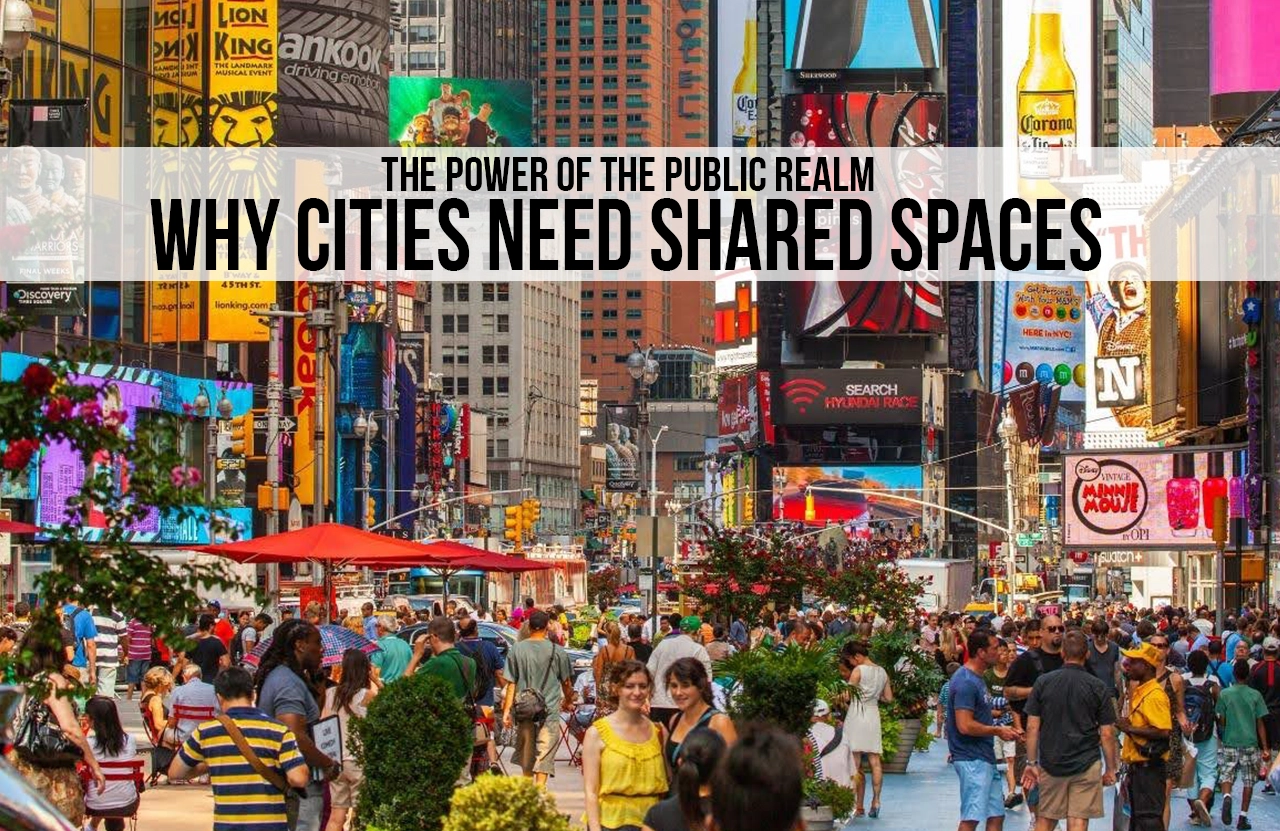
Cities often highlight their tallest towers, widest highways, and newest transit systems as symbols of progress. Yet these elements rarely define how people experience daily life. The real pulse of the city emerges in the public realm. This is where commuters take familiar shortcuts, neighbours cross paths without effort, and strangers occupy the same ground without hesitation. These everyday interactions determine whether a city feels welcoming or disconnected, intuitive or difficult to inhabit.
A well-considered street corner can influence comfort more effectively than any landmark building. A shaded walkway often offers more value than an impressive skyline. When public spaces fail, the city becomes transactional. When they perform well, urban life becomes sociable, legible, and genuinely enjoyable. This positions public space design and community as a fundamental measure of urban quality. A city ultimately reflects its values through what it makes accessible to everyone at ground level.
The Public Realm as an Urban System
Public spaces form a continuous spatial system that supports everyday life more consistently than individual structures. Streets, plazas, parks, waterfronts, transit edges, and informal gathering points collectively shape how people move, pause, observe, and interact. When designed as a connected network, these environments create logical routes, comfortable microclimates, and intuitive transitions between activities. They support a diverse mix of users without requiring rigid programming.
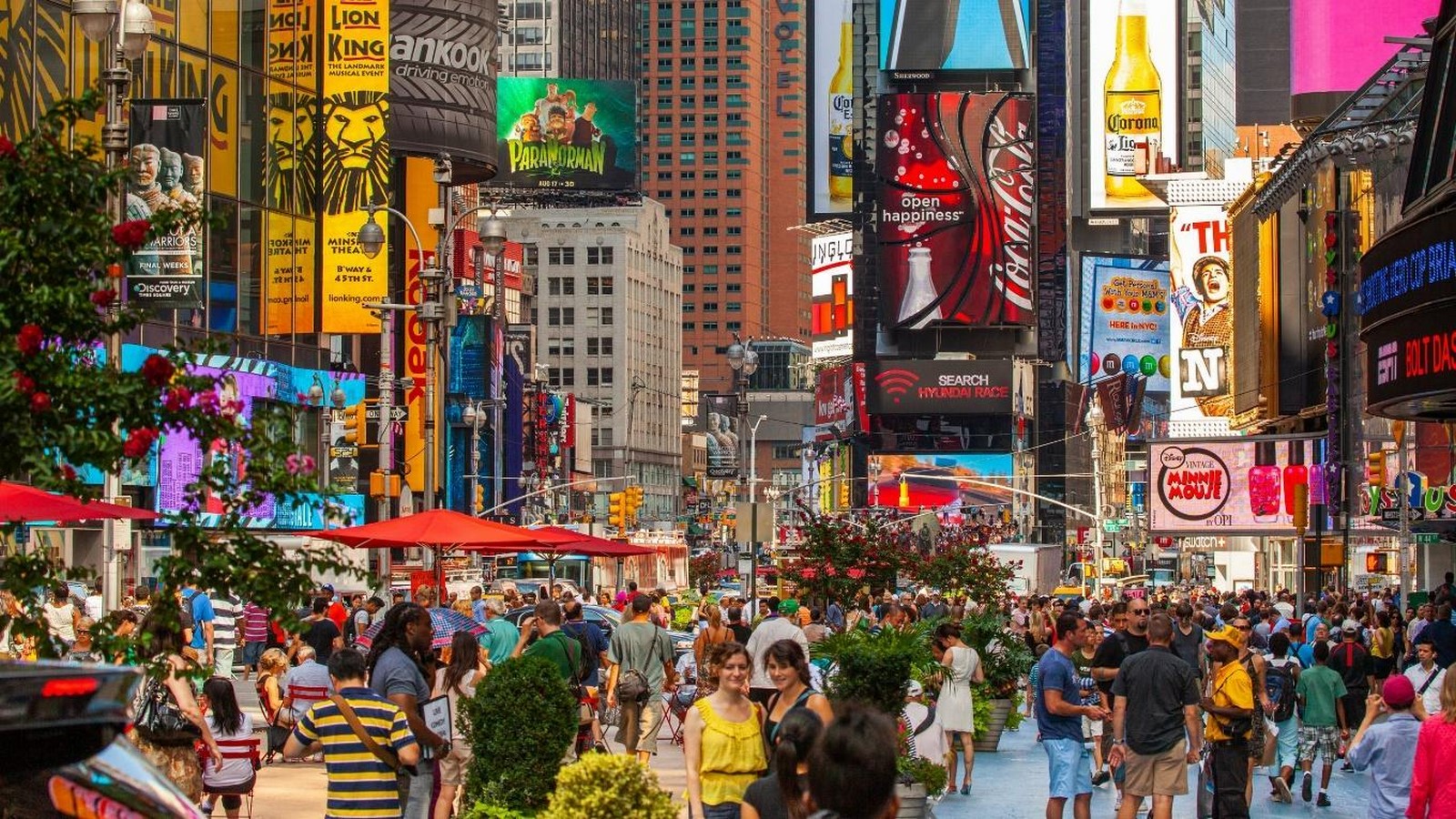
Cities that recognise the public realm as essential infrastructure integrate it with mobility networks and service systems. This ensures that shared spaces remain accessible, adaptable, and able to support long term growth. When this network is neglected, cities experience fragmentation. Pedestrian movement becomes disjointed, public presence weakens, and outdoor life diminishes. Understanding this system clarifies how public space design and community work together to stabilise the social and functional structure of a city.
Why Some Spaces Fail and Others Succeed
Many public spaces underperform because they are shaped by visual ambition rather than lived experience. Large plazas may appear impressive, yet exposed hard surfaces, inadequate shade, and limited seating make them uncomfortable in warm climates. Streets dominated by vehicles compromise safety and discourage pedestrians from lingering. Privately controlled open areas introduce quiet restrictions that discourage sitting, gathering, or vending. These patterns undermine the informal activity that supports vibrant public life.
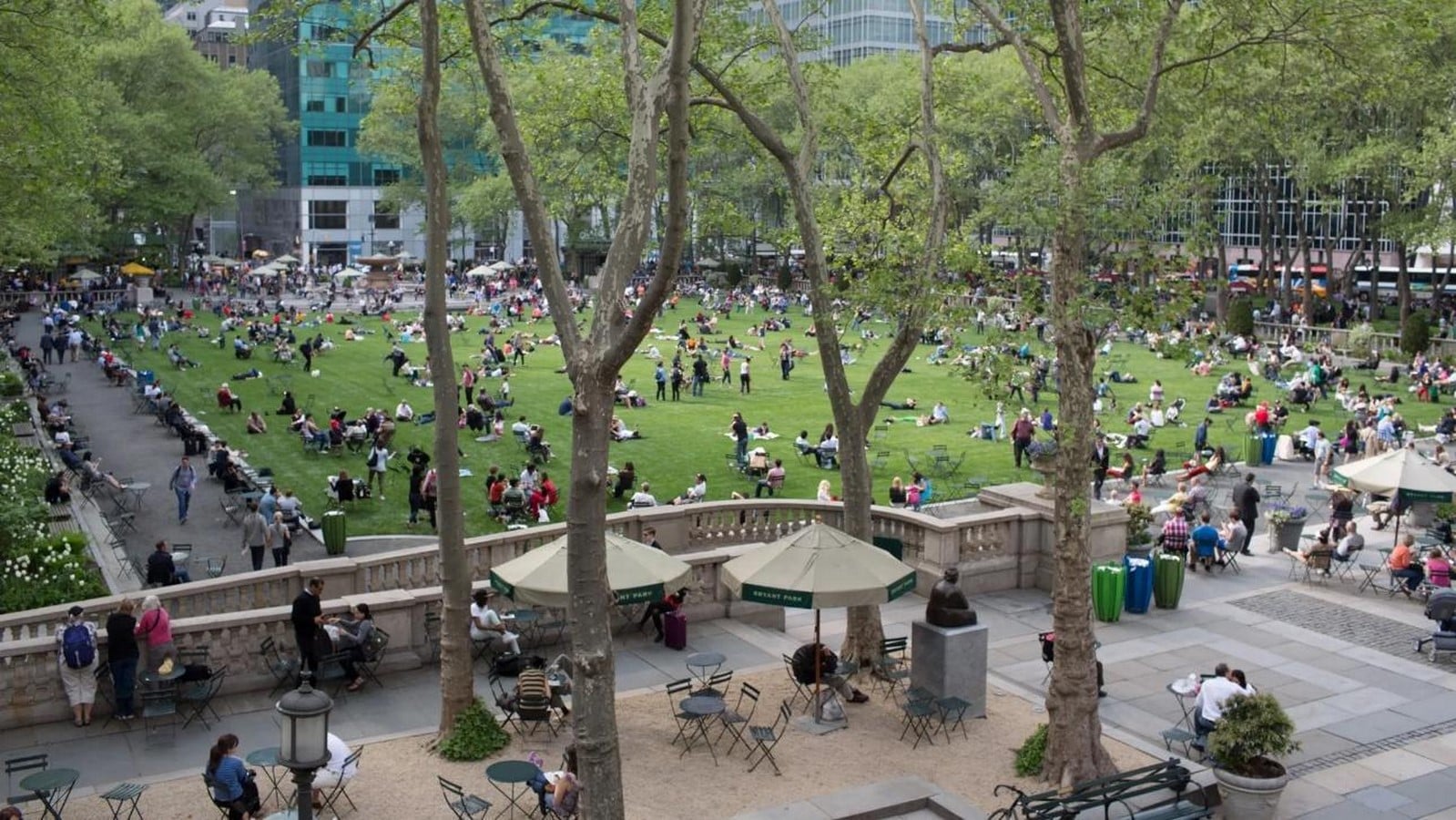
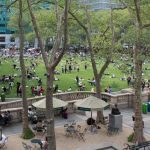
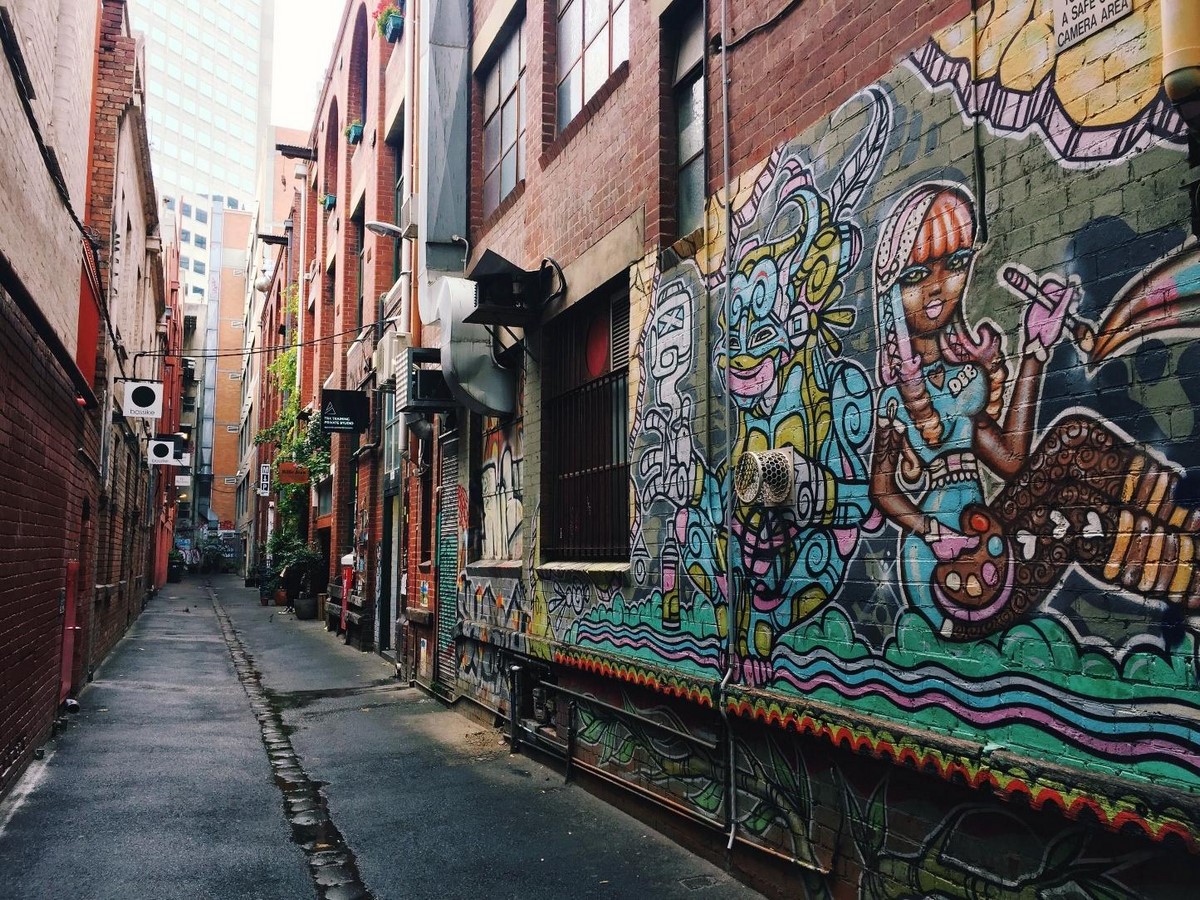
Successful spaces demonstrate the opposite logic. Bryant Park in New York functions well because its edges remain visually open, seating is movable, and food kiosks generate consistent footfall. The park feels predictable and safe throughout the day, which encourages return use. Melbourne’s laneways provide a contrasting model defined by narrow proportions, active facades, and closely spaced doorways that create frequent incidental interactions. Here, the pedestrian experience takes precedence over vehicular priority.
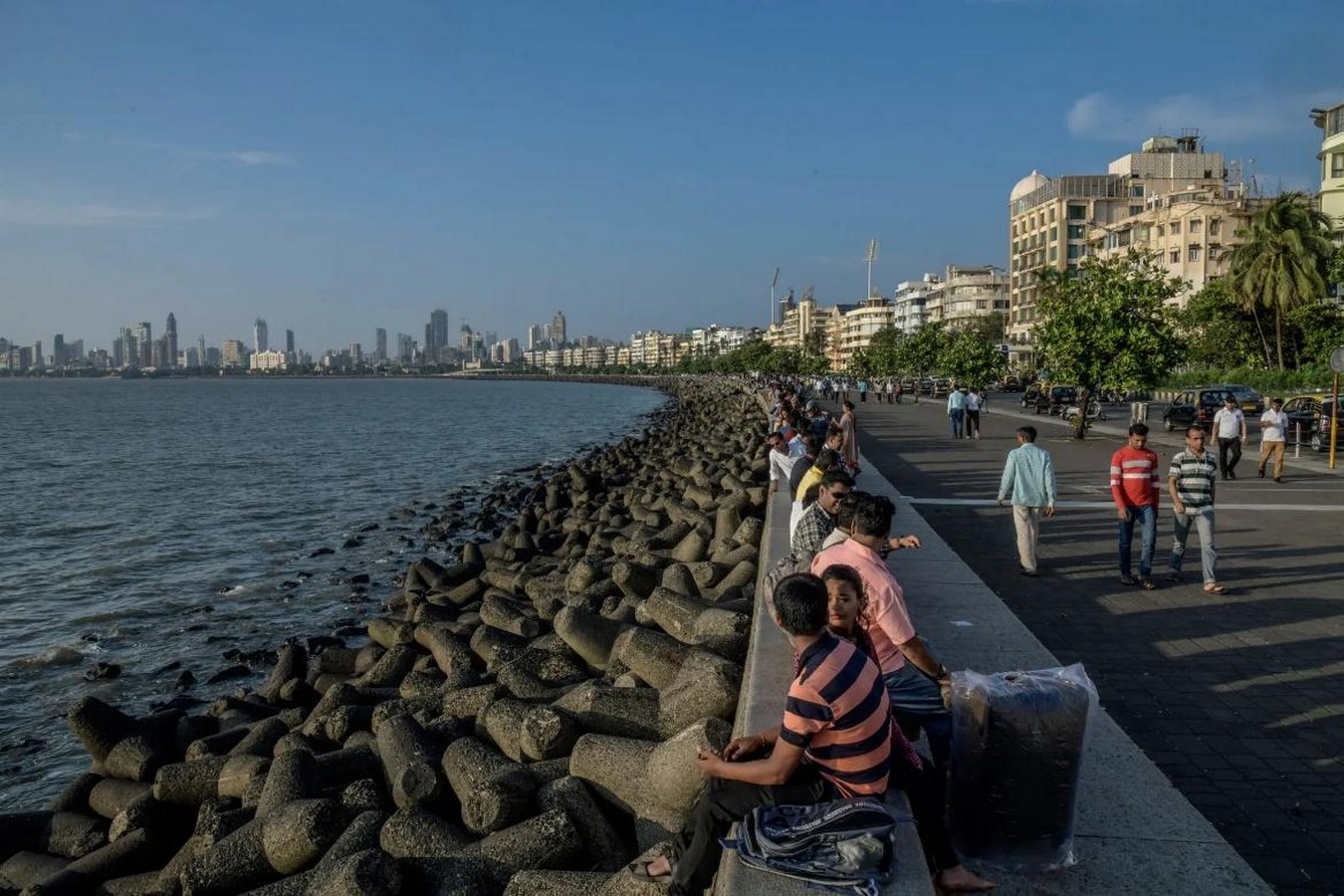
In India, the Marine Drive promenade in Mumbai shows the effectiveness of simplicity. A continuous walkway, generous seating edges, and uninterrupted access to the water allow people to walk, rest, socialise, and observe without interference. This consistency embeds the promenade into the city’s daily life. Across these examples, the conclusion is clear. Underperforming spaces ignore how people behave. Successful ones begin with behaviour as the foundation of design. This is where public space design and community becomes an applied insight rather than an abstract idea.
Belonging and Behaviour in Public Spaces
Belonging in public space develops through psychological cues and behavioural patterns. People return to places that feel legible, safe, and easy to occupy. Shade, seating variety, visibility, and ambient noise shape this comfort. The ability to pause, watch, or engage without pressure determines whether a space feels inclusive. When these conditions align, users form routines that integrate the space into their lives.
Research reinforces this relationship. Jan Gehl’s Life Between Buildings shows that optional activities such as lingering or people watching increase when environments support comfort and clear sightlines. Small interventions often produce substantial improvements in public life. William H. Whyte’s Street Life Project, The Social Life of Small Urban Spaces, observed similar patterns. His studies showed that people cluster along edges, gravitate towards favourable microclimates, and choose seating that allows effortless occupation. These behaviours appear across cultures and climates, confirming their universality.
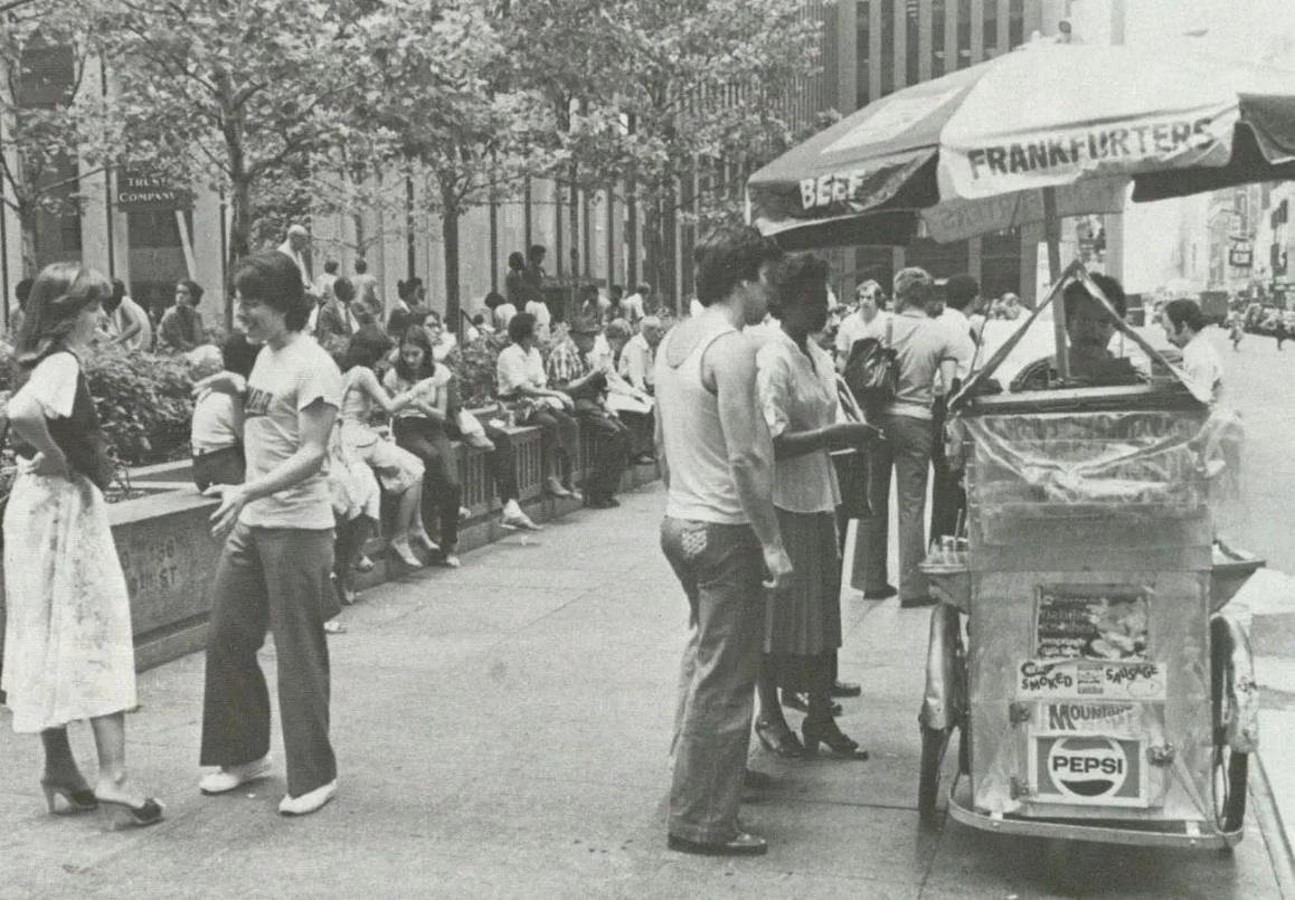
This evidence strengthens the link between public space design and community. Cities cannot rely on architectural statements to create social cohesion. They must provide environments that support informal, everyday behaviour. When these opportunities are consistent, familiarity becomes belonging, and community life grows stronger. Without them, the city becomes a place people pass through rather than inhabit.
Pressures and Future Challenges
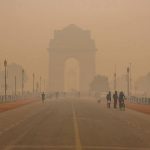
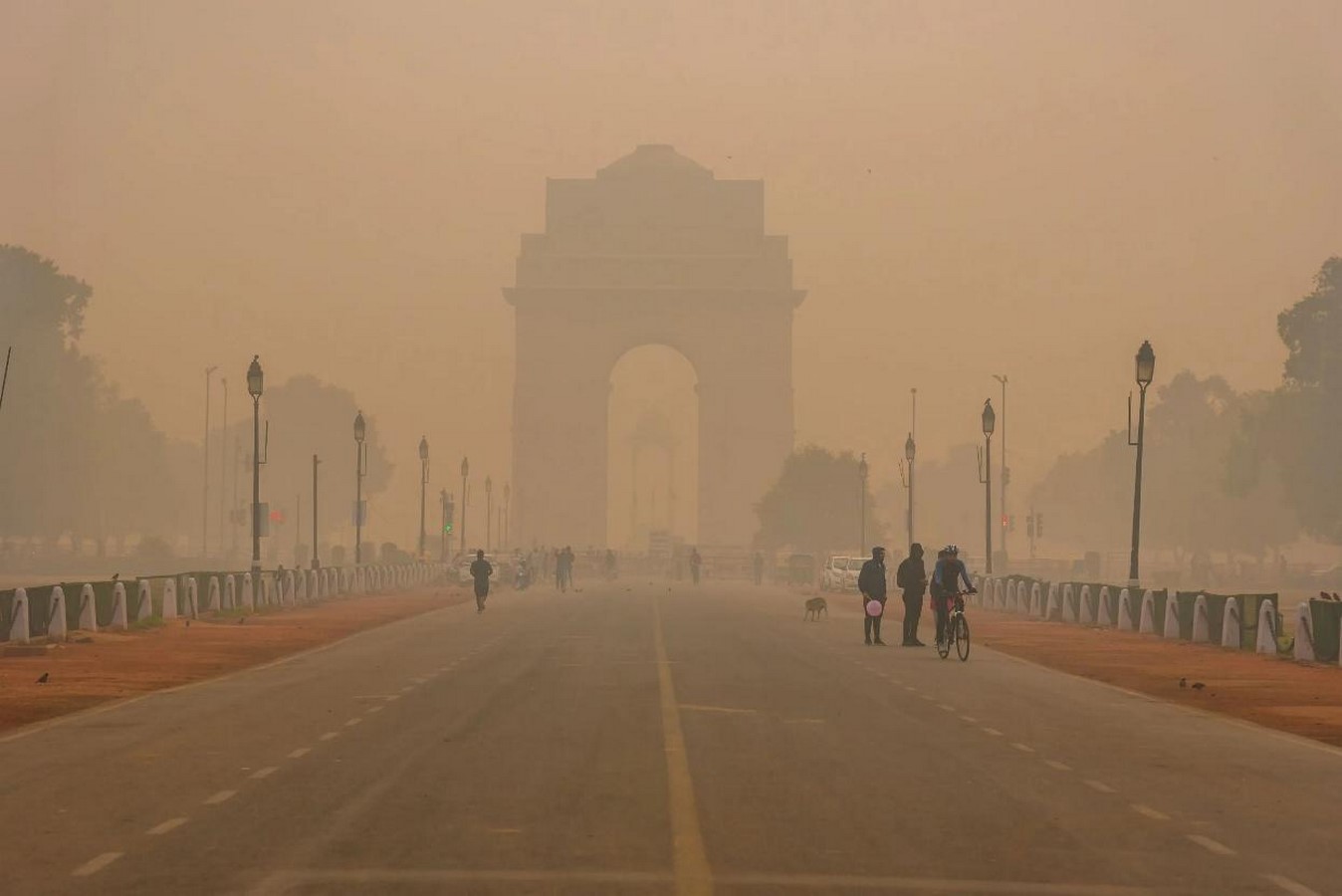
Public spaces are increasingly shaped by pressures that influence their quality and accessibility. Climate stress is one of the most significant. Rising temperatures, hazardous pollution and irregular rainfall reduce the usability of outdoor environments in cities such as Delhi and Chennai. Exposed plazas, tree-less streets, and poorly shaded waterfronts become vacant for long periods. Climate resilience is no longer optional. It now determines whether public space can function at all.
Social pressures add further complexity. Privatisation reduces genuinely open territory, while surveillance led management alters how people behave. Many redeveloped districts appear unrestricted, yet their monitored environments discourage informal gathering and unstructured use.
Governance challenges intensify these issues. Car centred planning limits pedestrian agency, and inconsistent maintenance accelerates the decline of parks, promenades, and footpaths. When these pressures combine, the relationship between public space design and community becomes fragile. Cities risk losing the very environments that support everyday public life.
Towards More Adaptive and Responsive Public Spaces
Cities now have the opportunity to rethink how public spaces are planned, managed, and evolved. Adaptive models are becoming essential. Instead of treating public spaces as fixed outcomes, many cities are adopting iterative approaches that respond to climate needs, behavioural shifts, and demographic change. Seasonal programming, tactical street closures, temporary shading systems, and movable seating allow spaces to adjust quickly without heavy investment.
Community participation strengthens this direction. When residents contribute to maintenance, programming, or decision making, public spaces gain authenticity and long term relevance. Shared ownership ensures that interventions reflect lived needs rather than assumptions. Combined with climate conscious design, these approaches create public realms that are both socially grounded and environmentally resilient.
This shift reframes public space design and community as a collective responsibility. If shared spaces influence the quality of urban life, cities must decide whether they will invest in environments that strengthen collective belonging or continue prioritising infrastructure that remains indifferent to its users.
Gehl, J. (1971). Life between buildings: Using public space. Washington, D.C.: Island Press.
Whyte, W. H. (1980). The Social Life of Small Urban Spaces. Washington, D.C.: The Conservation Foundation.