In today’s world, creativity and innovation are rapidly changing to keep up with new technologies and changes within our society. The fast growth of digital tools and technology has resulted in a revolution in architectural design and building procedures. Design and creativity are no longer static processes; they have become flexible and deeply tied to digitalization, where imagination meets innovations in great ways. A design that began with a pen and a piece of paper can today be drawn in seconds using a computer. Today, designers have access to a lot of tools that enhance creativity and precision in design. Yet the subtle flaws of human hands give creations a depth and character that technology cannot match. As a result, handmade crafts continue to have an incomparable value. In fact, modern technology has facilitated the support and enhancement of handmade crafts, enabling designers to fill the gap between human touch and machine precision by fusing manual talents with digital tools.
From Handcraft to Digital Craft
The evolution from handcraft to digital craft began with one of the basic design tools: the hand. Every concept and idea of the design, craft starts with sketching by hand. Scribbling the ideas and creativity in a paper allows more freedom of thought and exploration, which is often lost in digital tools. Long before any software tools were present, architects used to draw every design manually, be it for small to large-scale projects. The designs carried subtle flaws and uniqueness that only a human hand could contribute. They were the direct expression of art and creativity.
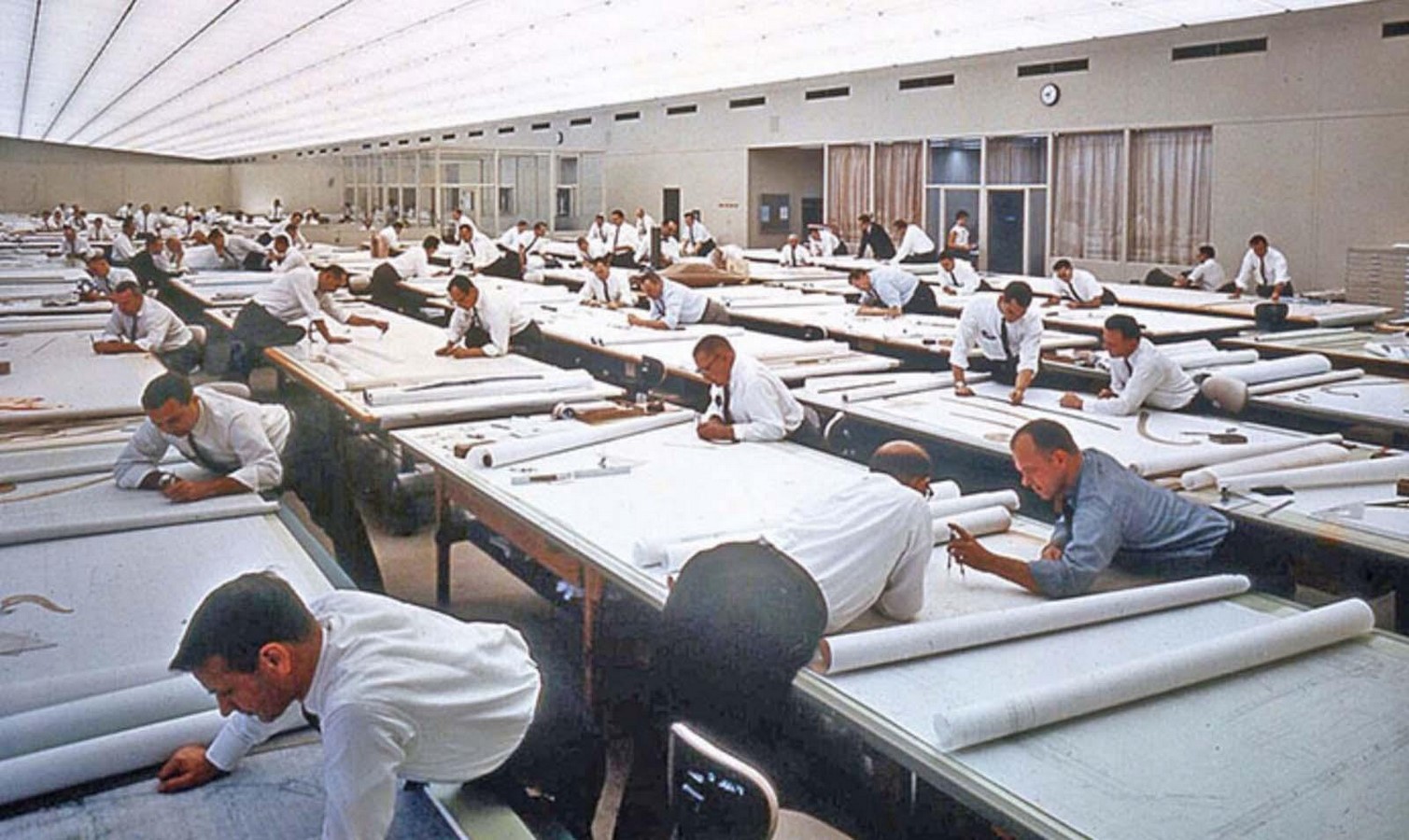
With the advancement of design tools, hand sketches were translated by digital software, which allowed the designers to explore forms, structure, and details with precision and speed. Designers could now quickly refine, test intricate designs, explore materials and lighting, and envision places. Paper-based drawings and concepts were limited to 2D, whereas now, with the help of software tools, the designs are portrayed in 3D as well. The combination of hand sketches and software allowed architects to design structures beyond simplicity, creating designs that were both imaginative and buildable.
Digital Design Tools
Architects today have access to a wide range of digital tools that enhance creativity and precision in design. Software such as AutoCAD, SketchUp, Rhino, and Revit are now essential tools for creating architectural plans and 3D models. This software is equipped with various datasets that allow the creation of even complex structures and designs.
Beyond these software, BIM (Building Information Modeling) takes a digital step in integrating structural, architectural, and mechanical drawings. It integrates multiple layers of information about a building into a single 3D model. The model also incorporates data on materials, structural systems, and energy performances. It reduces errors, improves project timelines, and provides more sustainable solutions. Revit is one of the software programs that incorporates BIM, allowing designers to create, manage, and coordinate digital models. It saves time and provides accurate data, which is difficult to achieve through manual drafting and hand sketches. Furthermore, forms that are very efficient, organic, and adaptable can be created using parametric design and generative design techniques.
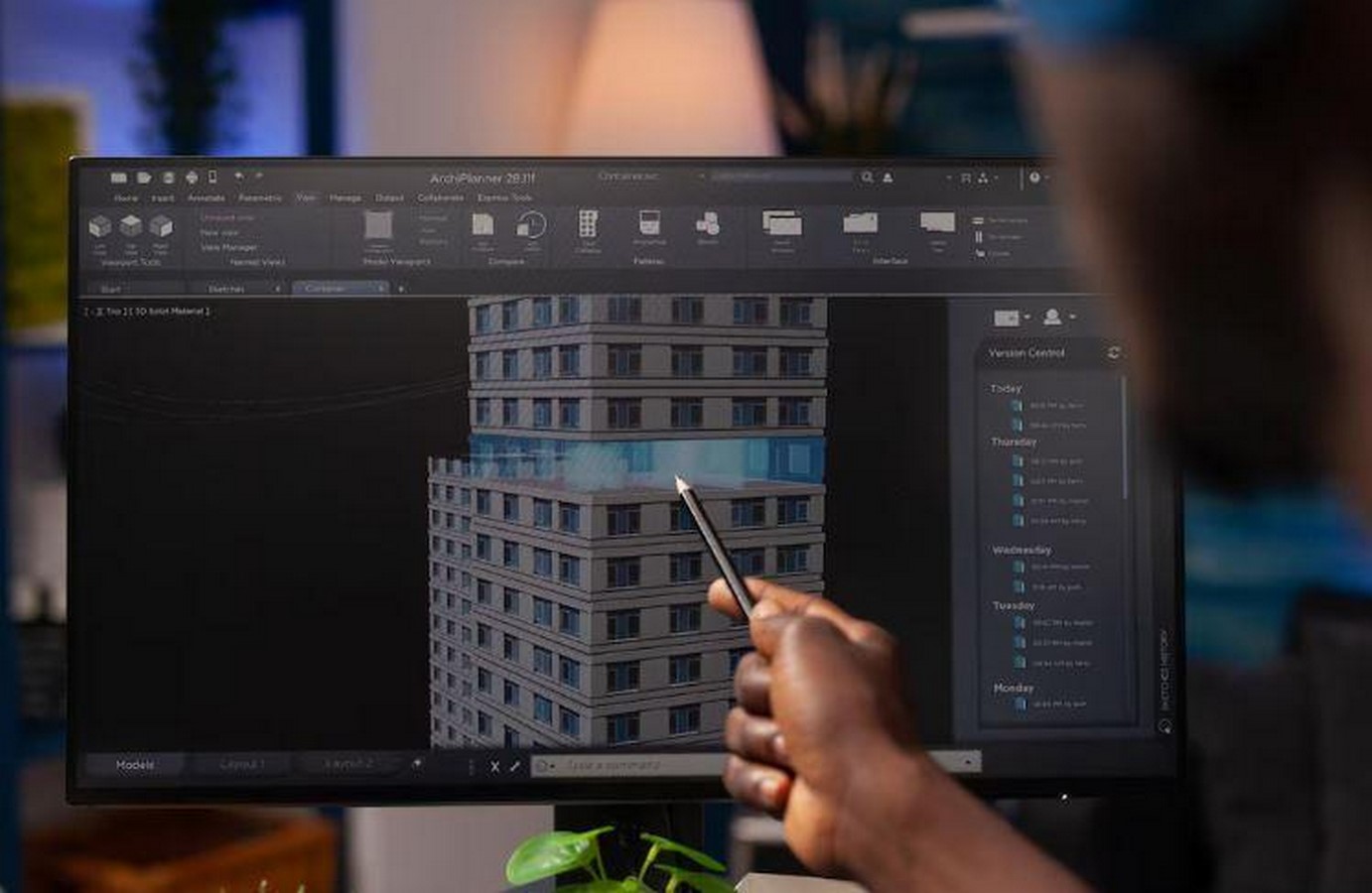
Parametric design refers to the use of algorithms to define various parameters, allowing for greater complexity in architectural forms. This design technique allows for free experimentation with intricate designs while keeping control. Natural forms like curves and irregular patterns are often hard to produce manually. Parametric design simplifies this by creating relationships between parameters that can define complex, organic shapes. The evolution of parametric design in architecture over time demonstrates a notable trend toward combining creativity and digital means. Architects can design buildings that are both practical and ecologically beneficial by incorporating elements like sustainability and energy efficiency into the design parameters.
From Sketch to Algorithm
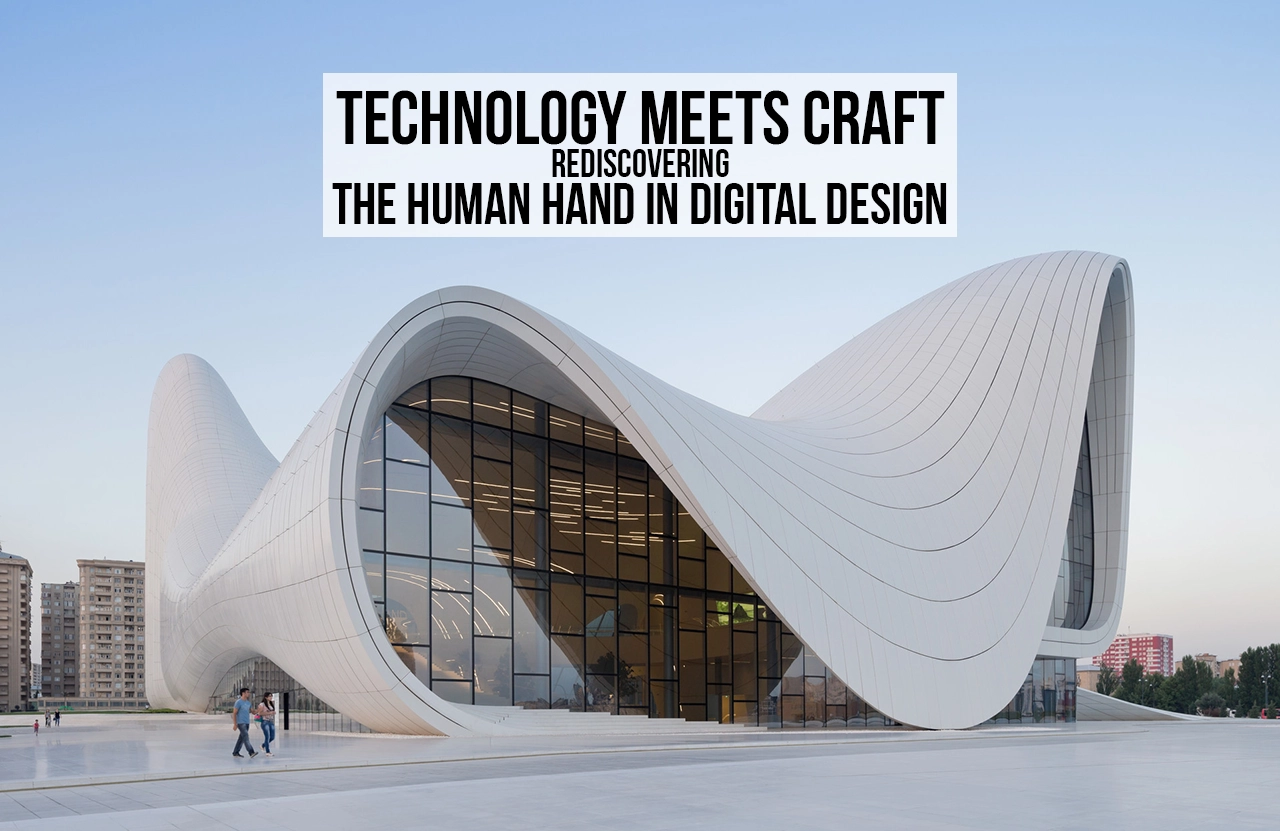
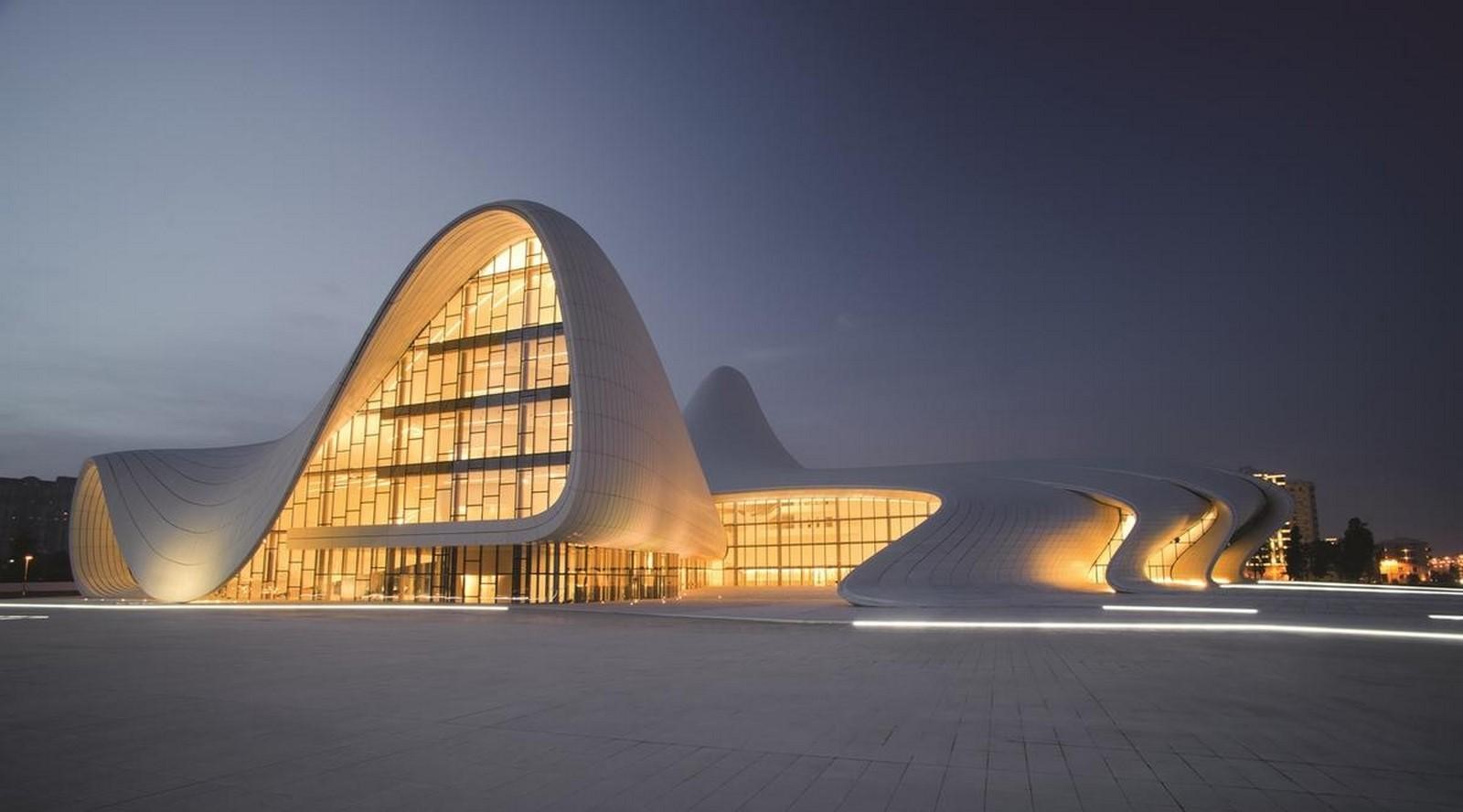
The journey from hand sketch to algorithms reflects the evolution of digital innovation. In order to preserve hand creativity while utilizing technology to enhance it, architects now employ digital platforms to convert conceptual sketches into accurate, flexible models. One of the architects who uses this fusion of hand and digital innovation is Zaha Hadid. Her design begins with freehand sketches with fluid lines and organic forms. These sketches are then translated into parametric models using software like Rhino and Grasshopper. These design tools allowed her to play with algorithms and transform hand-drawn intuition into built reality. One of the prominent examples of her designs is the Heydar Aliyev Center, which showcases continuous curves that were impossible with manual methods. Hadid’s work, therefore, demonstrates that the digital craft does not replace the human hand but rather enables the hand’s creativity to soar into new geometries.
In essence, the transition from handcraft to digital craft represents a creative rebirth rather than a replacement. The combination of both human hand and digital craft ensures that although technology will shape architecture in the future, the human touch will continue to be the foundation of craftsmanship.
References:
Siddiqui, S. (2025). The Intersection of Architecture and Technology – DesignAsia Magazine. [online] DesignAsia Magazine. Available at: https://designasiamagazine.com/the-intersection-of-architecture-and-technology/ [Accessed 29 Oct. 2025].
ArchAdemia. (2025). From Concept to Creation: The Role of Parametric Design in Digital Fabrication for Innovative Architecture | ArchAdemia. [online] Available at: https://archademia.com/blog/from-concept-to-creation-the-role-of-parametric-design-in-digital-fabrication-for-innovative-architecture/?srsltid=AfmBOooZi19IP5Lp0xWnnIk714prqDdgGYsmYrwL8h1ZadhE5jr7N6eh [Accessed 29 Oct. 2025].