When it comes to commercial metal roofing, there are numerous options to consider. Whether you’re building a new structure or planning a commercial roof replacement, choosing the right type of metal roof is crucial for long-term durability, energy efficiency, and cost-effectiveness.
In this guide, we’ll cover the metal roof types and types of commercial metal roof panels to help you decide which option is best for your building.
Why Choose a Metal Roof?
Before diving into the types of metal roofs, let’s take a quick look at why so many businesses are opting for commercial metal roofing.
Metal roofs are built to last, often outliving other roofing materials by decades. T
They’re durable, energy-efficient, and require little maintenance, which makes them a great investment for commercial buildings.
Additionally, metal roofs can handle harsh weather, from heavy winds to intense heat, without breaking down as quickly as traditional roofing materials. Plus, they can help reduce cooling costs by reflecting sunlight.
Common Types of Commercial Metal Roof Panels
Now let’s go over the main types of commercial metal roof panels, each with its own pros and cons. The right choice will depend on your building’s needs, climate, and budget.
1. Standing Seam Metal Roofs
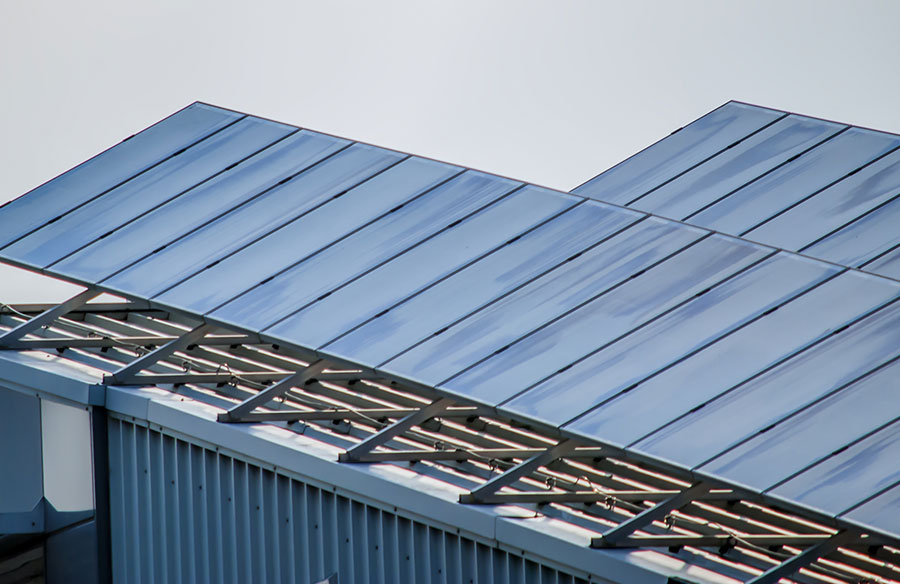
Standing seam is one of the most popular types of commercial metal roof panels. This system features long panels with raised seams that run vertically from the ridge to the eaves. The seams are raised, creating a clean, modern look while also allowing for natural expansion and contraction as temperatures change.
- Pros: Standing seam roofs are low-maintenance, durable, and weather-resistant. Since the fasteners are hidden, there’s less risk of leaks over time.
- Cons: They’re more expensive than other options, both in terms of materials and installation.
If you’re planning a commercial roof replacement on a building with a low-slope or flat roof, standing seam is a great choice due to its ability to handle these roof types.
2. Corrugated Metal Roofs
For a more budget-friendly option, corrugated metal roofing is a solid choice. This type features wavy panels that are lightweight and easy to install. It’s one of the most affordable metal roofing options available, making it ideal for larger buildings or budget-conscious projects.
- Pros: Corrugated roofs are inexpensive, durable, and easy to repair. They’re great for buildings that don’t need the advanced weather protection of standing seam roofs.
- Cons: Exposed fasteners make corrugated roofs more susceptible to leaks and corrosion over time. Additionally, they require a steeper pitch to function properly—usually at least a 5:12 slope.
3. Metal Shingles and Tiles
If you want the look of traditional roofing materials like shingles or tiles, but with the benefits of metal, metal shingles or metal tiles are an option. These panels mimic the appearance of asphalt shingles, clay tiles, or even slate, providing a more classic look.
- Pros: Metal shingles offer better protection against leaks and corrosion compared to corrugated roofs, and they come in a variety of styles and colors to suit different aesthetics.
- Cons: They tend to be more expensive than standing seam and corrugated metal roofs, making them less popular for large commercial projects.
4. R-Panel and Multi-Rib Panels
R-panel (or multi-rib) metal roofing is commonly used in commercial and industrial buildings. It has a ribbed design and is typically made of steel, making it strong and cost-effective. However, like corrugated metal roofs, it has exposed fasteners, which can lead to wear over time.
- Pros: R-panel roofs are affordable, durable, and easy to install, making them a good choice for industrial buildings or warehouses.
- Cons: The exposed fasteners increase the risk of leaks and corrosion.
Material Choices for Commercial Metal Roofing
The type of metal you choose for your roof can significantly impact its durability, cost, and lifespan. Here’s a quick rundown of the most common materials:
- Steel: The most popular material for commercial metal roofing, steel is strong, affordable, and resistant to impact. However, it’s prone to rust unless properly coated.
- Aluminum: Known for its light weight and corrosion resistance, aluminum is a good option for coastal areas where rust is a concern.
- Copper: While expensive, copper offers an exceptional lifespan and resistance to corrosion. It also develops a unique patina over time, giving it a distinct look.
- Zinc: Zinc is another long-lasting material that naturally resists corrosion and is fully recyclable. However, it’s one of the more expensive options.
Factors to Consider When Choosing a Metal Roof
When selecting the right type of commercial metal roof, consider the following factors:
- Budget: Some metal roofs, like standing seam or copper, come with a higher upfront cost, but they offer greater longevity and less maintenance. If you’re on a tight budget, corrugated metal or R-panel roofs are more affordable options.
- Climate: If you’re in an area prone to heavy winds, snow, or high temperatures, a standing seam roof may be your best bet due to its durability and weather-resistant properties.
- Maintenance: Some metal roofs require more ongoing care than others. For example, corrugated and R-panel roofs may need more frequent inspections and repairs due to exposed fasteners.
Conclusion
Choosing the right commercial metal roof is all about balancing your building’s needs, budget, and the environmental factors at play.
Whether you go for a sleek standing seam roof, a budget-friendly corrugated metal option, or something in between, the key is to select the roof that will offer long-term durability and minimal maintenance.
If you’re looking for a commercial roof replacement, consider consulting with a professional roofer who can help guide you toward the best choice based on your specific needs.