The Things Our Hands Never Forget
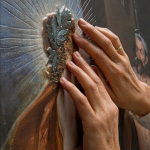
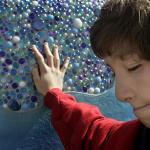
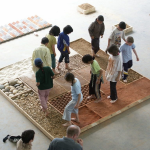
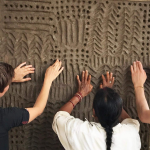
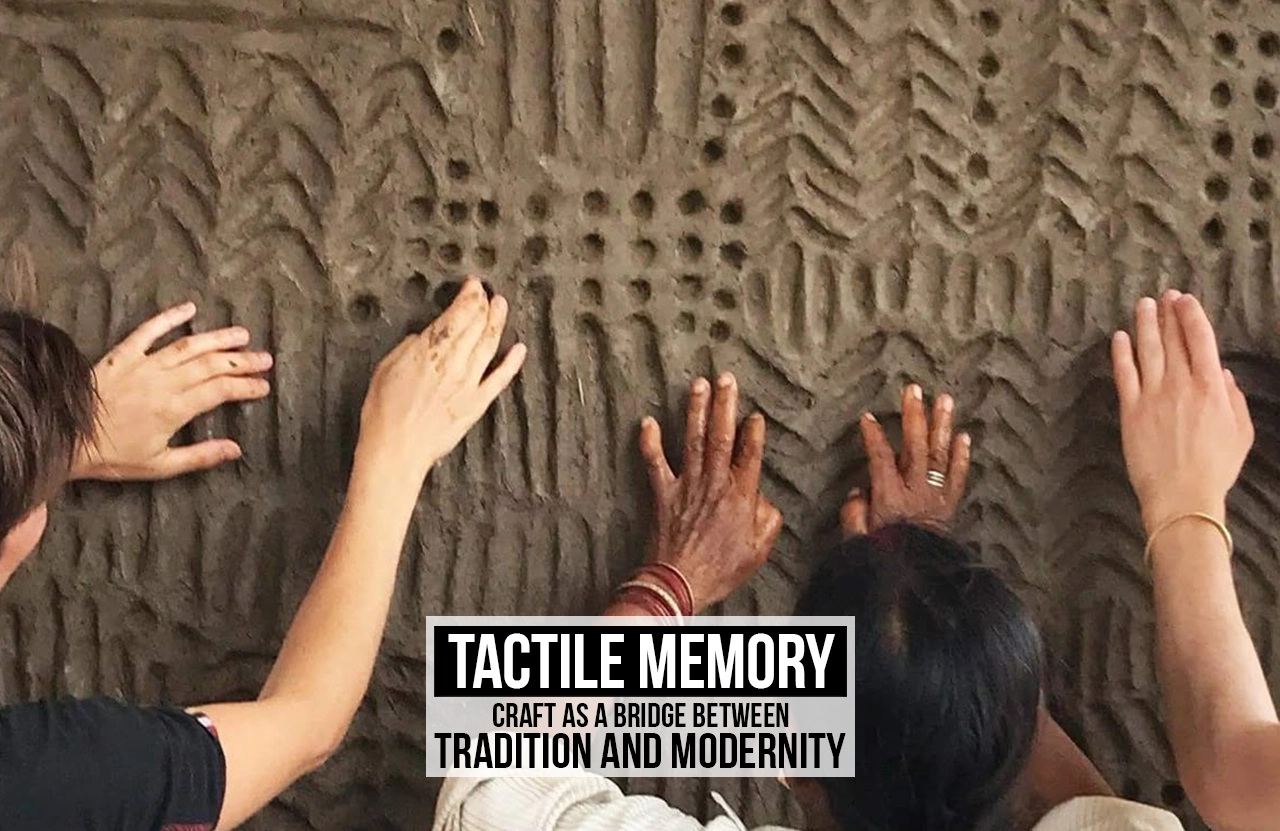
There is something hauntingly beautiful about the way our hands remember. Long after the world has turned to screens and scrolls, muscle memory holds onto stories. The tension of a loom, the rhythm of clay turning on a wheel, the flick of a paintbrush guided by instinct rather than sight. This is tactile memory, a deeply human archive stored not in clouds or code but in skin, motion, and texture.
In an age obsessed with speed, craft feels slow, deliberate, and almost rebellious. Each act of making, whether weaving, carving, or moulding, becomes a quiet protest against forgetting. It is through touch that generations have passed down knowledge that cannot be written, only felt. Research shows that active touch enhances creativity and emotional connection to material (Kim, Herd and Krishnan, 2022).
Craft as the Language Between Eras
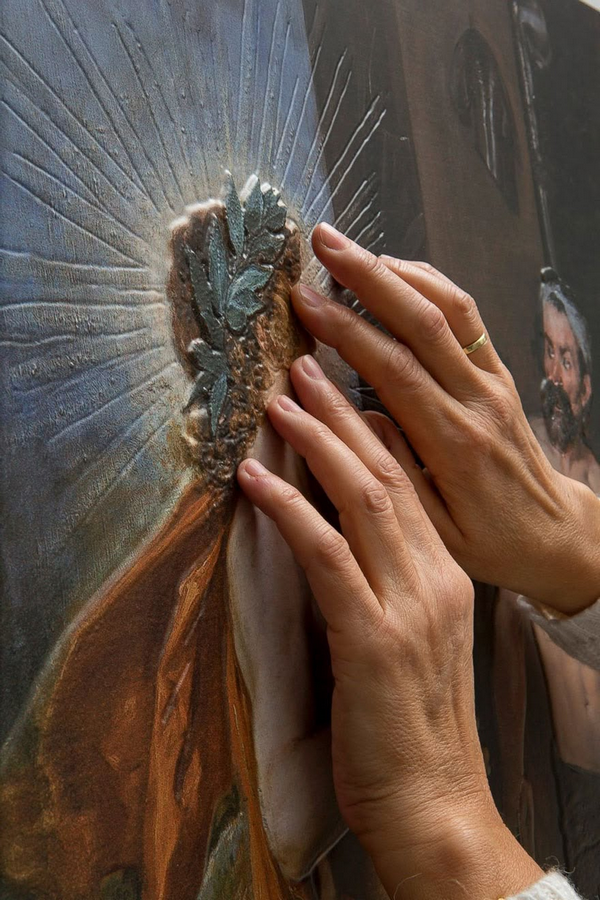
To understand the bridge between tradition and modernity, one must first see how craft functions as language. It speaks across time without translation. A handmade wooden toy in rural India and a ceramic installation in a modern gallery both express the same devotion to material and process.
Today’s designers often navigate the intersection of craft and computation. A new wave of digital artisans merges ancestral techniques with algorithms, laser cutters, and robotics. Rather than replacing tradition, this relationship deepens it. Integrating tactile practices into digital fabrication nurtures empathy and emotional depth in design (Cheatle and Jackson, 2023).
The hand still guides the machine.

The Soul of Sustainability
In craft, sustainability is not a marketing strategy. It is a lived philosophy. Traditional makers worked with what was around them, such as clay, bamboo, stone, or cotton. These materials were chosen out of necessity and respect. Today, when sustainability often feels aesthetic rather than ethical, craft reminds us that care is built into the process itself.
Architects and designers are rediscovering how sensory engagement creates stronger emotional bonds between people and place. Spence (2020) describes this as multisensory design, where textures and materials shape how we belong in a space. Craft, therefore, becomes a moral compass, showing how design can be both intimate and ecological.
Recent studies explore how tactility affects our perception of sustainable materials, showing that biobased composites are better understood and appreciated when experienced through touch (Thundathil et al., 2024). The sense of texture becomes not only aesthetic but also ethical, a pathway to understanding the environment.
When Touch Heals the Mind
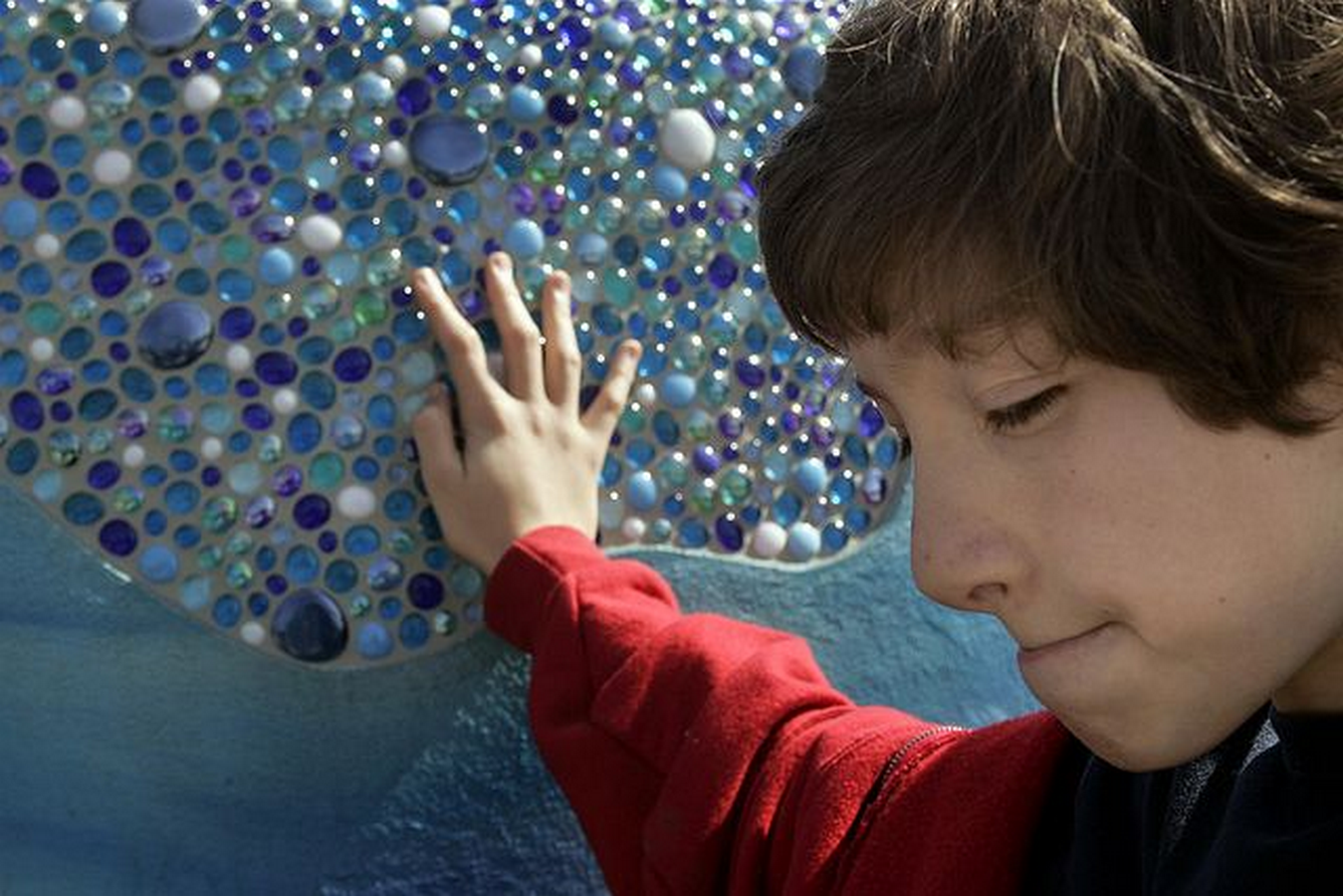
Beyond beauty and sustainability, touch also carries the power to heal. Crafting by hand has been shown to lower stress levels, improve focus, and provide psychological relief. The repetitive, rhythmic nature of making serves as a meditative process, reconnecting the maker to the present moment. In a world defined by overstimulation, the act of working with clay or thread allows the mind to rest while the hands take over.
Recent research in creative therapy and cognitive neuroscience highlights how tactile engagement can foster mental well-being and emotional regulation (Donnelly et al., 2023). When hands move, thoughts settle. Through making, the invisible weight of modern life finds a quiet, wordless outlet.
From the Workshop to the Studio
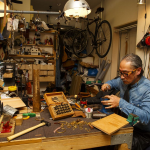
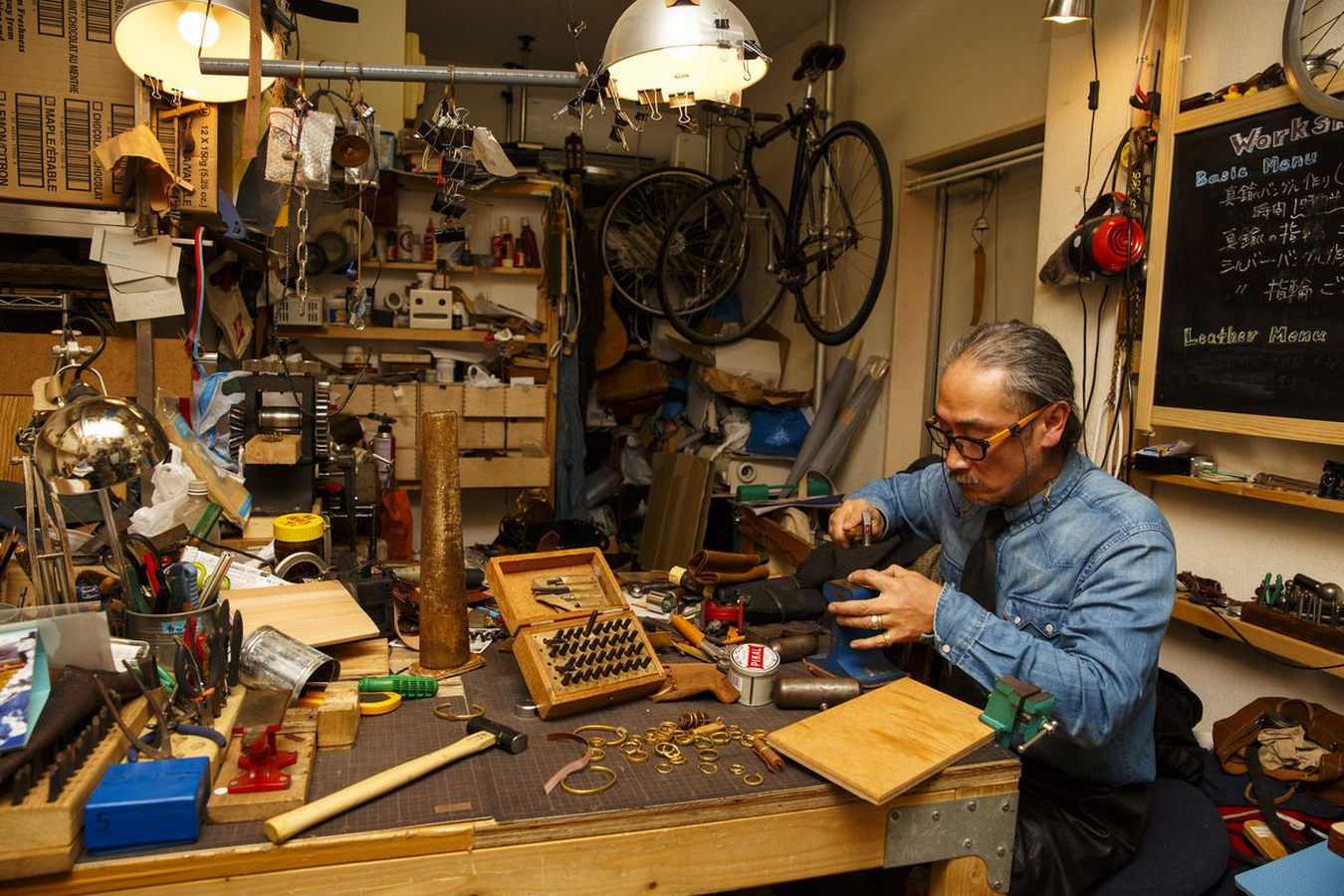
Walk into any artisan’s workshop and you will notice something missing: perfection. Slight asymmetries, fingerprints in clay, and uneven edges are all traces of human life. In modern studios, designers are reintroducing this imperfection as a design statement. It is not nostalgia but reawakening.
Tactile memory teaches that beauty lies in continuity, in the thread that runs from the potter’s hands to the architect’s sketch. Every act of making becomes a dialogue, tradition whispering to innovation, and innovation listening in return. Craft is no longer confined to heritage museums. It is alive in 3D-printed ceramics, sustainable architecture, and textile-based digital interfaces.
In architecture, tactile experience influences how we perceive space, even without visual cues. Kudaligama and Udawattha (2024) reveal that human skin acts as a sensory reference point in understanding materials, a reminder that the body itself is a design instrument.
When Technology Learns to Feel
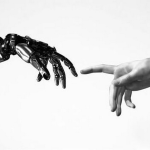
What happens when machines begin to learn texture? Designers and technologists are experimenting with haptic interfaces and digital fabrication tools that can mimic the sensation of touch. Yet the irony is that the more we simulate touch, the more we yearn for the real thing.
This is where tactile memory finds its true relevance, as a grounding force in a digitised world. While AI may predict, automate, and generate, it cannot replicate the imperfections that give human craft its soul. Our hands, unlike machines, learn through failure, repetition, and care.
Recent explorations into analogue and digital masonry show that even in computational workflows, physical making retains a unique sense of authorship and identity (Taşcı and Yazıcı, 2025). Technology may assist, but craft humanises it.

Learning to Feel Again: The Future of Tactile Education
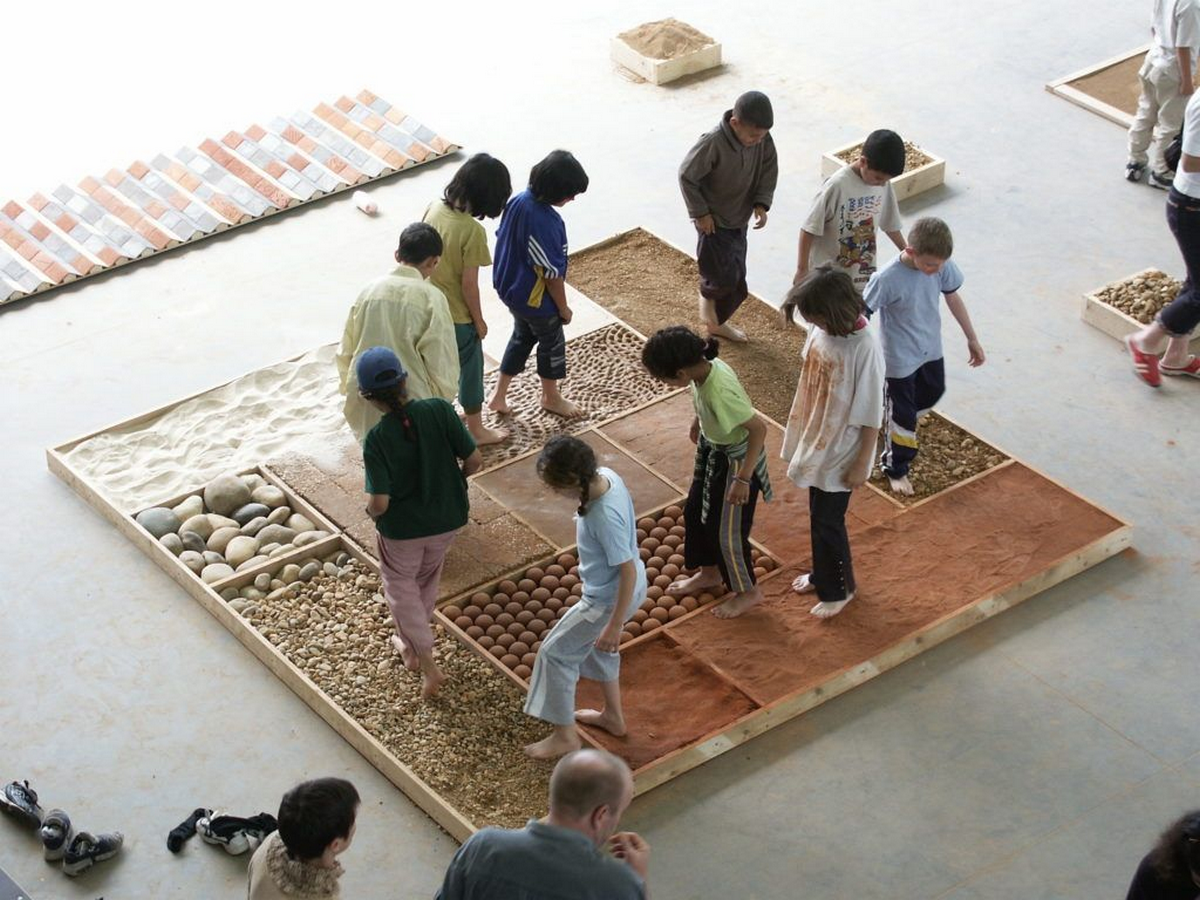
The next generation of designers is being taught to think with their hands again. Schools and universities are reintroducing material workshops, physical prototyping, and craft-based studios to balance digital learning. This shift stems from growing recognition that creativity is not just intellectual, but sensory.
Students who engage physically with materials develop deeper spatial understanding, empathy, and design intuition. A recent study by El-Zanfaly (2024) argues that tactile learning encourages designers to build emotional intelligence alongside technical skill. The act of making becomes a conversation between the brain, the body, and the material world.
The Return of the Handmade Mind
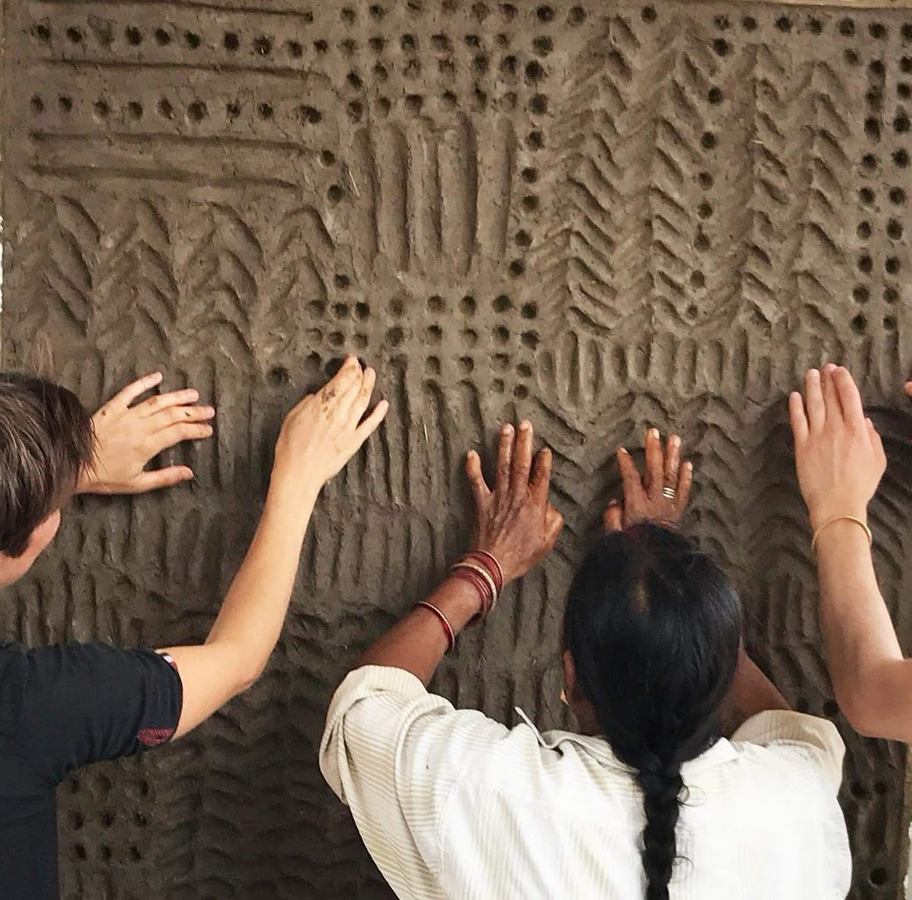
In a world where virtual replaces visceral, tactile memory brings us back to ourselves. It reminds us that creation is not just about producing objects, but about forming relationships with materials, with time, and with others who have touched the same traditions.
That is why we are drawn to things that feel made, the rough weave of handspun cloth, the cool grain of carved wood, the uneven brushstroke that defies symmetry. They hold something more permanent than function; they hold emotion.
To touch is to remember. And through that memory, craft continues to stitch together the past and the present, one handmade story at a time.
References:
Cheatle, A. and Jackson, S. (2023). Recollecting Craft: Reviving Materials, Techniques, and Pedagogies of Craft for Computational Makers. Proceedings of the ACM on Human-Computer Interaction, 7(CSCW2), pp.1–26.
Kim, J., Herd, K. and Krishnan, H. (2022). The Creative Touch: The Influence of Haptics on Creativity. Journal of Consumer Research, 49(4), pp.675–689.
Spence, C. (2020). Senses of Place: Architectural Design for the Multisensory Mind. Cognitive Research: Principles and Implications, 5(46), pp.1–16.
Thundathil, M., Emerson, N.J., Nazmi, A.R., Shahri, B., Müssig, J. and Huber, T. (2024). Tactility in Perception of Biobased Composites. Proceedings of the Design Society: DESIGN 2024, 4, pp.1467–1476.
Kudaligama, A. and Udawattha, C. (2024). Exploring Building Materials: Human Skin as a Sensory Reference in the Absence of Visual Cues. Frontiers in Built Environment, 10, 1431780.
Taşcı, M.H. and Yazıcı, S. (2025). An Inquiry on Analogue and Digital Making Processes in Architecture: Craft and Fabrication within the Scope of Masonry Structures. Journal of Computational Design, 6(1), pp.37–66.