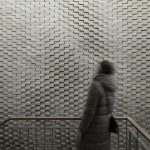
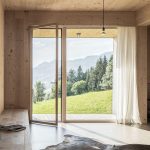
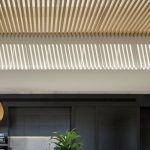
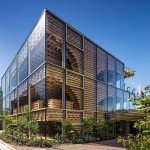
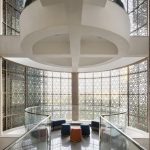
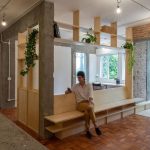
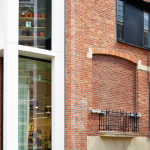
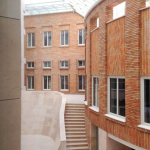
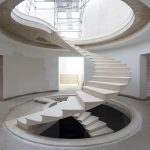
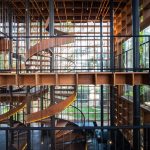
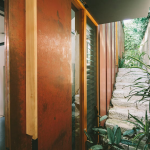
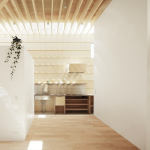
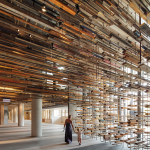
There are buildings that ask only to be looked at, and then there are those that ask to be experienced, touched, remembered. The distinction, more often than not, lies not simply in form, but in material. How a timber board echoes the touch of a hand; how a stone wall accumulates shadows of time; how a brick bears the imprint of labour. In architecture, to build meaningfully is to build with awareness of material as memory, ritual as structure, and repetition as provenance.
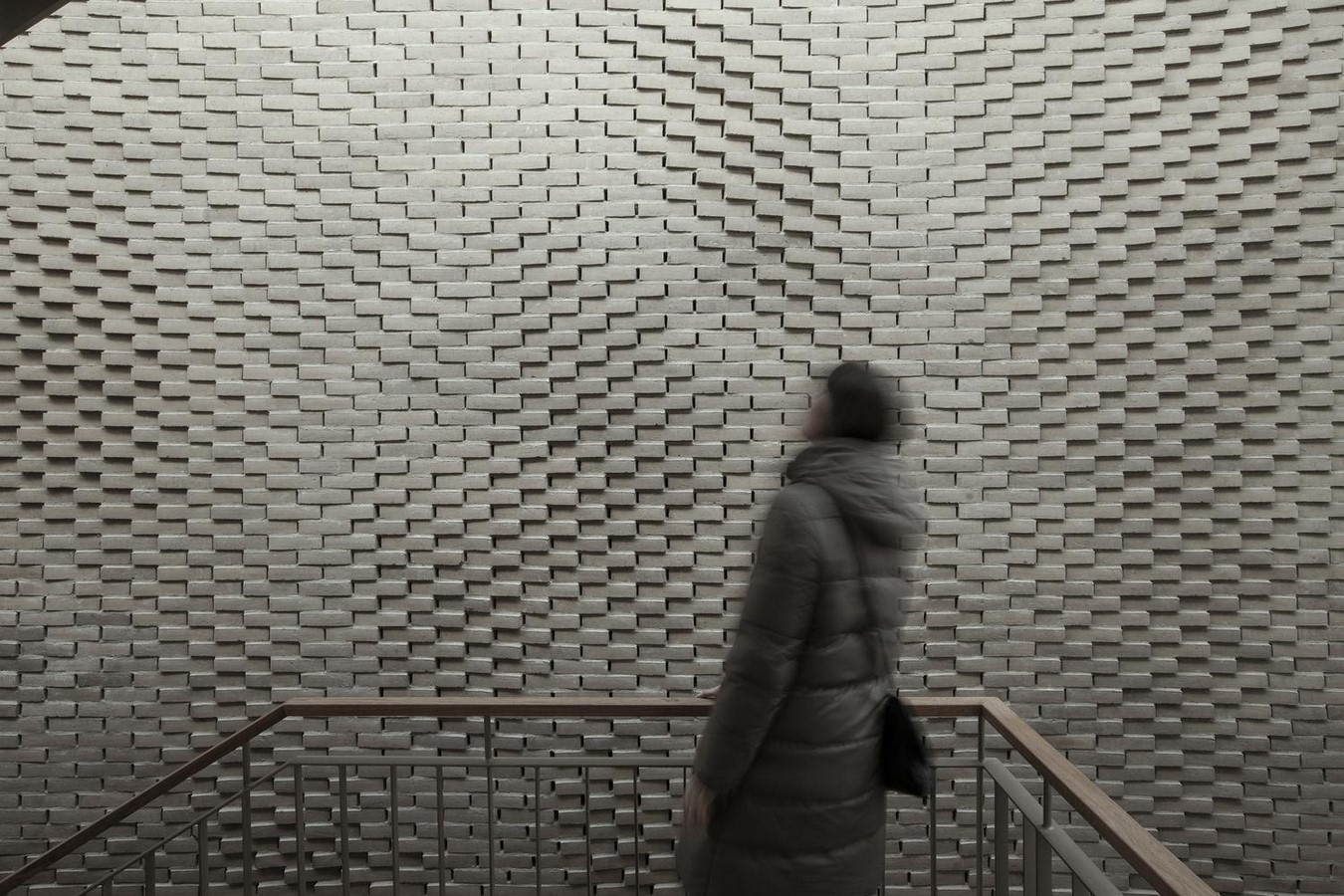
Material as Memory
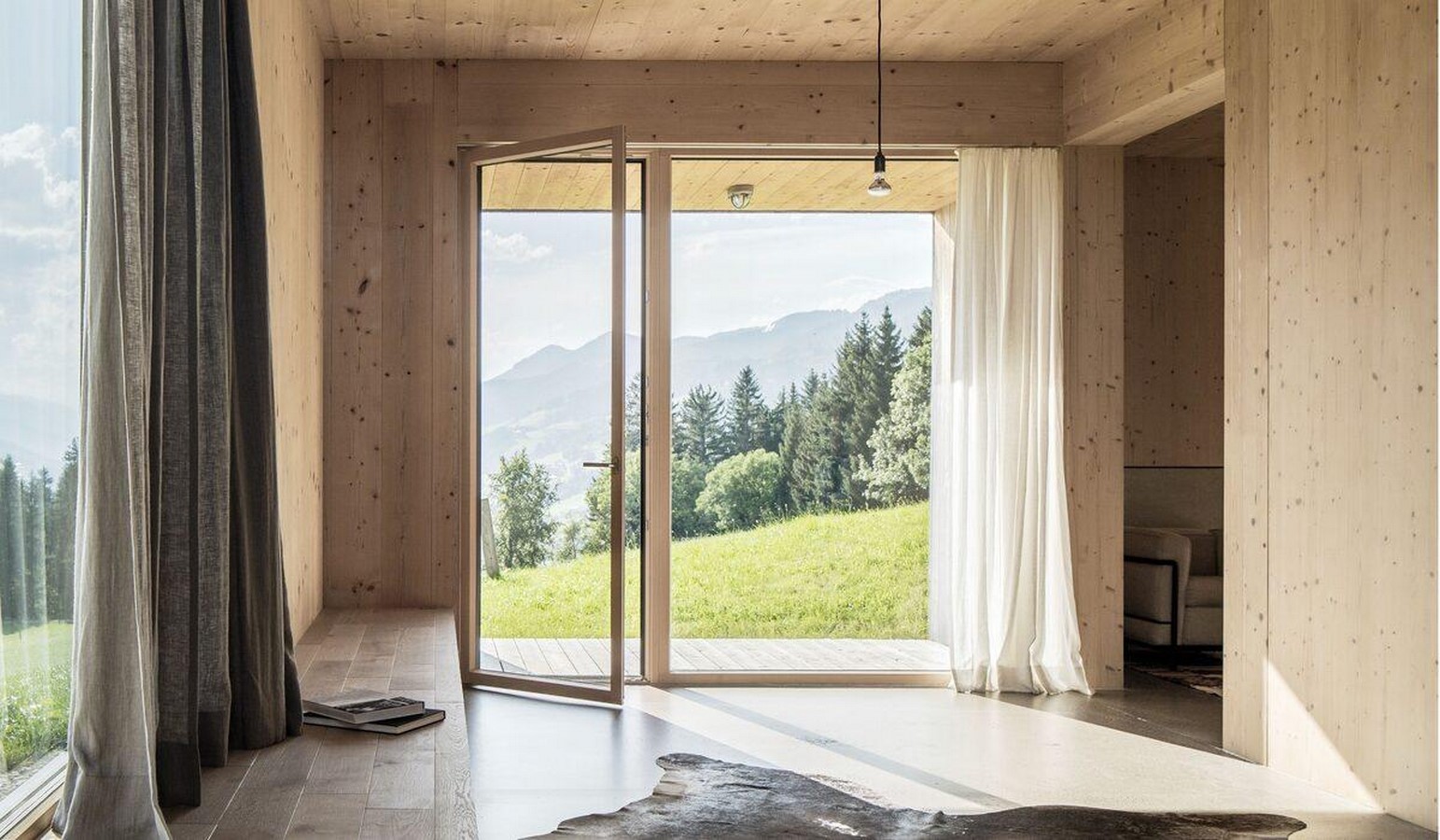
When we enter a space, our bodies first register the contact-zones: the coolness of metal, the warmth of wood, the grain of stone. As one author notes: “the cold metal handle, the warm wooden wall, and the hard glass window. Create an entirely different atmosphere.” Material is not neutral. It holds memory, of craft, of place, of time.
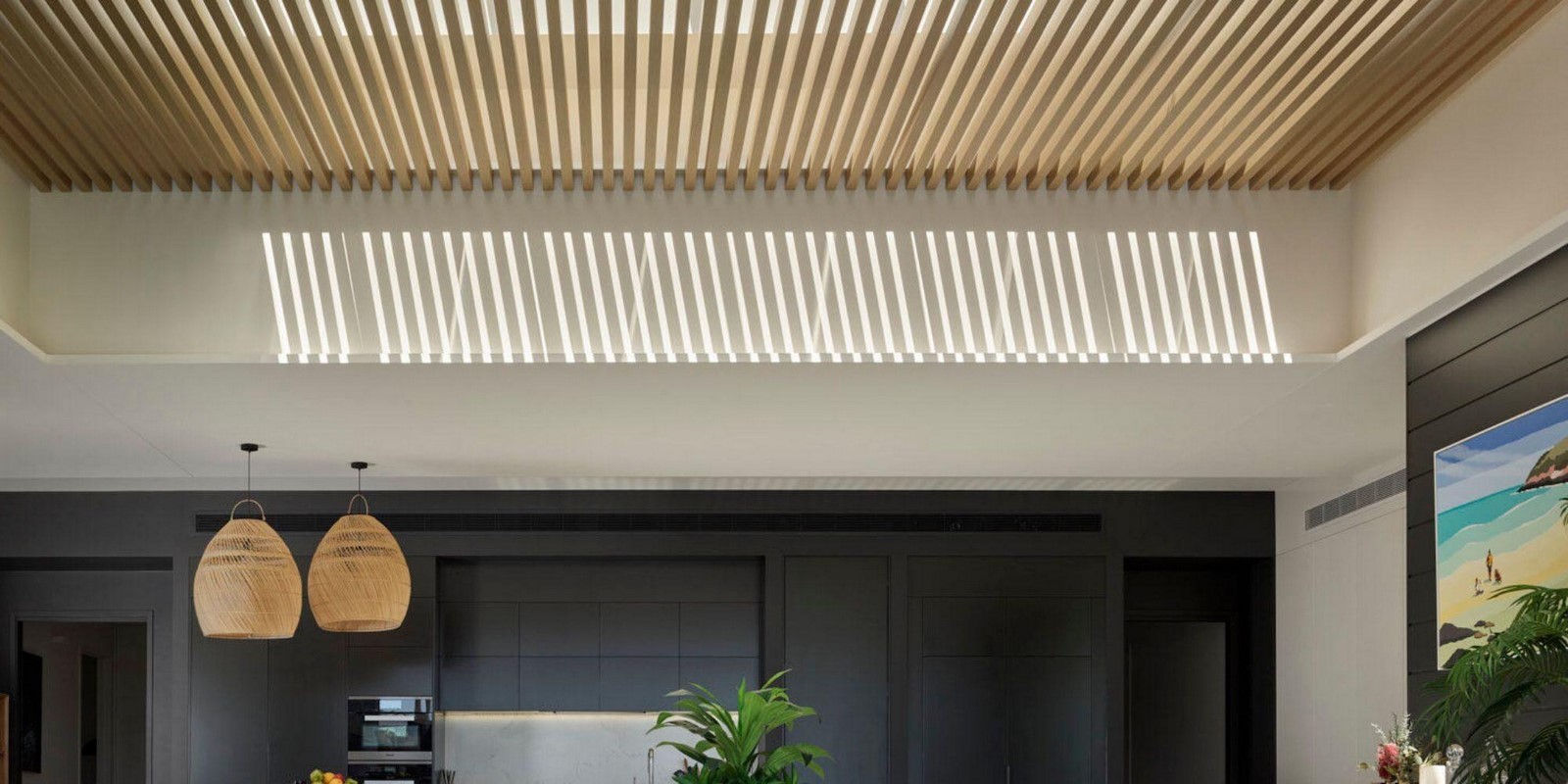
Consider how the Japanese architect Kengo Kuma uses local wood and layered surfaces to evoke a sense of rootedness and tactility. As revealed in a survey of his work: “Kuma understands the material as an essential component, giving value to the functions that will be carried out in each building.” Thus a material becomes part of narrative: a timber beam is more than structural, it is lineage; a reclaimed brick more than affordable, it is history.

Ritual, Repetition & Architectural Time
Ritual is by its nature repetitive, and repetition confers meaning. In architecture this takes the form of repeated gestures: the layering of courses of brick, the rhythm of timber slats, the act of pouring concrete day after day. Through repetition, a building accrues weight, physical and symbolic. One online reflection puts it simply: Many studies show how materials, textures and tones directly influence human psychology and behaviour.

Buildings thus become ritual machines. A chapel’s smooth stone wears the call of many footsteps; a pavilion’s shimmering glass recalls the sunlight of many mornings. The building invites presence, its materials absorbing patterns of inhabitation, ritual, weather, memory.
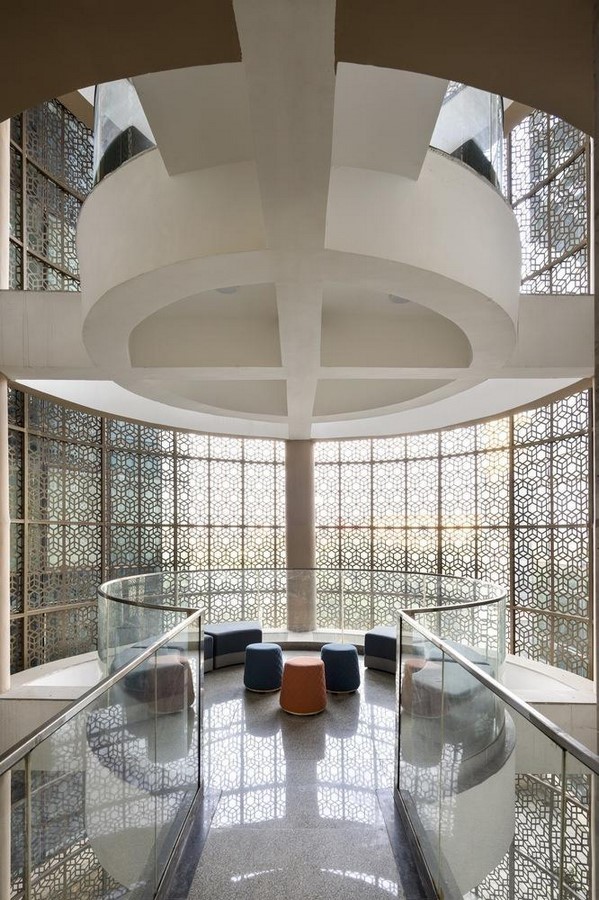
Furthermore, repetition in architecture can produce both comfort and meaning. As one piece describes: “What makes a building worth repeating?” lies in the material, the experience, the value of craft. When a building is built to last, it is built to be repeated, through maintenance, through use, through ritual.
The Emotional Life of Materials
We often speak of glass as transparent, steel as industrial; yet behind these categories lies emotion: the cold assurance of steel, the brittle fragility of glass, the deep warmth of timber. The architect’s role is to choreograph how bodies meet surfaces, how light crosses them, how repetition renders them meaningful.
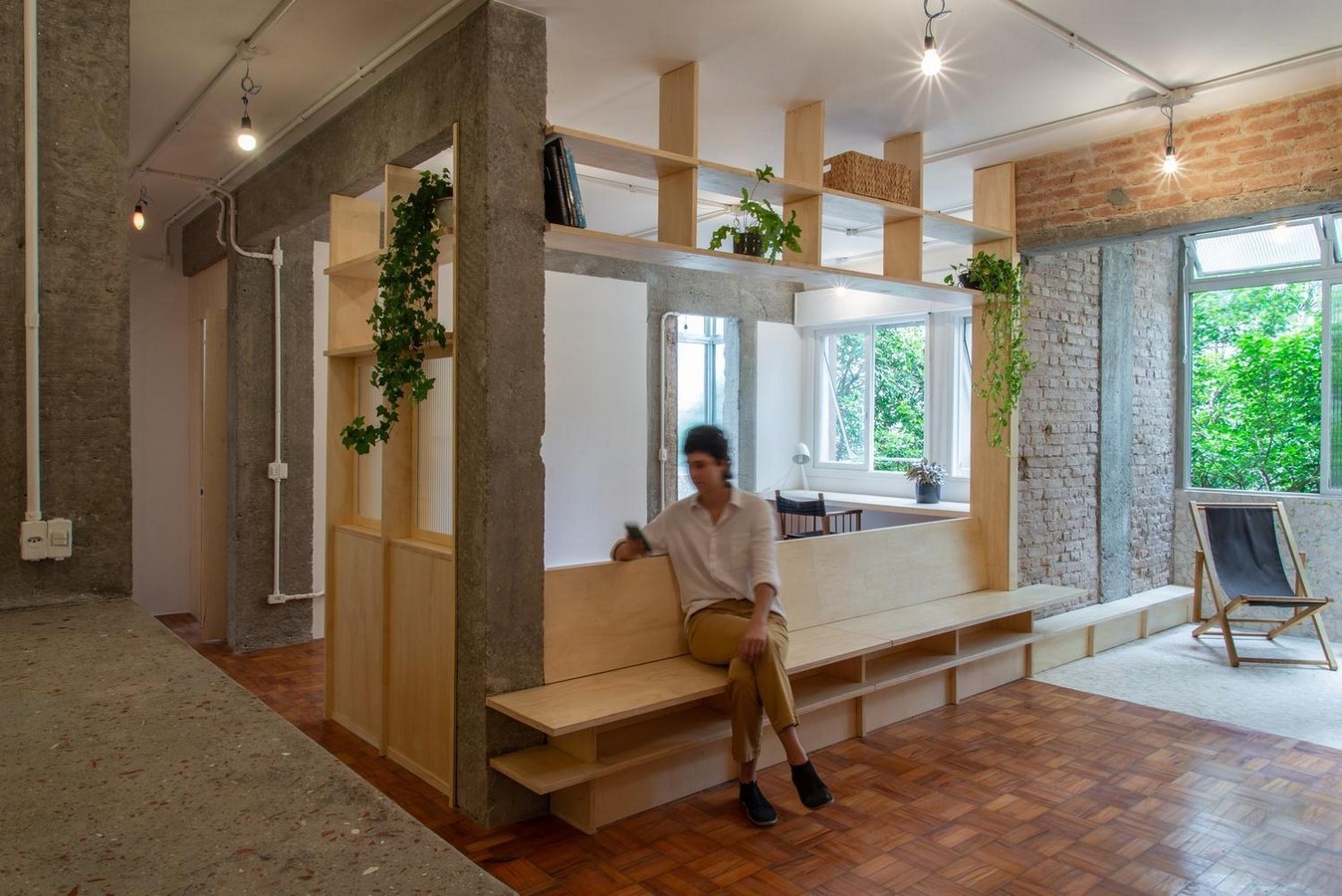
In modern architecture, there is a tendency to treat materials as inert, interchangeable commodities. But those buildings that linger in our imagination resist this erasure. Their materials bear marks: of labour, of weather, of human touch. They invite us to trace with our eyes and fingers the passage of time.
For instance, architects exploring reuse of materials emphasise how material carries memory and sociability, not only structural value. A reclaimed timber board isn’t just cheaper—it is socially charged, loaded with traces of its former life.
Locality, Reuse, and Material Authenticity
Another dimension of meaning emerges when we consider the origin of materials. It is one thing to specify “timber”; it is another to use timber sourced nearby, worked by local hands, embedded in local climate. It is one thing to use “reclaimed brick”; and another to let the brick tell its story of past structures, of time, of labour.
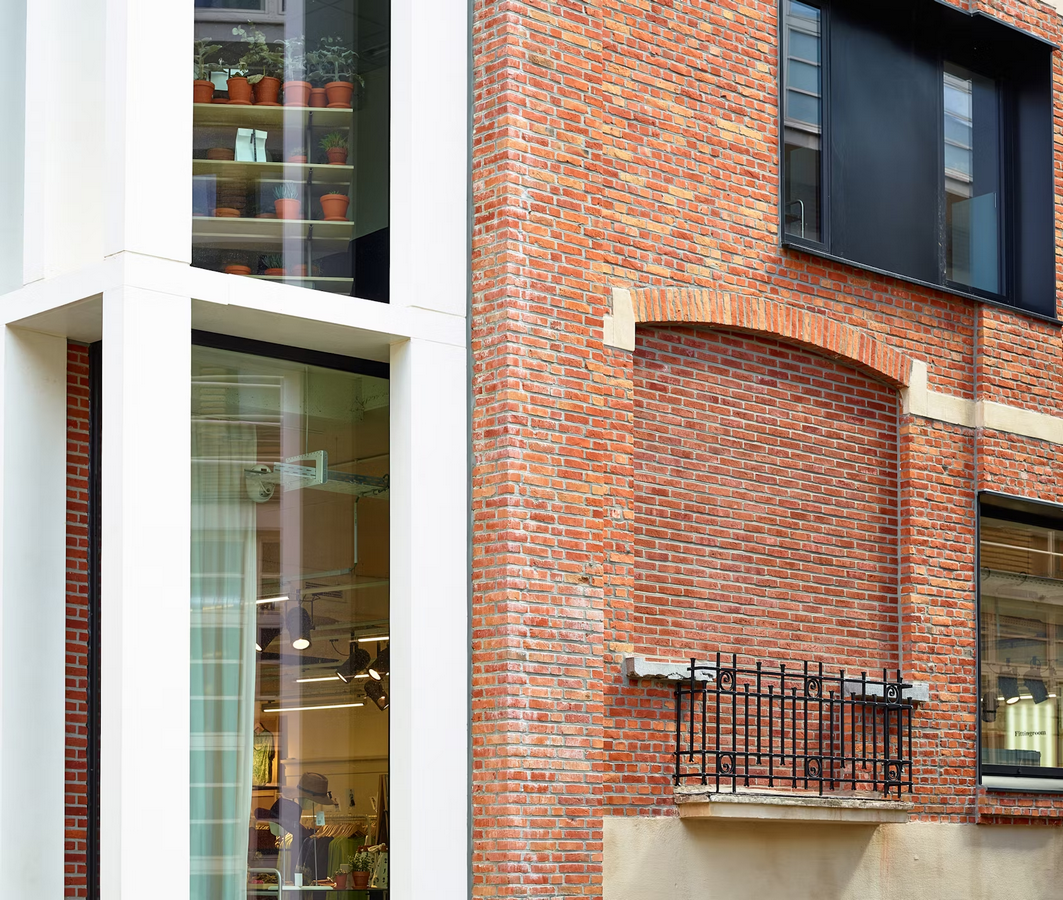
The article “Deconstruct, do not demolish” argues for reuse of construction materials as a way of preserving material memory and reducing environmental impact. The material becomes more than inert form; it becomes narrative.
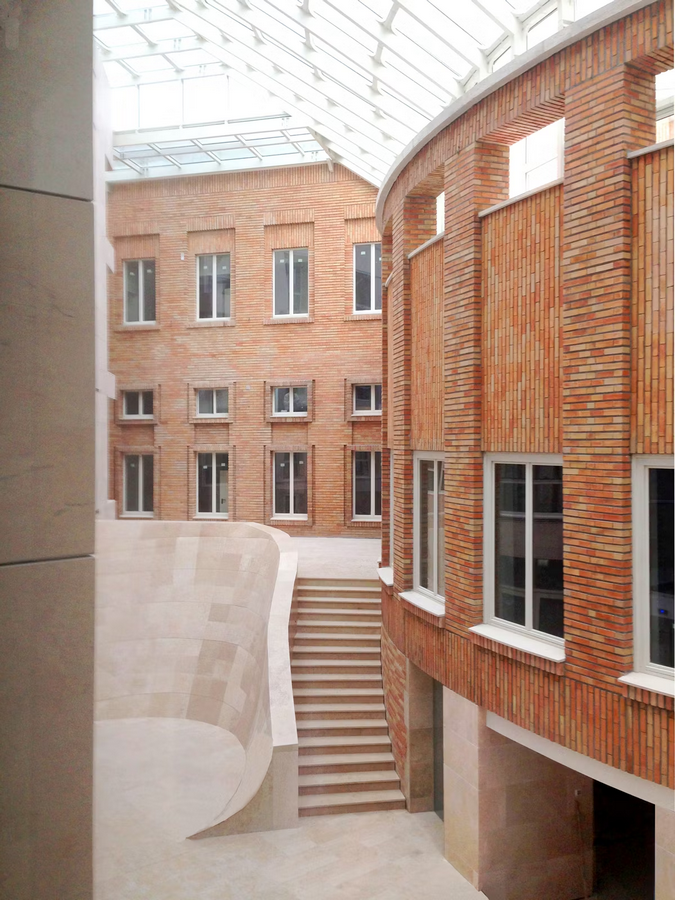
Likewise the interview with architecture practice RUÍNA Arquitetura emphasises how reuse requires adjusting design to material, design follows matter, not the other way around. In short: what if the building ritual is not only how materials are laid, but how they are chosen, reused, and repeated?
Materiality in the Age of Abstraction
In our digital-and-prefab era, materials are increasingly abstracted: mass-produced panels, steel frames, glass skins. The risk is that material becomes generic, losing its connection to place, ritual, craft. As one article states: “Materiality is of just as much importance as form, function, and location, or rather, inseparable from all three.”

Thus the architectural challenge becomes: how to restore material’s emotional density and ritual capacity in a commodified world?
This isn’t nostalgia for once-upon-a-time. Rather it is a recognition that architecture’s power lies not only in the novelty of form but in the weight of material, in the trace of repetition, in the persistence of ritual.

Craft, Time, and the Long View
Architecture that sustains is architecture that accounts for time. The moment a material leaves the loading dock is the moment it begins to age, to gather the patina of life. That patina carries meaning. A scratched lacquered steel plate says you used it; a timber board with nail holes says you lived here; a brick wall with slight misalignments says you made it.
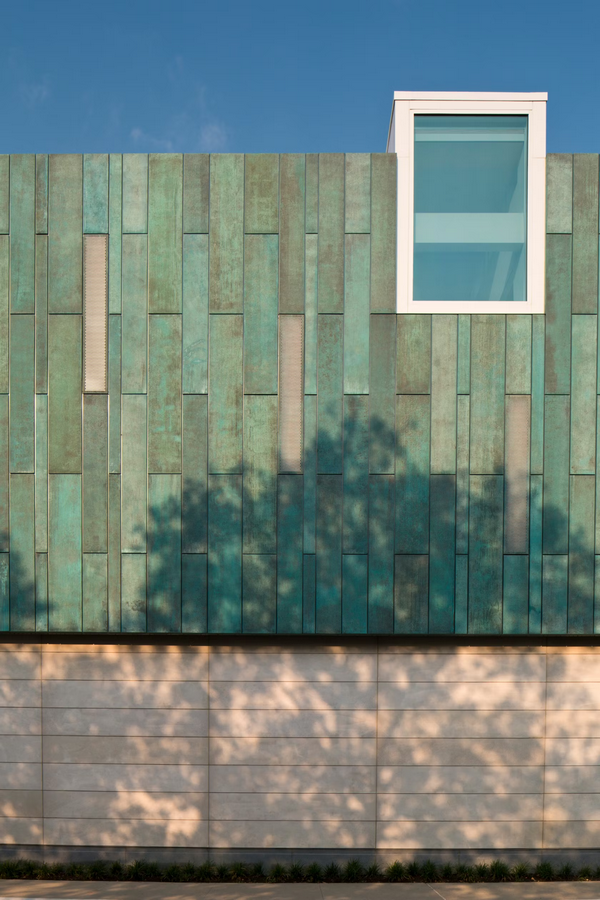
Such evidence of process and repetition gives the material emotional weight, and the building becomes less monument, more memory. As houses become sanctuaries of routine and rituals, spaces for meditation and movement, the materials bear witness.
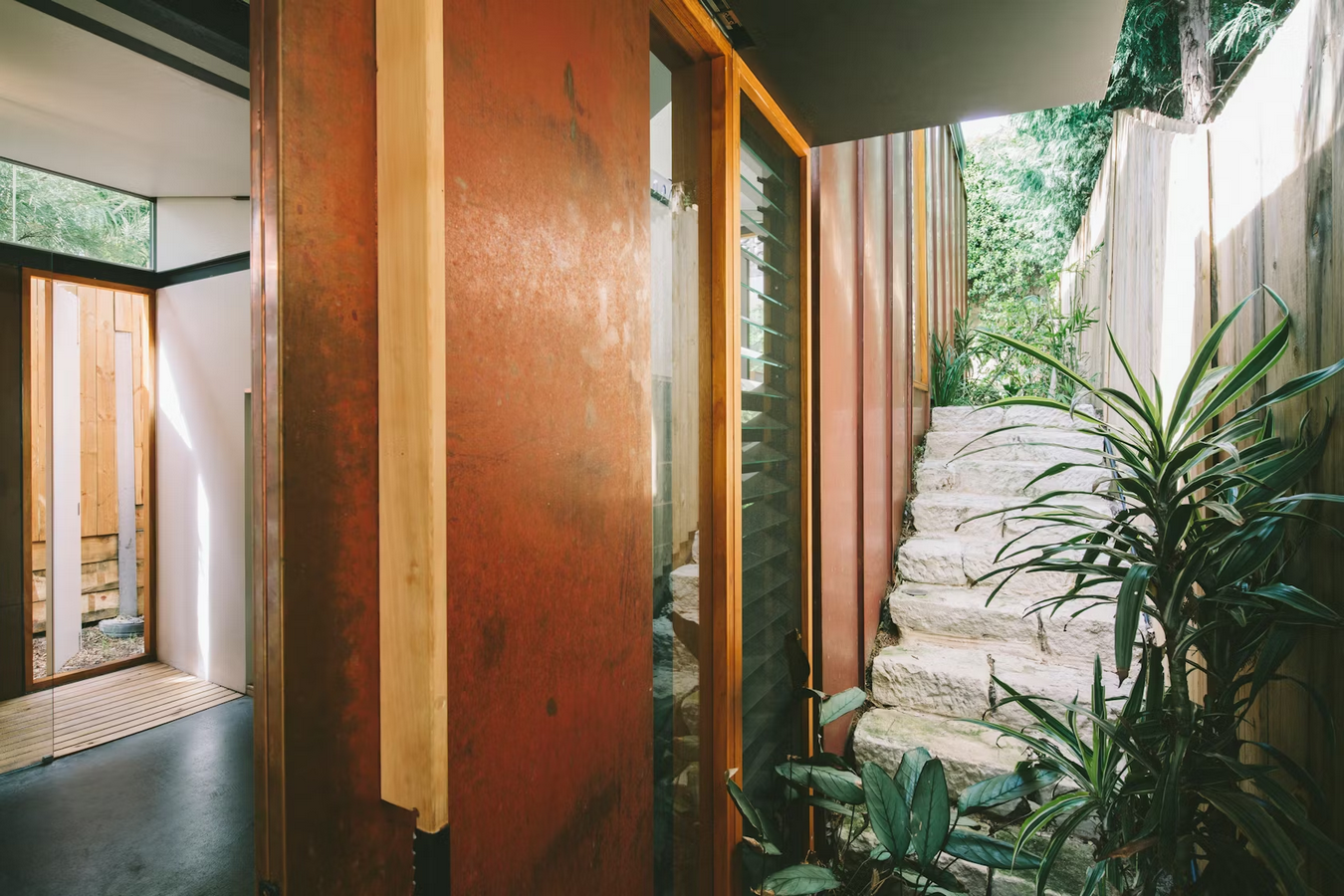
Craft remains central: the hand that cut, the hand that laid, the hand that smoothed. Ritual in construction echoes ritual in inhabitation. And through this, materials become translators between human gesture and architectural form.
Building Meaning
To say “materials matter” is facile. The deeper insight is that materials make meaning. Through ritual, through repetition, and through memory, architecture becomes charged with emotion, with life, with resonance.
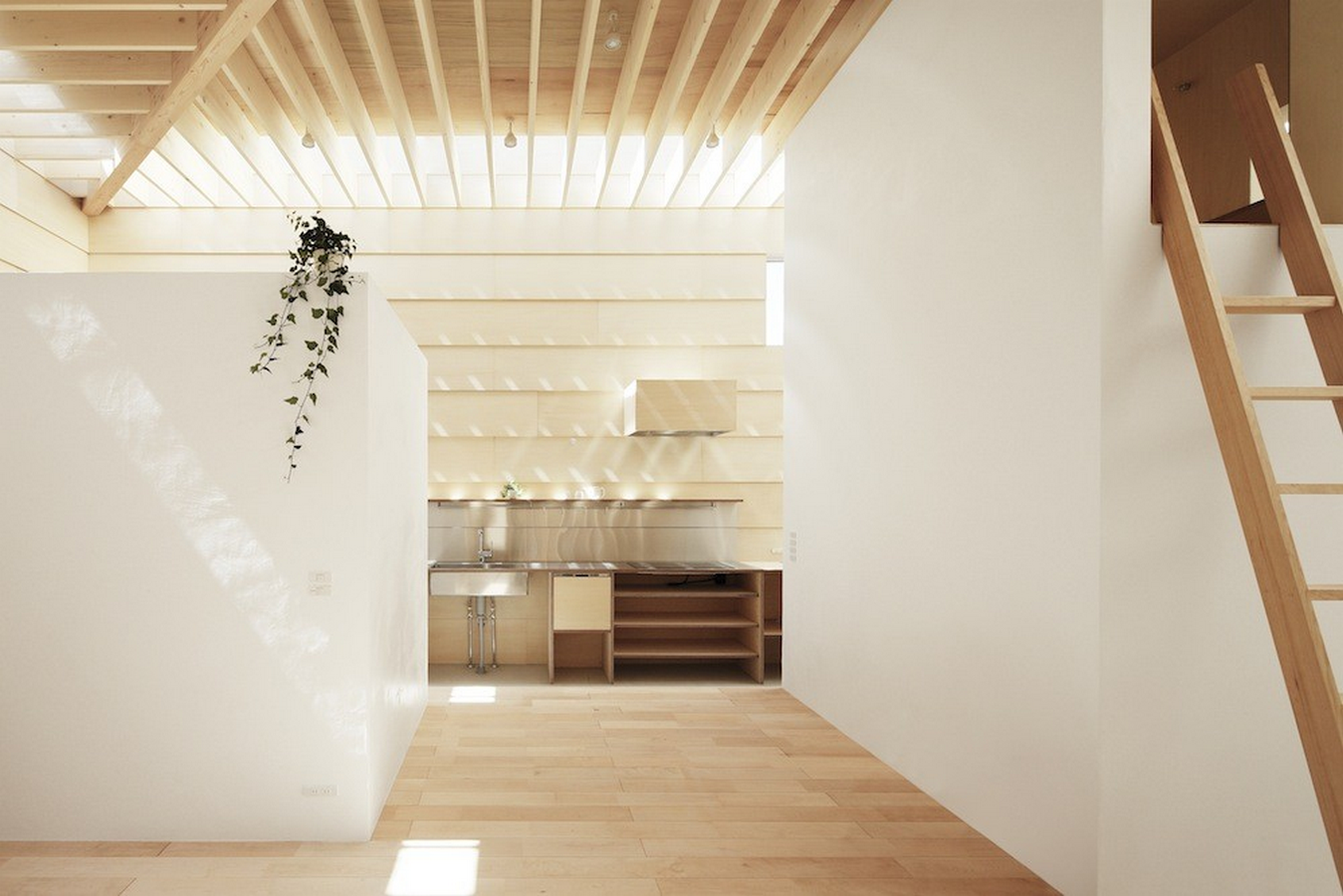
When we choose materials, we are choosing what stories a building will carry. When we design with awareness of repetition and ritual, we are choosing what rhythms the architecture will invite. And when we build with acknowledgement of emotional weight, we allow materials to become more than structure, they become memory.

In a world of speed, of prefab, of ephemeral trends, perhaps what we need is architecture that moves slowly. That invites the hand, the eye, the body. That accumulates rather than discards. That repeats and ritualises. That uses materials not as mere commodities, but as carriers of meaning. For in the end, architecture is not just space, it is time made tangible. And materials are its witness.
References:
Ankitha Gattupalli. “Architecture as a Product: What Makes a Building Worth Repeating?” ArchDaily, 6 May 2024, www.archdaily.com/1016212/architecture-as-a-product-what-makes-a-building-worth-repeating?utm_source=chatgpt.com. Accessed 2 Nov. 2025.
Delaqua, Victor. “Reversing Design Order through Material Recycling: An Interview with RUÍNA Architecture.” ArchDaily, 3 June 2024, www.archdaily.com/1017022/reversing-design-order-through-material-recycling-an-interview-with-ruina-architecture?utm_source=chatgpt.com. Accessed 2 Nov. 2025.
Franco, José Tomás. “21 Projects Where Kengo Kuma (Re)Uses Materials in Unusual Ways.” ArchDaily, 25 Aug. 2023, www.archdaily.com/917657/21-projects-in-which-kengo-kuma-re-uses-materials-in-unusual-ways?utm_source=chatgpt.com.
Moreira, Susanna. “Deconstruct, Do Not Demolish: The Practice of Reuse of Materials in Architecture.” ArchDaily, 25 Dec. 2021, www.archdaily.com/974056/deconstruct-do-not-demolish-the-practice-of-reuse-of-materials-in-architecture?utm_source=chatgpt.com. Accessed 2 Nov. 2025.
“SolidNature – beyond the Surface.” Dezeen, 2023, www.dezeen.com/eventsguide/2023/04/solidnature-beyond-surface-milan-2023/. Accessed 2 Nov. 2025.
Zaidi, Syeda Neha. “How Do Materials Affect Human Psychology – RTF | Rethinking the Future.” RTF | Rethinking the Future, 14 July 2020, www.re-thinkingthefuture.com/rtf-fresh-perspectives/a1275-how-do-materials-affect-human-psychology/?utm_source=chatgpt.com&__cf_chl_tk=hSd_cHsMWHOJhYgYlzOyB2hkKN6723l9R46sNPShy.w-1762067031-1.0.1.1-HqL09q4.T8AhGd5kYuN.LeDiXi5DqyAFFjDGa6t_OHc. Accessed 2 Nov. 2025.
Zilliacus, Ariana. “16 Materials Every Architect Needs to Know (and Where to Learn about Them).” ArchDaily, 7 Jan. 2024, www.archdaily.com/801545/16-materials-every-architect-needs-to-know-and-where-to-learn-about-them?utm_source=chatgpt.com. Accessed 2 Nov. 2025.