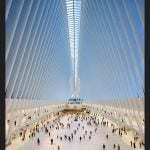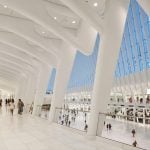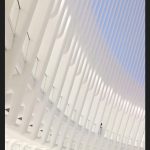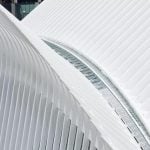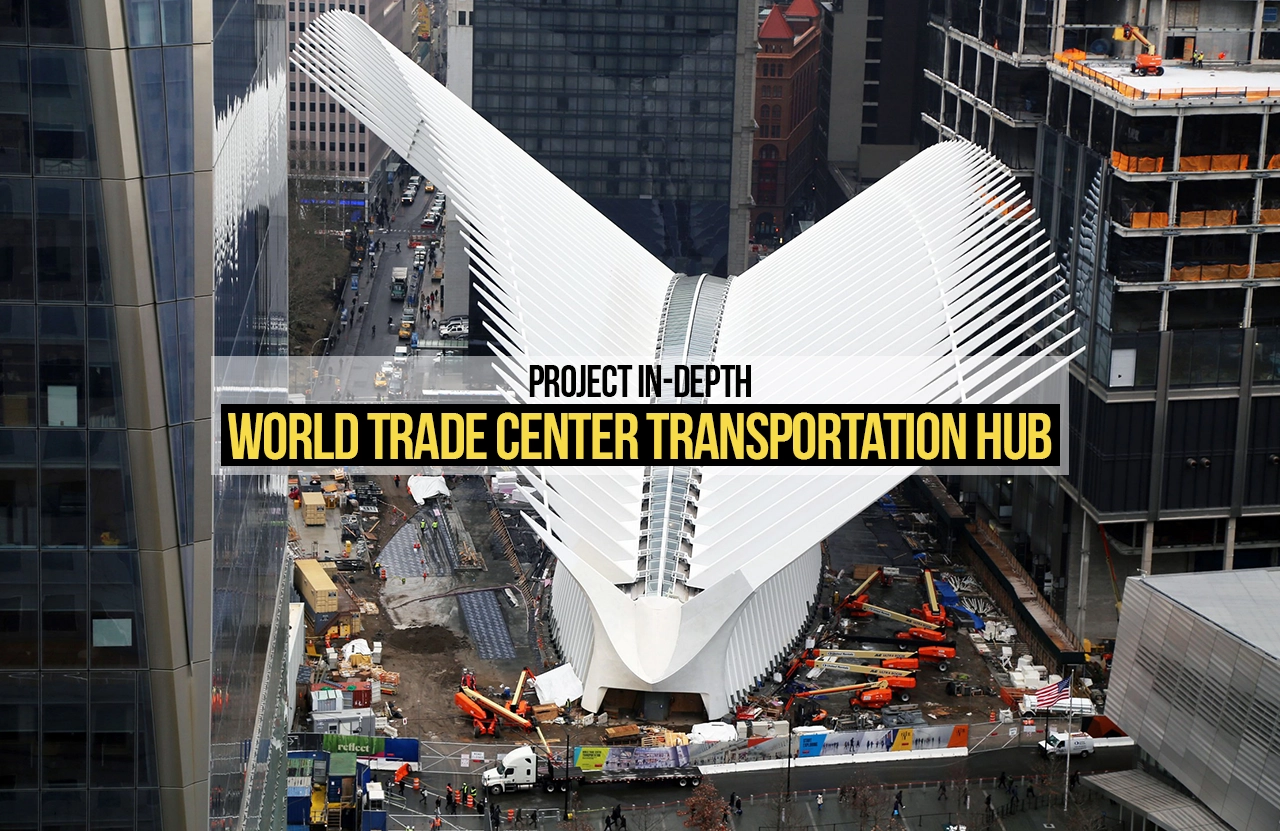
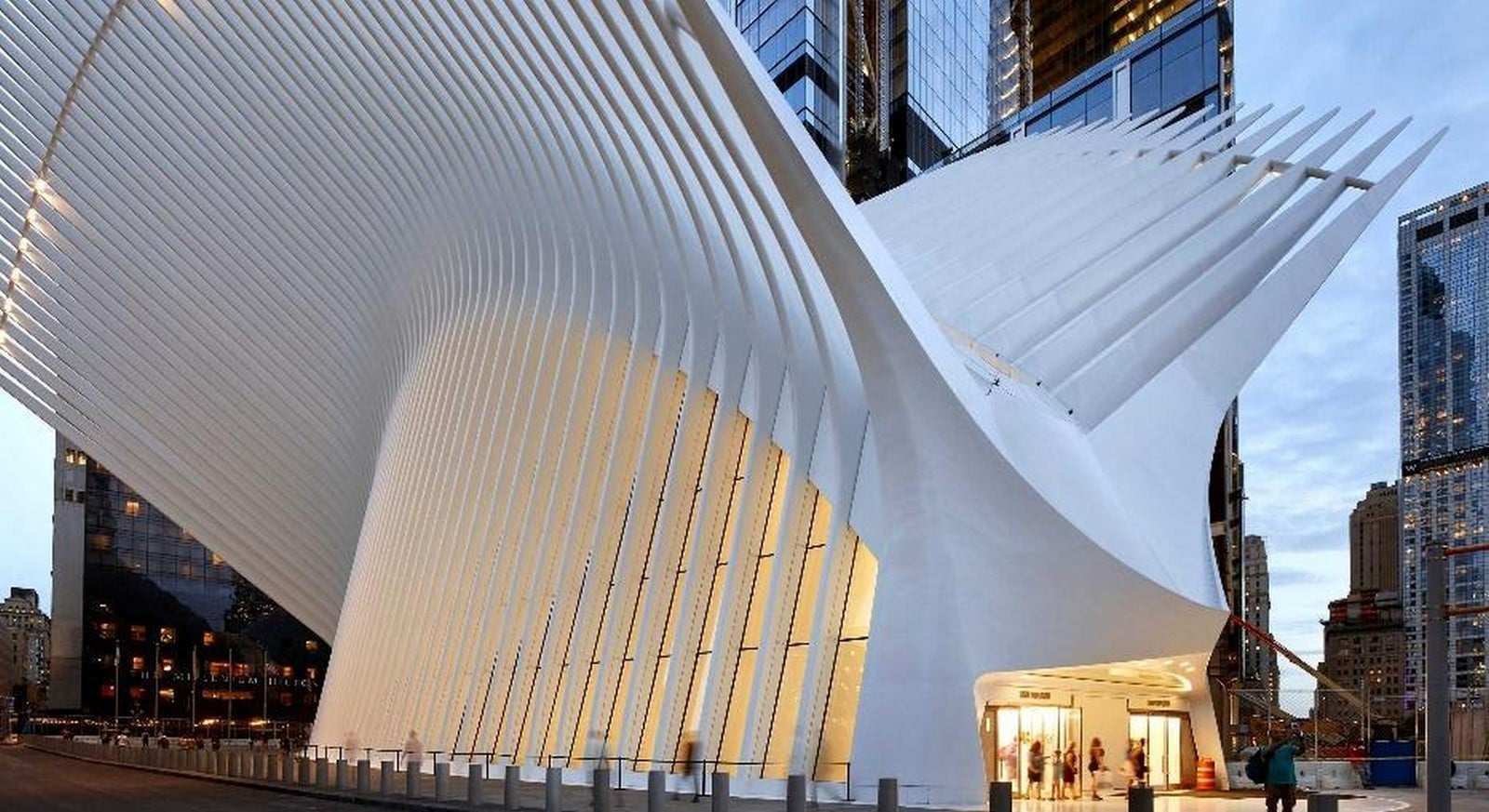
In the heart of Lower Manhattan, a bold architectural signal rises from the site of the former towers: the World Trade Center Transportation Hub. Conceived as much more than a transit interchange, the Hub was envisioned as a symbol of resilience, connectivity, and renewal in the wake of the 9 / 11 attacks. It addresses multiple imperatives: to restore critical rail and subway links between New York and New Jersey, to connect the rebuilt WTC campus, and to create a civic space befitting the gravity of the location. The structure’s dramatic design: its sweeping “wings,” its soaring concourse, its luminous skylight, invites reflection, movement, and gathering. But behind the grandeur lie years of planning, compromise, political negotiation, and technical complexity. In what follows, we chart the journey of the Hub: how it was conceived, who shaped it, how it functions today, what criticisms it faces, and what its future role might be. This is not just a transport project, but a civic act of rebuilding, with all the tensions and aspirations that entail.
Conception and Design Vision
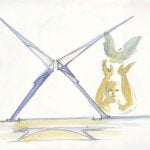
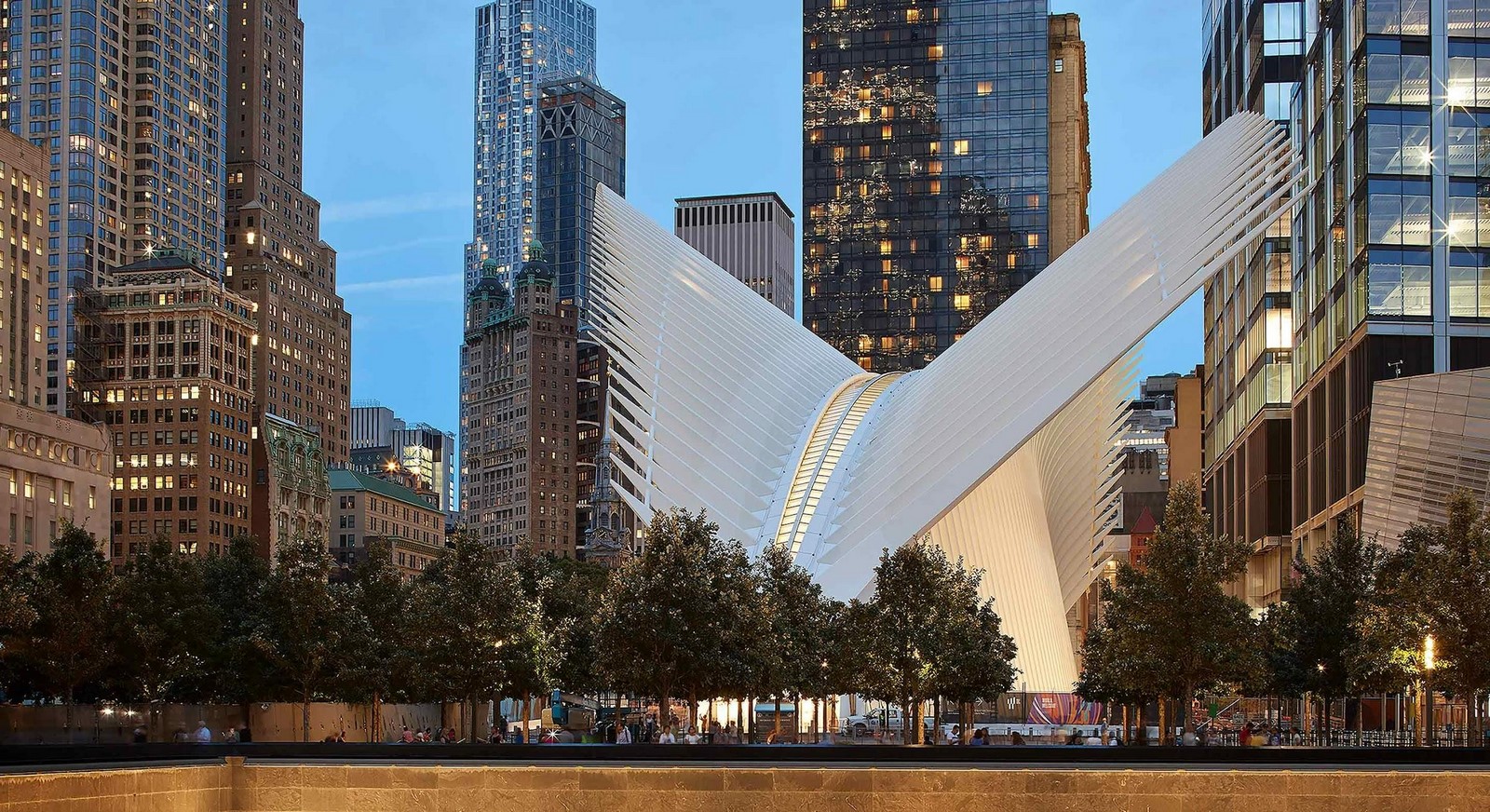
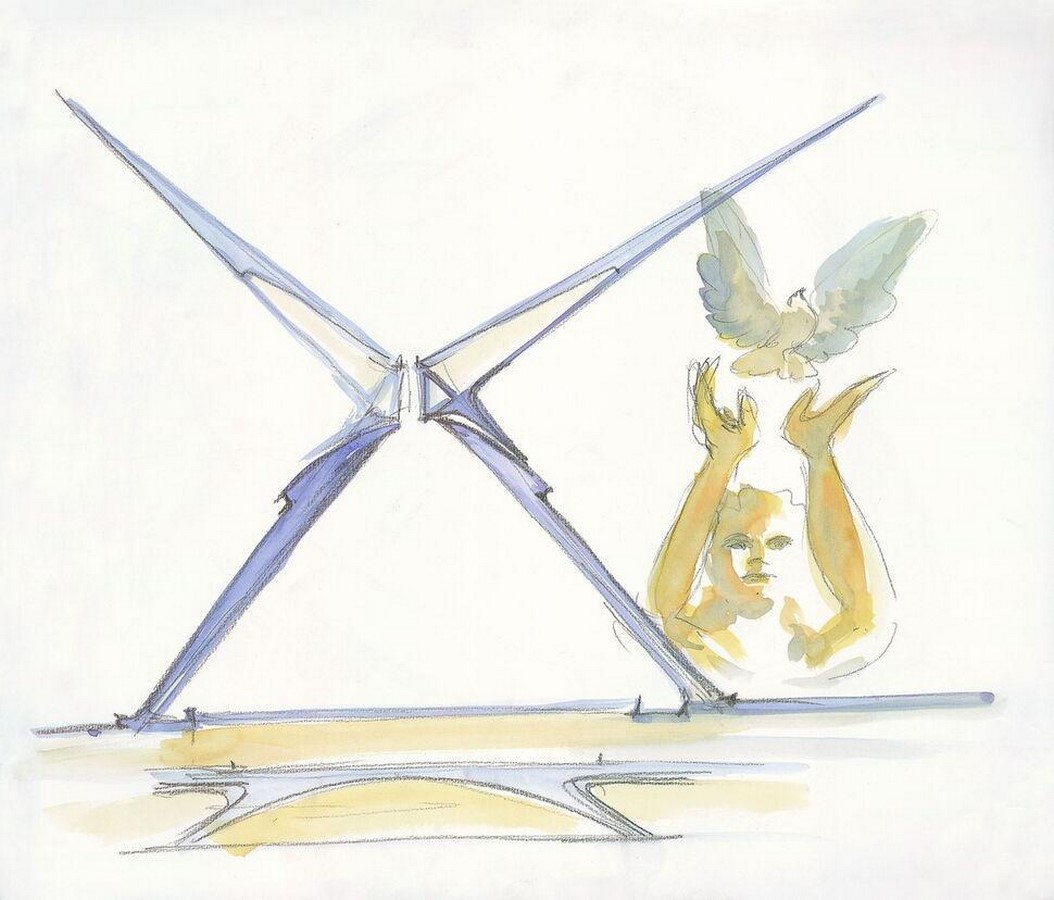
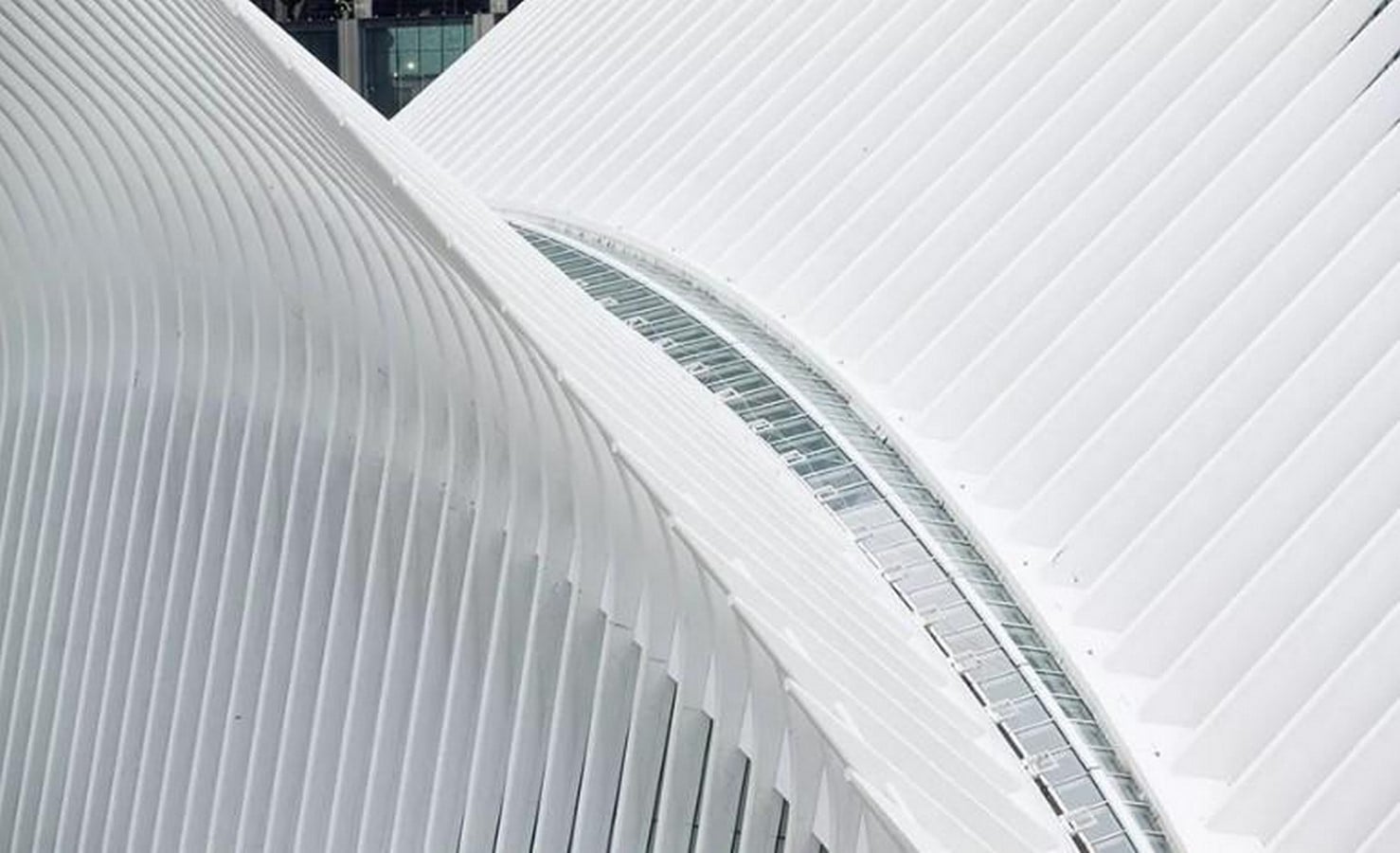
The design of the Hub stems from Spanish-Swiss architect Santiago Calatrava’s poetic inspiration: a child releasing a white bird, wings outstretched, at the site of tragedy. The Hub was therefore conceived not only as a transportation node but as a soaring emblem of hope, renewal, and transparency, hence the massive glass and steel “Oculus” roof and the luminous open concourse. The design team, a joint venture known as the Downtown Design Partnership (including AECOM, STV, Parsons, and others), worked under demanding constraints: a very complex site, existing subway lines and commuter rail (the PATH), and the requirement to weave together many subterranean and above‐ground elements. Architecturally, the Hub is therefore more than a station: it is a public space, a place of movement, light, and connectivity intended to give visitors and commuters both functional transit and a monumental civic experience.
Stakeholders, Process and Construction
The Hub involved multiple stakeholders: the Port Authority of New York and New Jersey (PANYNJ) as the owner, the Downtown Design Partnership as lead designer, major contractors such as AECOM/Tishman as construction manager, and a network of engineering consultants, subcontractors, and material suppliers (for example, the marble supplier from Lasa Marmo). The process was complicated by the fact that the PATH station had to remain operational during construction, substantial underground infrastructure was already in place, and many adjacent WTC projects were simultaneous. Construction began in earnest in the early 2010s and stretched through to 2016 for the opening of the main portion. The hub features 12,500 tons of structural steel in its signature ribs, a 355-foot operable skylight, and 60,000 sq ft of glass façade panels. The process required unprecedented coordination among rail engineers, building engineers, structural specialists, and security/blast protection consultants, reflecting the dual role of the Hub as transit infrastructure and as civic monument.
Structural Design and Engineering Complexity
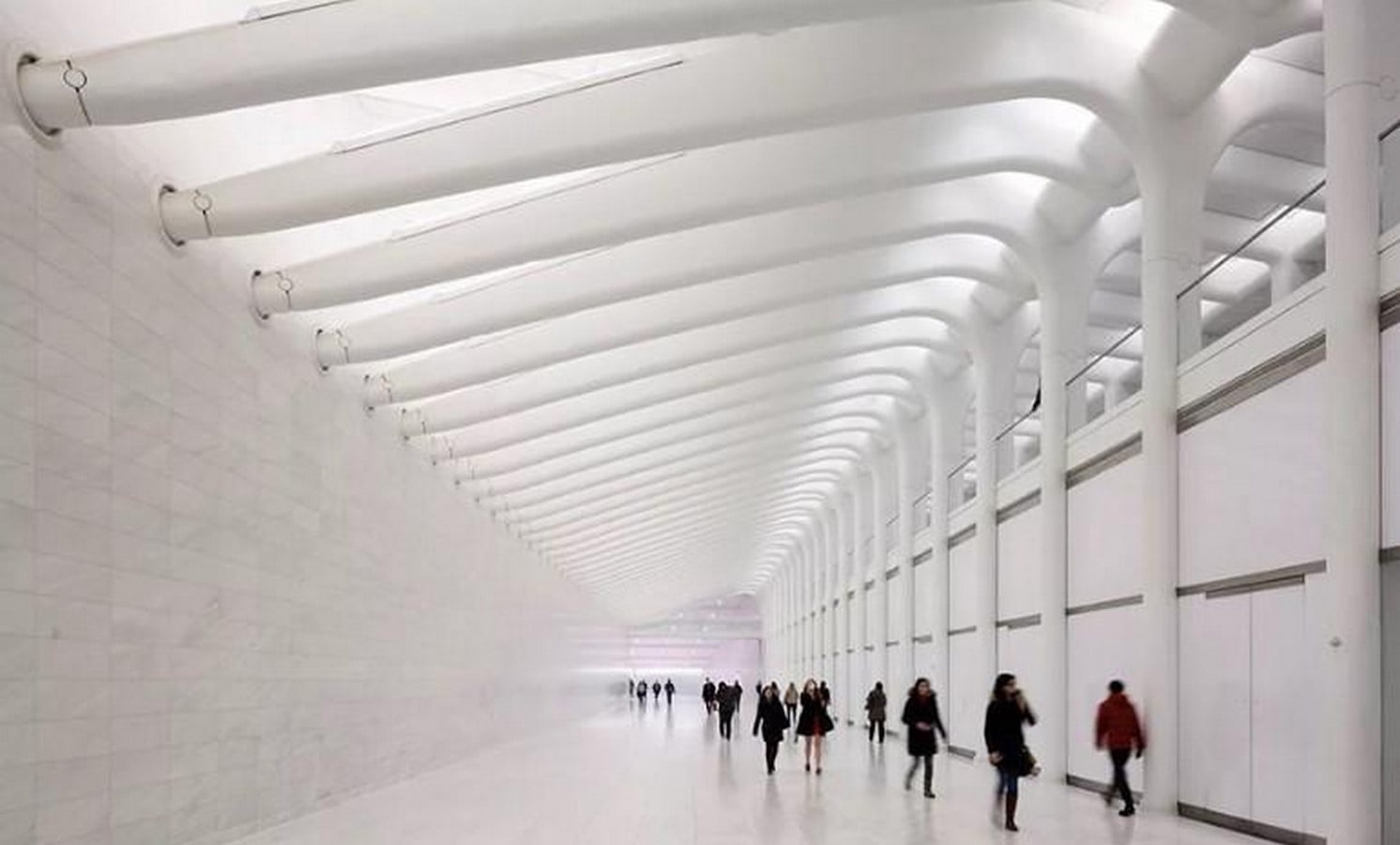
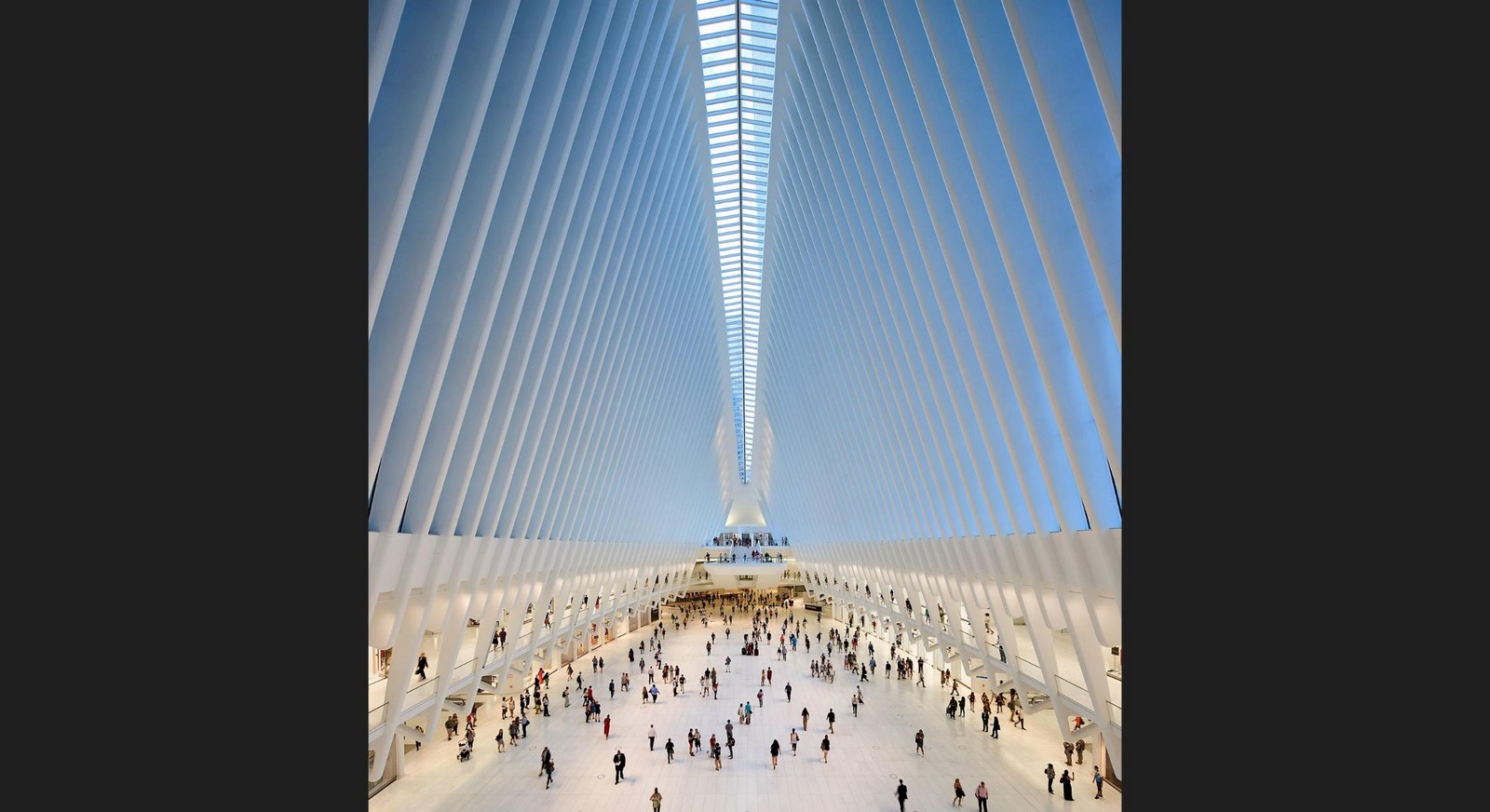
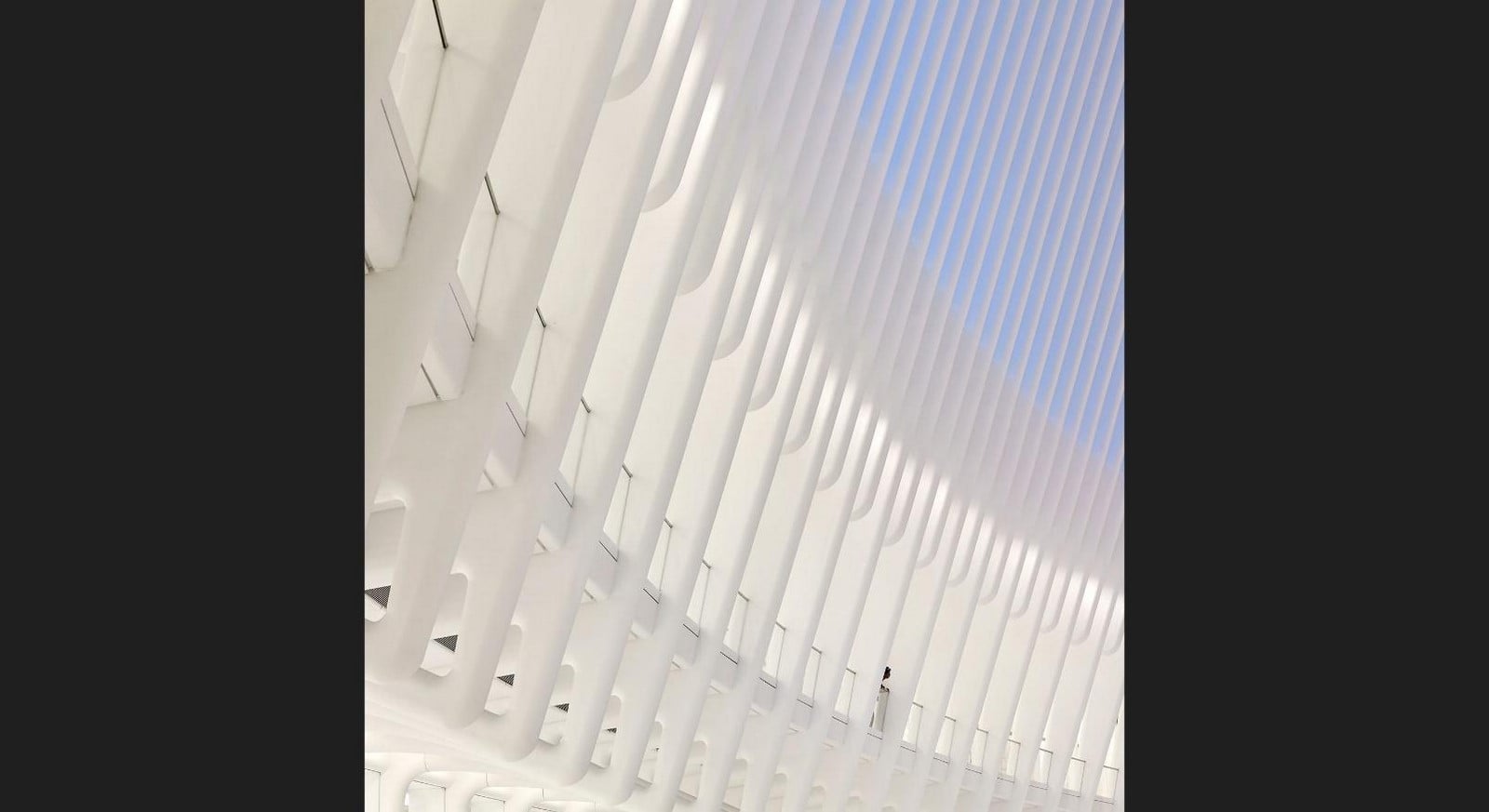
The structural design of the World Trade Center Transportation Hub is as much a feat of engineering as it is of architecture. The signature Oculus roof structure, composed of 110 steel ribs extending 350 feet across, forms a symmetrical elliptical plan, forming its “wings” rising 160 feet above street level. The main concourse, located beneath the Oculus, is a vast column-free space made possible through a network of deep transfer girders, mega-trusses, and massive foundation walls that distribute loads around existing subway tunnels and the adjacent PATH lines. Structural engineering was led by Thornton Tomasetti, who collaborated closely with Calatrava’s in-house engineering team to translate the sculptural intent into buildable reality. Every rib was uniquely fabricated, using computer-modelled 3D coordination and precisely milled steel castings sourced from Italy and Spain. The design also integrates a mechanized skylight system, a 355-foot operable “oculus” that opens annually on September 11, allowing natural light to flood the concourse in remembrance. The precision required for alignment and seismic performance demanded innovative use of finite element modelling and custom-fabricated connections. In many ways, the Hub’s structure embodies Calatrava’s philosophy of architecture as a living organism where art, engineering, and emotion converge in a single, expressive framework.
Operational Role, Impact and Use
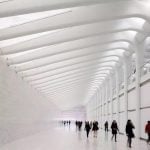
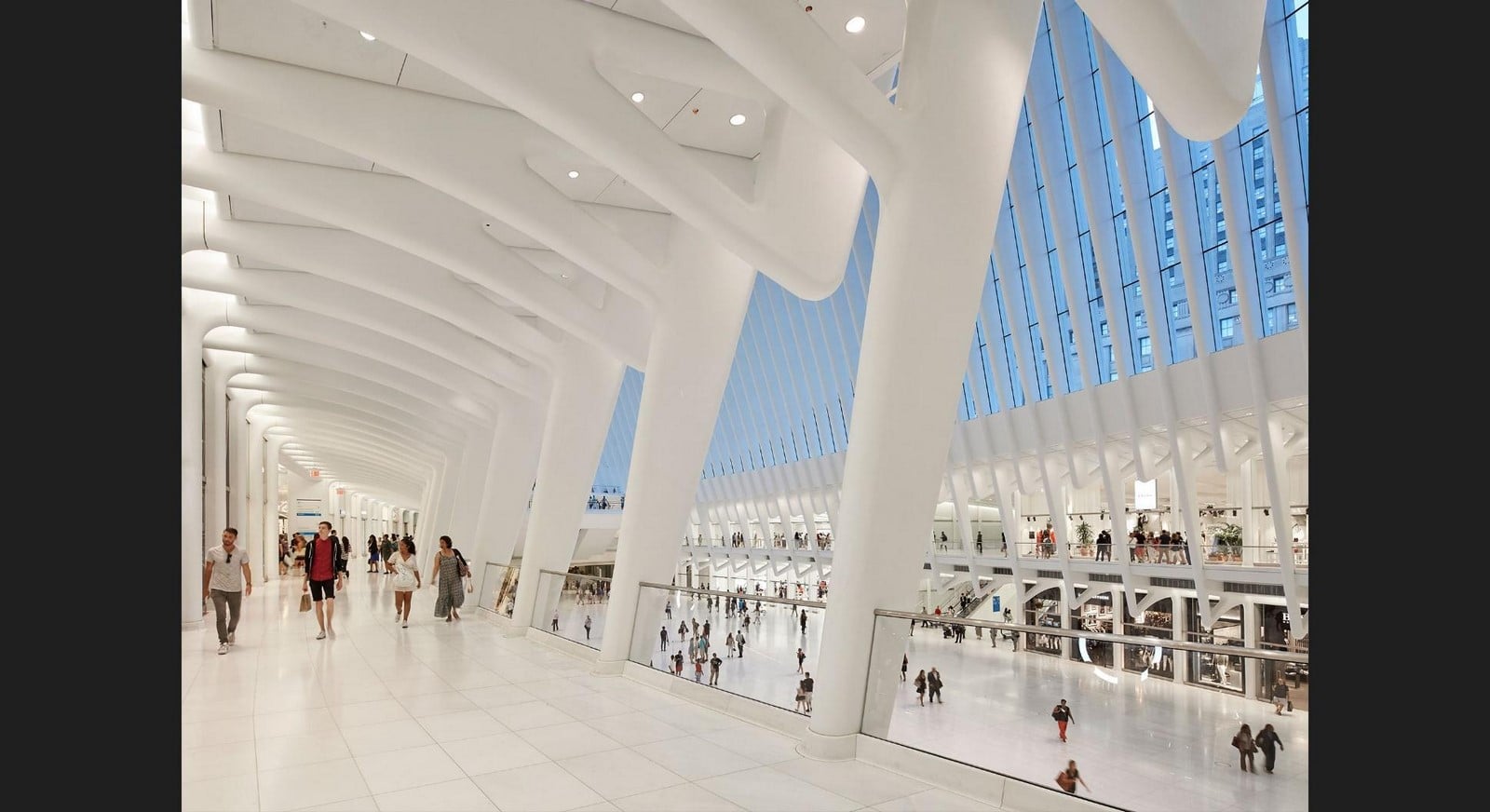
Today, the Hub serves as a key interchange for tens of thousands of commuters daily. It links the New Jersey PATH system with the New York City subway lines, providing pedestrian connectivity to 11 subway lines and various ferry and tunnel systems. Its 650,000-foot² facility handles heavy foot traffic, integrates retail and transit, and provides a new axis of movement for Lower Manhattan. The open hall of the Oculus floods with daylight, creating a spacious environment that contrasts with typical subterranean transit stations. As a civic piece, it offers more than commuter throughput: it offers a visual spectacle, a gathering place, and a symbolic renewal of the WTC site. The interplay of transportation function and public realm ambition sets the Hub apart from many transit facilities.
Critiques, Controversies and Future Outlook
Although lauded as an architectural spectacle, the Hub has also faced sharp criticism, especially regarding cost, schedule, and utility. The final price tag of about US$4 billion is roughly double the original estimates. The critic for the New York Times, Michael Kimmelman, described the Hub as a “glorified PATH station” and “an unconscionable cost” for what the transit capacity delivered. Architect Calatrava has responded defensively, saying in one interview, “It’s bullshit… I delivered what I promised.” Internally, the Port Authority declined to stage a formal opening ceremony, with one senior official noting that “a billion or a billion and a half or two could have been taken out of the hub and put into other infrastructure like Penn Station.” On the functional side, some users and reviewers note that way-finding and pedestrian flows are less intuitive than expected.
The World Trade Center Transportation Hub is a capacious symbol of rebirth, connectivity, and architectural ambition. It marries transit infrastructure with civic aspiration, producing a space where steel ribs and daylight converge in dramatic form. However, it also reminds us that such gestures come at a cost: financial, operational, and in terms of public expectation. Whether the Hub will be remembered as a landmark of urban regeneration or as an emblem of budget excess may depend on how it lives, adapts, and serves its users in the years to come. If it continues to facilitate efficient movement, foster commerce, and deliver moments of everyday awe, its legacy may transcend its controversies. On the other hand, if it struggles with function, way-finding, or public perception, it may become a cautionary tale in ambitious transit architecture. In this sense, the Hub stands at a threshold not only of Lower Manhattan’s physical rebuilding, but of how cities balance infrastructure, symbolism, and public value in an era of constrained budgets and complex urban demands.