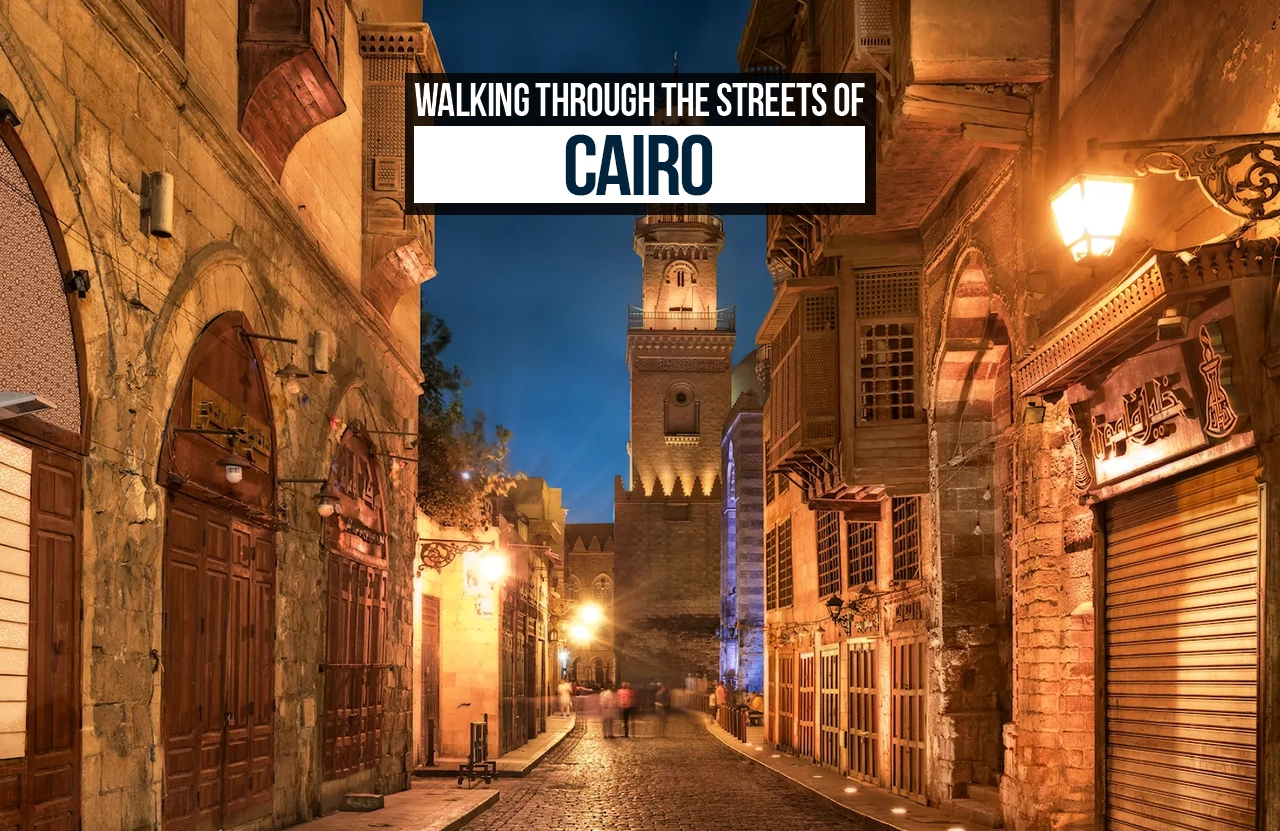
Few cities have the charm that enchants, and fewer that deeply stay etched in the very recesses of our memory. Nestled in the ancient civilization of Egypt, and lying along the Nile River, Cairo today stands as a testament to the grit and enchanting prowess of the African and the Arab world. How does one begin describing this beautiful, ancient city? With its spell-binding Islamic architecture, busy bazaars, and ancient magical beauty, Cairo is best seen and felt than explained.
Can we walk? Yes. Should we walk? Yes. Should we take a walk along the magical streets of Cairo? Definitely.
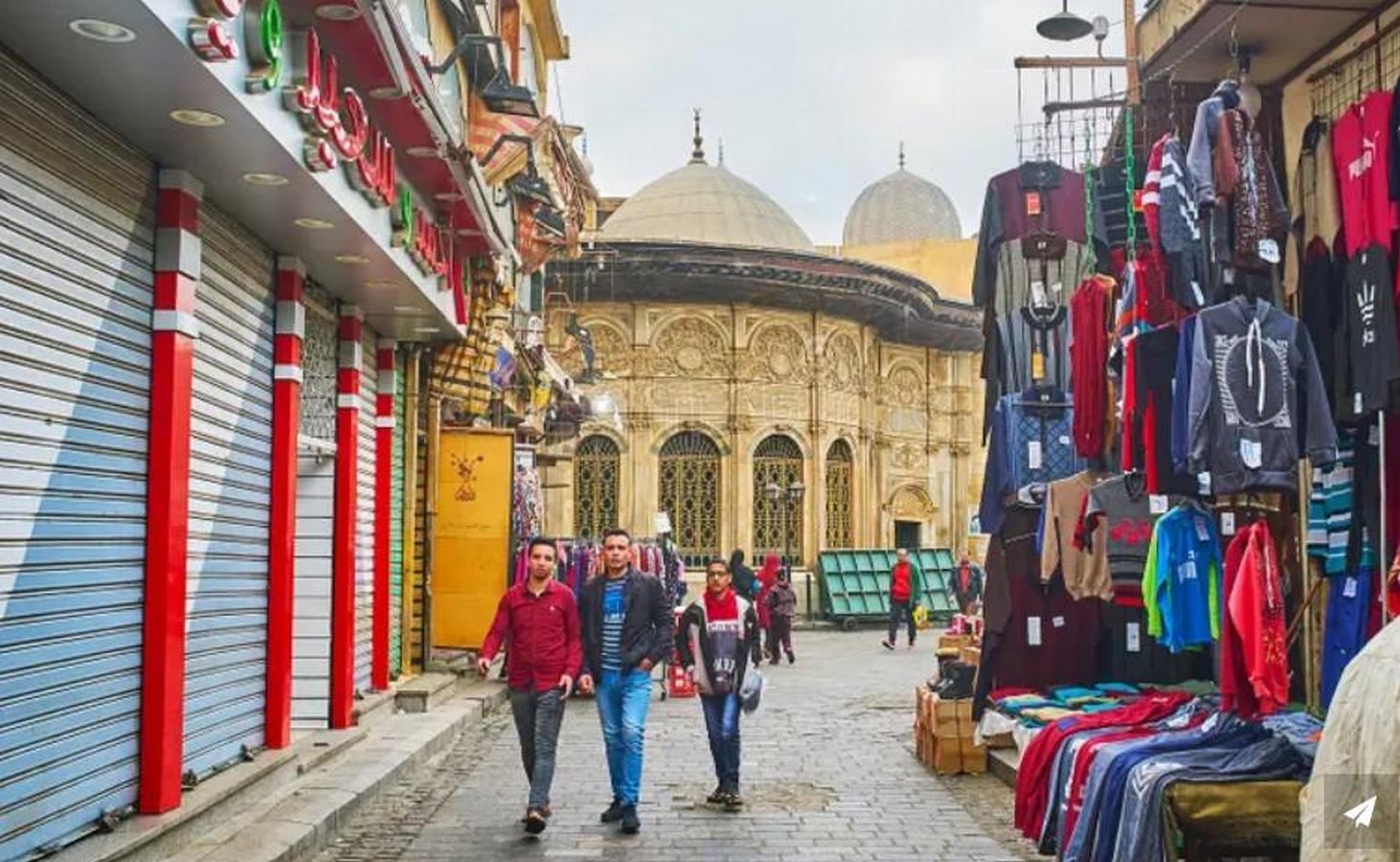
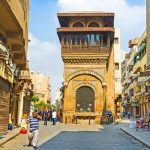
A major north-south artery in the historic walled city of Cairo, the Al-Muizz Street is a dense concentration of the famous souks of Cairo as well as a repository of the major monuments along the spine. Walking through it, one navigates the many famed bazaars of Cairo, the extraordinary Islamic architecture that serenades the eyes, and the many political and religious monuments established by the Egyptian rulers and elites. This one-kilometre-long street is flanked by the Bab al-Futuh gate in the north and the Bab Zuweila gate in the south, further marking an allure to the street and signifying its importance. One encounters these majestic medieval gates as architectural elements designed by Badr al-Jamali in the eleventh century. It was in 1171 during the Fatimid regime that Cairo developed as an urban centre, and the Al-Muizz Street went from being a ceremonial street accessible only to the rulers and elites to a flourishing commercial/ urban artery that became a people’s street.
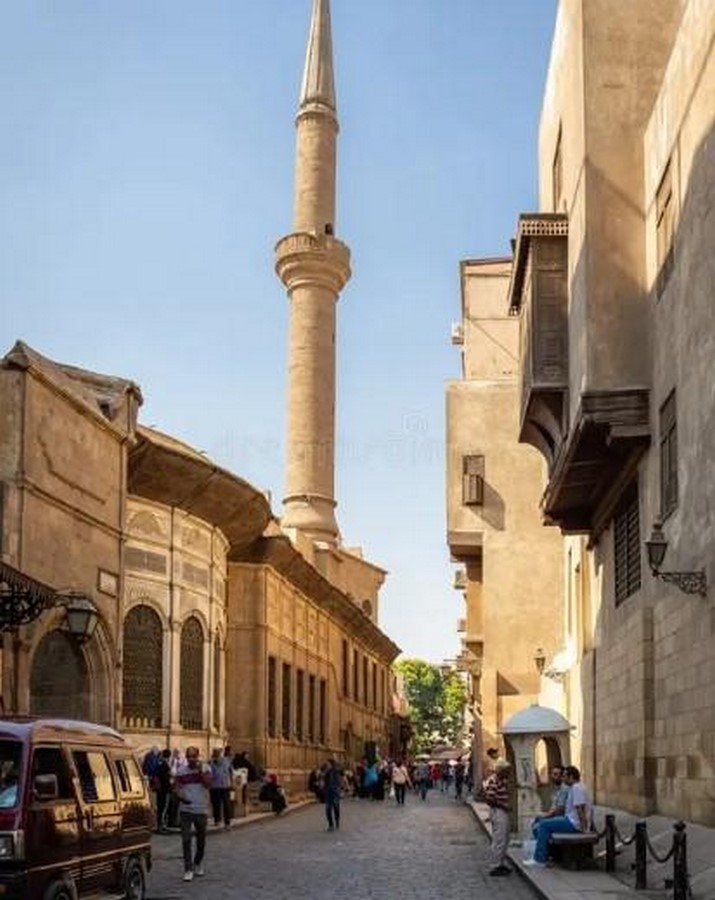
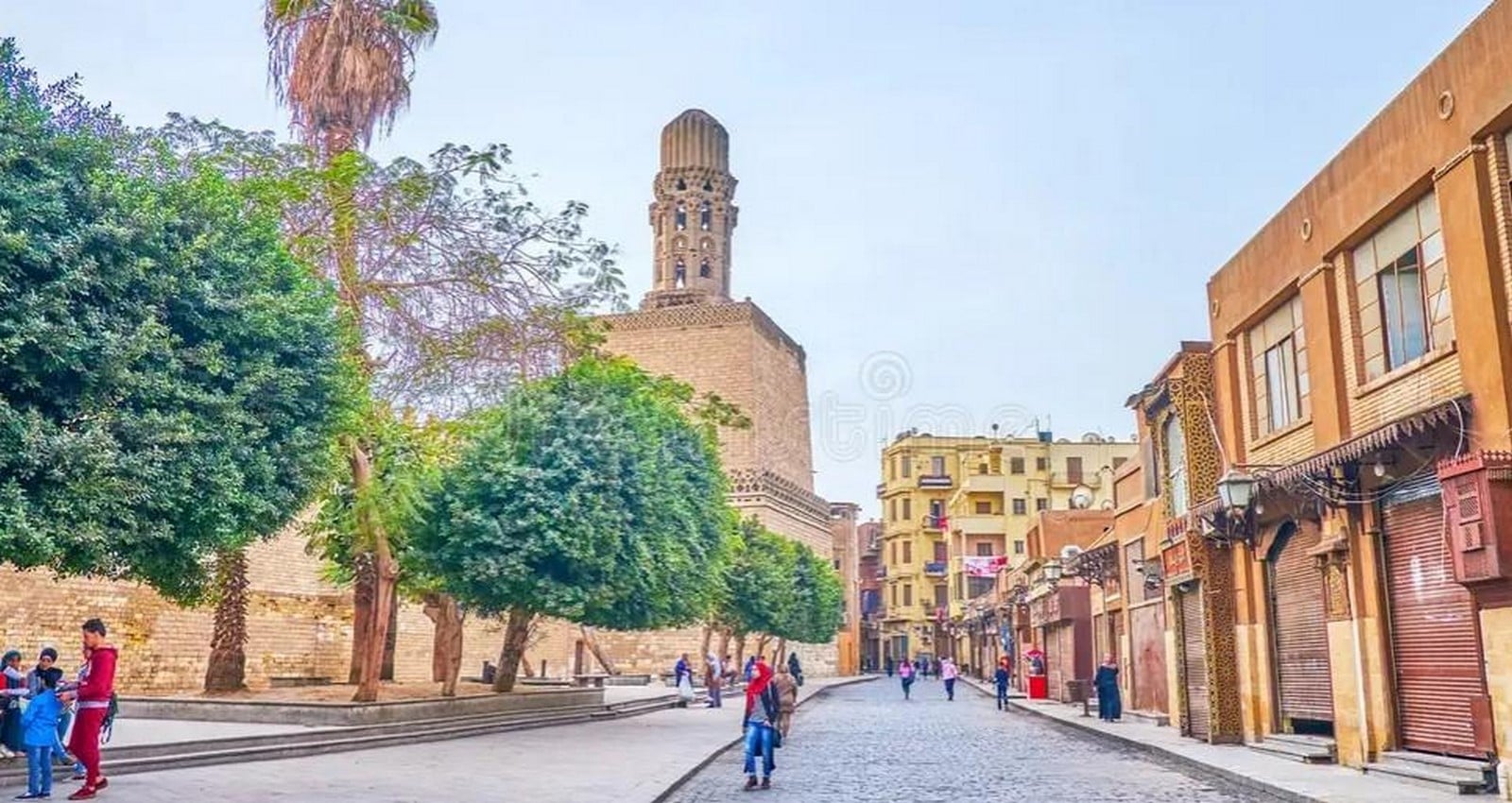
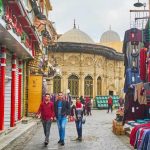
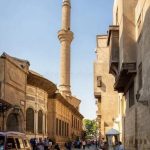
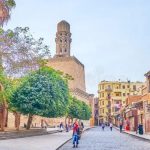
Walking down the street, one can see many mosques, mausoleums, madrasas commissioned by the Sultans and elites of the different regimes. During the Mamluk period, the street was envisioned as a major spine and many architectural monuments were erected, and this continued till the 19th century under Muhammad Ali Pasha. The al-Azhar Street constructed in the 20th century bifurcates the Al-Muizz Street into two sections. Starting north downwards on this pedestrian street, it is flanked by the Al-Hakin Mosque, which is known for its splendour and significance. The street is highly commercialised with local design ware shops of middle eastern lanterns, food stalls flanking the narrow street on both the sides. It is an extremely stimulating exhibition of traditional Egypt, and it enchants the olfactory and visual senses as we move through the street. Ottoman-era houses, like the Mustafa Jafar house dating to the 1730s further enhance the street’s architectural value. The 14th century domestic architecture of the Amir Beshtak Palace which now functions as a palace and museum is situated opposite the Hasan Al Sharawi Kathuda mosque and the Aqmar Mosque.
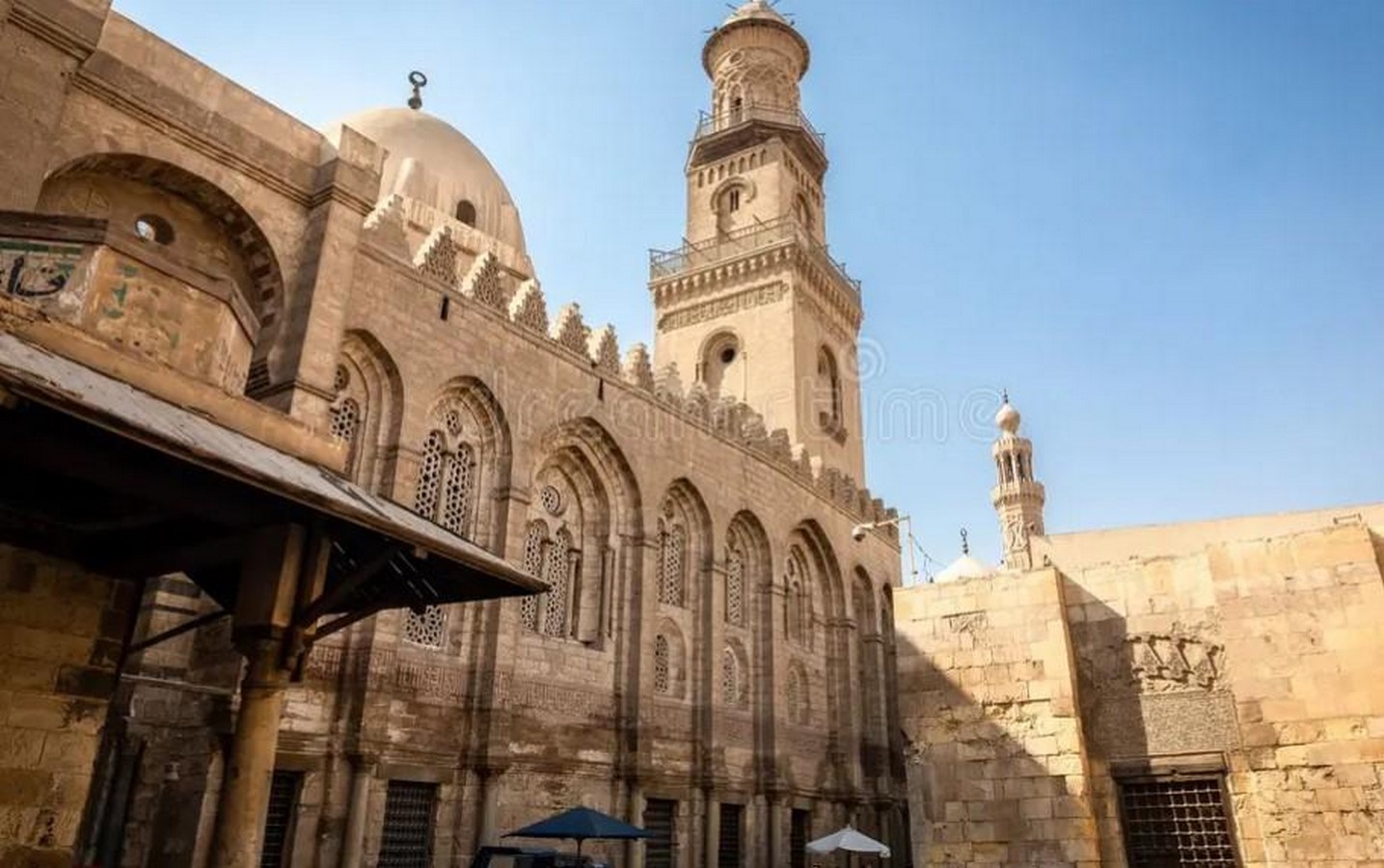
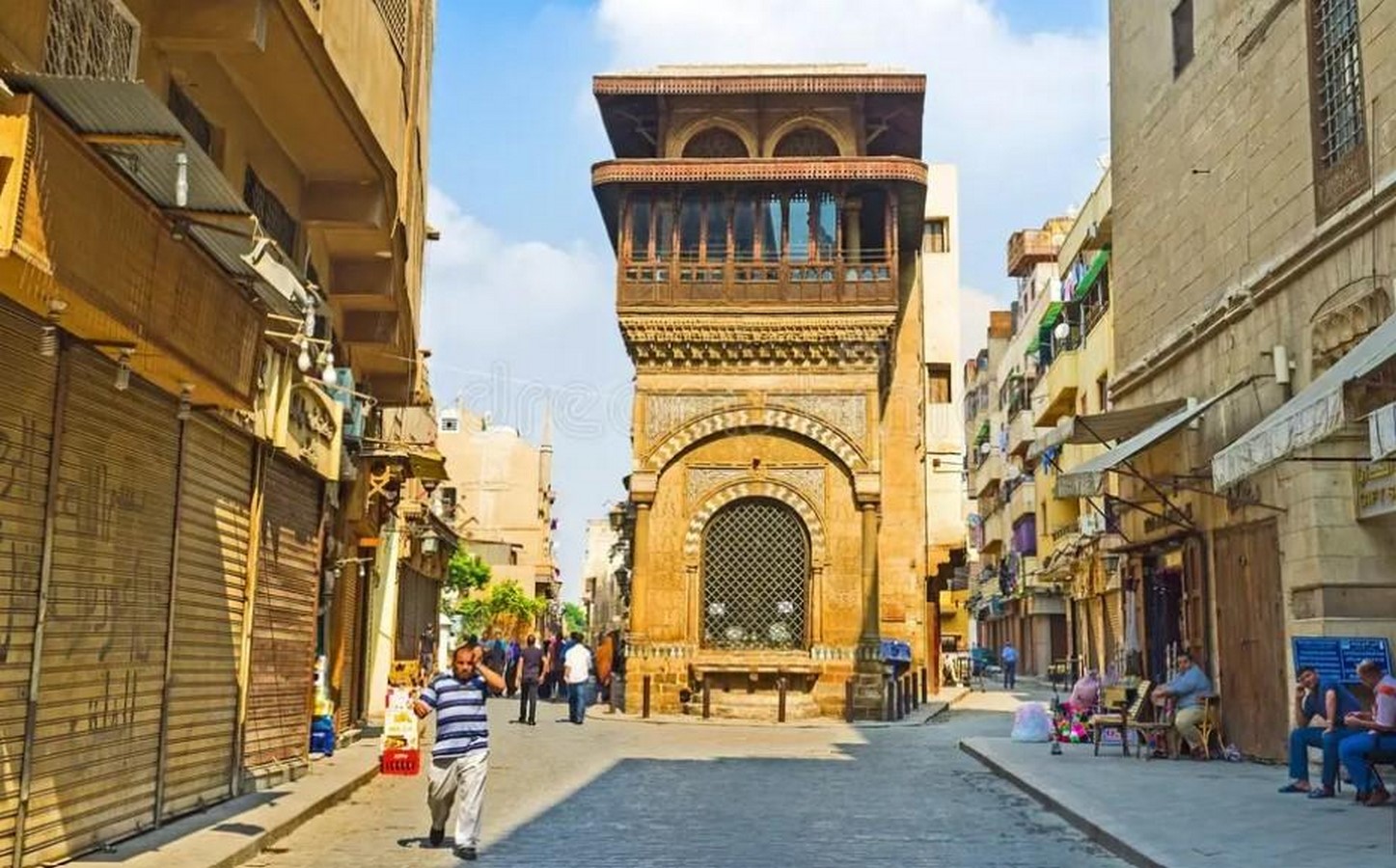
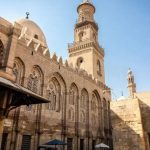
Further south and opposite the Amir Beshtak Palace are the Qalawun complex, built by Sultan al-Mansur Qalawun in the late 13th century, and like most pious complexes houses a hospital, a madrasa and a mausoleum. A manifestation of Mamluk architecture, the prayer hall of the Qalawun complex projects into the street granting a significance like no other, and the minaret of the madrasa has a papyrus cornice that dates back to the rule of the Pharaohs. Visible also in the skyline is the prominent dome of the mausoleum which served as a ceremonial centre during the mamluk dynasty’s rule between the 13th and 16th centuries. The dome was demolished and reconstructed in ottoman style by the Ottoman rulers. Khan-e-Khalili was established as a centre of trade during the Mamluk era. and was named after one of the most historic caravanserais located in the area. Spice market, perfume market outlines the trade centre and the markets are a hub even today reflecting the glory of souks of the eras that have long passed. Another distinct architectural marvel is the Tusun Sabil-Kuttab built by Muhammad Ali Pasha in Rococo-style in the early 19th century. The street continues down flanked by such architectural marvels and layers of history, continuing till the tent market down south.
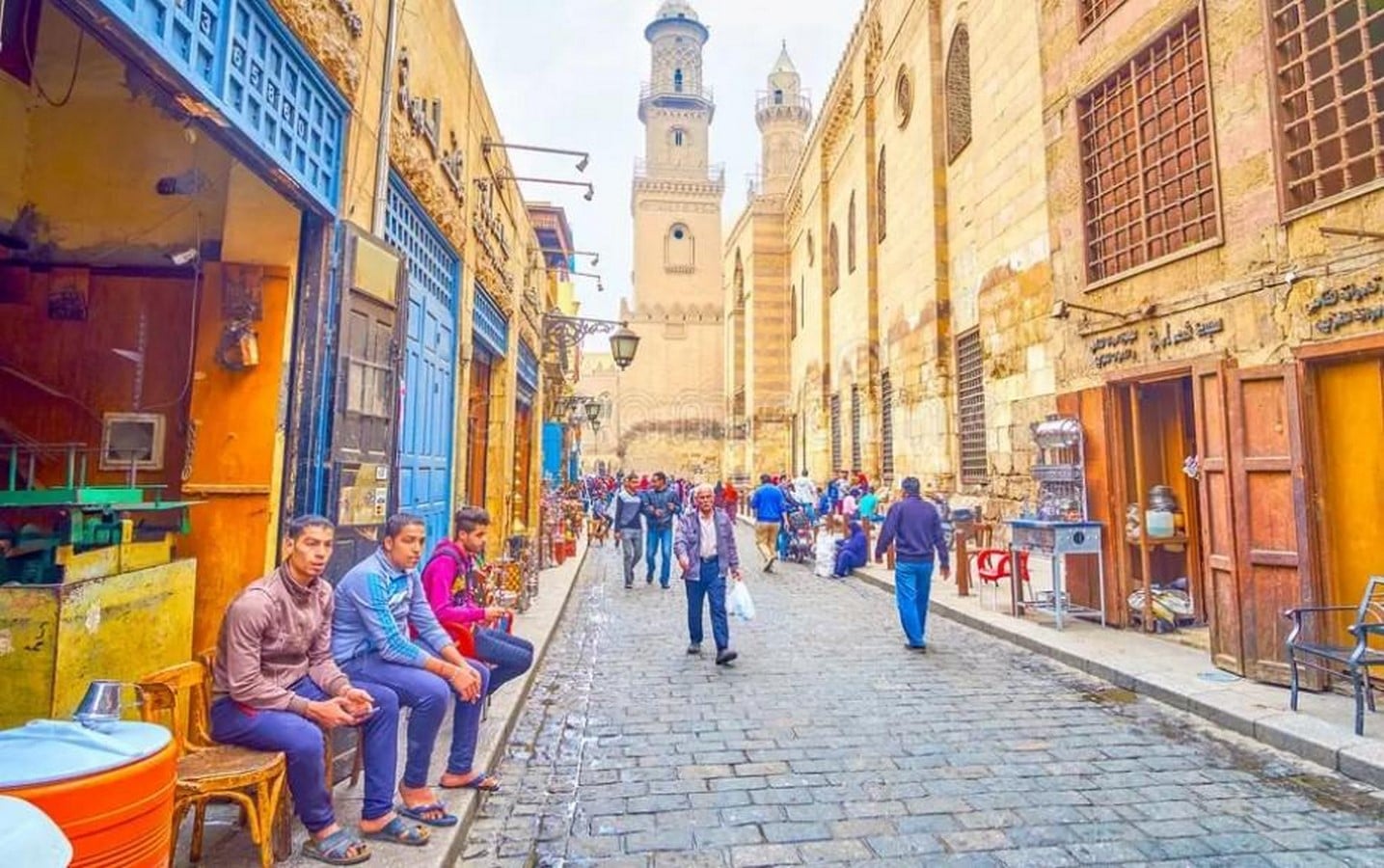
The walk is rich in architectural styles, and the layers of history truly make it an experience worth celebrating. Most buildings do not house the functions of the past, but their significance and relevance remain the same even after many centuries have passed.
Should we walk down the memory lane? Yes. Will it still enchant us? Definitely.
The Al-Muizz Street and Cairo are a repository of the glory of the different dynasties and their evolution and architectural marvels manifesting the deep and rich history of this gem of a place. Well, once in a lifetime one should walk down this memory lane.