In cities that often feel like concrete mazes which are restless, fast, and disconnected, urban agriculture grows as an act of quiet resistance. It is the simple, timeless gesture of tending to the earth, reimagined for our urban age. Between high-rises and traffic, the sprouting of a garden or a rooftop farm becomes a reminder that cities, too, can breathe, heal, and nurture.
Urban agriculture is not just food growing within urban limits but it is farming neighborhood, resiliency, and home. From community gardens to rooftop farms and green tower high-rises, it changes the way people interact with one another and their surroundings. It brings former vacant land back to life as vibrant, healthy spaces that feed both body and spirit.
What is Urban Agriculture?
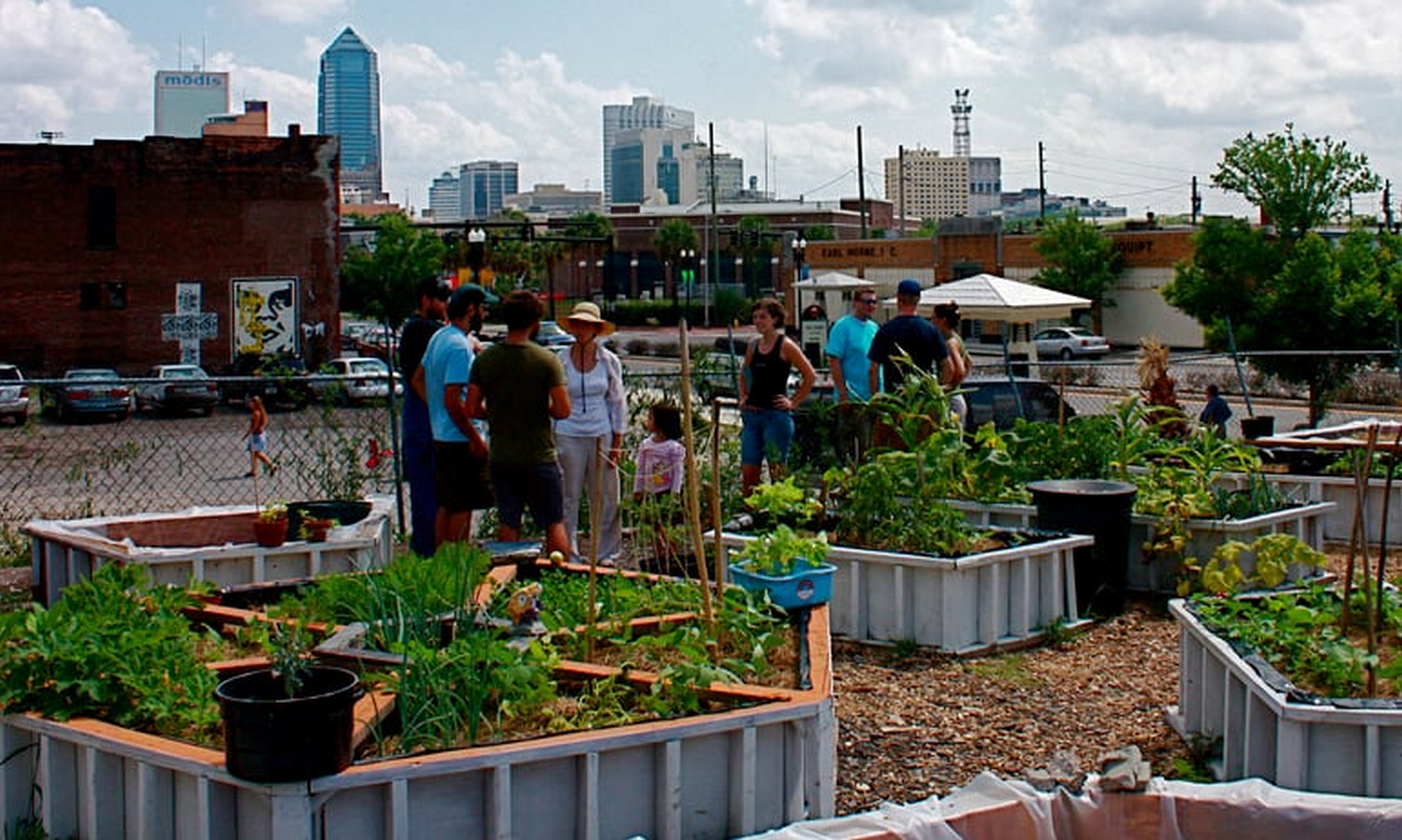
Urban agriculture involves cultivating and producing food in or around urban areas. At its heart, urban agriculture is about reclaiming the act of growing food as a shared urban experience. It takes many forms, each responding to the unique rhythms and needs of the city.
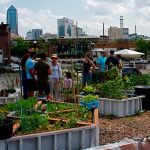
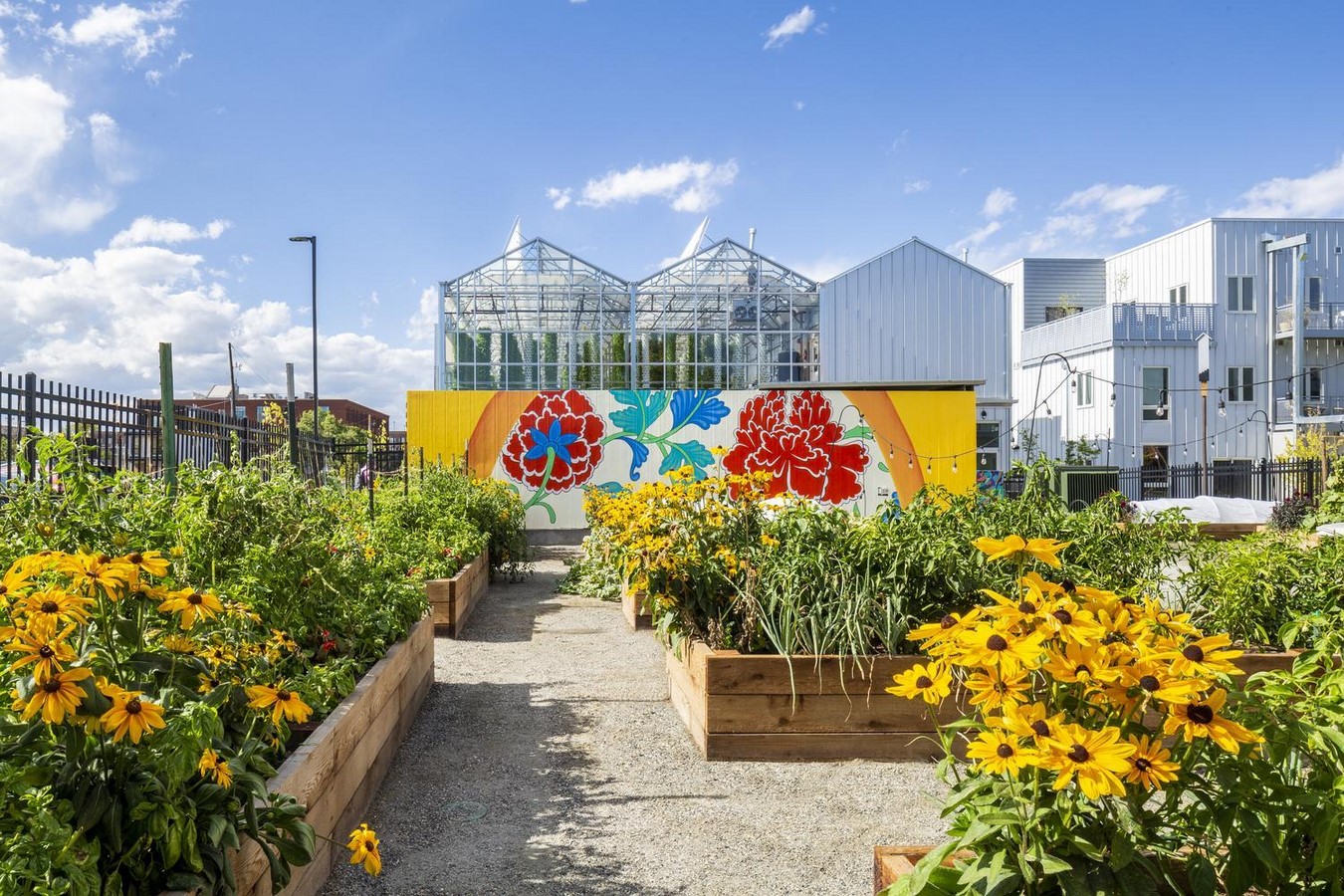
Community gardens bring neighbors together, erasing stranger lines as hands meet over the same earth. Rooftop farms transform empty terraces into edible landscapes, reshaping skylines with green patches. Vertical farms are statues come to life, growing food in stacked levels and illuminating city nights with the brilliance of genius. Aquaponic systems blend fish and plants in harmonious balance, and large-scale urban farms strengthen local food systems.
Together, they bring nutrition closer to home and build where sustainability and community meet.

Why Urban Agriculture Matters
- Nourishing Cities, Strengthening Roots
As cities become more concentrated and dependent on global supply lines, local food systems take on a sense of urgency. Urban agriculture shortens the distance from grower to eater, sometimes a mere walk across the street giving access to fresh, healthy food while creating food security.
- Cultivating Environmental Balance
Every rooftop farm or garden is one small step towards healing the earth. By reducing transport emissions, recycling waste through compost, and cooling hot streets with shade, urban agriculture softens the environmental price tag of city life. It is a green buffer, a whiff of balance in cities gasping for sustainability.
When crises disrupt global supply chains, local food systems are a lifeline. A food-producing community is a resilient community. Urban agriculture brings this resilience, not merely through crops, but through collaboration, learning, and trust.
- Stimulating Local Economies
Small urban agriculture, farmer markets, and food systems that use local sources provide windows of opportunity for entrepreneurship. They facilitate individuals, especially women and youth, to establish livelihoods based on sustainability. A successful garden can become a community market, a little business, or simply a community delight shared that maintains local economies robust at the community level.
- Public health and wellbeing
Urban agriculture positively influences public health. Access to fresh, locally grown produce promotes healthier eating habits, addressing issues related to nutrition and diet-related diseases. Additionally, the physical activity involved in gardening and the social interactions within community gardens contribute to improved overall well-being.
In the context of climate change, urban agriculture plays a role in mitigation efforts. Through sustainable practices like composting and agroforestry, it helps sequester carbon, contributing to environmental resilience and climate change adaptation.
In summary, the growing importance of urban agriculture stems from its integral role in ensuring food security, promoting environmental sustainability, building community resilience, improving public health, creating economic opportunities, enhancing urban aesthetics, and contributing to climate change mitigation. As urbanization continues, the adoption and expansion of urban agriculture become imperative for fostering sustainable, resilient, and vibrant urban environments.
The Usage of Urban Agriculture
- Reclaiming Space
Urban agriculture offers a chance to redeem abandoned or unused plots. Vacant plots, building rooftops, and school courtyards become fertile soil for change. By doing so, they introduce cycles of cultivation into the city which is the connective tissue between rural heritage and modern living.
- Local Economies
When design encourages small-scale production of urban agriculture in home developments, schools, or mixed-use buildings, it also creates micro-economies. Weekend herb and vegetable markets offering plants nurtured on rooftops or terrace vegetables not only provide livelihood to individuals but also reintroduce them to their food.
Urban planners and designers can reclaim rooftops and turn them into cooling gardens, introduce edible landscapes along street thoroughfares, or integrate vertical greens into facades of buildings. These interventions combat pollution, cool the city down, and redefine sustainability as it is viewed, sensed, and beautiful.
Role of the Designers
Designing and building spaces to hold Urban agriculture is not necessarily designing green oases in the urban landscape, but designing living systems that unite human and ecology in place. Integrating urban agriculture holds immense potential for neighborhood revitalization and community interaction. The strategic inclusion of urban agriculture elements can transform the urban fabric, fostering a sustainable and vibrant environment.
Urban designers can optimize land use by incorporating community gardens, rooftop farms, and vertical farming structures, revitalizing underutilized spaces. This not only contributes to a visually appealing neighborhood but also addresses issues of food security and promotes self-sufficiency.