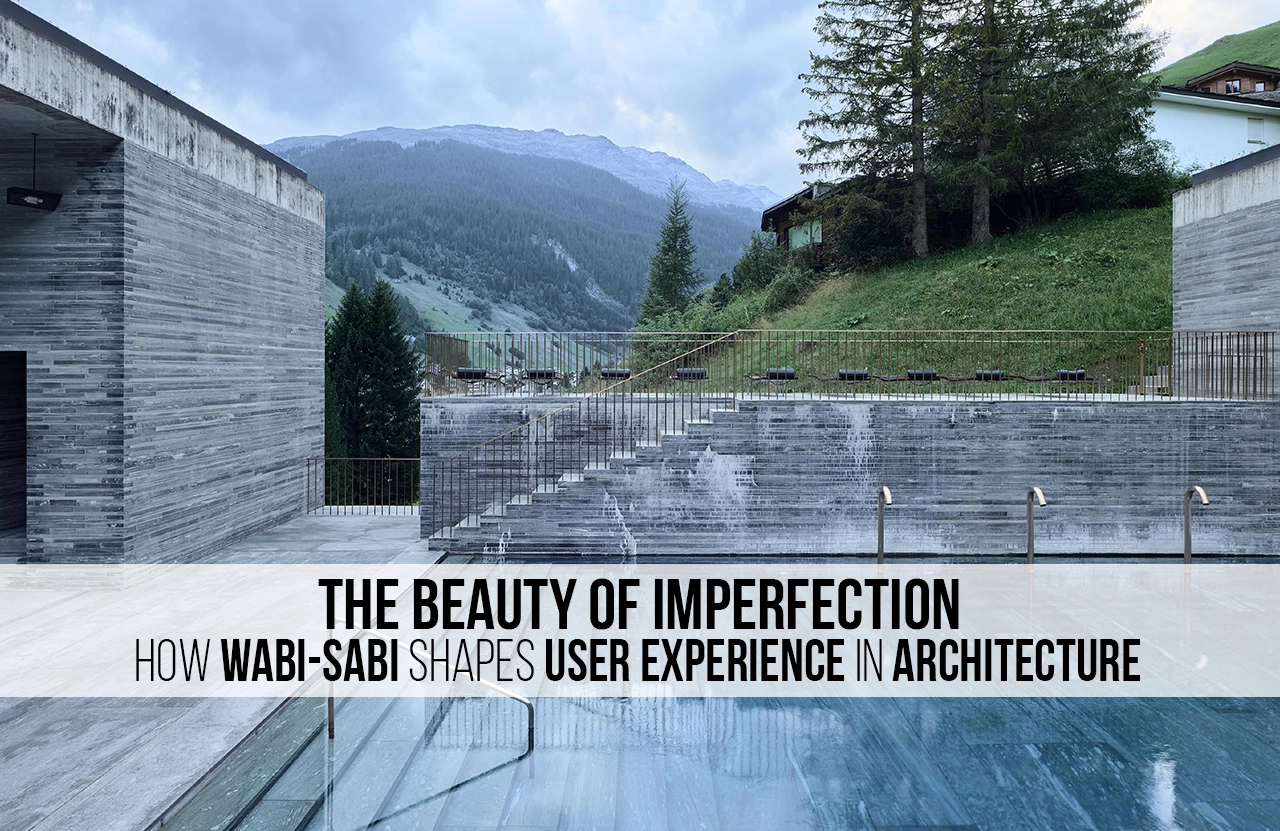
In architecture, perfection often drives design. The flawless surfaces with no crevice in sight, the precision of edges and angles, seamlessness, and symmetry. These qualities are held as the silent parameters of this perfection. Yet, the spaces that truly resonate are those that have been touched by time. The uneven stone wall, the weathered timber beams, or the crack that welcomes light a little differently each day. They remind us that buildings, like people, carry the marks of time, weather, and use.
Wabi-Sabi as a Philosophy, Not an Architectural Style.
At its core, the Japanese philosophy embraces irregularity, incompleteness, and impermanence- acting as a contrast to the cleanliness and sterility prized by. Through this lens, these architectural imperfections become design qualities more than flaws. Rather than diluting architecture, they heighten user experience, adding emotional depth and grounding a space in reality. A key principle of this philosophy is “Ma”, which translates to emptiness, but truly is more than a gap; it is an intentional pause left for reflection and binds the structure with its surroundings.
Wabi Sabi is a reminder that architecture is not about showcasing a building as an object, but about creating it as an experience, one that is adaptable, breathable, and is inseparable from the passage of time, instead living within it.
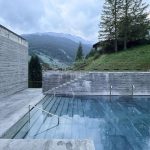
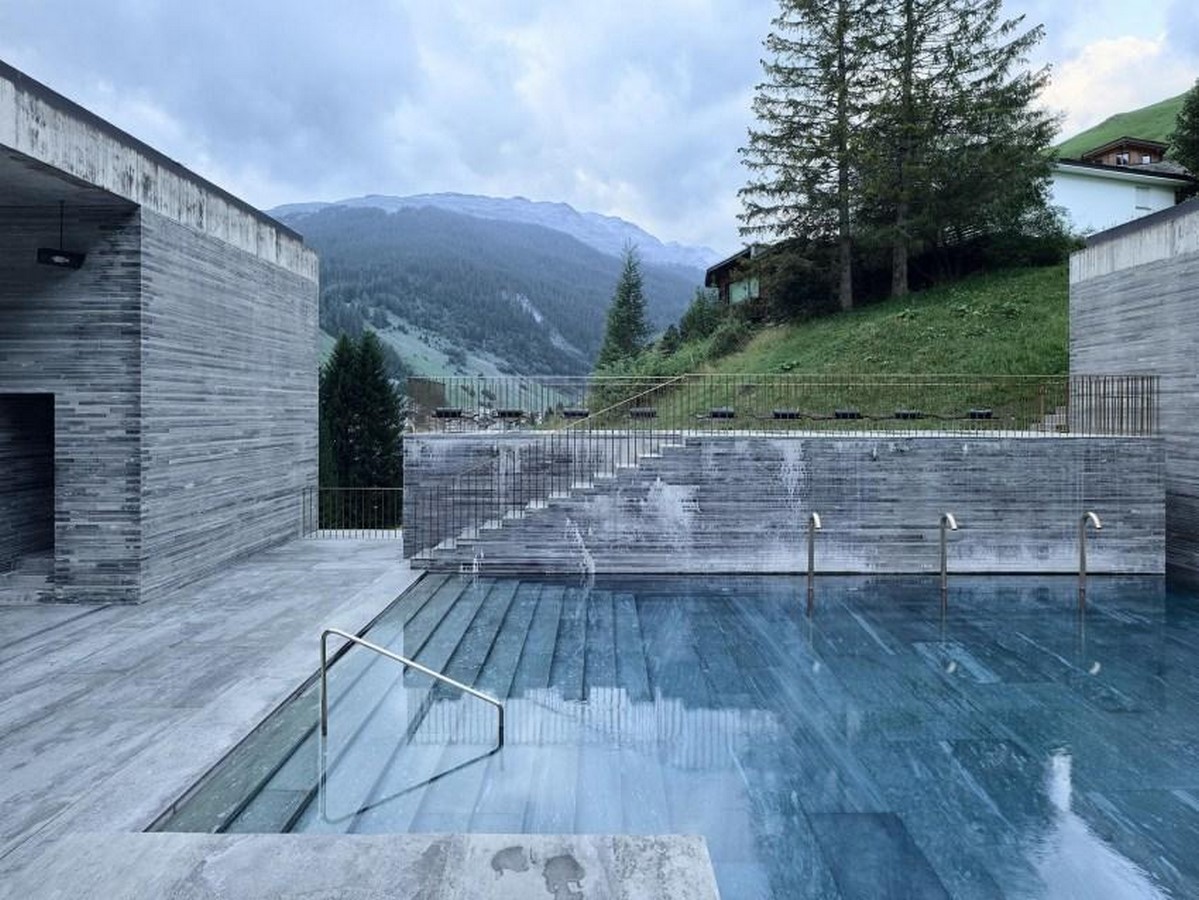
An Ode to Curated Materiality: Peter Zumthor’s Therme Vals, Switzerland
It reimagines the ancient hot spring baths of the Swiss Alps as a wellness and meditative retreat. Zumthor carved the building into the mountainside, instead of imposing a structure over it. He used locally quarried quartzite to reinforce its connection with the landscape. The interplay of light and shadow, combined with the rough stone and water, creates a deeply sensory experience for the user as they travel through a series of baths and rooms. The ideology behind the choice of material goes beyond its connection with the mountain; it also legitimises the inhabitants’ connections with their senses. It is made to be experienced slowly, the deliberate gaps left for shadows and the soft echoes of water against the tiles, grounding people in their surroundings, making this retreat a serene experience and providing a hidden space, away from the world, meant for contemplation.
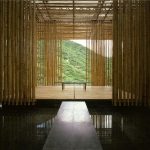
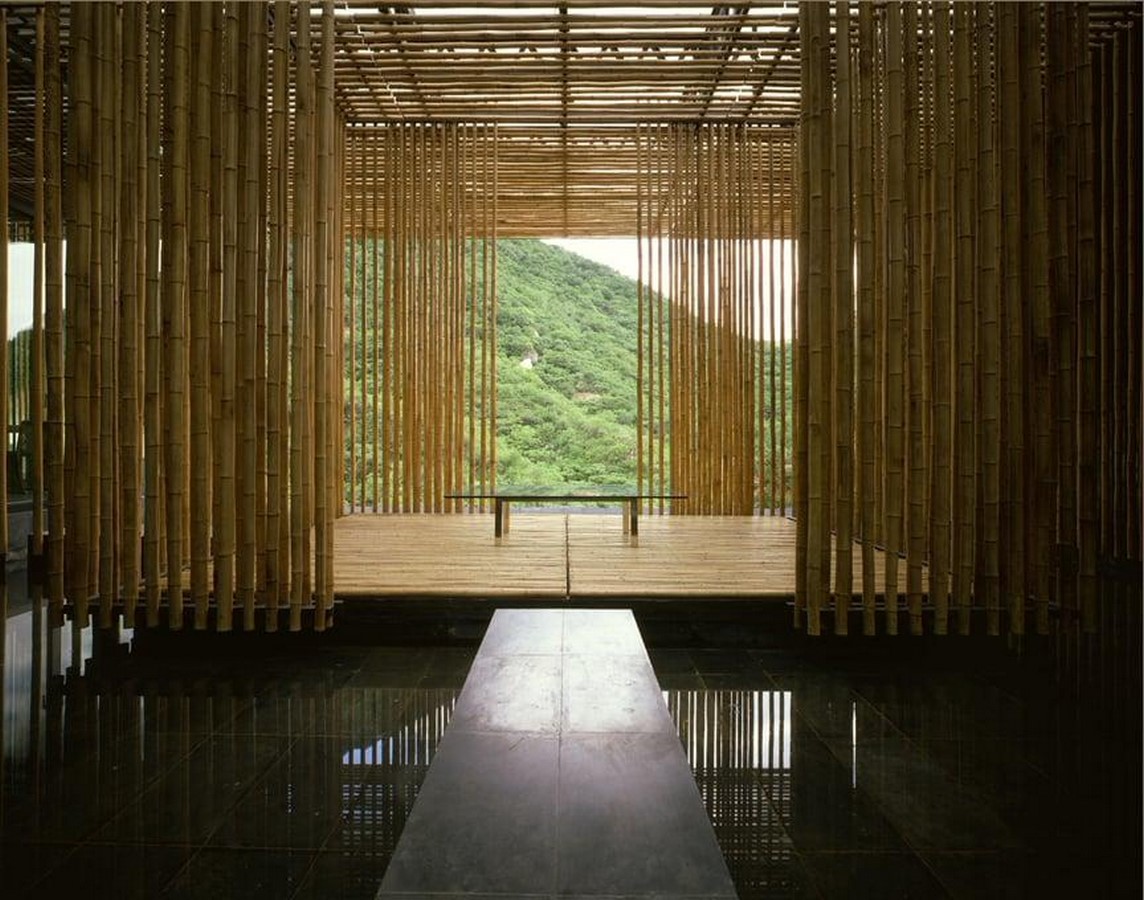
Bamboo Wall by Kengo Kuma and Associates
Inspired by and constructed near the Great Wall of China, this 539sqm residence in China is created on a contoured site without altering the natural topography. It is a community project that uses unseasoned bamboo for screens. They act as permeable filters, embracing light and airflow. The imperfection of bamboo- varying diameters, uneven spacing- makes the space feel emotionally and culturally resonant. Rather than acting as a barrier between the outside and inside, it makes room for conversation between the two. It is a reminder of how architecture can respect the environment it’s built in, organically building a space.
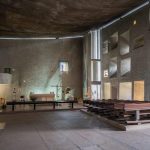
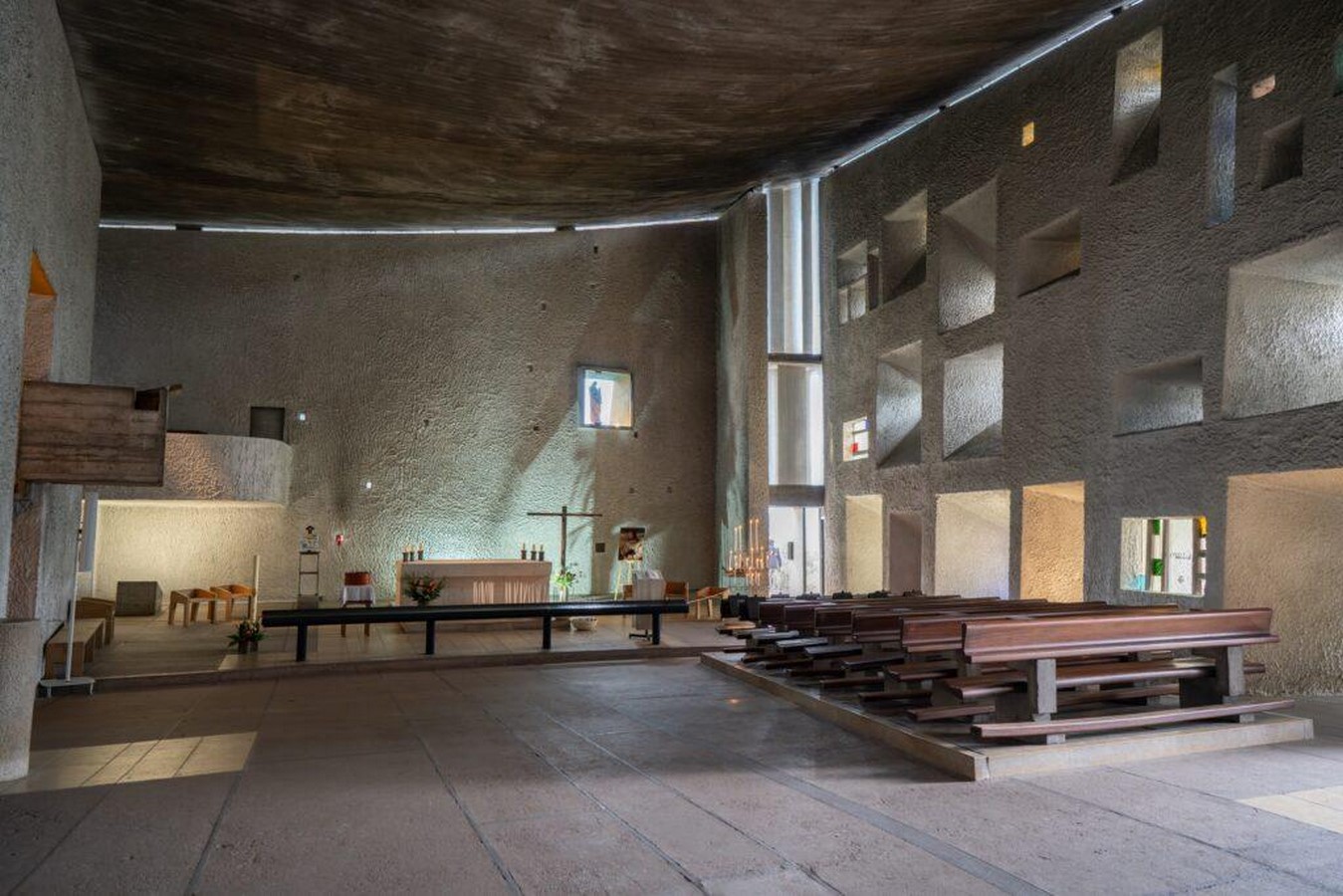
Le Corbusier’s Ronchamp Chapel – Materials of Memory and the Form of a Brutalist
Built on a historic pilgrimage site in France, replacing an older cathedral destroyed in the Second World War, Ronchamp stands as an example of an intersection between memory and newness. Its very materials carry memory, the stones extracted from the ruins of the old chapel, providing irregular textures, reflecting context and drawing on the value of preserving the past. True to Corbusier‘s brutalist vocabulary, raw concrete is the primary material, and the roof is a distinctive crab shell-shaped one. This drew some criticism, undoubtedly. But at the same time, its spatial unpredictability and emotional depth made it stand out. It exemplifies how architecture can resonate with lived human experience while also deviating from conventions.
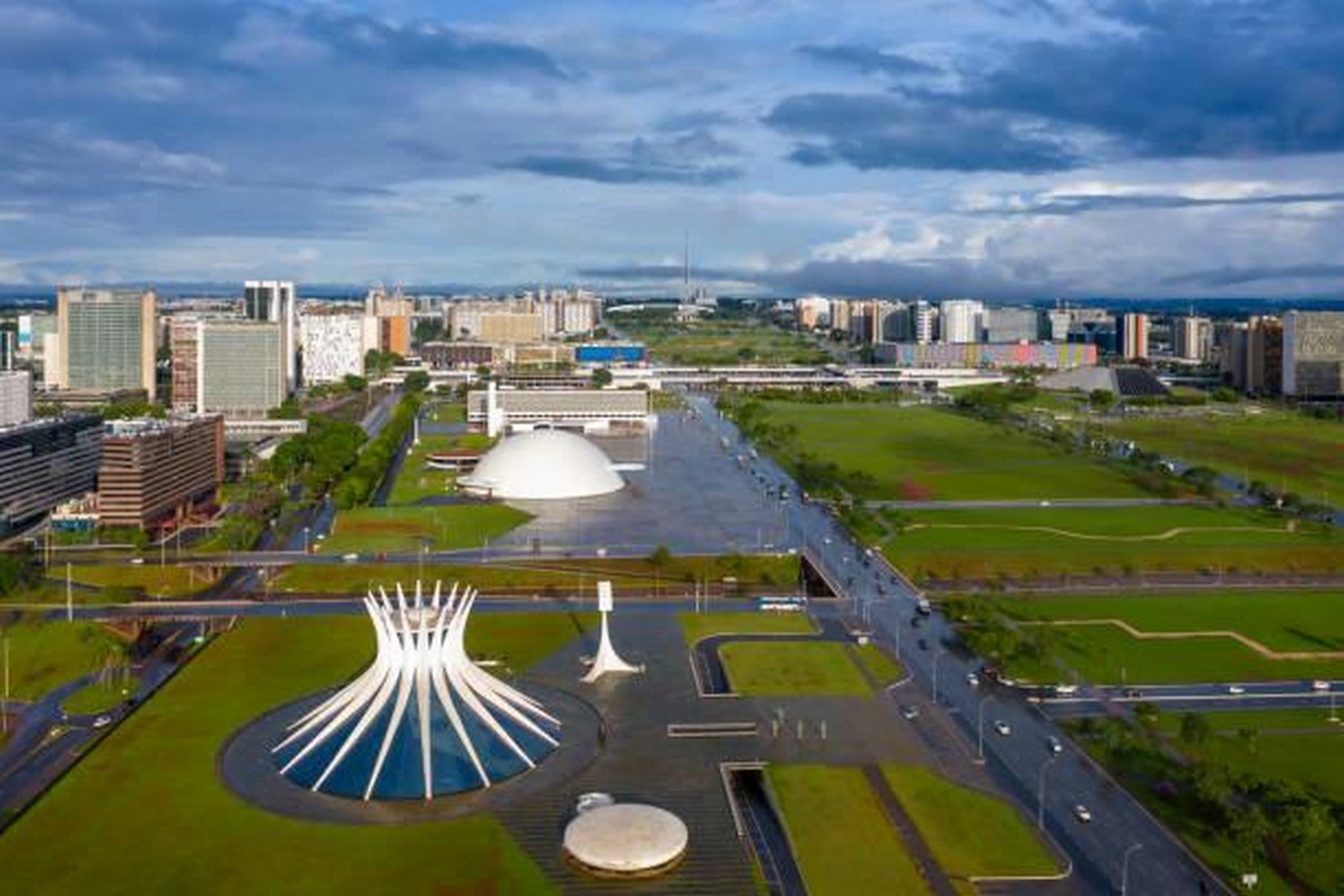
Brasilia- A High Modernist City or A Highly Sterile One
A city in Brazil, a modernist ideal and a perfect city planned to the very last detail, with monumental public squares, cutting-edge highways, sculptural government buildings and highly geometrical structures. But that is the problem with perfection: it leaves no room for personalisation, which is an important aspect for the development of the character of any city. The consequence seen in this case was the creation of a highly sterile city, which was built on the feeling of detachment and emptiness. The wide highways built at the cost of walkability, the vast public spaces dwarf inhabitants and create a sense of detachment, and the highly meticulous nature eats up the space for organic human interaction. It lacks the imperfections that foster intimacy, which, when seen with wabi sabi in mind, resonates with sabi- a quality of having a life or history. It renders residents into mere observers rather than active participants. Brasilia acts as a cautionary tale and demonstrates the power of imperfection and irregularities in human-centred design; without it, even the most iconic spaces can feel distant enough to not be understood.
Final Thoughts
In a world fixated on flawlessness in whatever it creates, imperfection offers a valuable counterpoint. Weathered textures, asymmetries, and irregularities remind us that architecture is not just built, but lived. By embracing wabi-sabi’s philosophy of incompleteness, we craft spaces that evolve with time, hold memory, and nurture connection. No algorithm or AI-driven process can replicate the comfort of a human-made building. At the moment, with increasing anxieties about AI taking over jobs, it is important to be reminded of what makes us human.
Citations:
- ArchEyes. (2024, September 6). Peter Zumthor’s Therme Vals: Sensory Architecture in an Alpine Retreat. ArchEyes. https://archeyes.com/peter-zumthors-therme-vals-sensory-architecture-in-an-alpine-retreat/
- Finn, P. (2023, August 29). Wabi-Sabi: Why Architects Should Embrace the Art of Imperfection. Journal. https://architizer.com/blog/inspiration/stories/wabi-sabi-architecture-of-imperfection/
- Great (Bamboo) Wall. (n.d.). Kengo Kuma and Associates. https://kkaa.co.jp/en/project/great-bamboo-wall/
- Lara, F., & Nair, S. (2007). The Brazilianization of Brasilia. Journal of the International Institute, 14(2). https://quod.lib.umich.edu/j/jii/4750978.0014.214/–brazilianization-of-brasilia?rgn=main
- Le Corbusier, Chapelle Notre-Dame-du-Haut, Ronchamp, 1950-1955. (n.d.). Fondation Le Corbusier. https://www.fondationlecorbusier.fr/en/work-architecture/achievements-notre-dame-du-haut-chapel-ronchamp-france-1950-1955/
- View of The Concept of Emptiness in Wabi-Sabi Aesthetics and Its Influence on Scandinavian Minimalist Space Design. (2025). Paradigmpress.org. https://www.paradigmpress.org/as/article/view/1535/1365