Entering 2025, Bjarke Ingels Group [BIG] has emerged as one of the most innovative architectural practices globally by integrating architectural intelligence, sustainable materials, and adaptive reuse into its projects. AI-driven design tools are actively integrated into the firm’s workflow, enabling quick, data-driven decision-making and exploring the potential of AI in architectural design.
Simultaneously, BIG is leading the application of sustainable materials, while also advancing in adaptive reuse as a means of carbon reduction and preserving culture. Additionally, the firm is also focusing on climate resilience and community-centered urbanism, transforming infrastructure into social spaces and models for sustainable cities.
BIG’s AI-Driven Design from Sketch to Simulation
Architectural intelligence is being incorporated into each stage of design by Bjarke Ingels Group [BIG], which is further redefining architectural practice. The firm utilizes generative design tools to explore spatial configurations and simulate environmental impacts, facilitating informed decision-making from the project’s inception.
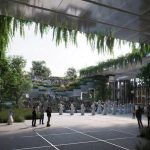
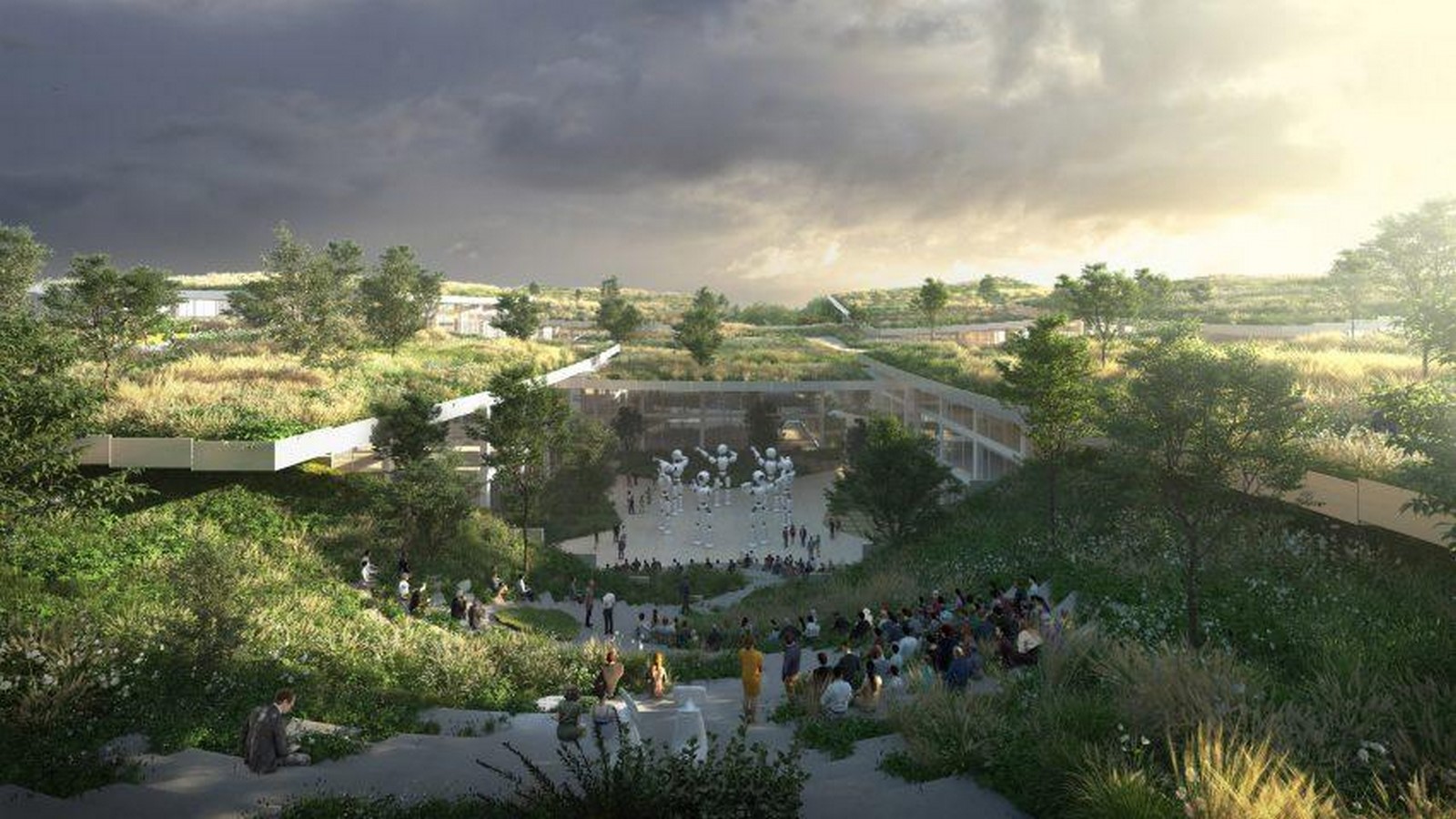
One of the noteworthy examples developed for the Smart Service Provider Terminus Group is the Terminus AI City Masterplan in China. This project utilizes AI to create a high-tech campus that combines big data and robotics, establishing it as a center for innovation in both AI and urban planning.
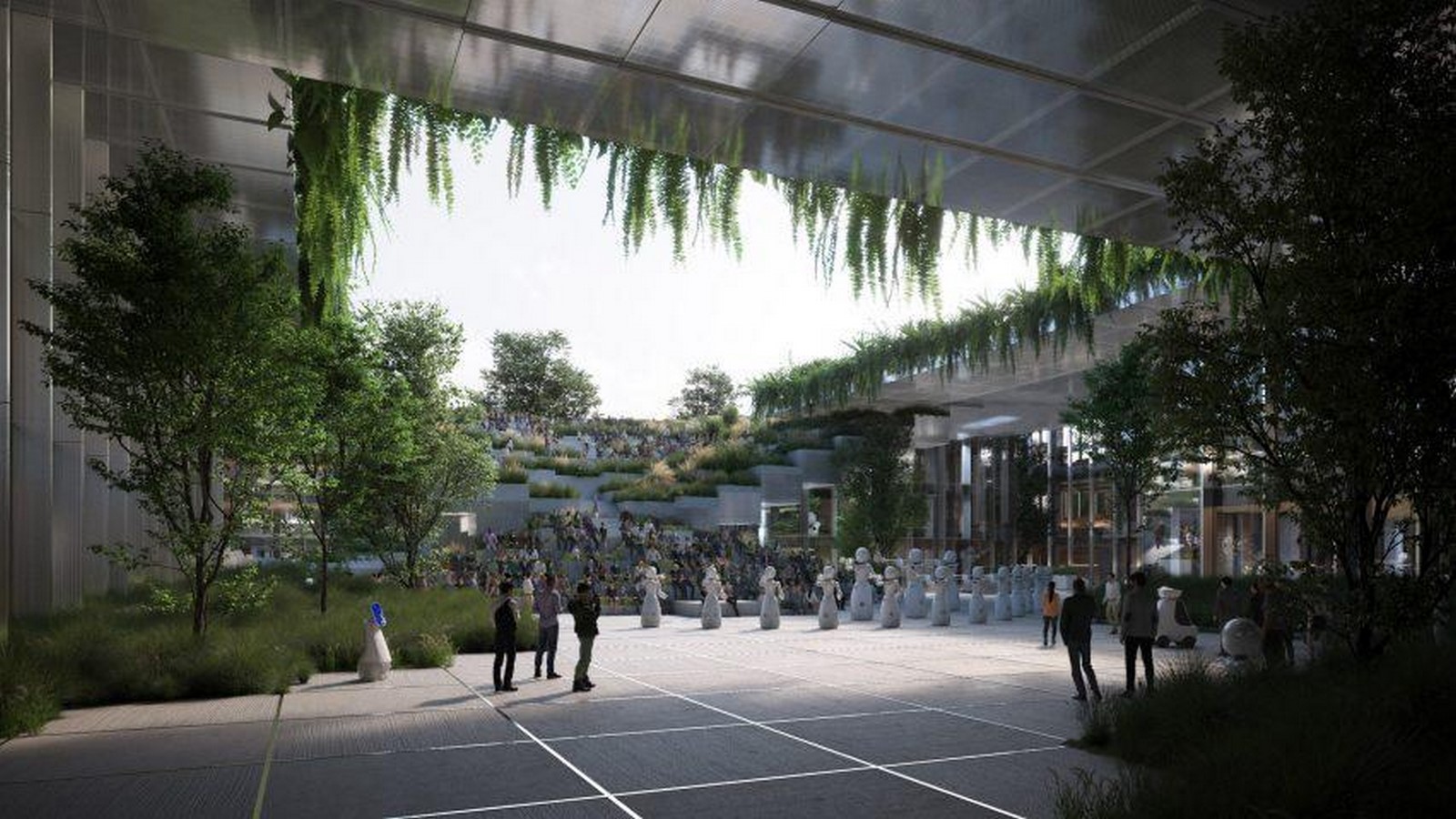
BIG is dedicated to AI in ways that go beyond individual initiatives. The firm co-hosted the “Exploring the Impact and Opportunities of AI at BIG Architects” competition with the IE School of Architecture and Design. By encouraging designers to submit creative concepts on the impact of AI on architecture and design, this initiative highlighted BIG’s role in fostering the next wave of AI-integrated architectural practice.
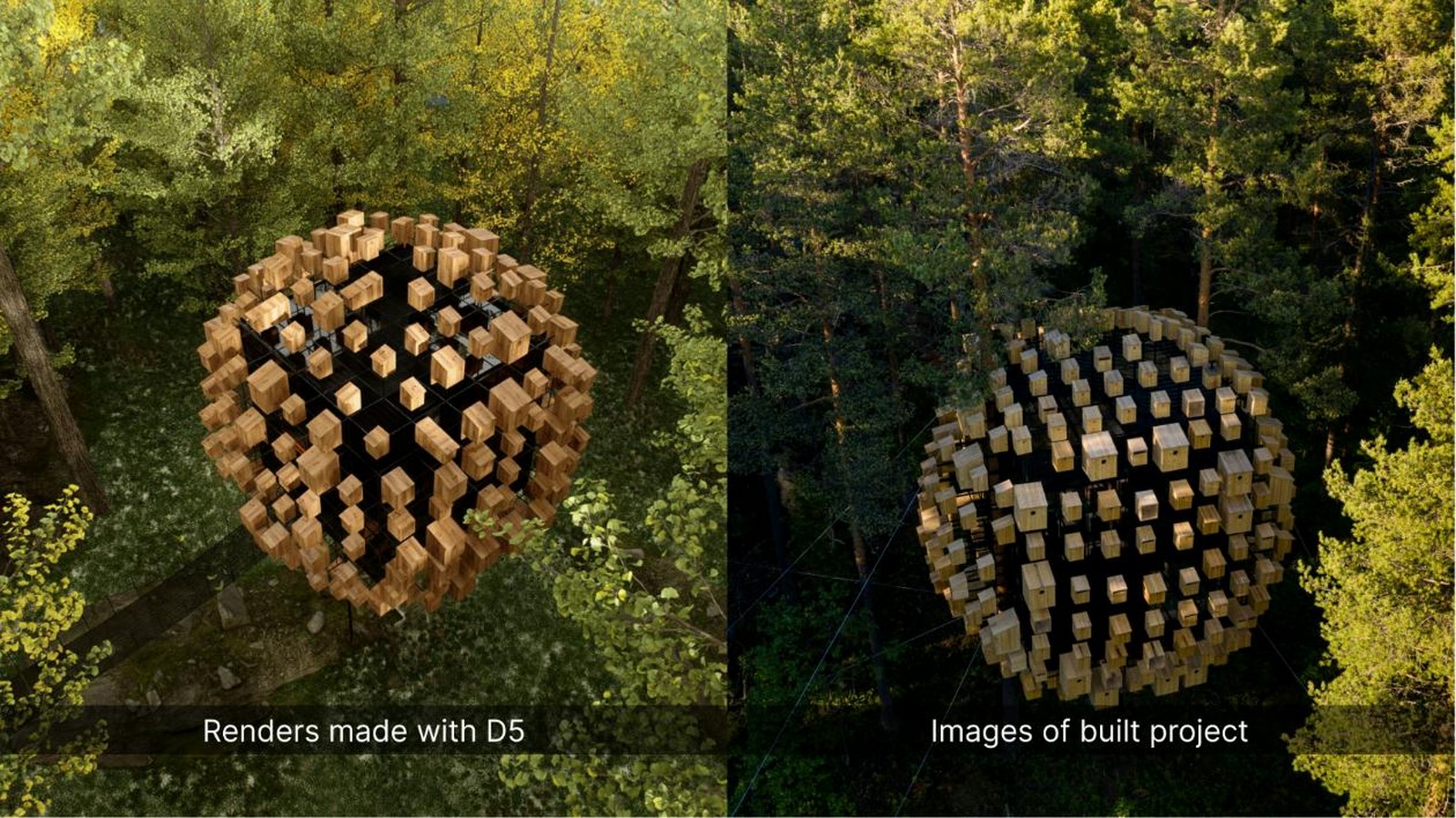
Additionally, rendering software like d5 render is being adopted by the firm to enhance design visualization. With this tool, the firm quickly creates high-quality visuals, which speeds up design iterations and improves client presentations. Through these initiatives, BIG is solidifying its position of AI-driven design in 2025.
Sustainable Materials Strategies
Sustainability is being promoted by Bjarke Ingels Group [BIG] through the use of various new materials and encouraging design towards a low-carbon future. This firm’s philosophy is best demonstrated by one of its landmark projects, The Plus in Norway. Designed to be among the most ecologically friendly industrial buildings, this project is a furniture factory built from mass timber and low-carbon concrete.

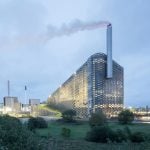
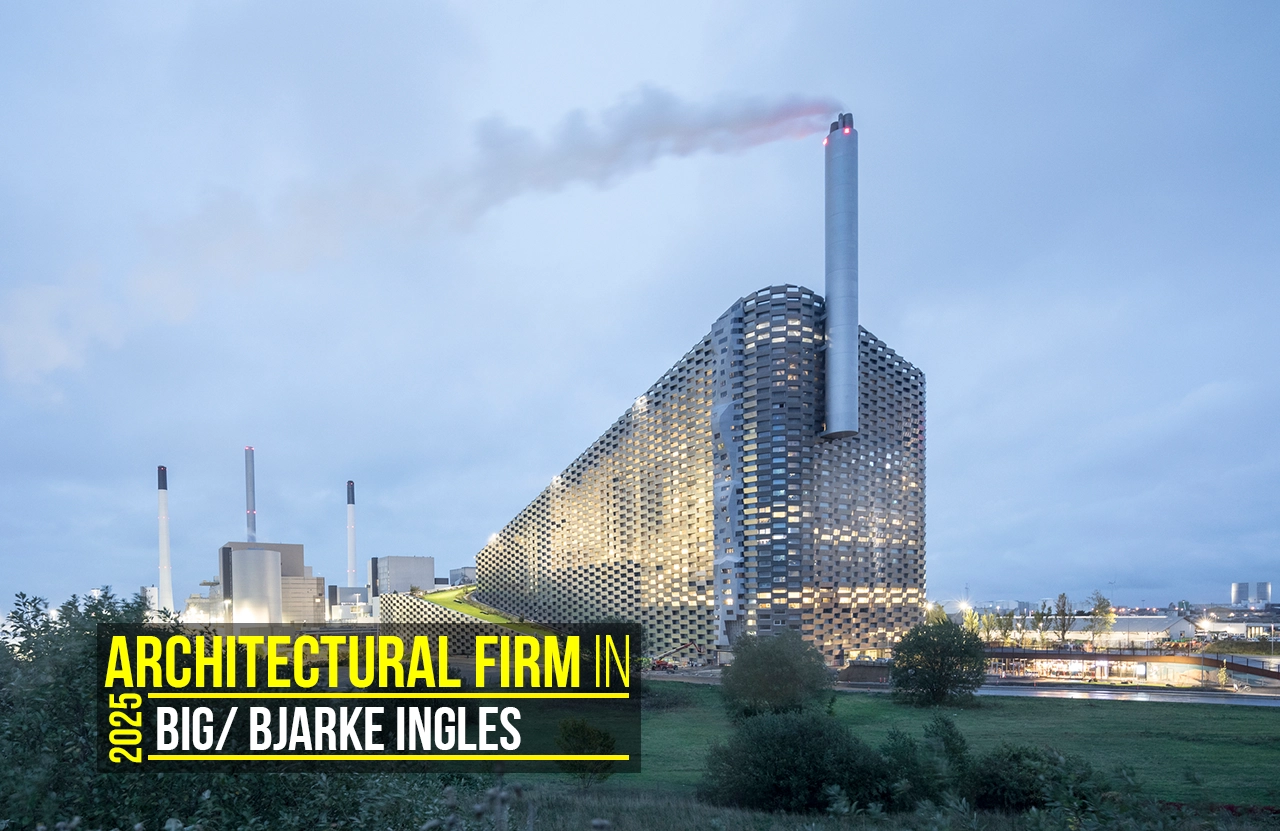
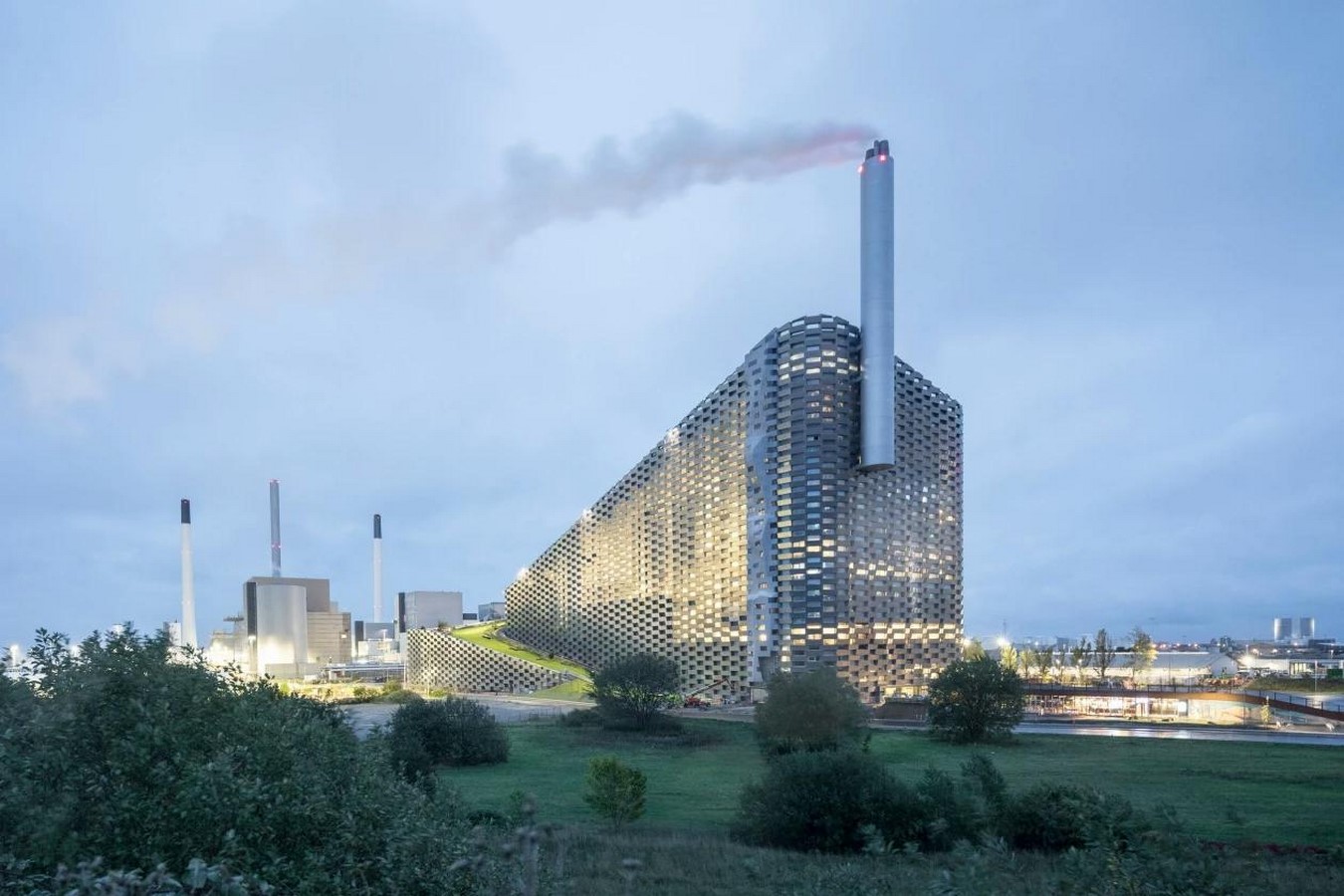
Similarly, Copen Hill in Copenhagen serves as an example that transforms a structure into a civic and ecological landscape, combining a waste-to-energy plant with ski slopes and hiking paths, utilizing recycled steel, advanced insulation technologies, and bio-based materials.
By 2025, BIG plans to expand these principles into larger-scale experiments. The firm is exploring hybrid structural systems that lower embodied carbon without compromising spatial aspirations. Circular design, which utilizes construction waste as a resource loop rather than landfill material, is also being integrated into the firm’s current work.
Adaptive Reuse as Storytelling
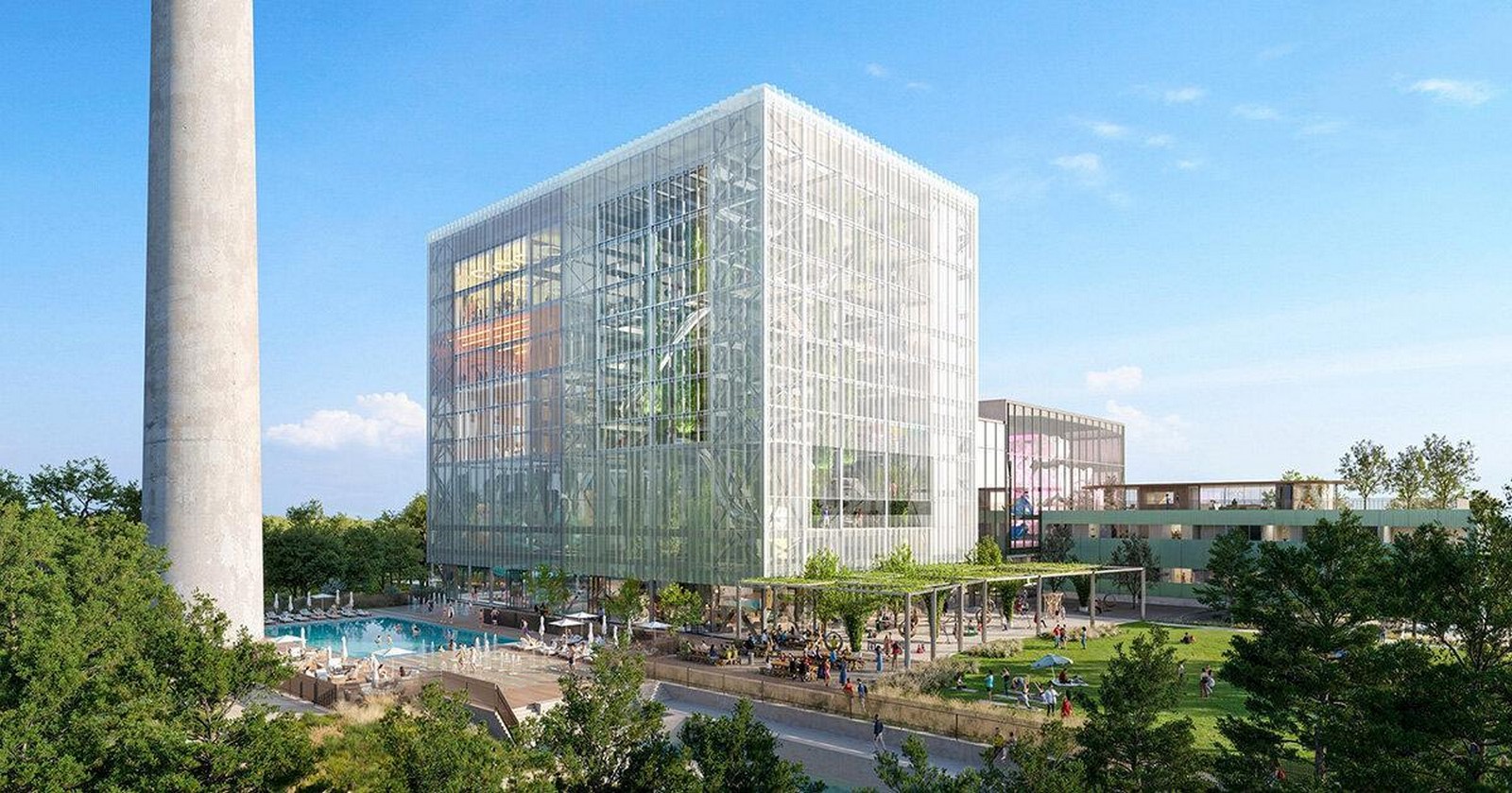
Bjarke Ingels Group [BIG] continues to employ adaptive reuse as a means of storytelling that promotes sustainability and connects architecture to its roots, while also utilizing it as a design approach. A notable ongoing project in 2025 is the transformation of Manresa Island in Norwalk, Connecticut, a former power plant that has been redesigned in collaboration with SCAPE as a 125-acre public park. This conversion by BIG was to restore coastal ecosystems and shorelines by transforming industrial buildings into areas for dining, marine ecology classes, and multipurpose events
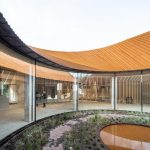
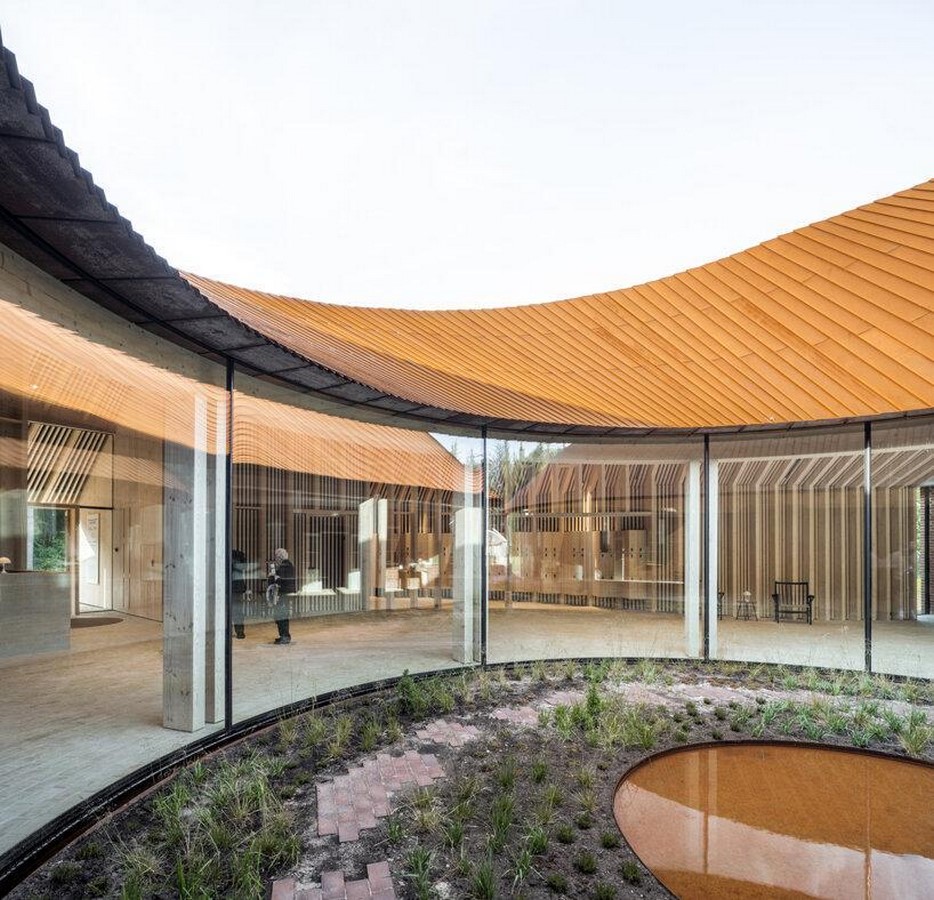
In addition, earlier work, such as FLUGT, continues to demonstrate BIG’s approach to narrating stories through preservation. In this project, the firm repurposed a hospital from a WWII refugee camp in Denmark into a museum that sustains embodied carbon savings, honours memory, and respects the original form and materiality of the structure. By transforming relics from the past into socially vibrant, resilient environments, BIG integrates sustainability and cultural continuity through adaptive reuse and storytelling.
BIG as an experimental platform
At present, Bjarke Ingels Group [BIG] serves as an experimental platform rather than just a traditional starchitect office. Its adaptive reuse projects, like Manresa Island in Connecticut, transform relics into cultural narratives while reducing embodied carbon. With sustainable material strategies, Norway employs mass timber and low-carbon concrete that combines ecological performance with public experience.
Additionally, BIG also explores AI-driven design, using generative tools to iterate quickly from sketch to simulation. When combined, these strategies establish BIG as a platform where the experimental future of architecture is defined by computing, sustainability, and storytelling.
Citations:
Barandy, K. (2025, July 15). Connecticut power plant to be repurposed by bjarke ingels group (BIG) with park by SCAPE. Retrieved from Designboom: https://www.designboom.com/architecture/connecticut-bjarke-ingels-group-big-scape-power-plant-10-03-2024/
Block, I. (2020, October 2). BIG plans artificial intelligence-run city campus in China. Retrieved from dezeen: https://www.dezeen.com/2020/10/02/big-bjarke-ingels-ai-city-beijing-terminus-group-news/
D5 Render. (2020-2025). Beyond Rendering: BIG Unlocks D5’s Potential as an All-in-One Design Suite. Retrieved from D5 Render: https://www.d5render.com/posts/case-study-big?utm_source=chatgpt.com
Ghinitoiu, L. (2025). A waste-to-energy plant redefining urban sustainability. Retrieved from Archello: https://archello.com/project/amager-bakke-copenhill
IE University . (2025). Exploring the Impact and Opportunities of AI at BIG Architects. Retrieved from IE University : https://www.ie.edu/school-architecture-design/challenges/exploring-impact-opportunities-ai-big-architects/?utm_source=chatgpt.com
Lucian R. (2021, March 1). The Plus. Retrieved from ARQA: https://arqa.com/en/architecture/the-plus.html
Myers, L. (2022, June 28). BIG adds a curved corten steel corner to new refugee museum of Denmark. Retrieved from Designboom: https://www.designboom.com/architecture/big-corten-steel-volume-refugee-museum-of-denmark-06-28-2022/
Walsh, N. P. (2024, March 19). A Conversation with Bjarke Ingels on AI, 3D Printing, and the Future of the Architectural Profession. Retrieved from Archinet Features: https://archinect.com/features/article/150420098/a-conversation-with-bjarke-ingels-on-ai-3d-printing-and-the-future-of-the-architectural-profession?utm_source=chatgpt.com