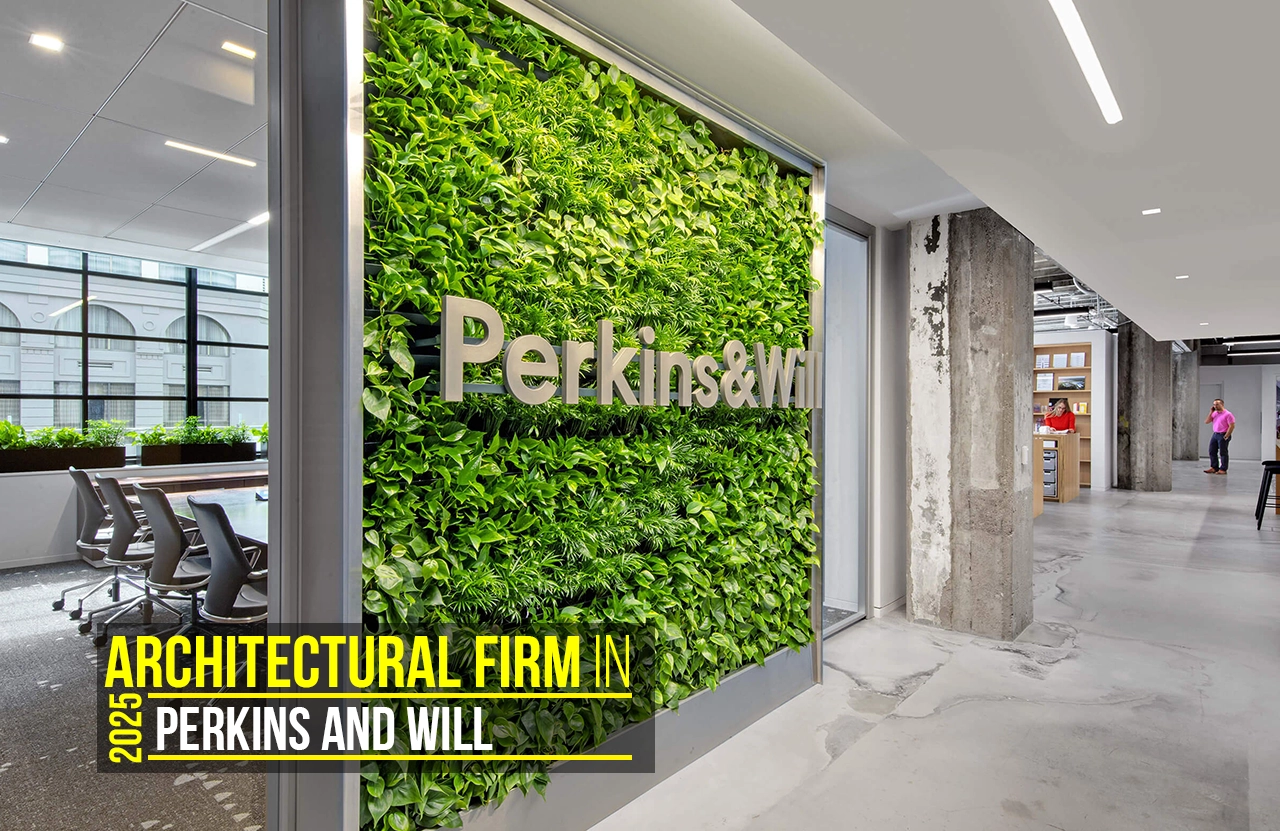
Perkins and Will, founded in 1935 by Lawrence Perkins and Philip Will Jr, endeavoured a tenet of advancement in design, yet adhering to ethical practices such as ecological care that ‘honour the broader goals of society’. Thus, it can be claimed that there are certain measures from the firm that harmoniously weave client needs and are morally obliging to the environment. About designing ‘for the people’, it can be instilled as the firm’s main motto, thus meticulously catering to the client’s needs at a quicker pace due to the latest technological advancements, utilisation like AI in design. With respect to confronting environmental issues, Perkins and Will dents towards ‘Living Design’ (Tillotson, n.d.), the firm’s holistic approach towards every design. On the whole, the convergence of these building elements metaphorically represents the ultimate goal of inclusive design. Subsequently, led by this clear vision of Perkins and Will has perpetuated the firm to inspire to date. This article, therefore, explores how Perkins and Will is drifting away from quintessential practice in design and challenging the various preconceived notions within architecture.
Living Design – The Driving Philosophy
It can be endeavoured that Perkins and Will consider designing spaces to eventually inspire. Since 1935, the main mission has been to ‘respect and restore the natural world’ (Tillotson, n.d.). Thus, through the various scales of the firm’s designs, like parks or residences, ‘Living Design’ is a key philosophy that manoeuvres the projects. These design drivers were deliberately intended to create a healthier world and satisfying social purpose. This is thus measured by key performance indicators to examine qualitative impact. The framework of design encompasses of 7 elements (Tillotson, n.d.) :
- Poetics and Beauty
- Conceptual Clarity
- Technological Tectonics
- Health and Well-Being
- Research and Innovation
- Resilience and Regeneration
- Community and Inclusion
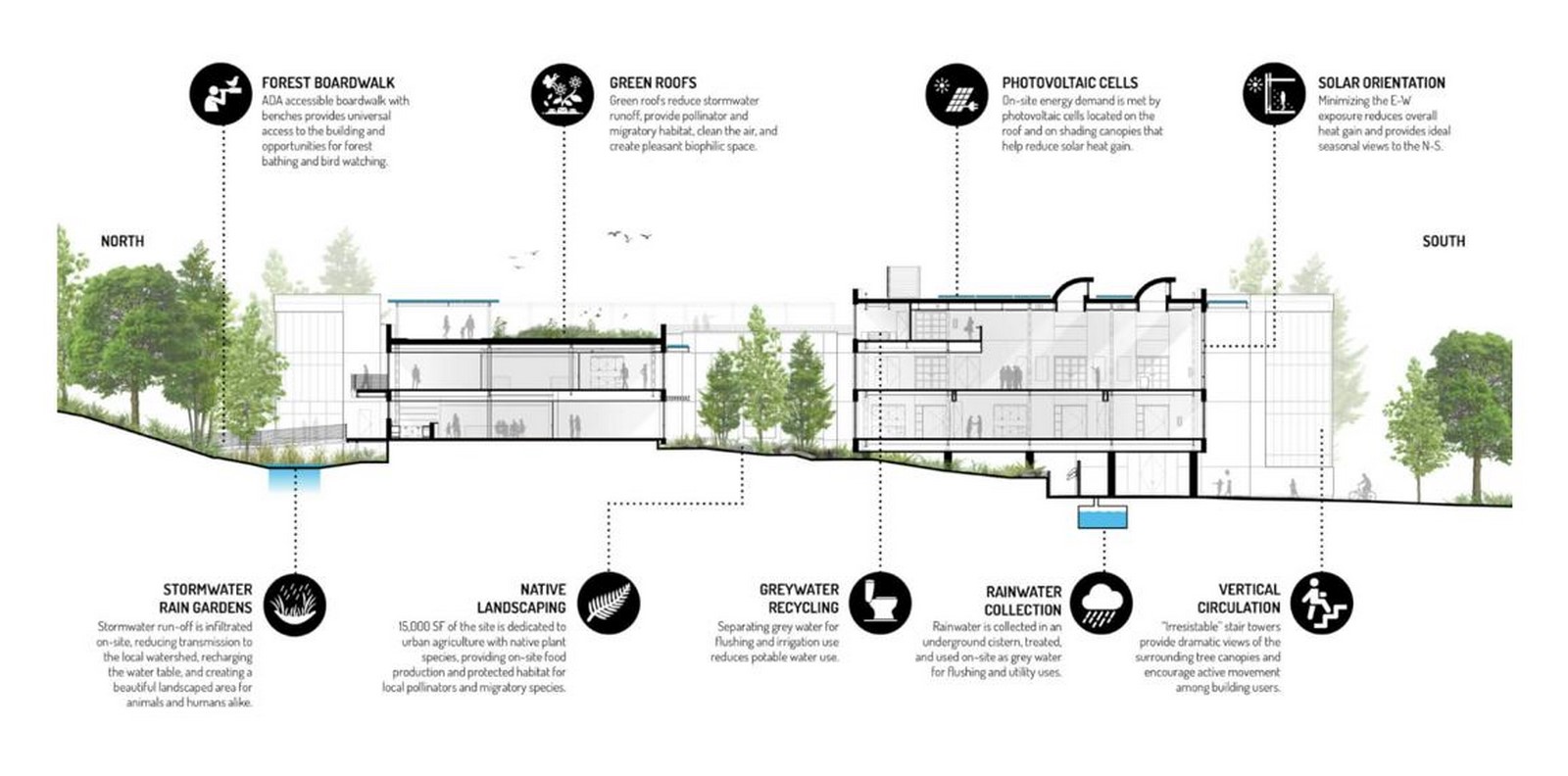
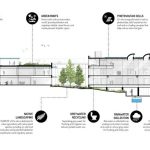
One of the key projects of Perkins and Will that sustain the same include the headquarters of HTMX Industries (Figure 1). Situated in Connecticut, this structure is a paradigm of regenerative design. It can be claimed as a testament to exerting a social notion catering to the revolution of regenerative architecture. Amongst many of HTMX Industries’ unique features pertaining to sustainability, a few of them include maximising existing landscape usage in and around the building as green roofs or forest boardwalk, using on-site PV panels to generate electricity, passive cooling systems through large openings, and orientation of the structure to maximise daylight penetration (HMTX Industries, 2023). Specifically, this structure attends to address water conservation through a rainwater capture and re-use system that can hold up to 5000 gallons of grey water and be used for building operational purposes.
Therefore, the climatic and community resilience portrayed through this case study (Figure 1) establishes design resolutions that adhere to and nurture the biodiversity around and enhance the ways of integrating natural systems into the built environment. Hence, this is a moral vitality for designers to follow in this dynamic world of opting for finite resources.
AI in Architecture- Undeniably the Future?
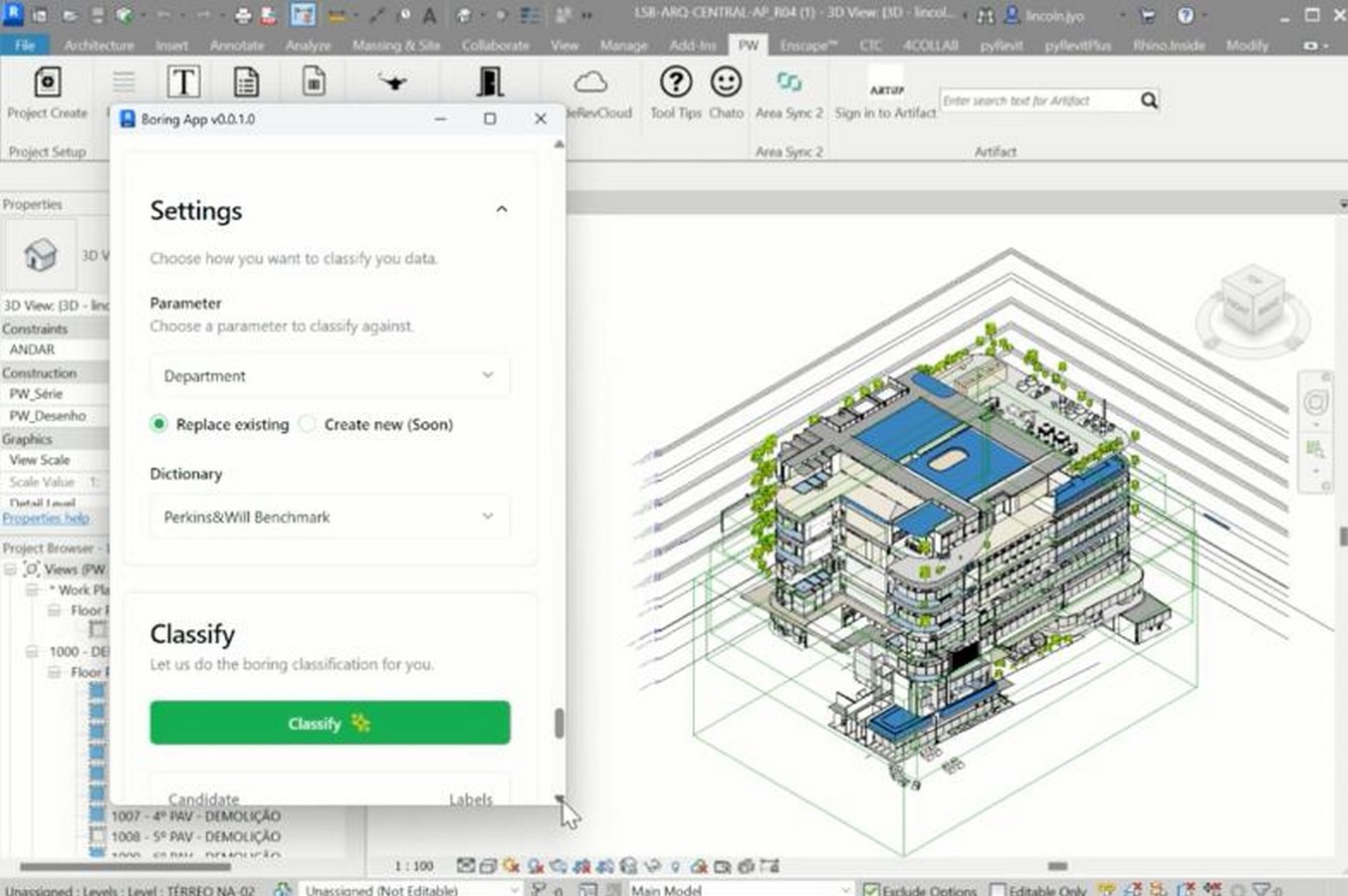
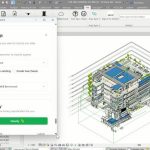
Overall, Perkins and Will aim to expand the knowledge and implications of AI into design through various credible exposures such as global webinars, hackathons, and leadership collaborations. As of today, the firm stands at about 30 AI experimentations that contribute to the design industry and respond to real-world challenges and workflows. Nevertheless, Perkins and Will still maintain the ethical standards of assuring the clients about the use of AI through the message ‘trust but verify’ (Allan, 2024). Designers also disclose the use of AI through the areas in the process, thus balancing moral norms and the quality of design.
References:
- Allan, S. (2024). Amplifying Creativity: The Role of AI in our Design Process. [online] Perkins&Will. Available at: https://perkinswill.com/news/amplifying-creativity-the-role-of-ai-in-our-design-process/.
- HMTX Industries. (2023). World Headquarters – HMTX Industries. [online] Available at: https://hmtx.global/worldheadquarters/
- Tillotson, N. (n.d.). Living Design – Perkins&Will. [online] perkinswill.com. Available at: https://perkinswill.com/living-design/.