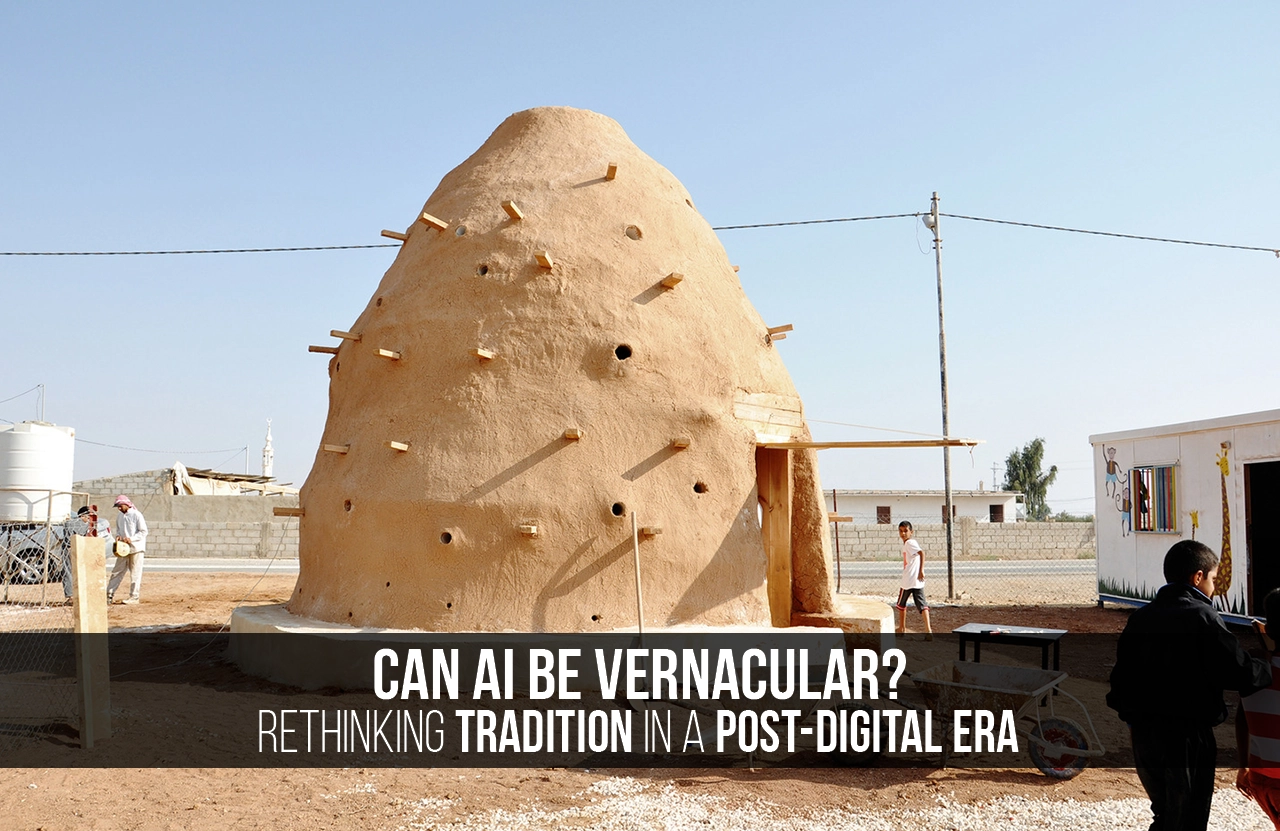
Artificial Intelligence (AI) has become the ultimate tool for everyone’s needs. A single swipe and you have the unheard and undiscovered history or trend all compiled under a single document. AI has already ventured its dominance through various fields like building, cooking, fashion, social media and content creation etc. While AI is mainly considered a boon. Though it is a boon, everything has its limitations. Every business or industry works or booms only when customization or relevance percentage is on the higher side .AI has been highly informative and converts the task timelines to be husslefree, but is this tailor-made for the relativity? Does this serve all demographics? Let’s deep dive into this.
The Globalized Imagination of AI
Let’s consider an exercise . Consider rendering a bedroom for reference; you mostly end up with panoramic windows, high ceiling bedrooms with great illumination and bulky furniture with throws and comforters . These outputs might seem aspirational and aesthetically pleasing but are having the threat to become highly repetitive in which path we are already travelled half way through. The outputs are often similar and every home interior starts looking exactly the same . The plushy comforters and the throws which look aesthetic in renderings are not tailored to Indian context as they are bulky and designed to provide comfort in cold not in climate that is hot and humid like India.
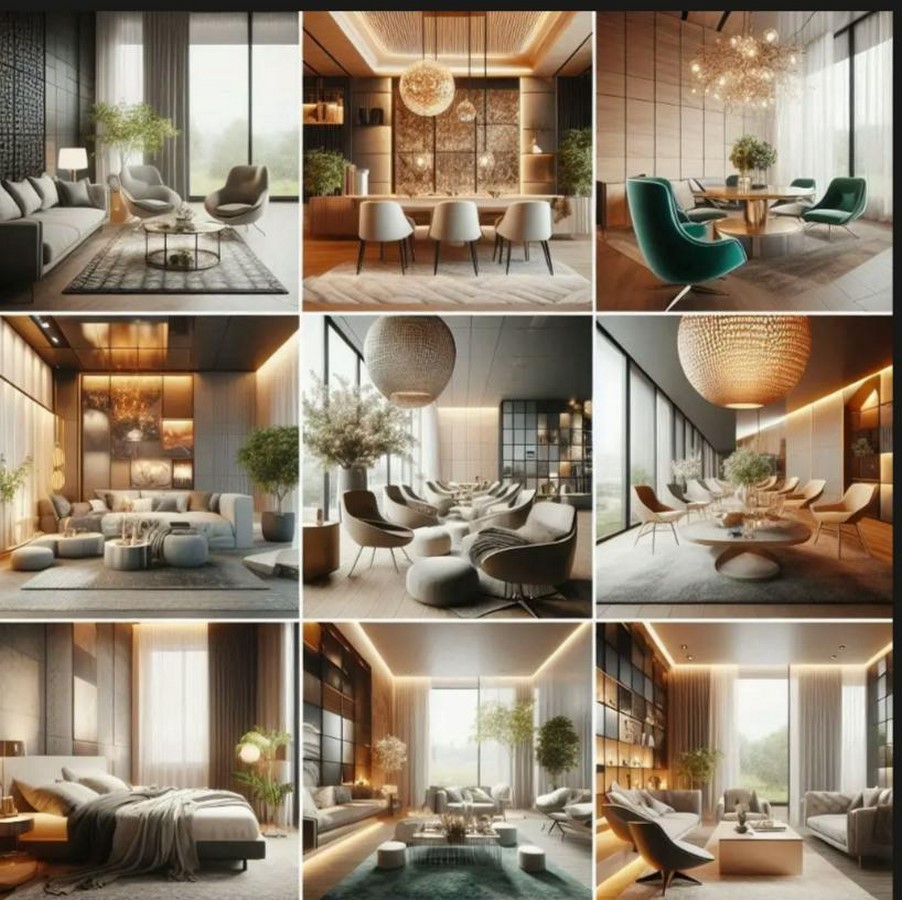
Most of the generative AI tools are trained on vast datasets dominated by Western and global luxury trends. These images may look porsche and lustrous to have in, but the expectation bar when meeting the reality of other aspects like budget, cultural, and climatic factors, everything seems to end in disappointment. Imagine an AI-generated design for a Chennai apartment that suggests woolen throws and layered curtains. While it feels cozy in colder climates, such elements become stifling in the city’s humid weather, where breathable rattan furniture or bamboo furniture becomes the best comfort. The same way picturing a heavy Japanese and Chinese aesthetic vibe made of bamboo into the Nilgris biosphere might also quickly degrade and be an inadvisable functional blunder.
The rise of the acrylic kitchen market at a rate of 7.6% CAGR annually is a clear and visible example of how AI influences the design trend without contextual backing. The high gloss mirror-like kitchen finishes available all over the internet fascinates people, increasing its market value yet the very fact that acrylic weakens over high humidity, requires regular polishing and might smudge or scratch easily, which makes it unsuitable for most Indian kitchens, is under discussion. The AI influence is very clearly seen in this example, where aesthetics and trend win over need.
Rethinking Tradition in the Post-Digital Era
Tradition is often mistaken for nostalgia — a longing to recreate the past. In reality, vernacular practices are functional responses that are refined over centuries to suit climate, culture, and local needs. A thulsi madam and courtyard in a home might not be required, yet the function of driving in natural light and air can be brought in by providing sunlight, a shaft, or even a clear story. The Architecture in future postmodernism might not require replication, but it definitely requires resurrection of functional wisdom.
For example, in hot and dry Indian regions, oxide flooring is not only an affordable option but it also lowers the temperature and cools under feet while walking compared to wood and marble flooring. Yet AI, without contextual or vernacular training, continues to suggest the latter. Similarly, bamboo screens provide breathability and create natural cooling, making them a far better choice than industrial mesh dividers in humid climates.
Even the dining table cutlery carves a story: instead of defaulting to plastic or glass cutlery, traditions of brass and terracotta offer sustainable, antibacterial, and culturally resonant alternatives aesthetically and functionally.
These are not irrelevant ideas; these are contextual and emotional intelligence, which offers a balance between standardisation and personalisation, which makes the growth of artificial intelligence grow with grounded tradition.
When AI Meets Local Realities
For AI to be vernacular, which is much required in this paradox of the modern digital era, it must move beyond its globalized defaults and learn from local practices. It is not just an ambition that requires ample time. This is already well well-laid reality that is used in various other forms
Examples
Lake bled estate, slovenia:-
Tim Fu, a former Zaha Hadid Architects designer and founder of Studio Tim Fu to push the boundaries of AI in practice. The Lake Bled Estate in Slovenia (22,000 sq m, six luxury villas + historic Vila Epos) is one of the first projects in global scale where AI is deeply embedded into the architectural process — from concept prototyping to climate and heritage optimisation.
By training AI tools on traditional Slovenian typologies and landscapes— such as timber rizalit facades — the studio reinterpreted them as vertical atriums to bring daylight and garden views into interiors. The result is a development of residence that is both technologically ambitious and vernacularly rooted, balancing both the wellbeing and cultural living along with technological interference.

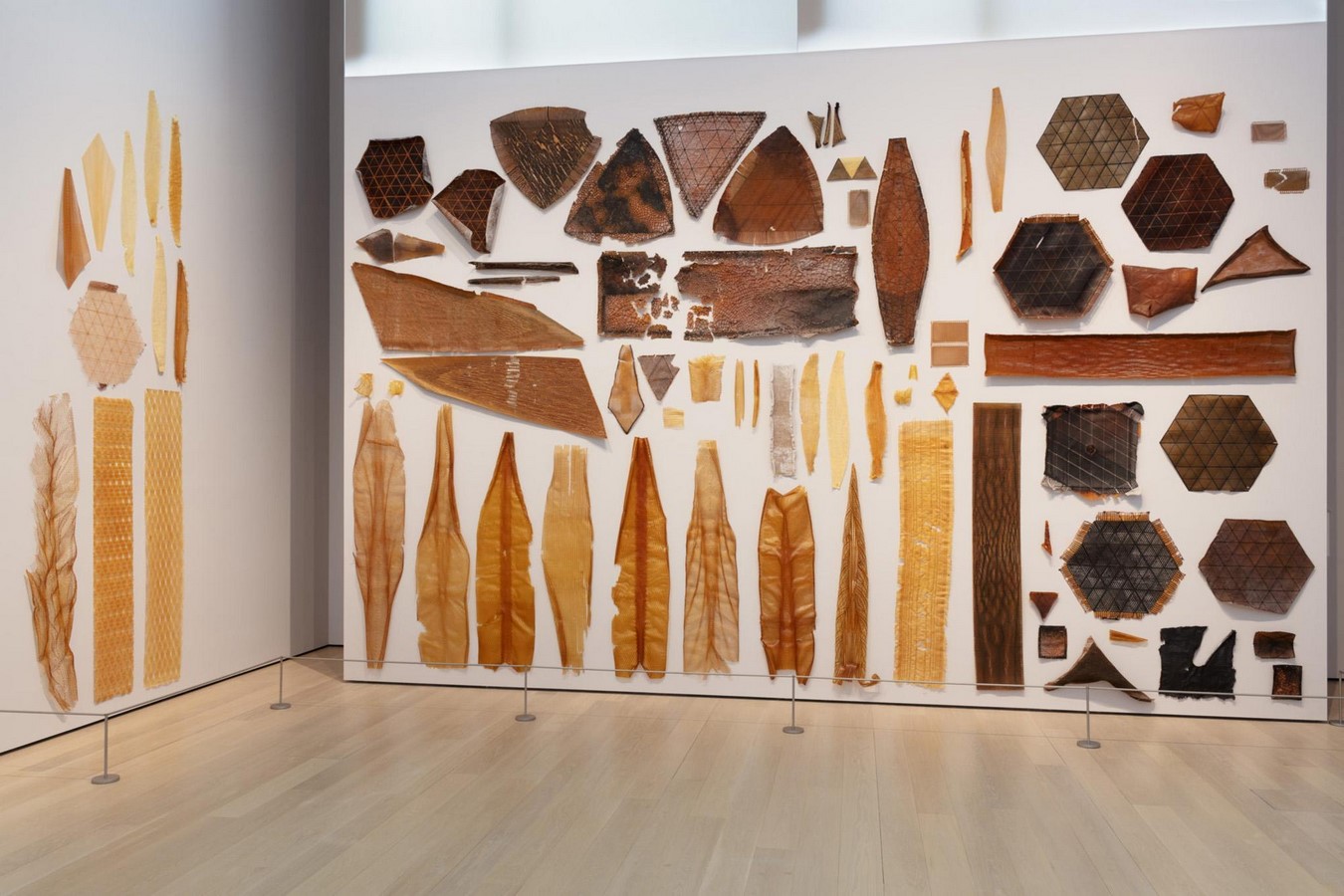
Neri Oxman’s Material Ecology
At MIT Media Lab, the designer Neri Oxman has used AI and computational tools to reimagine and interpret natural materials like silk and chitin into architectural structures. His projects show how AI can work along with traditional materials to create something resourceful and functional out of innate properties of available materials using technology
Chaukor studios ,Noida
The Chaukor studios in Lucknow had been experimenting with AI-driven architecture in conceptualising, designing and planning, researching on the bridge of technology and traditional knowledge .
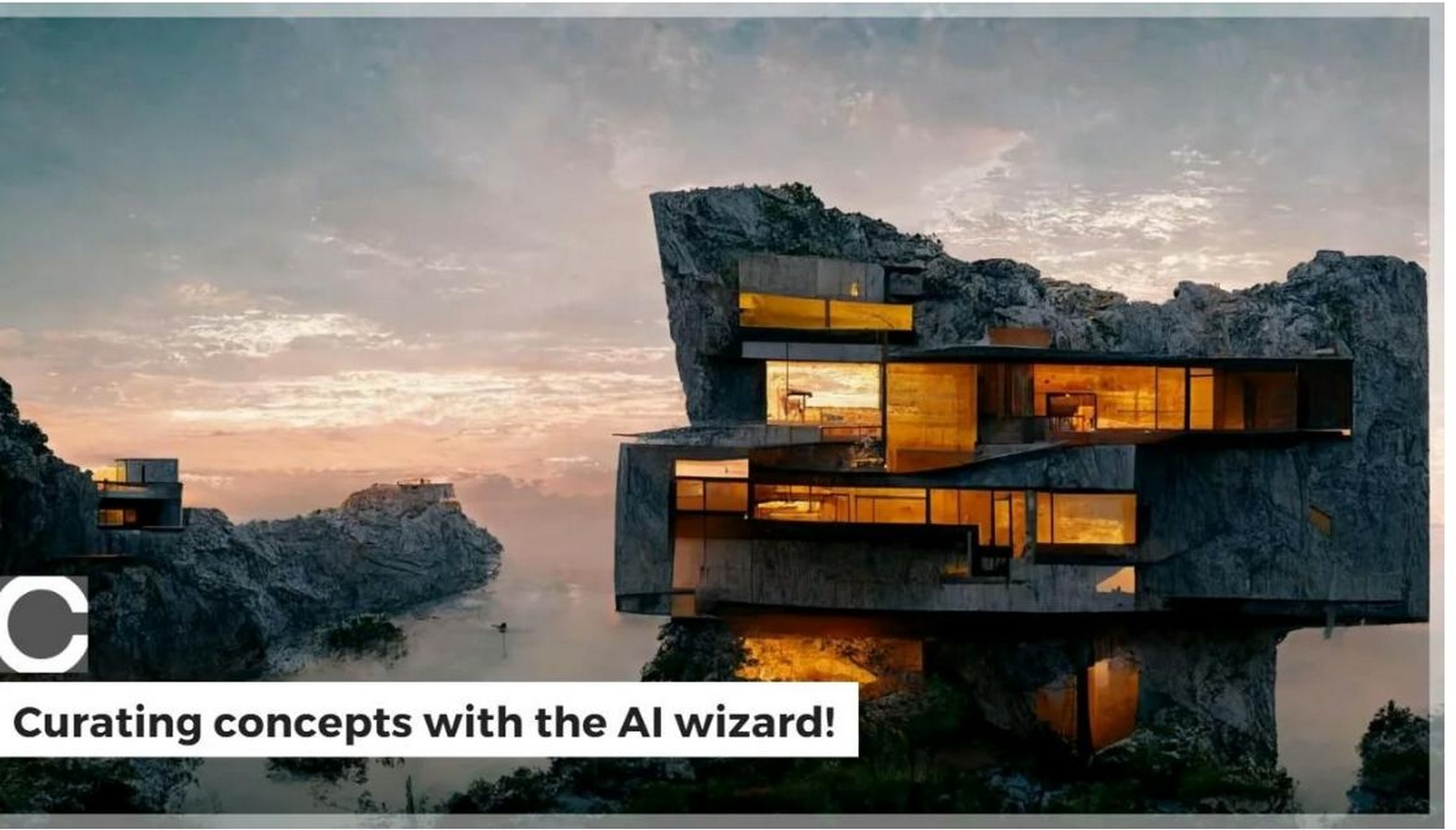
These examples prove that AI is not inherently detached from tradition. It becomes vernacular when guided by cultural context and ecological wisdom.
Clients, Expectations, and the Designer’s Role
The wide availability of AI has not just democratized design but also complicated it. Clients now arrive with AI-generated mood boards filled with grandeur or ambitious fashion designs that may not suit local realities or budgets, which again highlights the importance of vernacularizing AI. The post-digital designer’s challenge is not only to design but to explain —why double-height spaces cannot be a workable option in a compact apartment, or why a breathable rattan sofa is more comfortable than a velvet couch in Chennai’s climate.
Here lies the new creative opportunity: instead of rejecting AI as harmful, designers can use it to educate and provide a realistic option to clients. By showing them AI outputs trained on vernacular options, which can align aspiration with feasibility.
Toward a Vernacular AI
If AI is to become vernacular in the post-digital era, three strategies are essential:
- Context-Aware Training
AI must be fed and trained with local material libraries, climate data, and cultural symbols. This allows it to suggest designs that are not generic but geographically responsive, along with cultural adaptability. - Tradition as Innovation
Vernacular practices should not be framed as “old” but as sustainable innovations. Oxide flooring is not just cheaper—it is climate-smart. Terracotta cutlery is not just rustic—it is also eco-friendly. Bamboo interiors are not just traditional—they are renewable and breathable. - Human-AI Collaboration
Designers must position themselves as cultural mediators not as an opponent. AI can optimize speed and accuracy, but the human role ensures that designs remain rooted in place and people, which requires emotional intelligence as well.
This approach allows AI to shift from a globalized machine of aspiration into a vernacular tool of adaptation.
With the growing perfection rate of AI, it is surely possible and is on the way to becoming vernacular. This is an era where artificial intelligence should be considered an extra assistance rather than a threat, which would bring better outcomes. The generic training and globalized inputs can be trained and are also on the path of making a better future with better workability and functioning. The postmodernism era is full of surprises and eases out the stress of perfectionism as technology is now not just a backup source but also a partner in the process, making it even better for the future by embracing the present .
References:
Tim Fu, Lake Bled Estate, Studio Tim Fu, 2025, https://www.timfu.com/lake-bled-estate/ [accessed 14 September 2025].
Neri Oxman, Material Ecology, MIT Media Lab, 2023, https://www.metalocus.es/en/news/material-ecology-neri-oxman [accessed 14 September 2025].
Chaukor Studio, ‘Drafting Architectural Plans with AI’, Chaukor Studio, 2024, https://www.chaukorstudio.com/design-insights/drafting-architectural-plans-with-ai?utm_source=chatgpt.com [accessed 14 September 2025].
Chaukor Studio, ‘Curating Concepts with the AI Wizard’, Chaukor Studio, 2024, https://www.chaukorstudio.com/design-insights/curating-concepts-with-the-ai-wizard?utm_source=chatgpt.com [accessed 14 September 2025].
Sanjay Puri Architects, Mirai House of Arches, Bhilwara, Rajasthan, 2022, https://www.archdaily.com/984735/mirai-house-of-arches-sanjay-puri-architects [accessed 14 September 2025].
Statista, ‘Acrylic kitchen market growth rate’, 2025, https://www.statista.com/statistics/1234567/acrylic-kitchen-market-growth-india/ [accessed 14 September 2025].