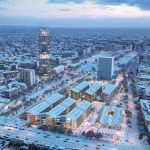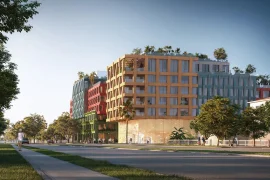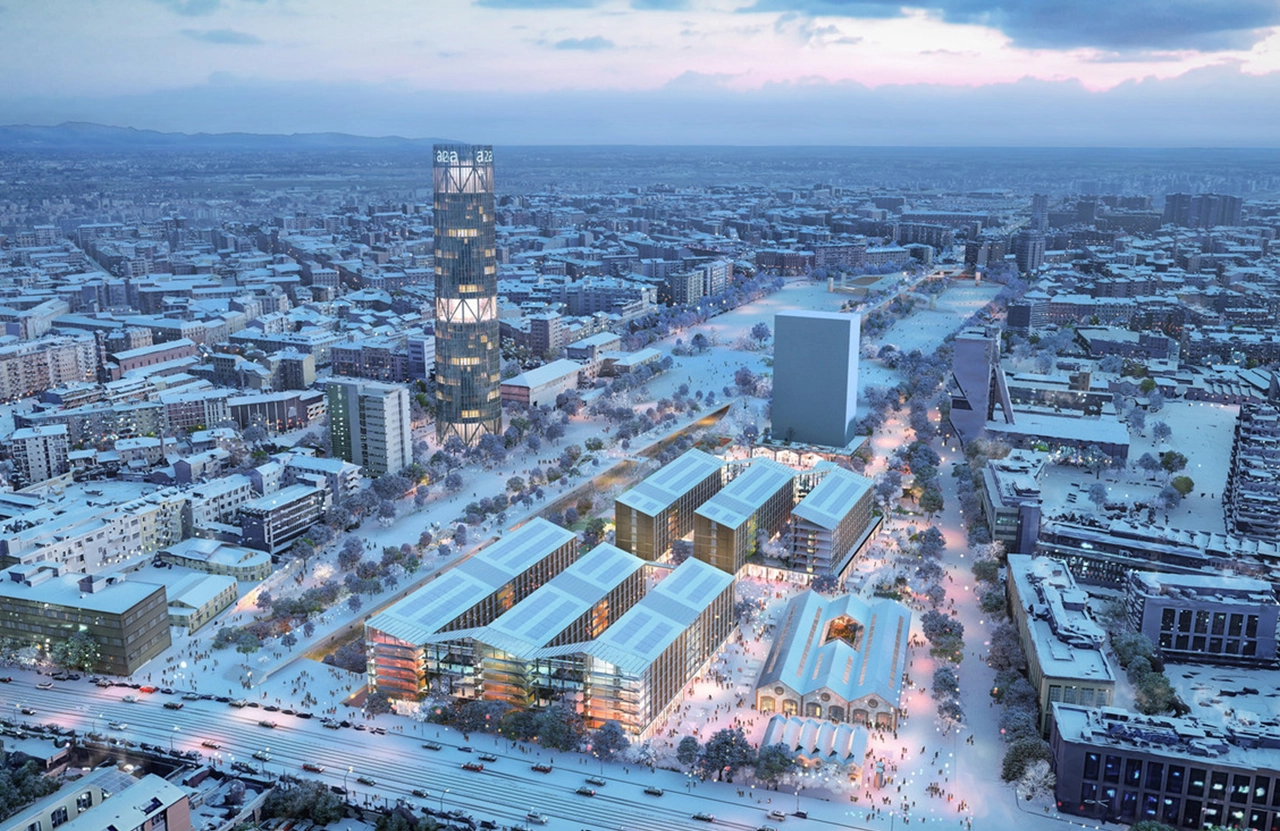
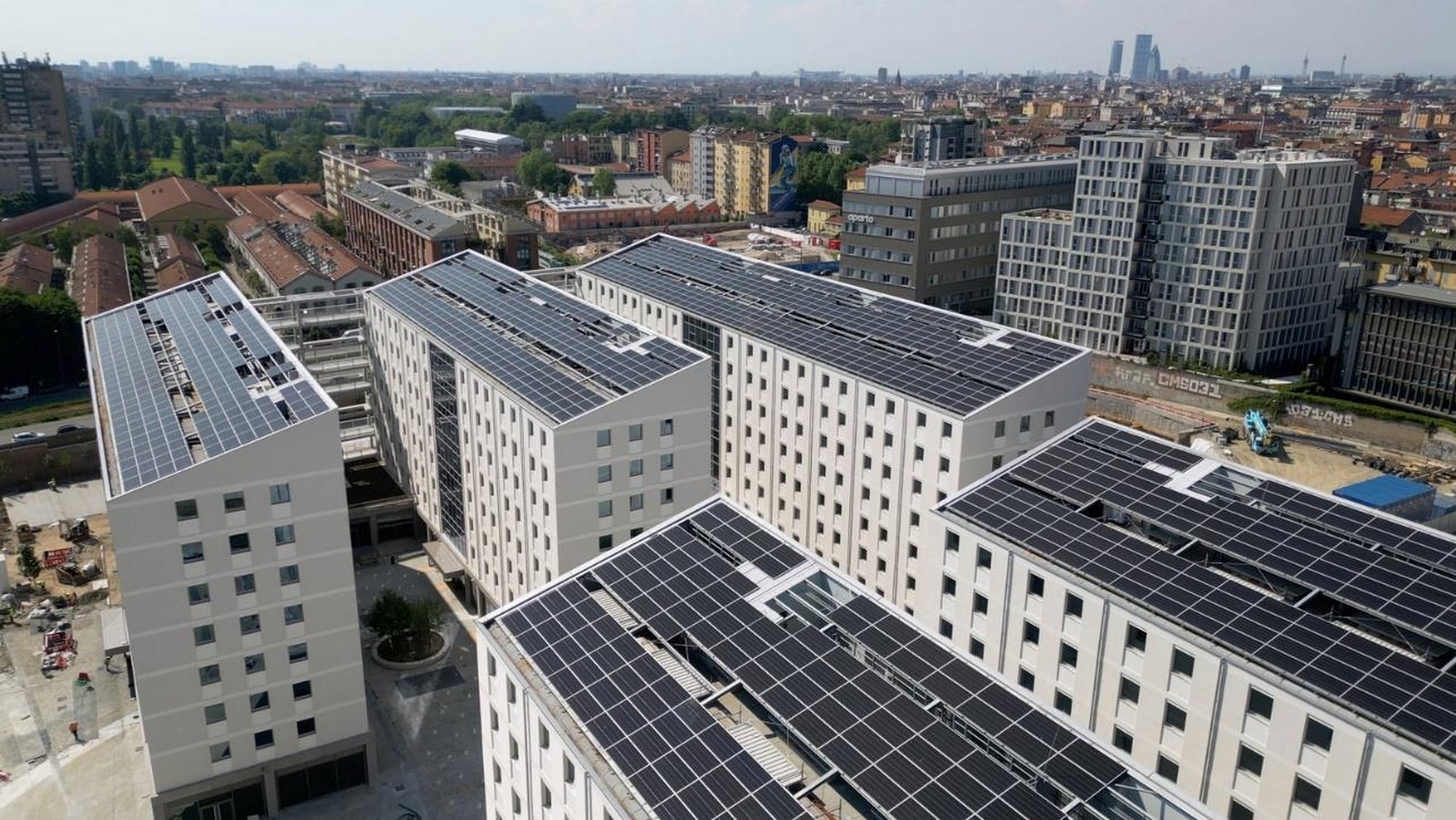
Skidmore, Owings & Merrill (SOM) is preparing to hand over the Olympic Village for the Milano–Cortina 2026 Winter Games. Rising on the former Porta Romana railway yard in Milan, the project is not only about accommodating athletes for a few weeks of the Games but also about creating a long-lasting urban district for the city.
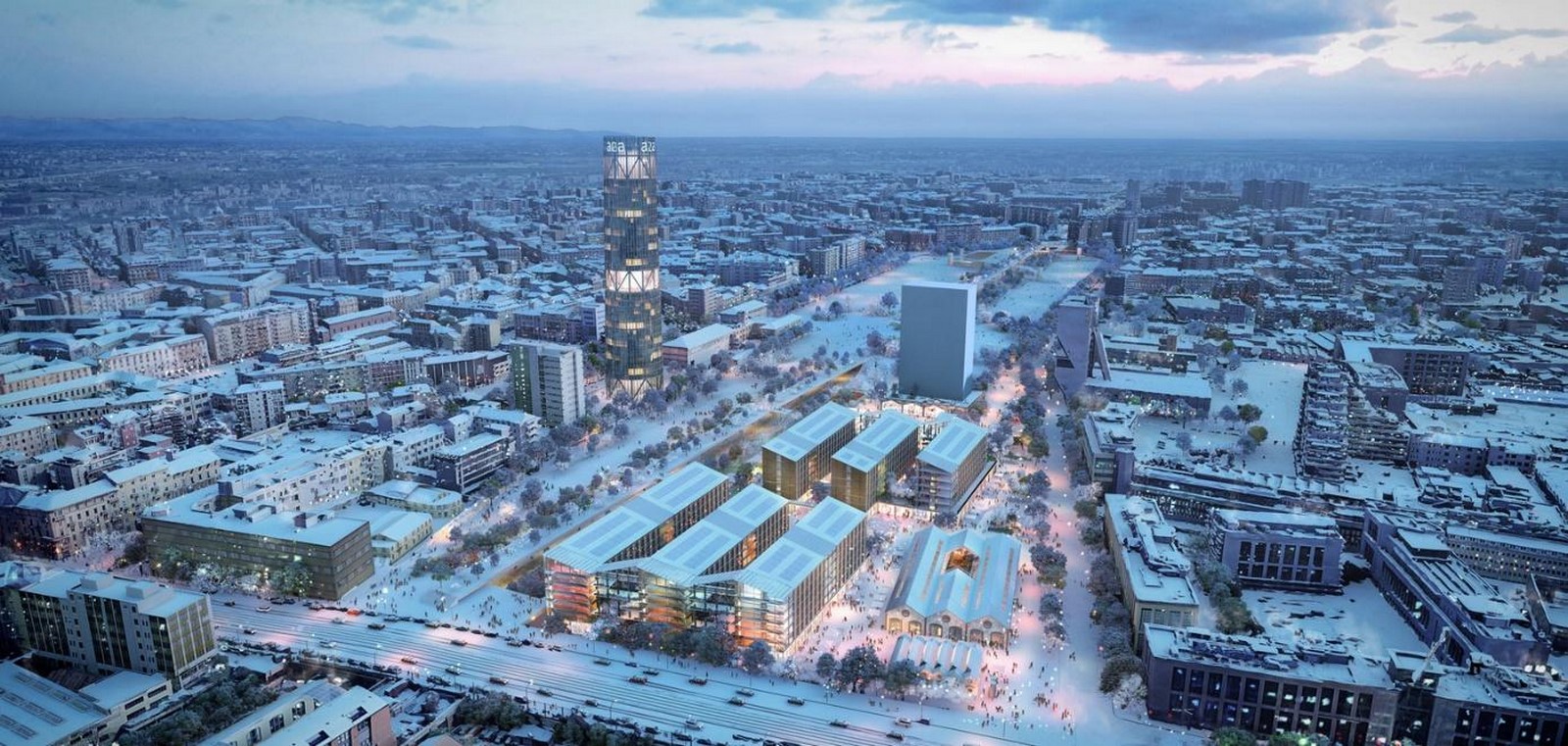
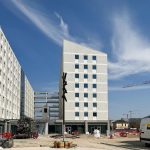
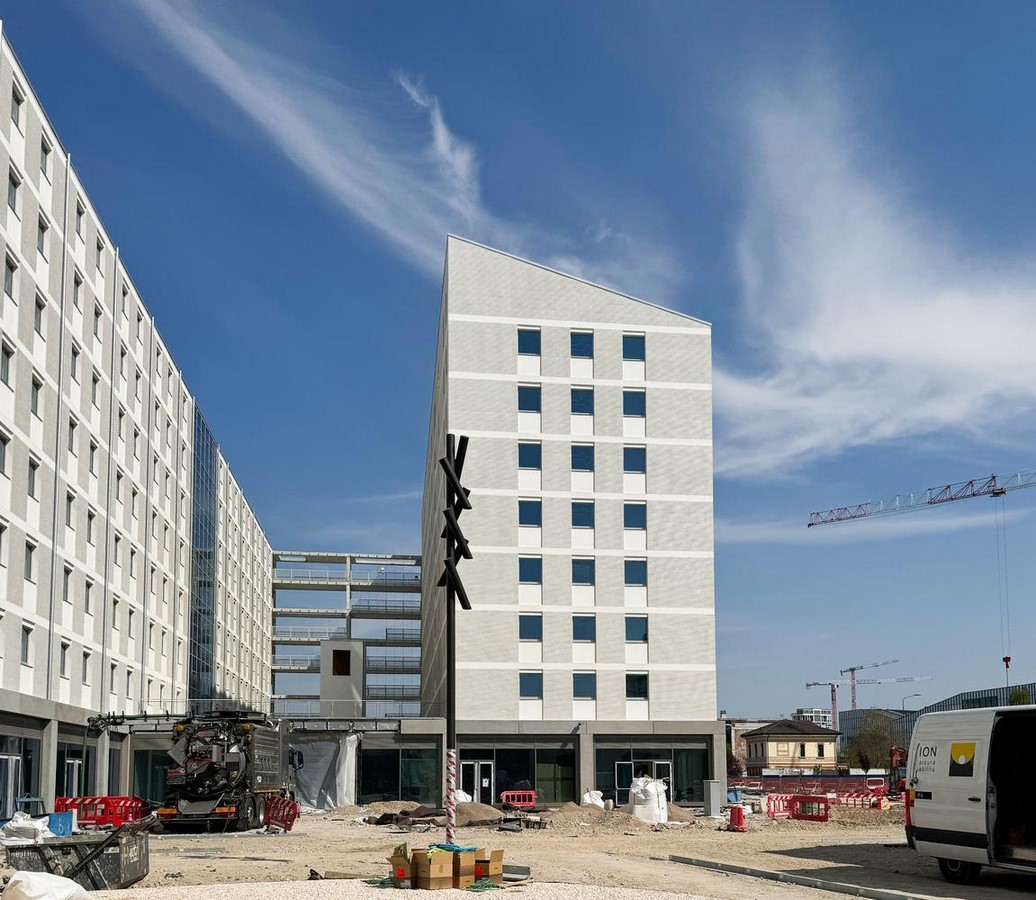
During the Games, six new residential blocks and two restored historic structures will host athletes and staff. After the closing ceremony, these same buildings will be adapted into student housing with around 1,700 beds, as well as affordable apartments. This shift from temporary use to permanent housing reflects Milan’s broader effort to utilize Olympic infrastructure as a tool for city-building rather than a short-term spectacle.
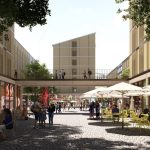
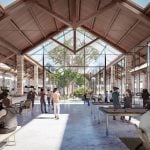
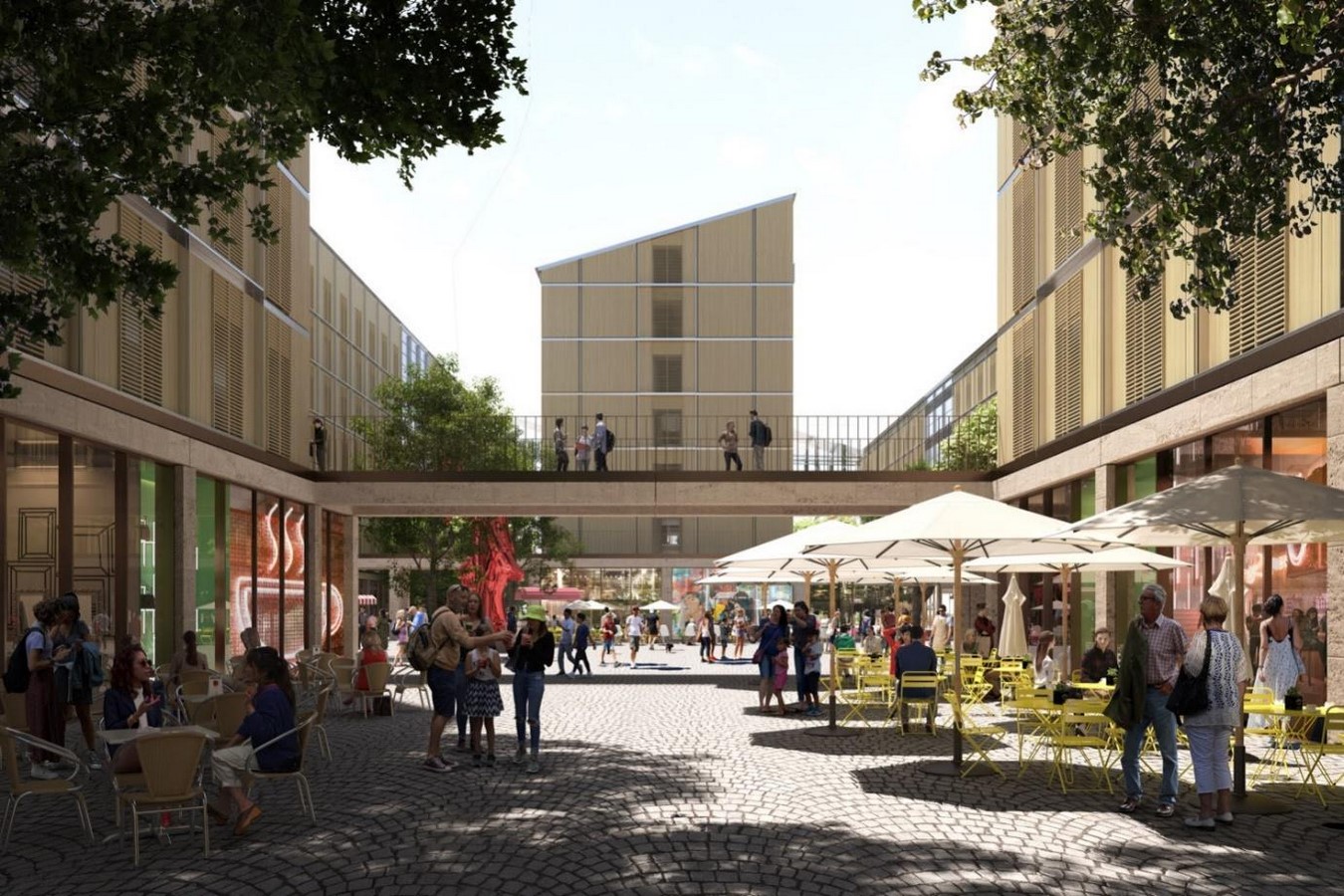
At the site’s centre is the Olympic Village Plaza, a public space with hospitality venues, shops, outdoor markets, and room for community events. Designed for daily use, the plaza will remain a core part of the new district after 2026.
A Contemporary & Contextual Design
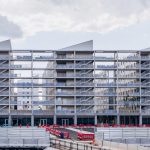
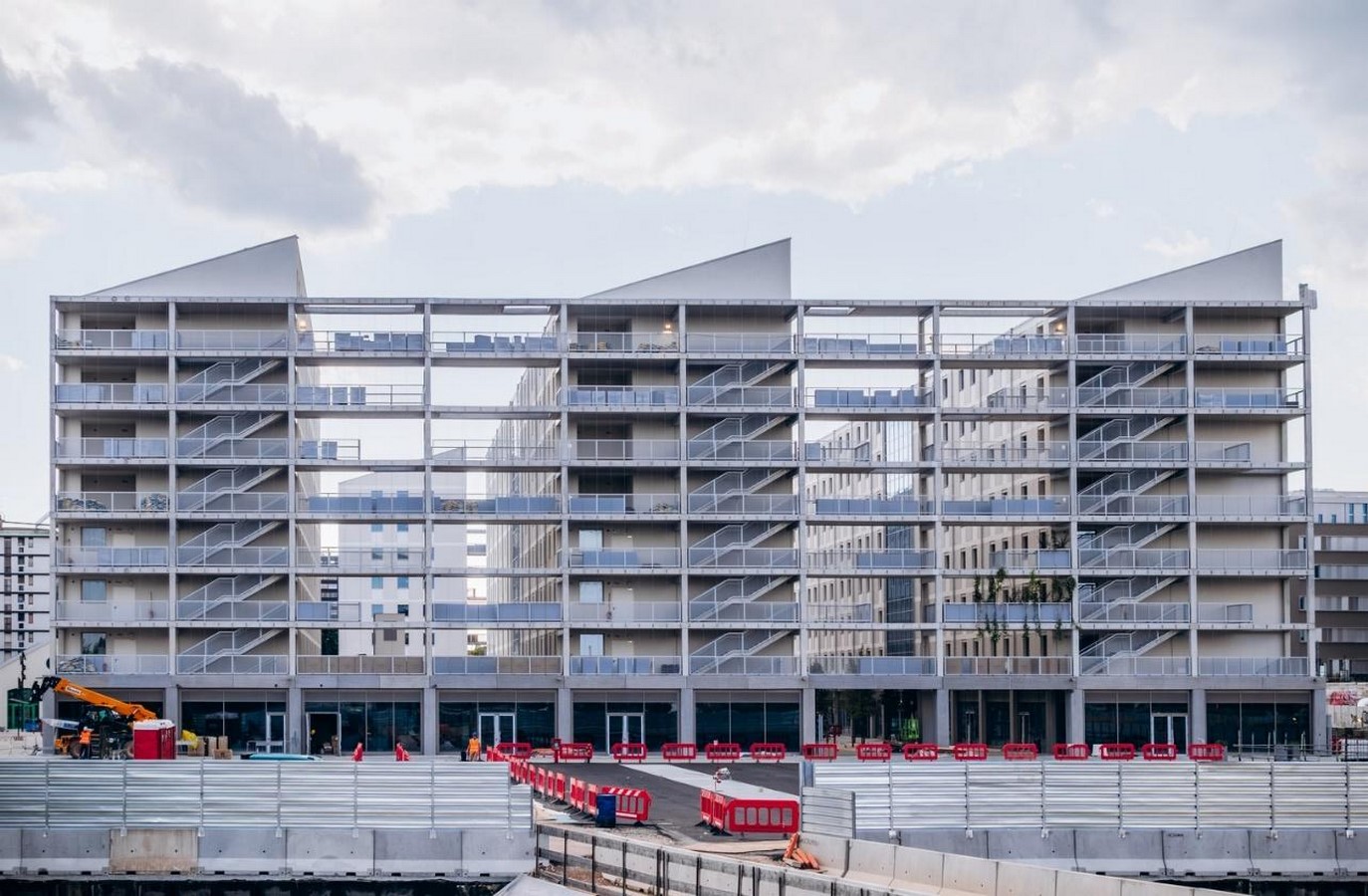
SOM drew inspiration from Milan’s architecture, characterized by restrained façades, robust materials, and a rhythmic urban environment that respects the surrounding streetscape. At street level, ground-floor spaces are deliberately flexible, allowing for extended uses over time.
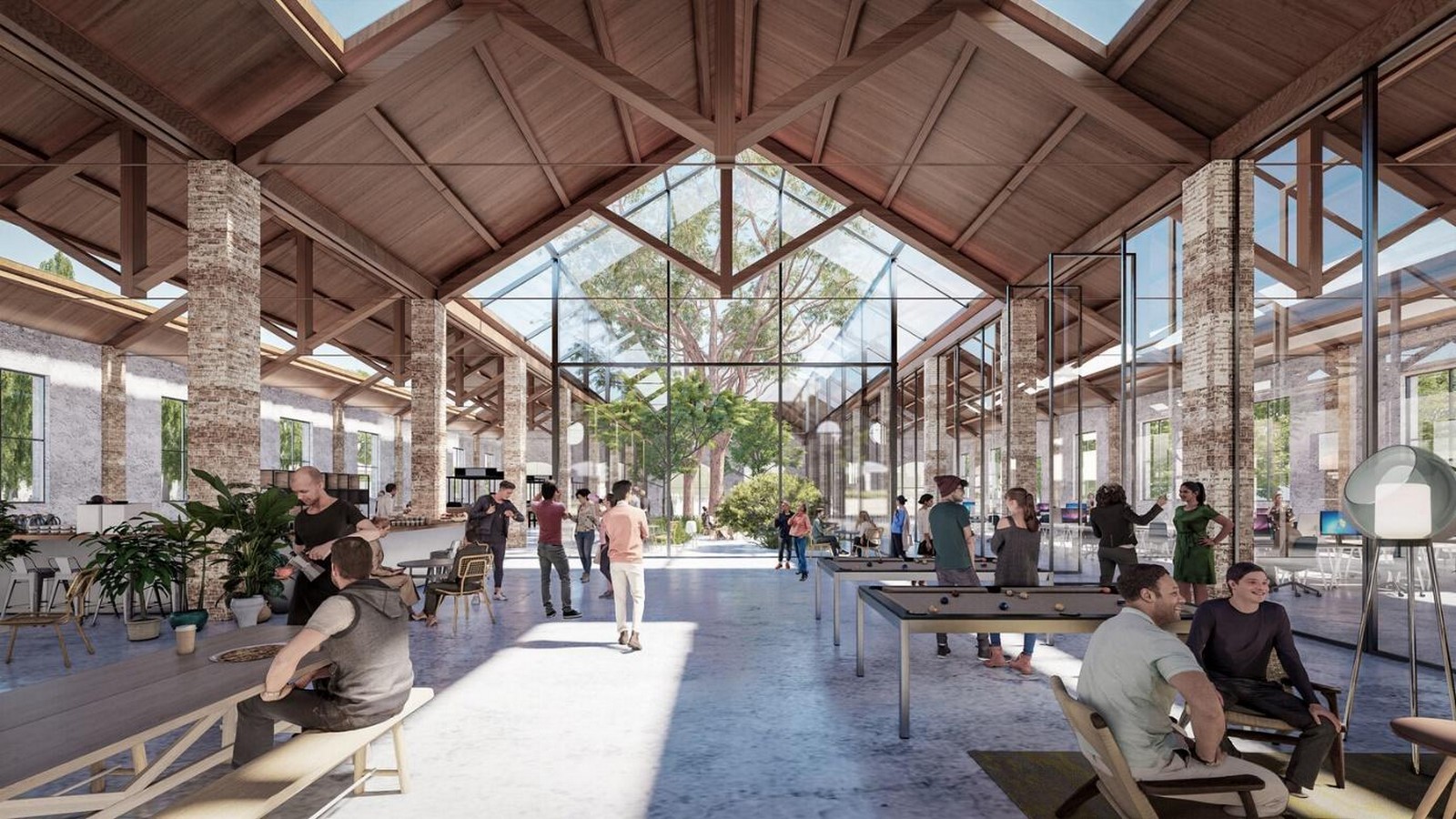
The design also introduces communal terraces lined with vertical greenery. These act as social hubs where residents can gather, study, or simply enjoy the open air within the city. Landscaped courtyards and green corridors run through the site, providing shade, biodiversity, and natural cooling.
Building Sustainably
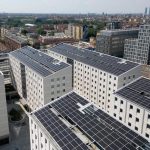
The Olympic Village is designed to meet Nearly Zero Energy Building (NZEB) standards. Many of the residential blocks are built with timber, while façades rely on low-carbon materials. Sustainability measures include rooftop gardens, solar panels, storm-water management, and passive cooling systems. Once complete, more than 30% of the site’s energy will be generated on-site.
By integrating such strategies, the development sets a precedent for future Olympic projects, demonstrating how large-scale sporting infrastructure can also advance environmental goals—SDG 7 & 11.
Bridging Past and Present
The master plan preserves elements of the site’s industrial past. Historic buildings along Via Giovanni Lorenzini are being restored (exposed masonry, wood, and iron) and then woven into the new complex. This careful layering of heritage and modernity ensures that the Olympic Village not only functions well but also tells the story of Milan’s urban evolution.
A New Model for Olympic Cities
The 2026 Winter Olympics (6–22 February) will simply be the first Games hosted across multiple Italian regions, including Lombardy, Veneto, Trento, and Bolzano. Milan’s village stands out because it avoids the common pitfall of “white elephant” Olympic sites. Instead, it sets out from the start to serve the city’s long-term needs: housing students, supporting community life, and expanding green, climate-resilient infrastructure.
By designing with both the Games and the decades beyond in mind, SOM has produced more than just a sports facility. The Olympic Village promises to be a blueprint for how global events can leave behind a positive, lasting legacy for their host cities.
References:
ArchDaily (2025) SOM’s Olympic Village for Milano-Cortina 2026 combines athlete housing with long-term urban use. 9 September.
Available at: https://www.archdaily.com/1033956/soms-olympic-village-for-milano-cortina-2026-combines-athlete-housing-with-long-term-urban-use (Accessed: 16 September 2025).