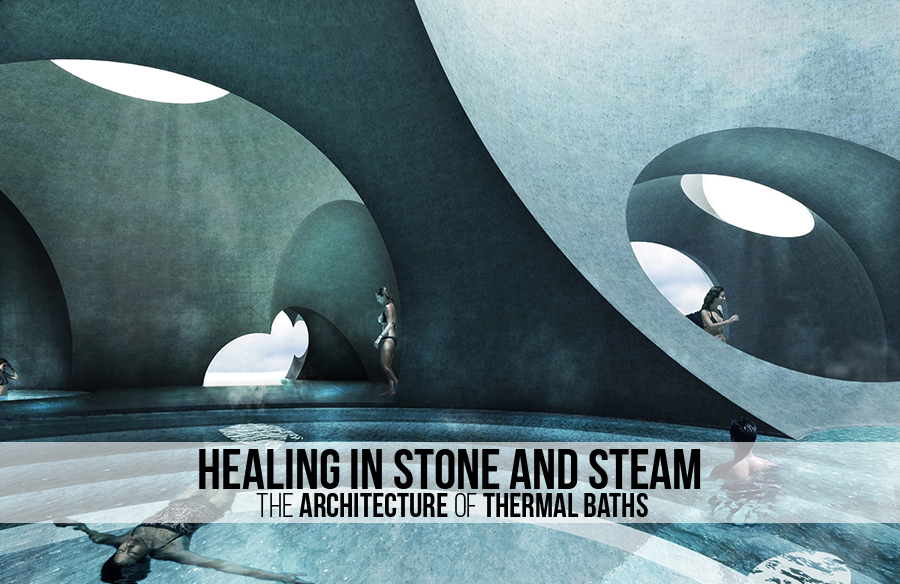
Water has long been recognized as a vital force for renewal, essential to both nature and culture. Civilizations for centuries have integrated this life-giving resource into their architectural designs, from serene garden pools to magnificent fountains, deep wells, and grand baths. These water features have consistently symbolized order, beauty, and vitality.
Around the globe, unique traditions of bathing architecture have emerged in areas where geology provides hot, mineral-rich waters. In India, for instance, the sacred thermal springs of Rajgir, Bihar, have served for millennia as centers for healing and spiritual practices, deeply embedded in Buddhist and Jain traditions and sustained through temple-like enclosures. Similarly, in Hungary, a distinct landscape within the tectonically active Pannonian Basin has given rise to its renowned thermal baths. Both India and Hungary exemplify how nature’s underground energy has been harnessed to establish enduring cultural institutions where wellness, architecture, and community seamlessly converge.
A Journey Through Time
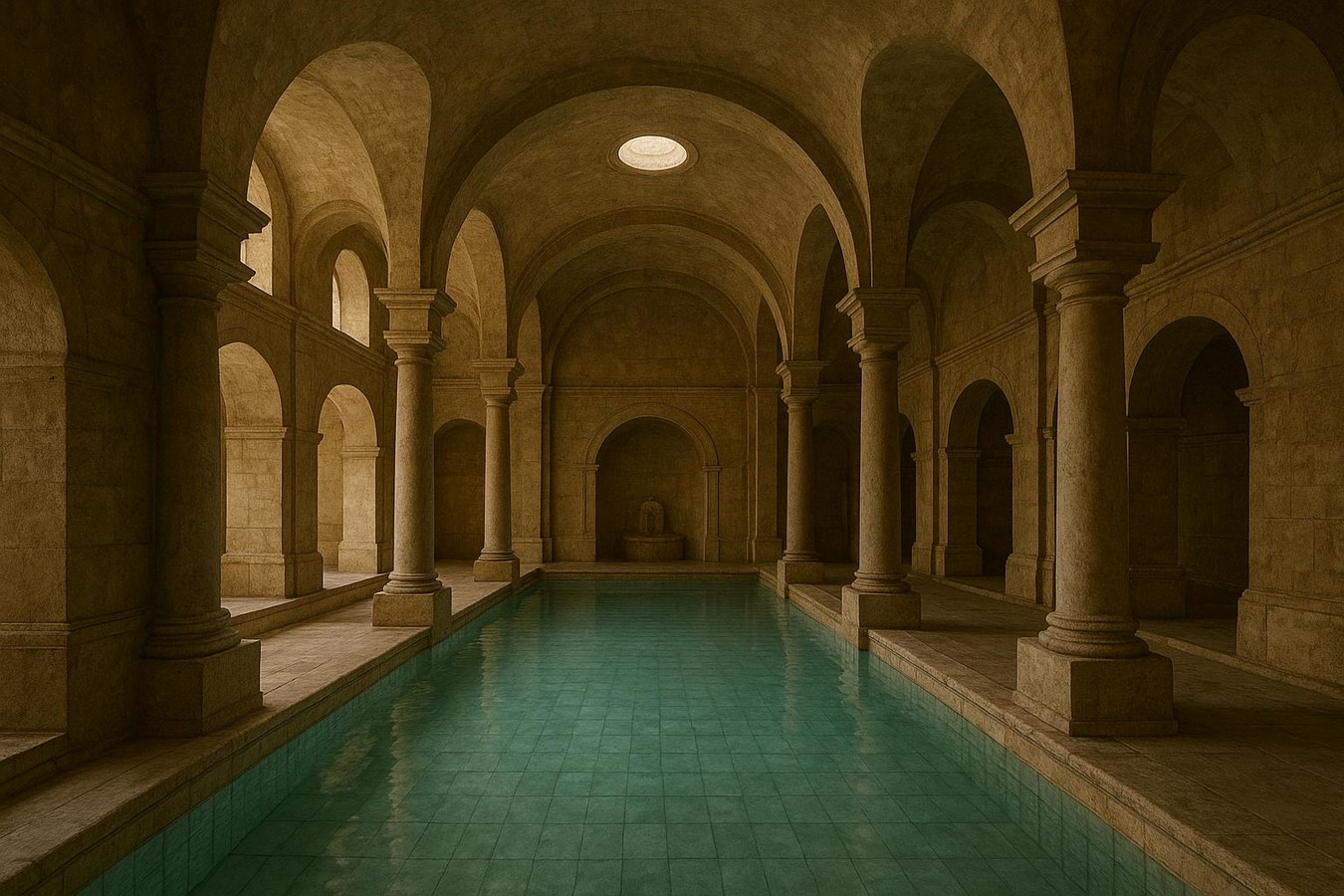
Hungarian thermal baths have a fascinating architectural history, showcasing how a single concept, bath, can evolve across different cultures. The Romans were the trailblazers, bringing aqueducts and grand stone pools that promoted communal bathing. Later, the Ottomans introduced the hammam, designing octagonal pools set beneath stunning domes with star-shaped openings. Fast forward to the Habsburg era and the early 20th century, and you’ll see bathing being transformed into an extravagant experience, embodied by Neo-Baroque and Art Nouveau “palaces of water” that feature intricate façades and ceremonial spaces.
In Rajgir, Bihar, the hot springs may appear at first glance as a cluster of what seem like simple basins, but are in fact, a sophisticated architectural system. Four natural springs have been historically channelized into sixteen kunds, each enclosed in stone embankments and temple courtyards. This intervention was both decorative and strategic: by distributing water via multiple outlets, the custodians ensured the conservation of the spring mouths, prevented overcrowding during festivals, and created symbolic diversity through the naming. Kunds such as Vishwamitra, Vashishtha, Surajkund, and Chandrama Kund map mythology into physical space, making architecture a vessel for cultural memory.
Just as Hungarian baths adapted domes and aqueducts, Rajgir adapted its own forms – channelisation, cave-like conduits, and the sequencing of kunds became a parallel innovation in shaping space through water.
Highlighting Notable Baths
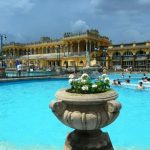
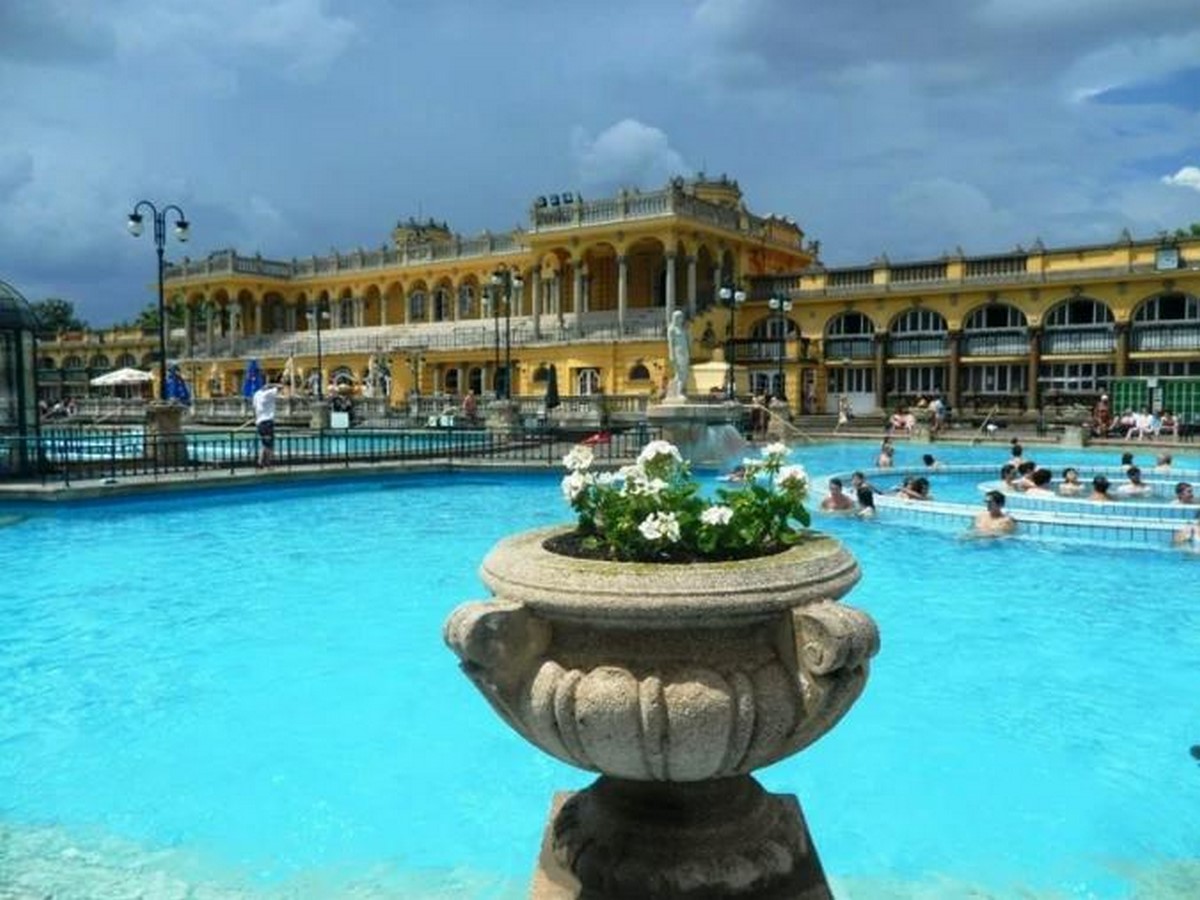
Hungary offers some of Europe’s most celebrated examples. The Széchenyi Thermal Bath, is a Neo-Baroque complex that is a vast urban oasis, combining elegant courtyards and pools with impressive engineering. Its artesian well technology distributes hot water across varied pools, making engineering part of a public spectacle. The way this historic structure has managed to stay relevant, with modern adaptations like the fun “SPArty” events, shows how traditional settings can evolve to serve contemporary needs.
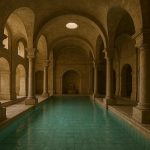
Then there’s the Gellért Bath, representing the pinnacle of Hungarian Art Nouveau. Here, the interplay of tectonics, surface materials, and light creates a breathtaking atmosphere. The integration of Zsolnay ceramics, stained glass, and vaulted ceilings creates a sensorial environment where structure and aesthetics intertwine. The wave pool, still operating with original machinery from 1927, is a testament to the innovative spirit that defined this era.
The Rudas Bath, a 16th-century hammam, offers a peek into Ottoman architectural history. Its octagonal pool under a grand dome retains a powerful presence, while the addition of a rooftop pool reflects an elegant blend of historical charm with modern enhancements. Conversely, the Veli Bej Bath provides a more intimate experience, highlighting how spaciousness and light can foster tranquillity in smaller settings.
In India, Rajgir’s Brahmakund is equally central to its landscape. Believed to contain “all the waters of the earth” during the sacred month of Malemas, it becomes the epicentre of mass ritual bathing. To manage such surges, custodians devised a system of secondary kunds, manually regulating water flow each morning, an act that turns maintenance into architecture, a choreography of water and crowd control.
Nature Meets Architecture
Hungary’s thermal heritage extends into landscapes: Lake Hévíz, an ecological treasure framed by wooden pavilions; Egerszalók, with travertine “salt hills” that balance preservation and tourism; and the Miskolctapolca Cave Bath, where caverns transform water, light, and sound into immersive space.
Rajgir’s baths engage with nature and the surrounding landscape. Fed by sulphur-rich, radioactive springs, the kunds are framed by hills and temple structures. Yet contemporary pressures weigh heavily: some natural springs have dried due to construction and groundwater decline, and frequent visitor complaints highlight overcrowding and poor upkeep. Unlike Hungary’s commercial reinventions, rooftop pools and “SPArty” events, Rajgir’s challenge lies in conservation and sanitation, in sustaining communal bath practices while accommodating modern expectations. Despite these challenges, Rajgir remains active: during Malemas festivals, thousands still gather, sustaining the spatial relevance of its kund system in living practice.
The Experience of Bathing
At their core, both Hungarian and Rajgir traditions choreograph bodily movement through thermal environments. In Hungary, it unfolds as a sequence of domed halls, hot caldaria, tepid pools, and cold plunges, enhanced by materials and light.
In Rajgir, the sequence is mapped into a plan that goes with the flow. The four natural springs at the foothills of Vaibhara and Vipula were deliberately channelized into sixteen kunds, arranged within temple courtyards and stone embankments. Each kund is set apart, yet linked by conduits and pathways that allow water to circulate. The placement of pools embodies both function and symbolism: larger kunds such as Brahmakund serve mass ritual bathing, while smaller ones named after sages and rivers create a cosmological micro-landscape within the site.
This planning ensures that bathing unfolds as a designed progression: from entry through temple gateways, to immersion in the main kund, and onward to subsidiary pools that distribute crowds and extend the flow of the journey. The presence of vaulted chambers and cave-like passages further regulates the hydraulic flow, integrating geology and built form into a coherent system. In this sense, Rajgir is an early example of crowd management, water conservation, and sacred spatial design working together.
Both approaches provide the overall experience that rejuvenates both body and spirit. Transform bathing into something beyond hygiene, an act of renewal that is physical, social, and spiritual.
Architecture as an Instrument of Healing
Hungary and Rajgir’s thermal baths impart significant insights for architects and planners seeking to harmonise design with water. They exemplify how thermal infrastructure can serve as a vital part of urban life, shaping not just the physical landscape but the identity of communities. Rajgir, in particular, demonstrates how geological gifts are embedded in cultural and ritual rhythms that have lasted over two millennia.
In essence, whether in the Baroque courtyards of Budapest or the sacred stone basins of Bihar, thermal baths remind us of the enduring relationship between water, architecture, and the human experience. They are living narratives of cultural heritage, engineering, and well-being.