
It is not every day that we come across movies that not just keep you etched in seats but everything about the movie just fascinates you beyond inference. Selvaraghavan’s Aayirathil Oruvan (2010) is one such kind of movie that is not just remembered for its sheer bold attempts of storytelling, but beneath its fantasy-adventure surface lies an undeniable architectural imagination. The film does not simply depict the Chola dynasty as rulers of a lost empire; it reimagines them as an architectural civilisation, whose rich legacy survives in ruins, spaces, and art.
Rather than celebrating kings and conquests, this movie is a layered journey through built landscapes in which each element weaves a story of its own.
Tribal Settlements and the Stone Hedge
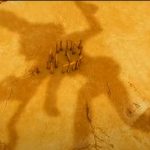
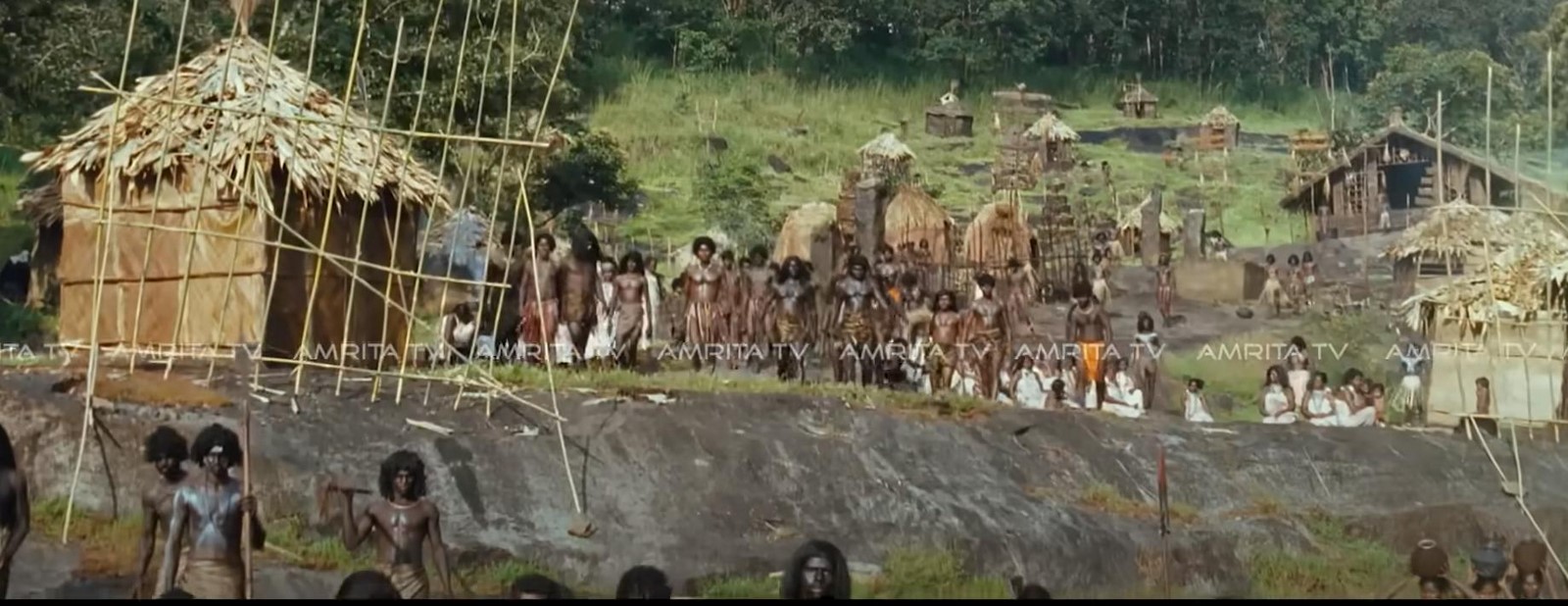
Like any audience, while the movie is said to be about long lost dynasties, we would expect to come across a materialistic clue, an artifact, or a ruin, but that’s where the film has started its journey to be unique. The first contact with Chola heritage comes through a tribal settlement that acts as a buffer zone. It is said and observed in history that the tribes or patrons always appear to be in the outer rear of the royalty, acting as a buffer or protective zone. Even the hierarchical settlement is observed in the older town planning of Srirangam. Their huts are shown as smaller entities made of thatch, mud, and bamboo with striking authenticity.
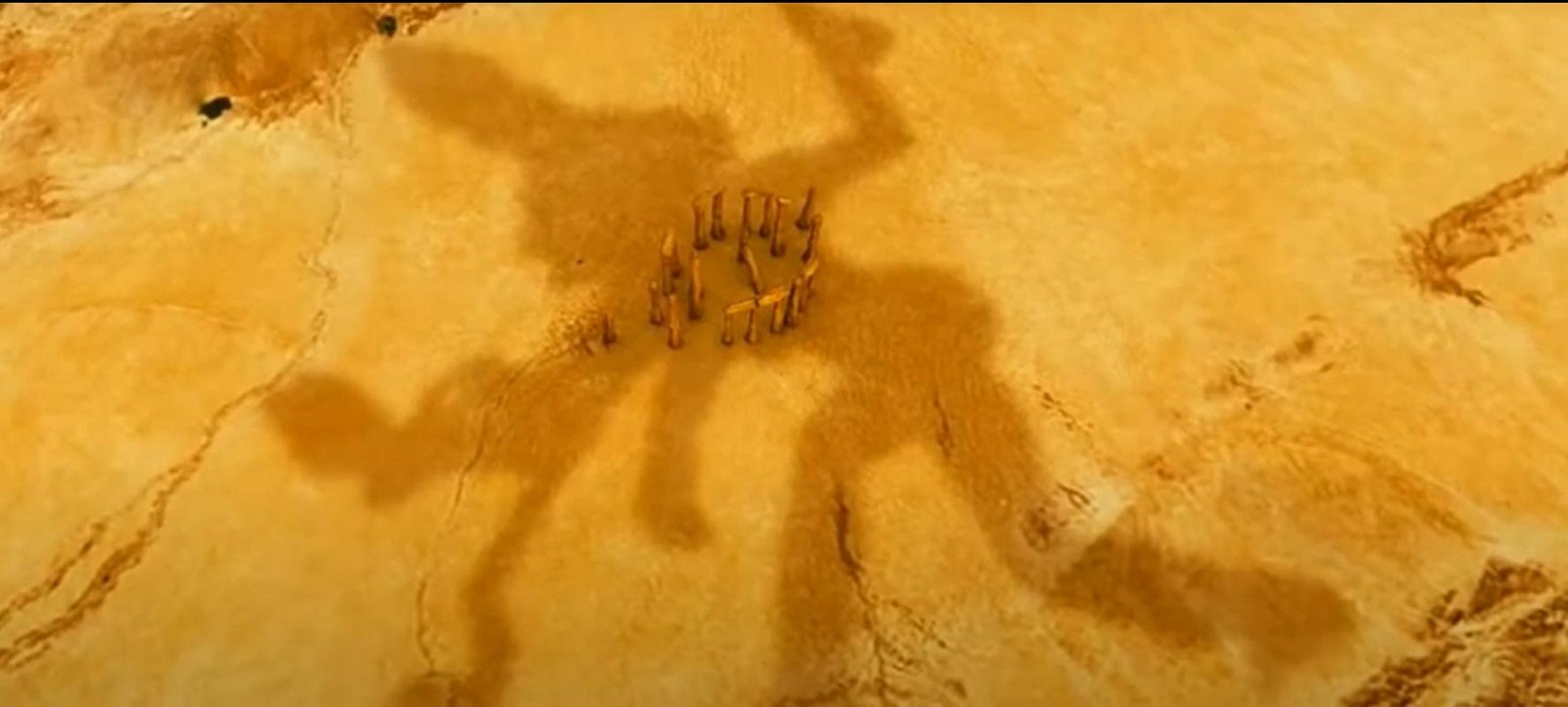
The most fascinating detail is the stone-hedge alignment that casts the shadow of Nataraja at a particular time of day. This resonates with the Cholas’ mastery over the art of psychometry, cosmic alignment to execute such precise construction. For example, in the Brihadeeswarar Temple in Thanjavur, despite the tower measuring 66m in height, it never casts a shadow due to its alignment according to the astronomical position. This very trait of the Cholas is executed with storytelling architecturally.
Ruined Skyline and Domestic Architecture
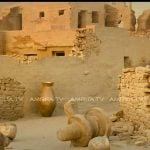
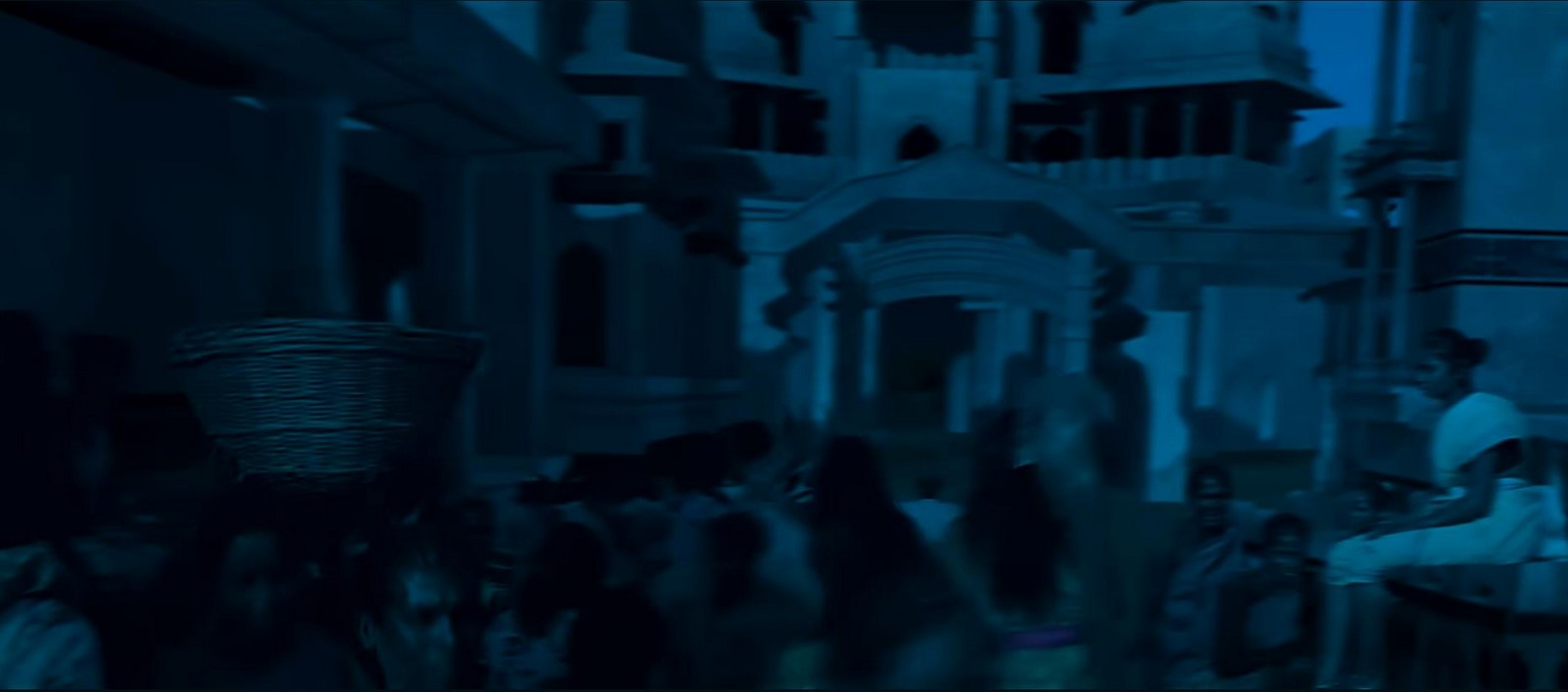
As we progress deeper into the film, the curiosity towards the architectural interpretation grows along with fascination towards the storyline. The Backdrop of the film becomes a hero where the ruins of the city are shown in the skyline. High towered temples, domestic settlements, broad pillars where a lamp is lit with ornamentation give us wings of imagination and a window to the past on how the lifestyle of such a massive dynasty could’ve been.
- Houses with thinnai (raised platforms)
- The thinnai before the house entrance acted as a liminal zone of social interaction and hospitality. The streets were also a part of entertainment, where Therukoothu or street plays are mostly conducted.
- Open courtyards
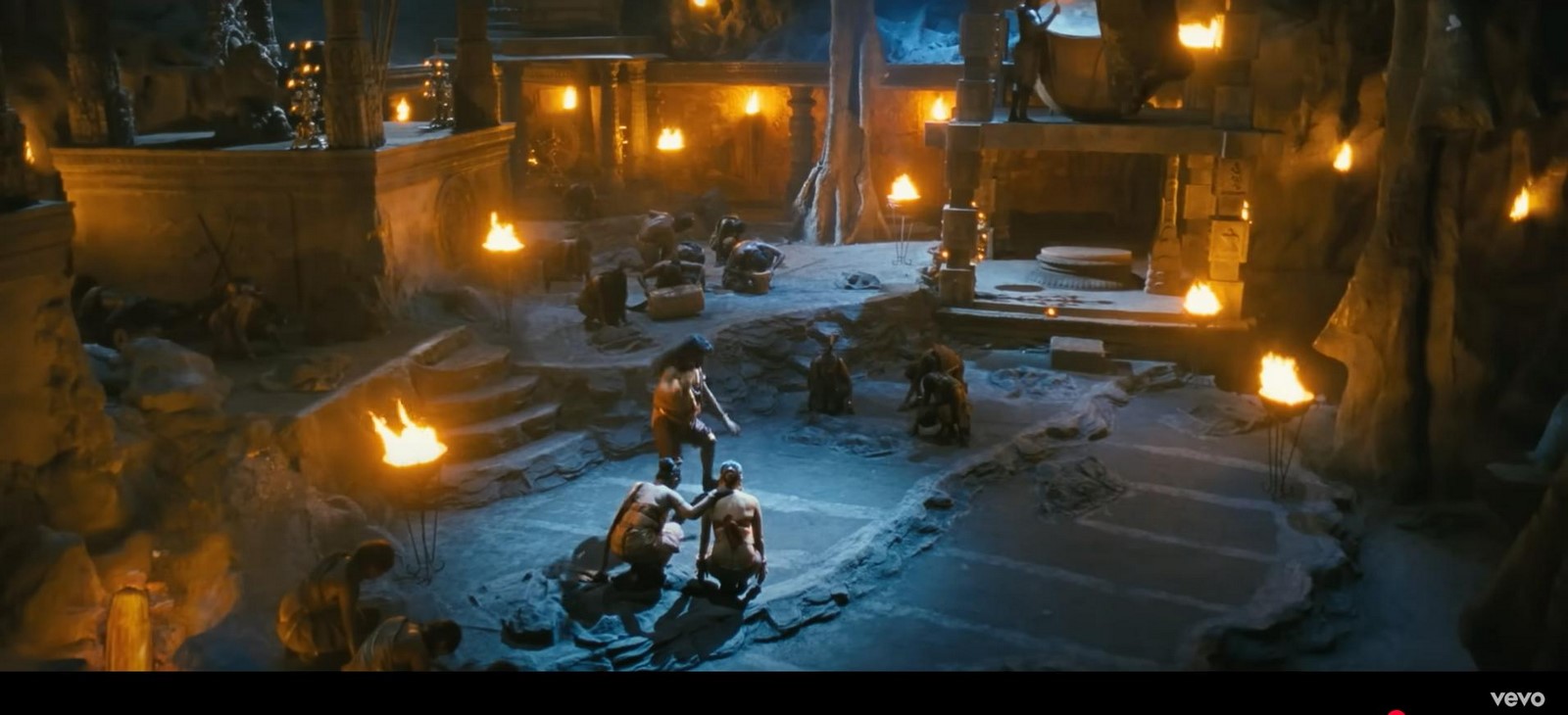
organised ventilation, ritual, and community gatherings were integrated with the palace as the dynasty is in decline. The courtyards also act as a place of announcement and festivals. These details are also observed in the old temple complex of Gangai Konda Cholapuram, where larger courtyards are integrated inside temples.
- Brickwork with lime mortar,
- The sleek terracotta bricks and use of lime mortar over it is a traditional Chola-style residential architecture, which is captured in the movie.
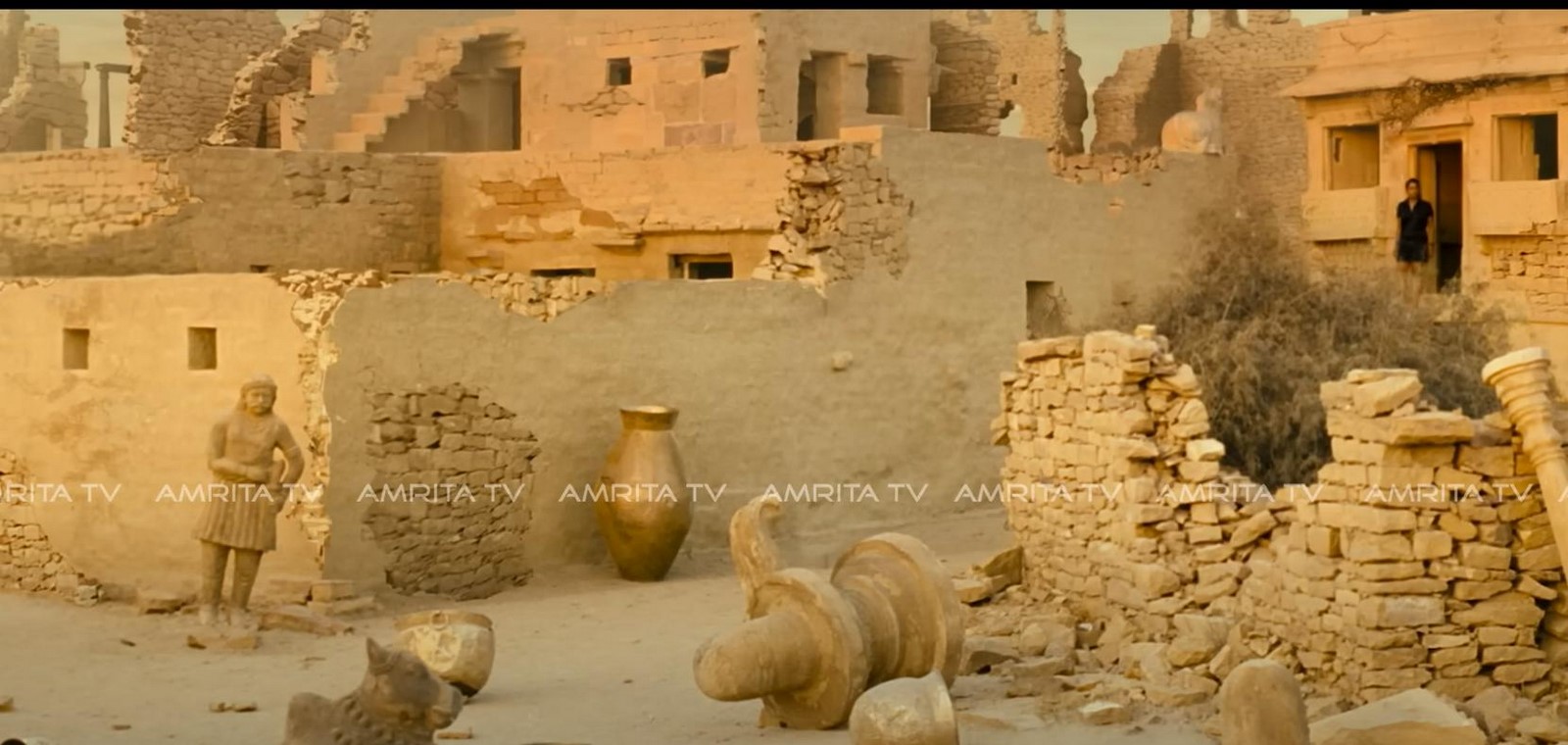
These elements showcase the textures of everyday architecture. Archaeological remains from Uraiyur and Gangaikondacholapuram had revealed brick floors, terracotta fragments, and lime-plastered walls, echoing what the film depicts.
Bronze and Gold: Chola Artistry in Ruin
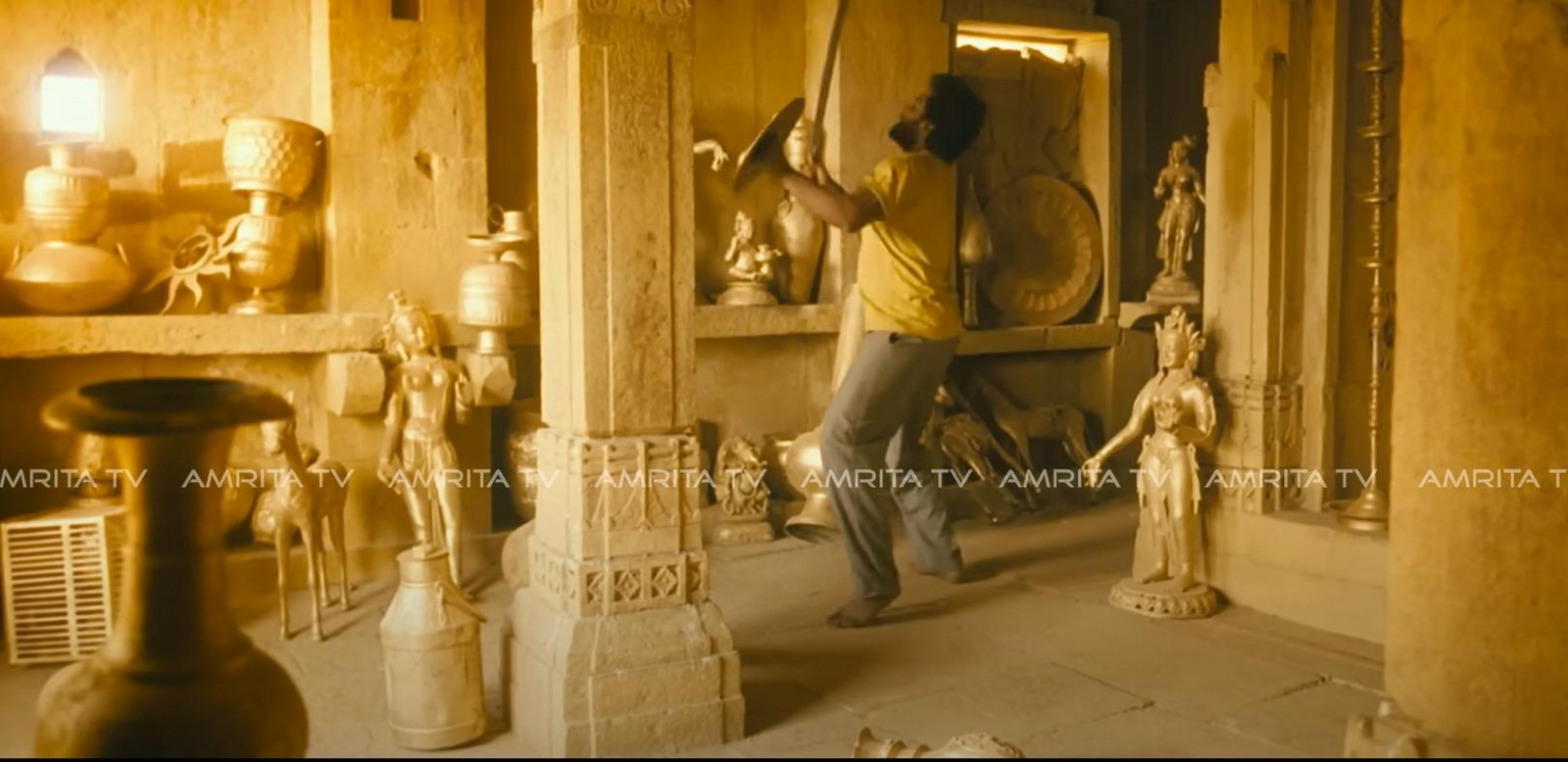
Among the ruins of buildings, the film also shows scattered bronzes, gold utensils, and ornaments, paying homage to the Cholas’ celebrated craftsmanship.
The Cholas were unmatched metallurgists, pioneering the lost-wax (cire perdue) technique to produce bronze statues of Nataraja, Parvati, and Vishnu that today reside in museums worldwide, celebrating the rich artistry.
Gold has also played a crucial role in Chola culture, from ritual utensils to treasury wealth. Inscriptions from Brihadeeswarar mention the storage of immense quantities of gold and jewels for temple rituals, which is depicted in the film by scattering gold objects in ruin. This gives a haunting impact of how the most valuable metals can end up as piles of trash when power is lost.
Lighting as Architectural Language
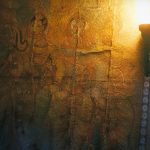
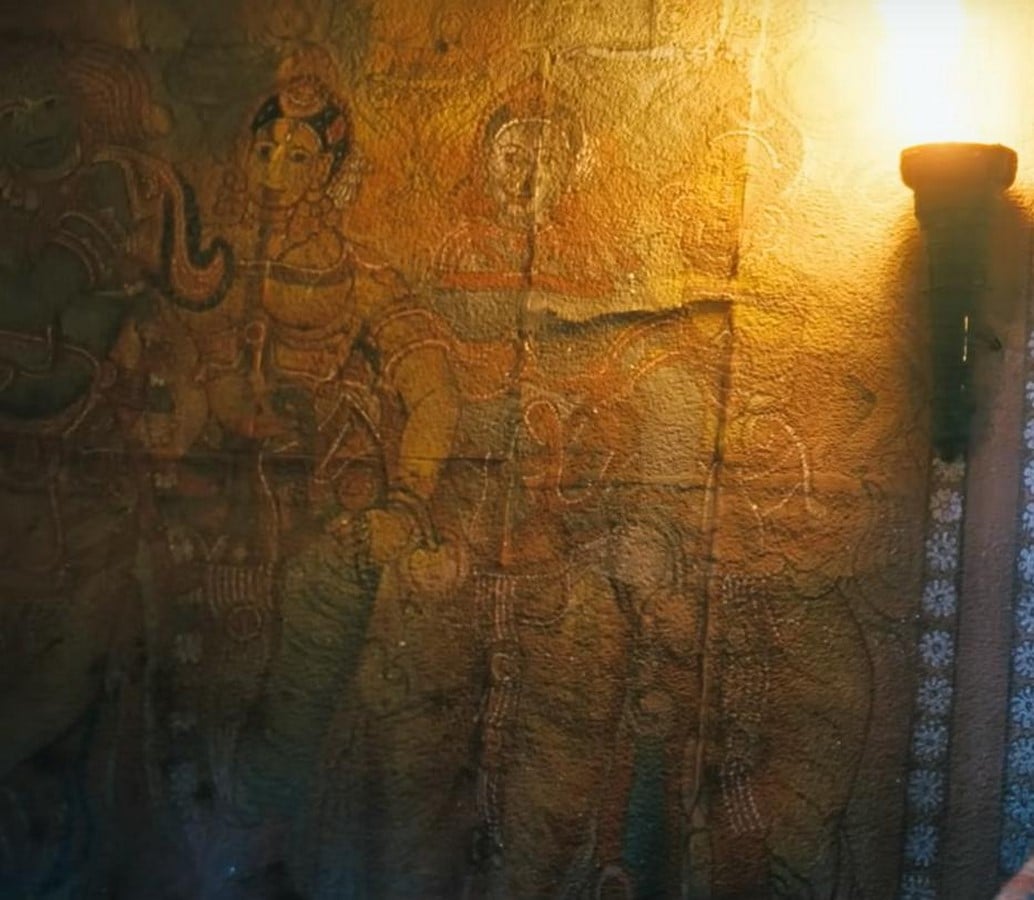
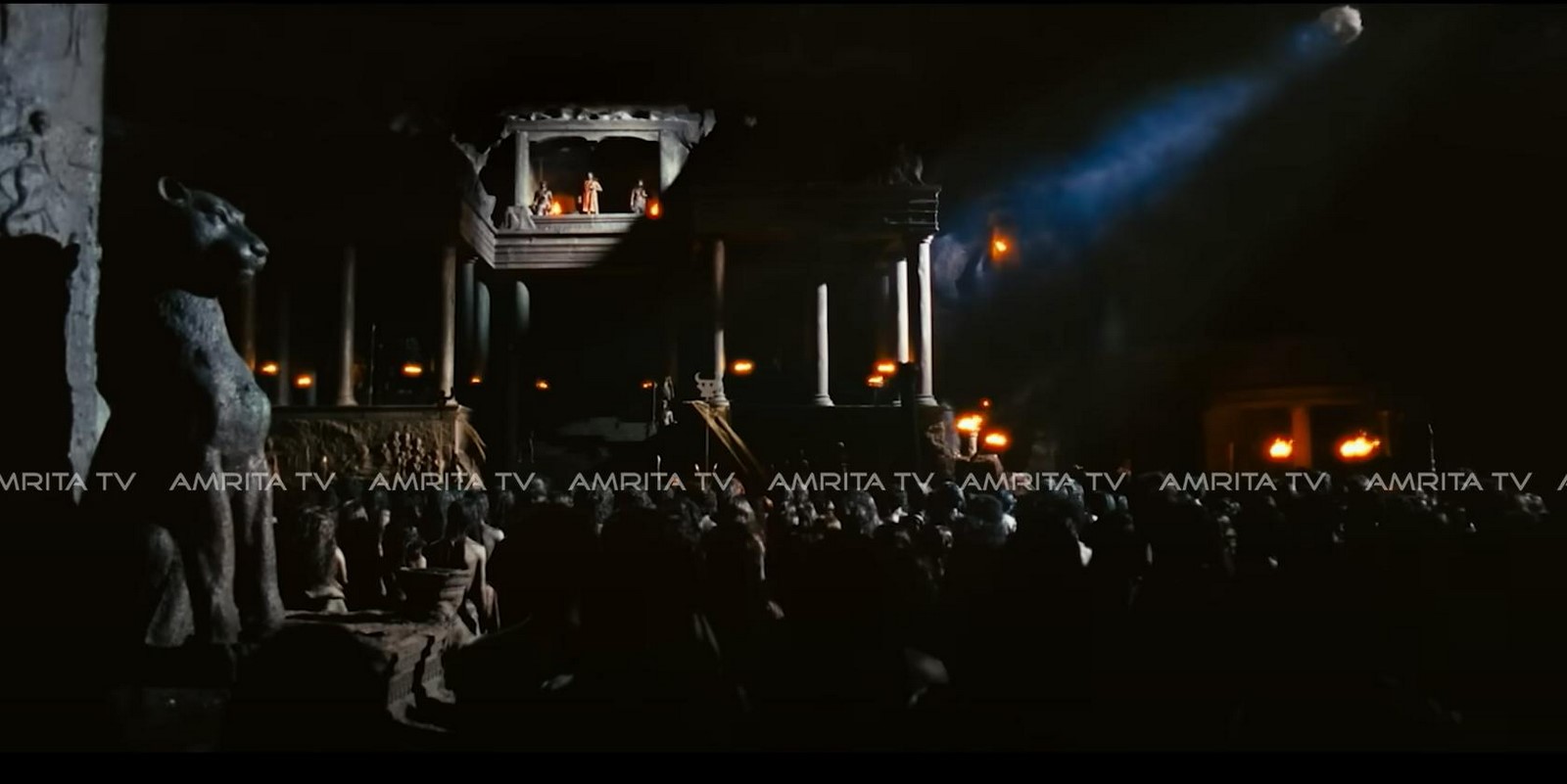
The film extends the architectural imagination through its lighting palette. Surfaces which were associated with artistry — bronzes, murals in the wall , and ritual utensils — glow with warm golden hues, recalling how glorifying their past was while in stark contrast the courtroom, the dance platform, watch tower , gathering space are all either dim lit or blue lit to showcase the decline and pathetic condition of the patronage.
This duality turns lighting into an architectural language: golden zones embody memory and artistry, while blue-shadowed zones embody despair and survival. The clan that strategised psychometry is portrayed via the same technique.
The Cave Palace and Darbar
At the core lies a vision of the palatial darbar carved into rock. Unlike fabric-rich Mughal or European palaces, this space is stark yet ornamented:
- Watchtowers guarded the approach to its places near the entrance before the courtroom for security and announcements.
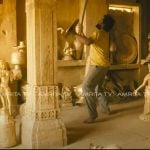
- Pillared halls carry carvings of Shiva, dancers, and even cheetahs, recalling the Cholas’ overseas connections and symbolic use of exotic motifs.
- Murals resonated with the bold lines and mythic themes of the Tanjore painting style with natural dye.
- Richly carved columns stand with an absence of textiles or comfort, and grandeur stripped of warmth and royalty.
- The Natrajar statue present near the throne on a level higher represents the undefying love for devotion the Cholas had. Even in Pazhayaarai, the settlement of the palace was always in close proximity to the temple.
- Highly ornamented viewing area of the queen just similar to that found in the ruins of the Tanjore fort
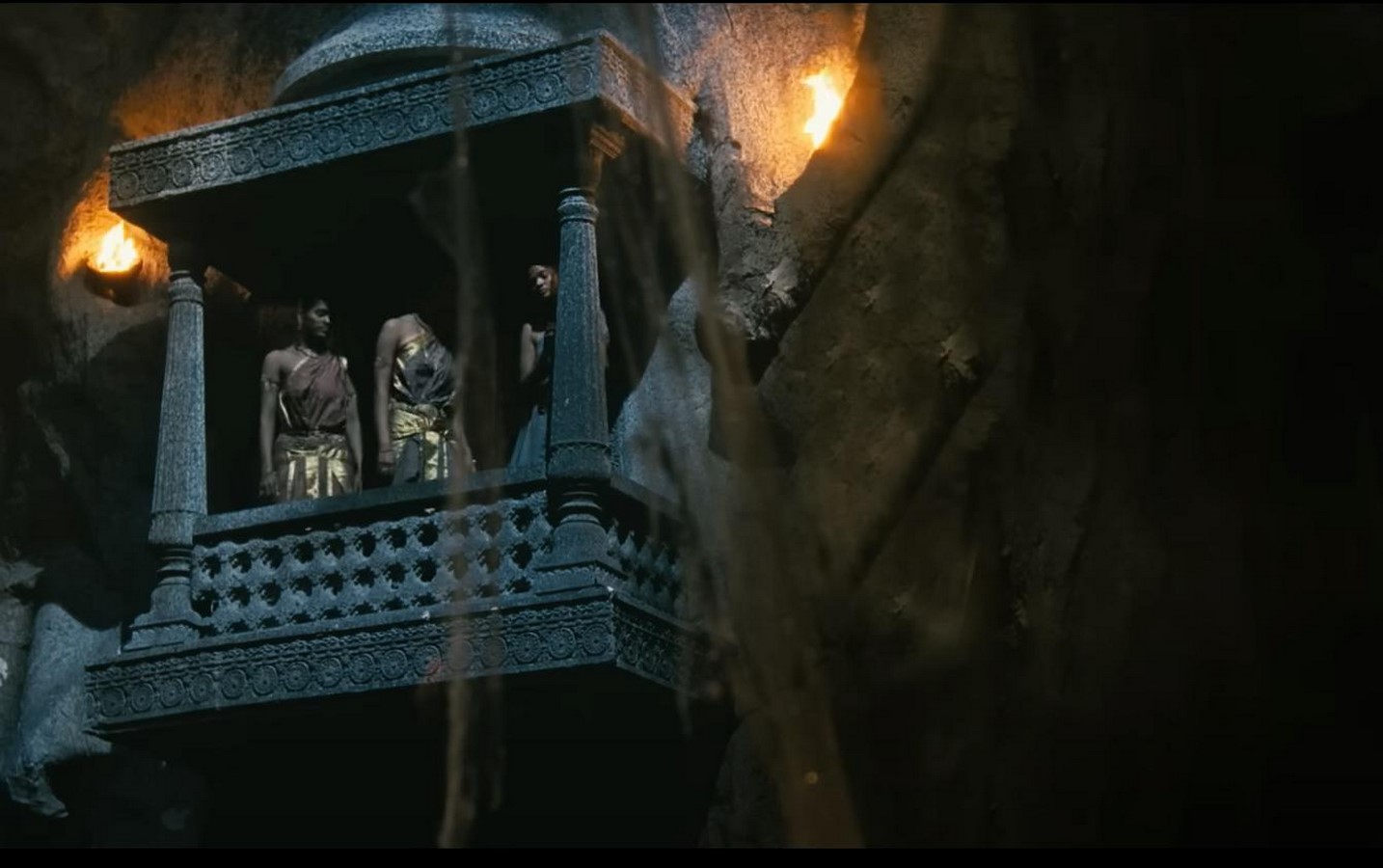
The darbar recalls how in Chola capitals, temple and court overlapped. Inscriptions record that royal ceremonies were always staged in temple mandapas, with deities presiding over political ritual. The film echoes this sacral-politico overlap, making the darbar both cosmic and administrative.
Cinematic Synthesis:-
Though the backdrop of the film has lived just as a character all along ,it also had some dramatic synthesis to accommodate the grandeur element.
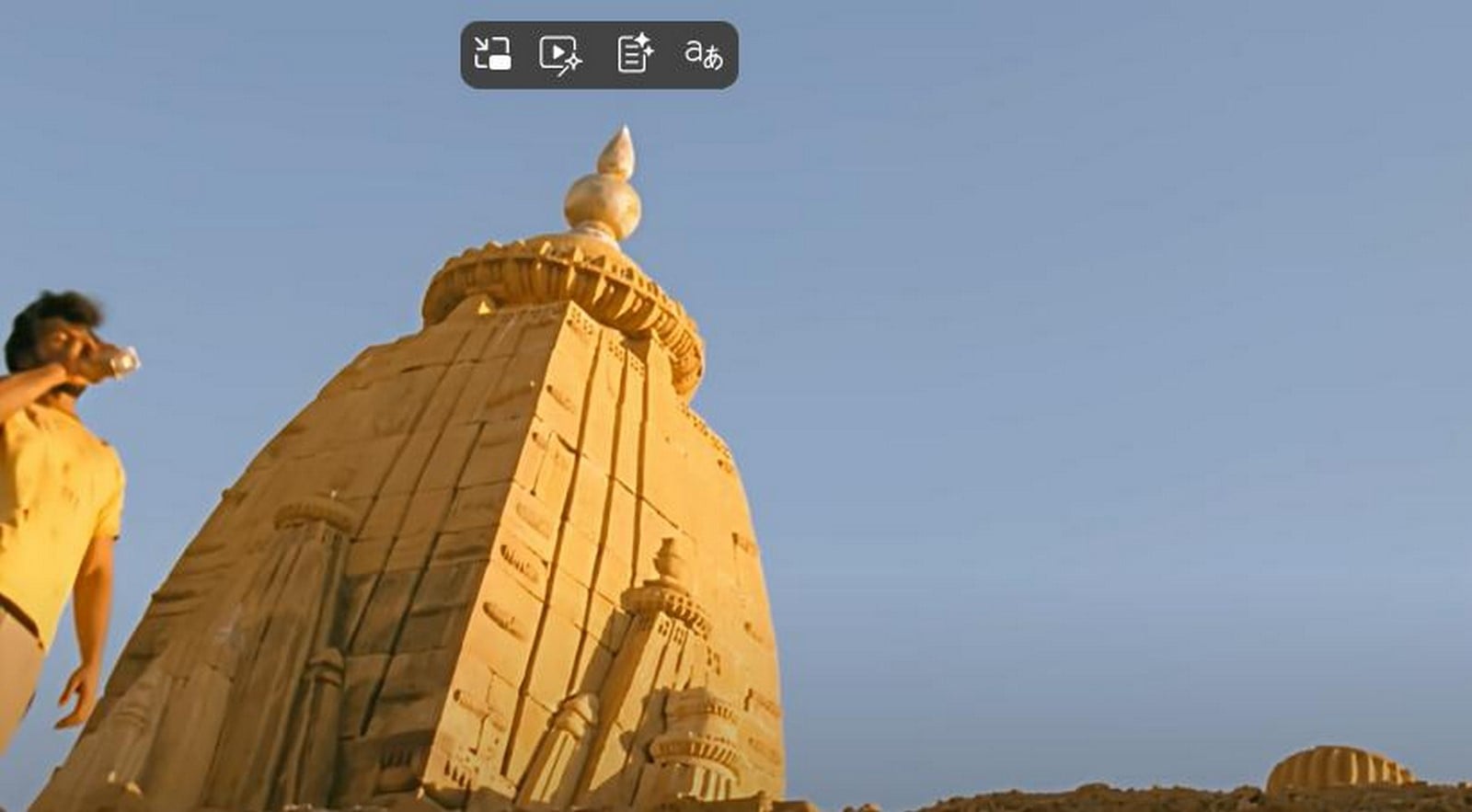
Nagara-style shikara in a Chola-style temple –
The south indian style always had a tapered rectangular vimana with a kalasa in it, while in the film, domes and curvilinear shikara, which are historically from the Northern part of India. The domes and the shikhara might have sneaked their way into the backdrop to provide the grandeur, which is historically and factually inaccurate.
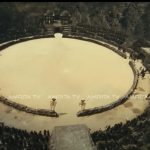
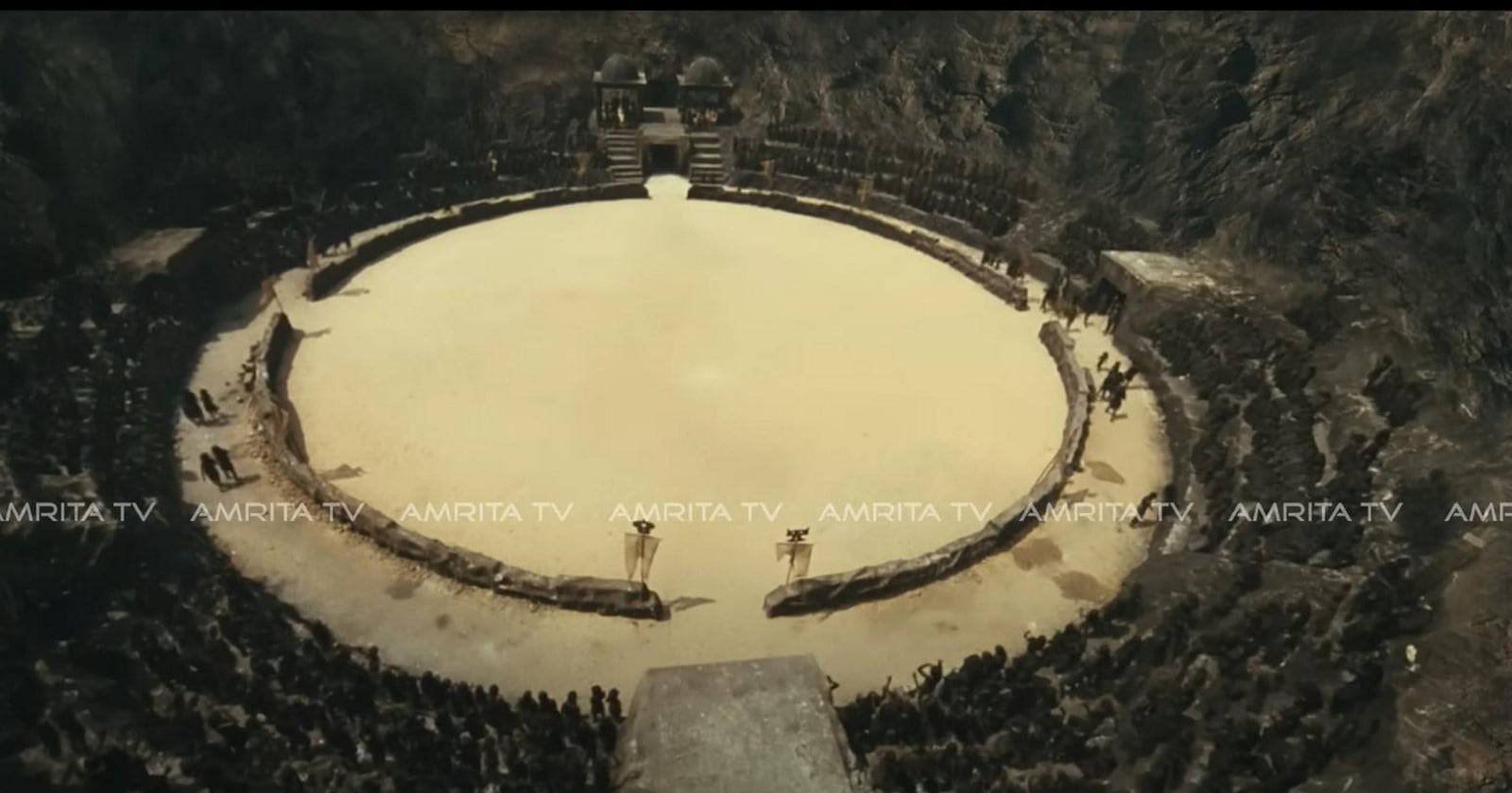
The circular amphitheatre which is used as a fighting arena or ring is completely fictional and cinematic synthesis of grandeur as in the Chola reign most of its Royal rituals and entertainments were carried out in temple mandapas or royal courtyards which have no trace or records of being circular. The amphitheatre in this movie has taken inspiration from Roman architecture.
Architecture as Memory
Aayirathil Oruvan is not just a fantasy thriller. It is an architectural documentation of survival, loss, and patronage. For architects and designers, the film offers a powerful lesson: civilisations live on through their art and spaces even after rulers fade and power is lost. Architecture here is not backdrop but protagonist — It is a vessel that preserves both grandeur and despair even through ruins. Aayirathil Oruvan thus becomes an architectural epic, urging us to look at ruins not just as endings, but as narratives still unfolding in stone, bronze, and shadow about the glory, power, and history which can’t be relived but recalled.
References:
Ancient Worlds Archive, “Central to their urban planning was the integration of temples as focal points…”, AncientWorldsArchive.com, 2024, para. [1] https://ancientworldsarchive.com/chola-urban-planning-and-infrastructure/.
ThePrint (PTI), “TN CM launches excavation initiatives… to ascertain… palace and capital town planning.”, ThePrint, 11 February 2022, para. [1] https://theprint.in/india/tn-cm-launches-excavation-to-unearth-town-planning-palace-design-of-cholas/828208/.
Archaeology Magazine, “He adds that the palace… likely built by King Rajendra Chola.”, Archaeology.org (Digs & Discoveries), January–February 2022, para. [1] https://archaeology.org/issues/january-february-2022/digs-discoveries/digs-india-chola-palace/.
Wikipedia, “Pazhayarai… was an ancient capital of the medieval Chola dynasty.”, Wikipedia, accessed 2025, para. [1] https://en.wikipedia.org/wiki/Pazhayarai
“Pazhayarai was once a capital city of the Cholas…”, TN Temples Project (Blog), 29 April 2017, para. [1] https://tntemplesproject.in/2017/04/29/someswarar-pazhayarai-thanjavur/
Britannica, “The temple was constructed under the patronage of the Chola emperor Rajaraja I between 1003 and 1010 CE… towering vimana (… more than 200 feet / 60 meters tall).”, Britannica.com, para. [1] https://www.britannica.com/place/Brihadishvara-temple