The Town Planner’s Path After B.Arch – Things Architects can do after B.Arch
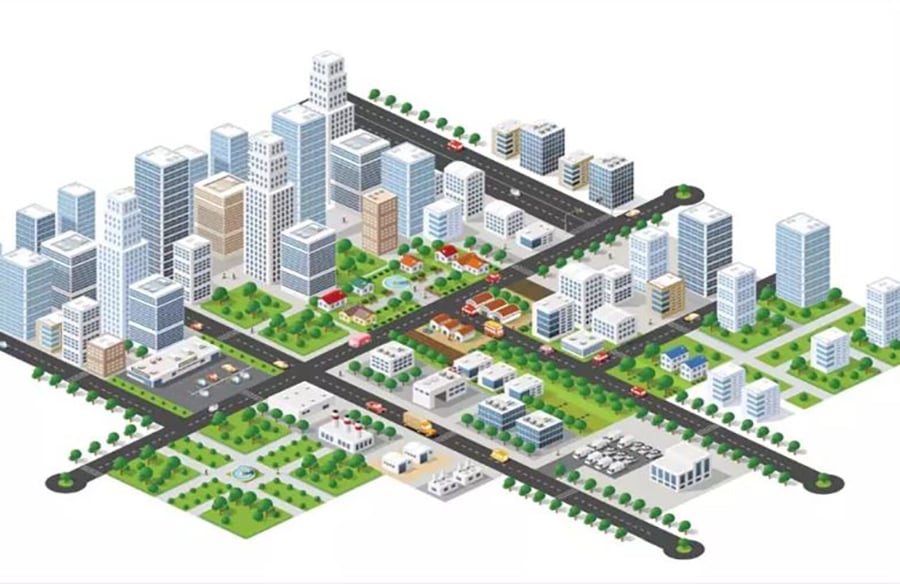
As architects venture beyond the realm of their Bachelor of Architecture (B.Arch) degree, the field of Town Planning beckons as a dynamic avenue for those seeking to shape the future of urban landscapes. This article comprehensively explores the diverse opportunities available to architects contemplating a career in Town Planning, shedding light on the educational, professional, and creative dimensions that define this impactful field.
1. Master of Planning (M.Plan): Charting the Educational Journey
For architects looking to specialize in Town Planning, pursuing a Master of Planning (M.Plan) becomes a pivotal step. This advanced degree delves into the intricacies of urban design, land use planning, and policy formulation, providing architects with the comprehensive knowledge needed to navigate the complexities of shaping and revitalizing urban spaces.
2. Urban Design Expertise: Shaping Aesthetically Pleasing Environments
Town Planners possess a unique skill set that encompasses urban design principles. Architects pursuing an M.Plan delve into the aesthetic aspects of town planning, understanding how to create visually appealing and functional urban environments. This expertise allows them to contribute to the development of cities that prioritize both form and function.
3. Sustainable Urban Development: A Core Focus
Sustainability is at the forefront of Town Planning. Architects specializing in this field focus on creating environmentally sustainable and resilient urban landscapes. The M.Plan curriculum emphasizes strategies for sustainable development, equipping architects to address challenges such as climate change, resource conservation, and community resilience.
4. Collaborating with Municipalities and Governments
Town Planners often work closely with municipalities and government bodies to implement effective planning strategies. Architects with an M.Plan background are equipped to engage in collaborative efforts, influencing urban policies, zoning regulations, and development guidelines to create cohesive and sustainable urban environments.
5. Integrating Technology in Town Planning
Advancements in technology play a crucial role in modern town planning. Architects can explore the integration of Geographic Information System (GIS), data analytics, and other digital tools to analyze and visualize urban data. This technological proficiency enhances the precision and efficiency of town planning processes.
6. Internships in Municipal Planning Departments
Internships within municipal planning departments offer invaluable real-world experience for architects pursuing Town Planning. Working on actual urban development projects allows architects to apply theoretical knowledge to practical scenarios, gaining insights into the day-to-day challenges and considerations of town planning.
7. Transportation Planning: Navigating Connectivity
Town Planners address the crucial aspect of transportation planning, ensuring efficient connectivity within urban areas. Architects specializing in this field contribute to designing transportation networks that prioritize accessibility, sustainability, and the seamless integration of various modes of transportation.
8. Community Engagement and Public Consultation
Successful town planning involves community engagement and public consultation. Architects with an M.Plan background develop skills in facilitating dialogues with communities, incorporating their input into the planning process. This inclusive approach fosters a sense of ownership and community pride in the urban spaces being developed.
9. Heritage Conservation in Town Planning
Architects can play a key role in heritage conservation within the town planning framework. The M.Plan program often includes aspects of preserving and integrating historical structures into contemporary urban designs, ensuring a harmonious blend of the old and the new.
10. Urban Revitalization Projects: Breathing New Life into Communities
Town Planners contribute significantly to urban revitalization projects. Architects with an M.Plan background are well-positioned to lead initiatives that breathe new life into urban areas, fostering economic growth, community development, and cultural enrichment.