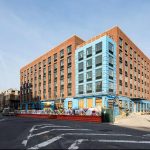
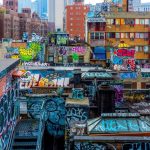
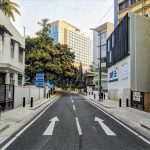
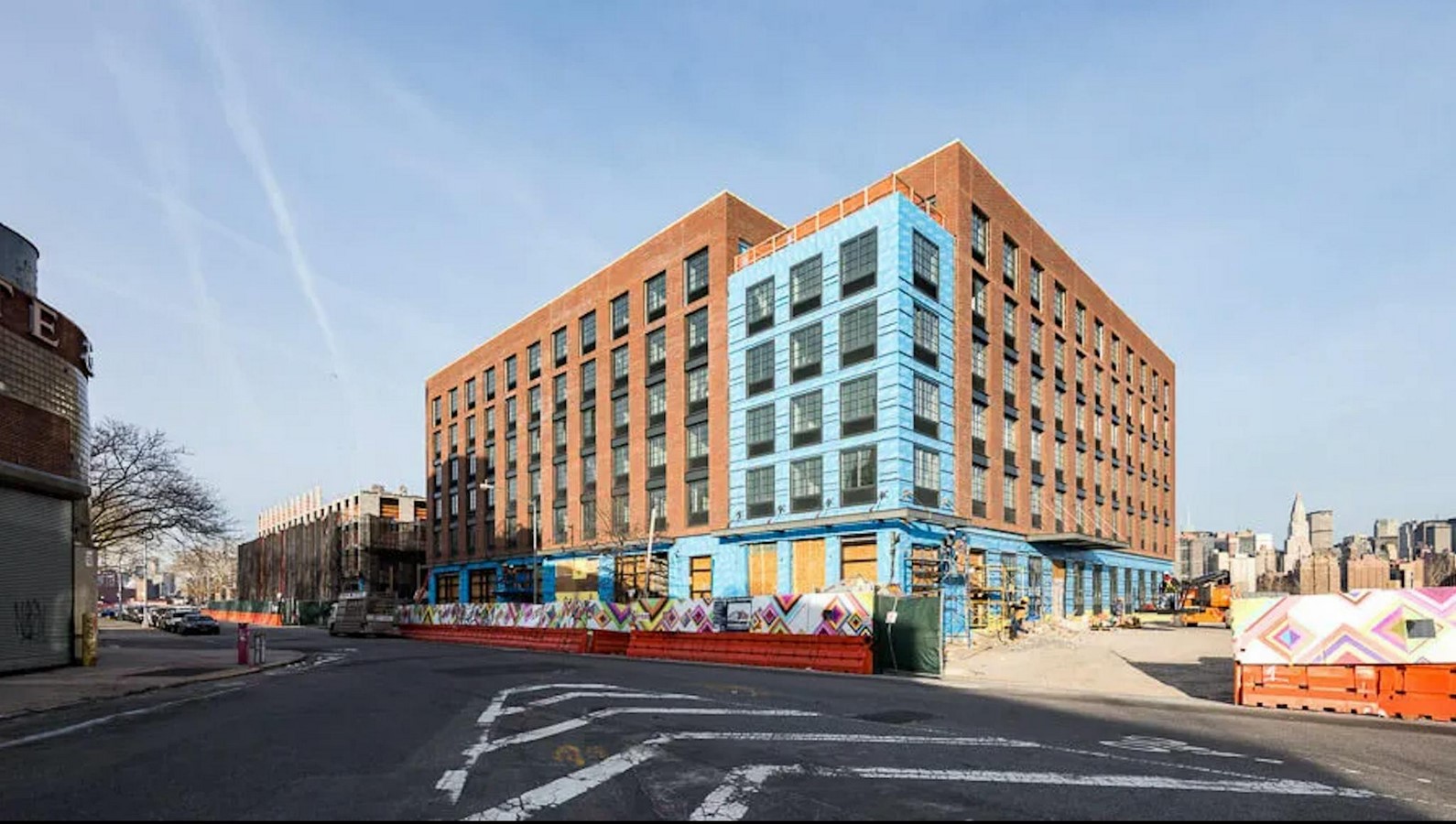
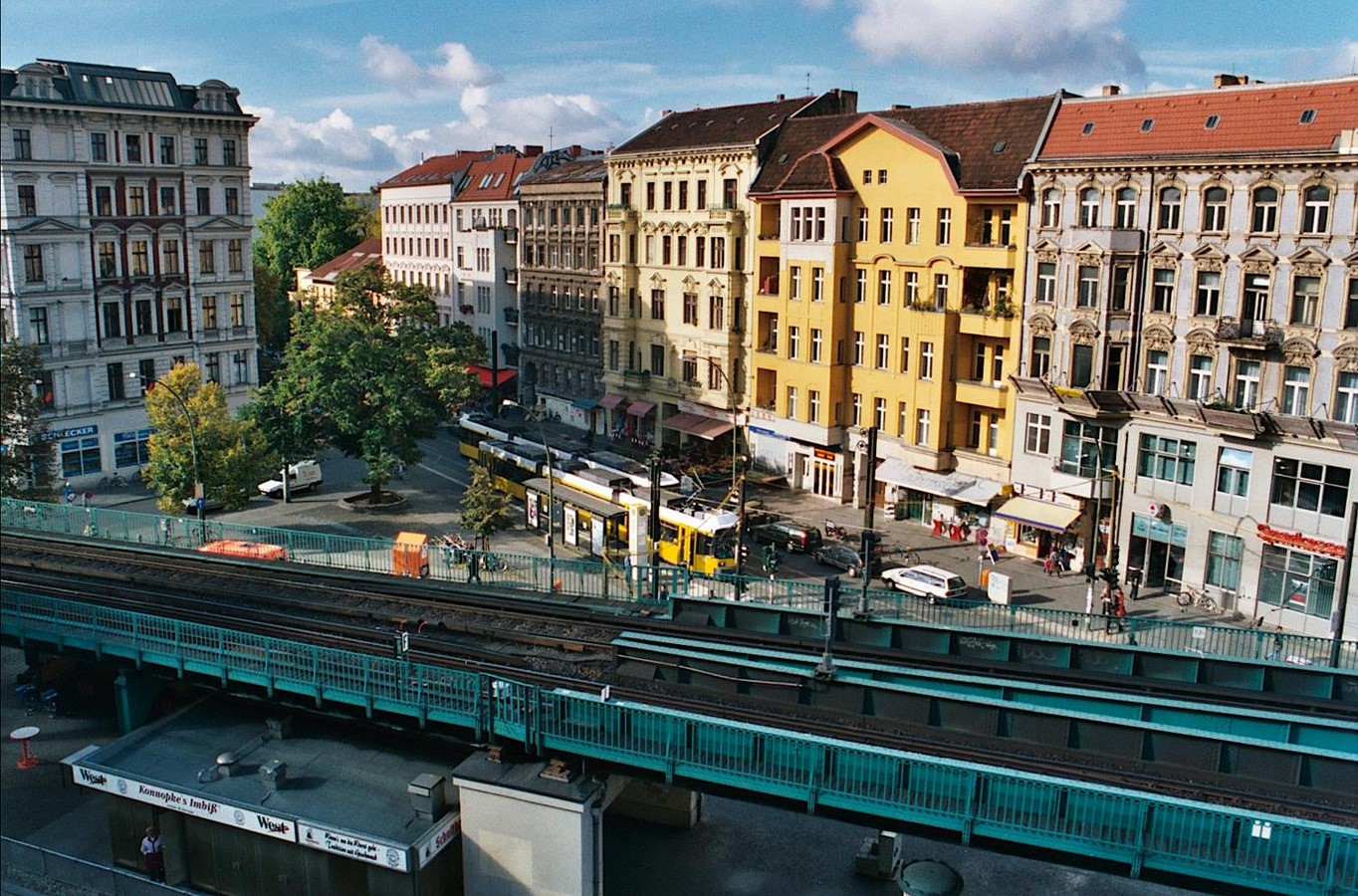
Embellishing a rather monotonous neighbourhood with vibrancy, interposing unprecedented design vocabularies into an existing language of urban landscape, and recognizing such interventions as novel and pathbreaking outlines certain principles often associated with ‘gentrification,’ a paradigm of urban concepts. While some people may benefit from these changes, others may experience displacement or exclusion. Gentrification can be described as the process by which affluent or wealthy individuals move into neighborhoods of lower economic status, altering the nature and context of the urban settlement. It involves transformations in the social, political, and cultural scenes of the location, a development viewed by some as a means to uplift the economy and aesthetics, while others see it as potentially increasing inequality. New buildings in such areas can attract additional enterprises to the locality, signifying a shift in neighborhood character and architectural style, sometimes at the expense of the prior landscape.
Gentrification might be spontaneous or unhurried, but can never be interchanged with evolution, an implication of time. Evolution of architecture and geographical context is a perpetual process that brings about subtle and steady changes over time, unlike the former process, which relies on a distinguishable change for its realisation. Several factors contribute to the inception or expedition of the steps eventually leading to a conspicuous alteration in the low income settlements.
Causes for the Process of Gentrification
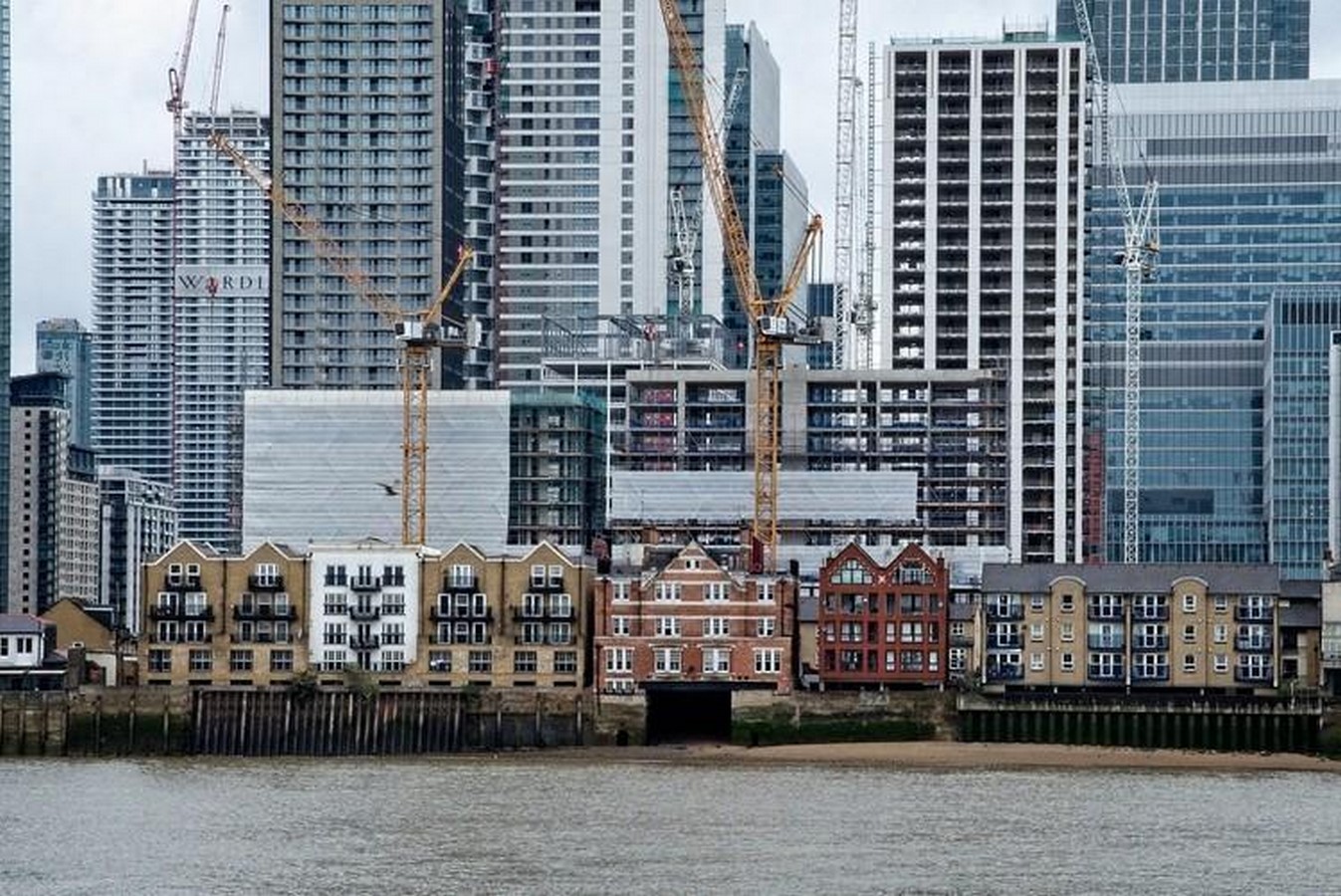
Gentrification is brought about by a multitude of changes, often initiated by local governments and establishments. First and foremost, cosmopolitan and metropolitan cities are constantly subject to rapid job growth and bulk creation owing to its bolstering culture of IT parks and startup cultures. This change is mirrored in the influx of aspirants moving into different areas of the city, sometimes availing themselves of residences in poorer sections, eventually initiating a movement of retrofitting and ultimately gentrification. Increased traffic and spatial congestion could as well contribute to a deviated preference for dwelling and other activity generating areas, urging urban planners and citizens to implement this revitalisation theory. Another important factor would be the changing market of real estate. Depending on affordability, feasibility, and availability, well-to-do people might shift into such locales, tailoring the streets to newer dynamics.
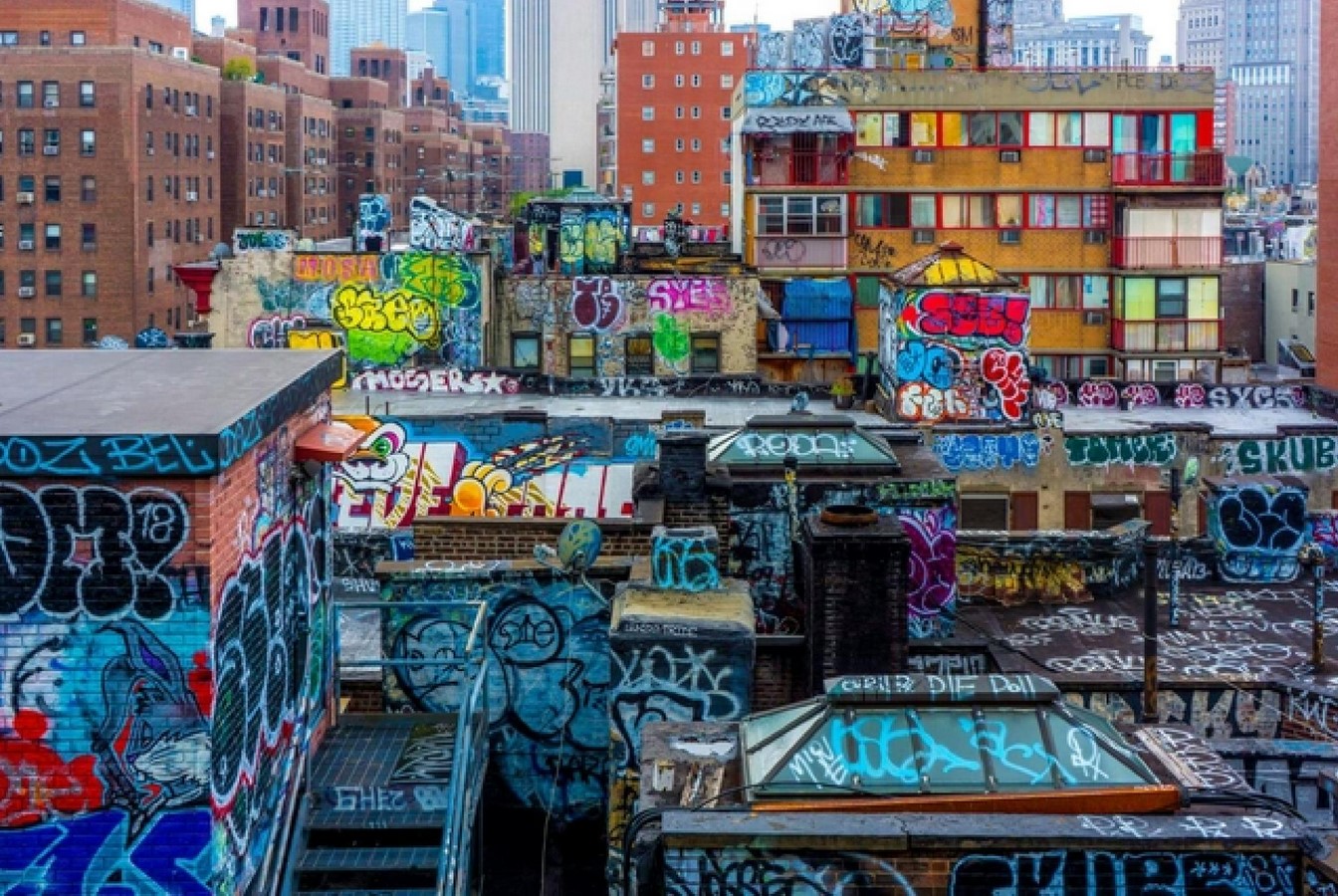
A prevalent wave of trend visibly ensuing is the repurposing of old, sometimes dilapidated structures, into cafes, retail stores, and cultural centres, which are not only inviting and intriguing but bring about changes in the social and economic demographics of the lane. Art cafes are such fashioned structures born out of abandoned buildings, often incorporating brutalist, art-deco, industrial, and bohemian elements. They are usually built in residential areas, affecting footfall, noise levels, and other socio-cultural attributes. Certain other times, targeted gentrification is implemented in neighbourhoods wherein the inhabitants want to upgrade to newer amenities, vibrant avenues, parks, and a myriad of shops dotting the streets. In such cases, the process may not negatively impact existing buildings of low-income classes, aiming to provide a better infrastructure and outlook. It is also to be noted that local governing bodies and municipalities may effect gentrification through the introduction of policies, incentives, and plans to move into impoverished neighbourhoods, benefitting in terms of tax and other developmental incentives.
Typologies of Gentrification and its Inference
There also exist different typologies of gentrification owing to the nature, causative, and urban setting of the place. Classical gentrification is when a large number of affluent citizens move away from suburbs and relocate to socially inadequate localities in the city centres for better commutation, accessibility, and other public services. This gradually forces the poor and original owners out of their houses, endangering their livelihood and sustenance. It is observed that this process is very common in residential areas, but not limited to them. Commercial revitalisation, another variety, refers to the establishment of high-end retail stores and markets as against the historical bazaars and shop streets, transforming the space into a thriving hub for trade and business. New-built developments is another phenomenon which occurs when city dwellers are enticed to build new residences in the outskirts and unused areas which most likely would harbour a rural settlement close by. The rural households would then face the implications of changing residential standards and cultural requisites. The effect would also extend to the upcoming mercantile developments and the category of convenience centres. Recreational gentrification deals with the incursion of opulent markets and commercial services into economically weaker areas, permanently marginalising and displacing the existing inhabitants. Another typology, Policy-driven gentrification, refers to refurbishment initiatives sanctioned by governments to enhance the character and visual treatment of chosen spaces. This is mostly followed by super gentrification wherein the execution of a new architectural style and elements is effected with higher financial budgets and allowances.
A Deeper Delve into the Nuances: A case study in Bengaluru, India
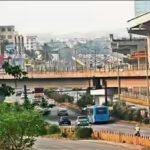
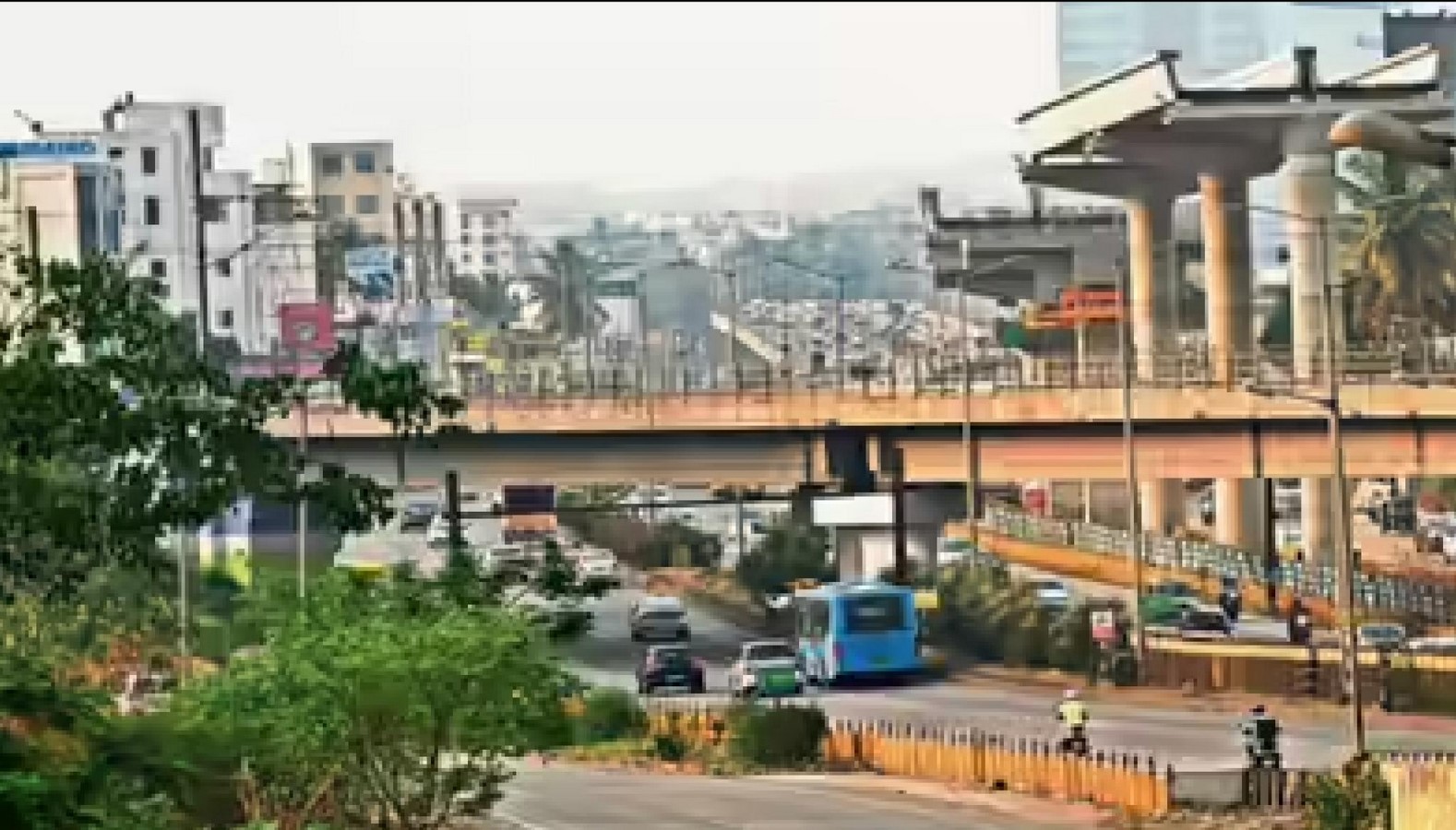
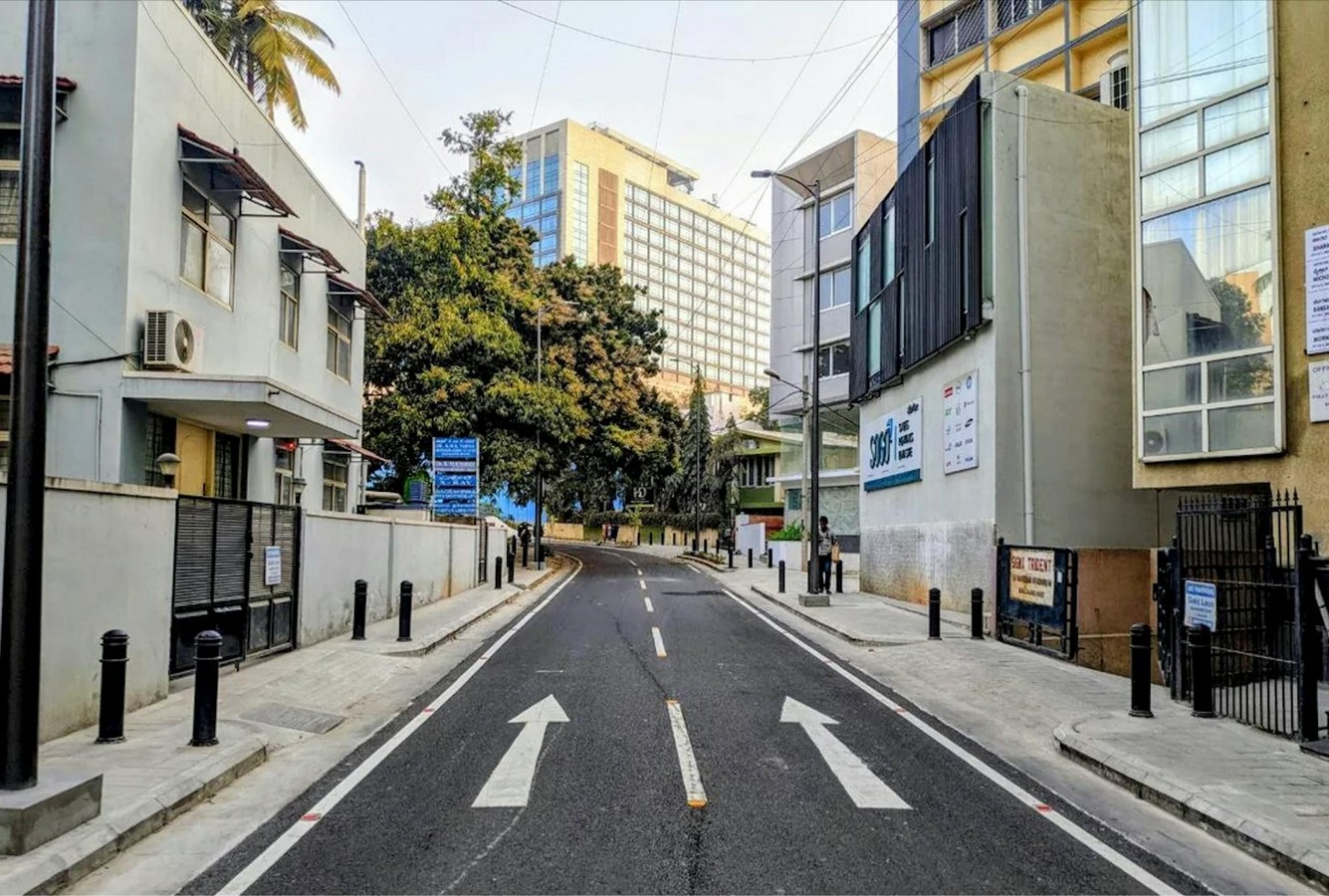
Bengaluru, or as it is heralded as the ‘Silicon Valley of India’ is a metropolitan city vested in corporate responsibility and a nucleus for start-ups and professional initiatives. Given the quantum of job opportunities and emerging industries, people began inhabiting different nooks and corners of the city, leading to the construction of several high rise apartments and group housing. Several others shifted to existing houses and tenements, bringing about changes in the social and cultural landscape of architecture and ultimately the fabric of society. Given the rising hustle and bustle and spatial congestion, residents tend to relocate to suburbs, building sprawling contemporary spaces, eventually flushing out the rural population. The arrival of the metro has again posed a challenge of increasing demand for habitats close to stations, displacing the poor and favouring the rich. While it has come off as a boon to commute in a city like Bengaluru with raging traffic and has also generated enough employment opportunities in the public sector, this government induced gentrification has been responsible for doing away with the historical wealth of the place. But on a positive note, it has paved the way for better economic growth, effective transportation, and enhanced standards.
Citations in Harvard Style:
Picardo, E. (2024). Gentrification Definition. [online] Investopedia. Available at: https://www.investopedia.com/terms/g/gentrification.asp.
Granthaalayahpublication.org. (2025). View of GENTRIFICATION IN THE INDIAN CONTEXT: INSTANCES, INDICATORS AND IMPACTS. [online] Available at: https://www.granthaalayahpublication.org/Arts-Journal/ShodhKosh/article/view/2156/2075 [Accessed 9 Aug. 2025].