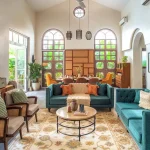
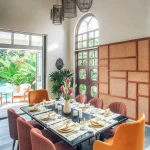
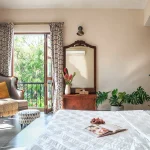
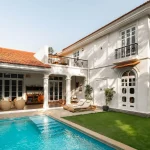
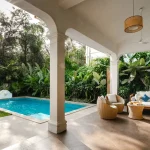
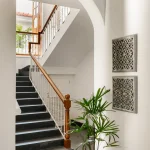
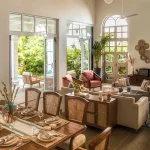
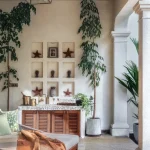
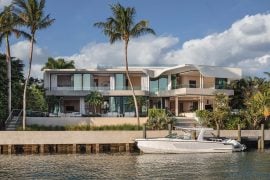
In the sun-drenched tropical landscape of Goa, Calisto Vaddo unfolds as a villa project shaped by a refined confluence of vernacular tradition, climate-responsive design, and immersive sensory experience. Situated within a cluster of villas master planned and designed by ARA Designs, each home has been meticulously crafted to exist in quiet dialogue with its neighbours — harmonising as a collective while retaining a sense of seclusion and privacy for each resident.
Project Name: Calisto Vaddo
Studio Name: ARA Designs
Location: Goa
Date of Completion: February 2025
Total area: 3,000 sq. ft
Lead Designer: Amey Dahanukar
Photography credits: Isprava
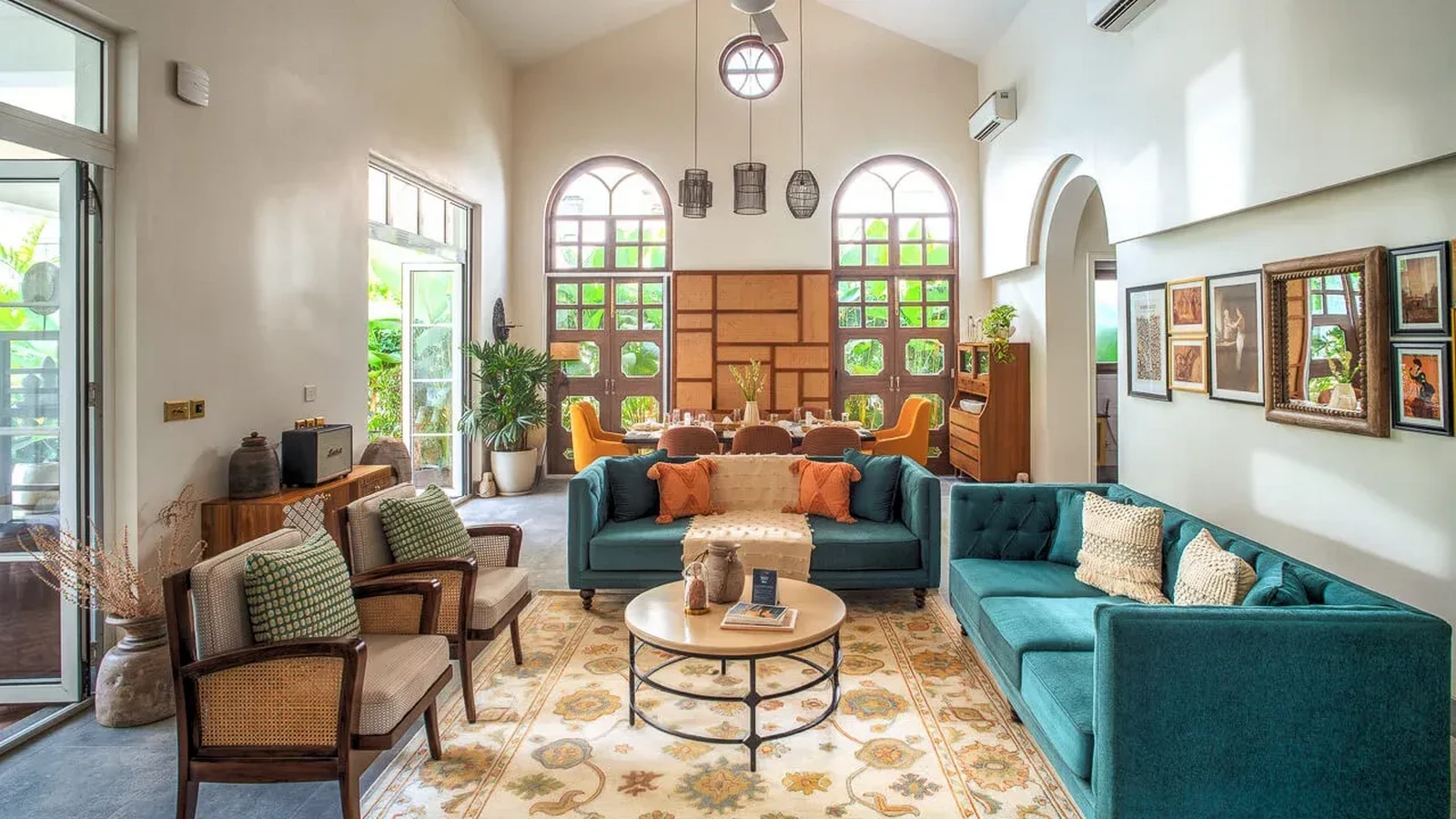
Part of the larger Siolim Vaddo development, the project reflects a holistic design vision led by Amey Dahanukar, who has been intimately involved in every layer of the process — from overarching spatial planning to the most intricate architectural and interior details.
Conceived as a built narrative, Calisto Vaddo is designed to evoke an emotional and spatial cadence — celebrating openness, material richness, and an enduring connection to its Goan context.
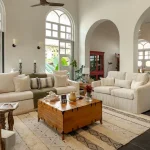
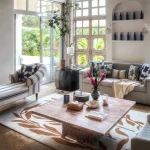
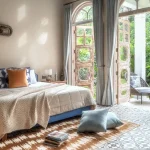
The architectural concept begins with a commitment to maximum natural light and ventilation. Full-height openings invite the outdoors in, not only regulating airflow but also casting dynamic shadows that animate the interiors throughout the day. This play of light is central to the experience of the home, drawing from age-old architectural principles where illumination defines both function and feeling.
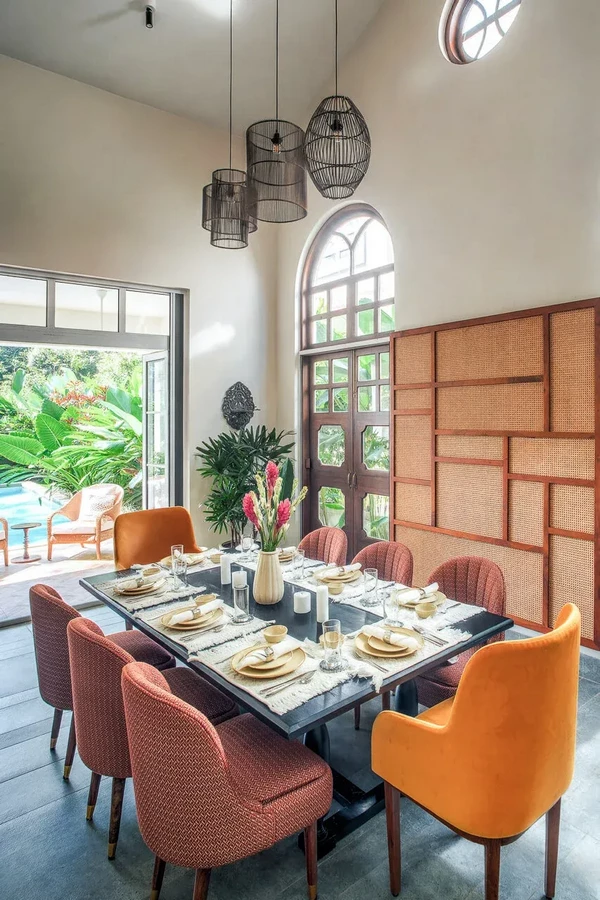
The site analysis drove much of the design approach, accounting for climate, zoning, local traffic flows, and topography, while remaining adaptive to possible future shifts in the surrounding built environment. The design embraces the Goan landscape, ensuring that views, green pockets, and prevailing breezes are integrated thoughtfully into the built envelope.
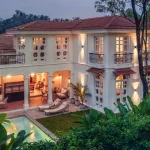
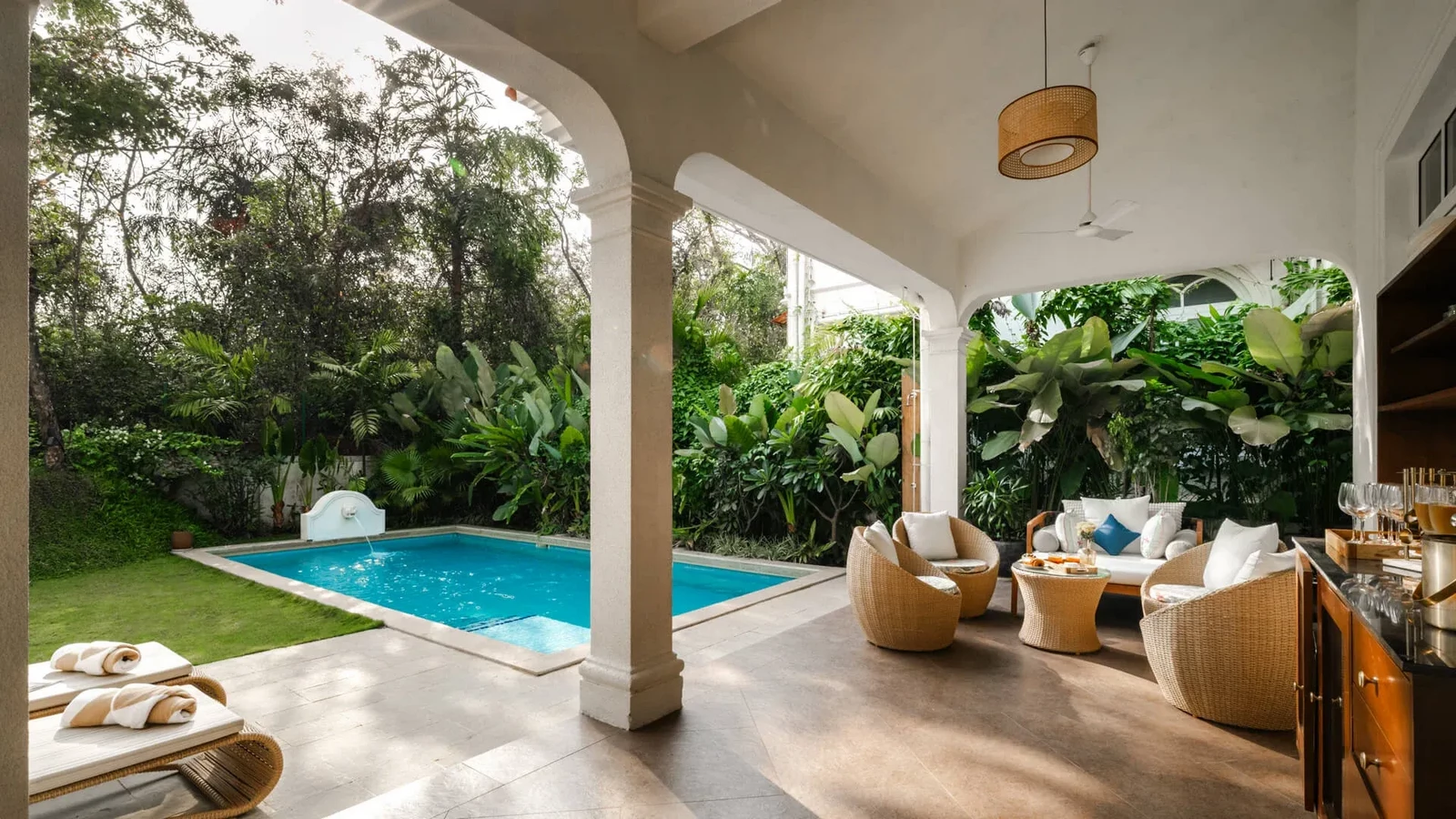
Internally, the planning is marked by a clear segregation between public and private zones, offering both connectivity and privacy in measured balance. Most villas are symmetrical and rectangular in plan, creating visual stability and coherence. The entrance is accentuated by flanking columns, a classical gesture that frames the threshold and enhances the structure’s first impression.

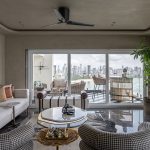
Within the villa, windows evolve as both utilitarian and decorative devices — ornate, expressive, and tuned to respond to natural light. Their variety in size and articulation controls ambiance and mood, enhancing the tactile and visual character of each space. The villa expresses its identity as much through its interiors as through its exterior language, unfolding as a multi-sensory narrative.
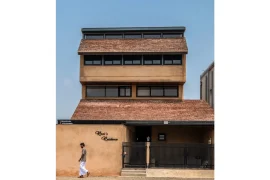
The sections of the home introduce local building materials like laterite — a time-honoured, climate-resilient material native to the region. Whether used structurally or as cladding, it imparts a rich, earthen tactility while reinforcing the design’s commitment to contextual relevance. The entrance foyer, positioned as a transitional node between inside and outside, becomes a key spatial pause. Tall columns and locally inspired design features lend the home a strong sense of permanence and belonging.
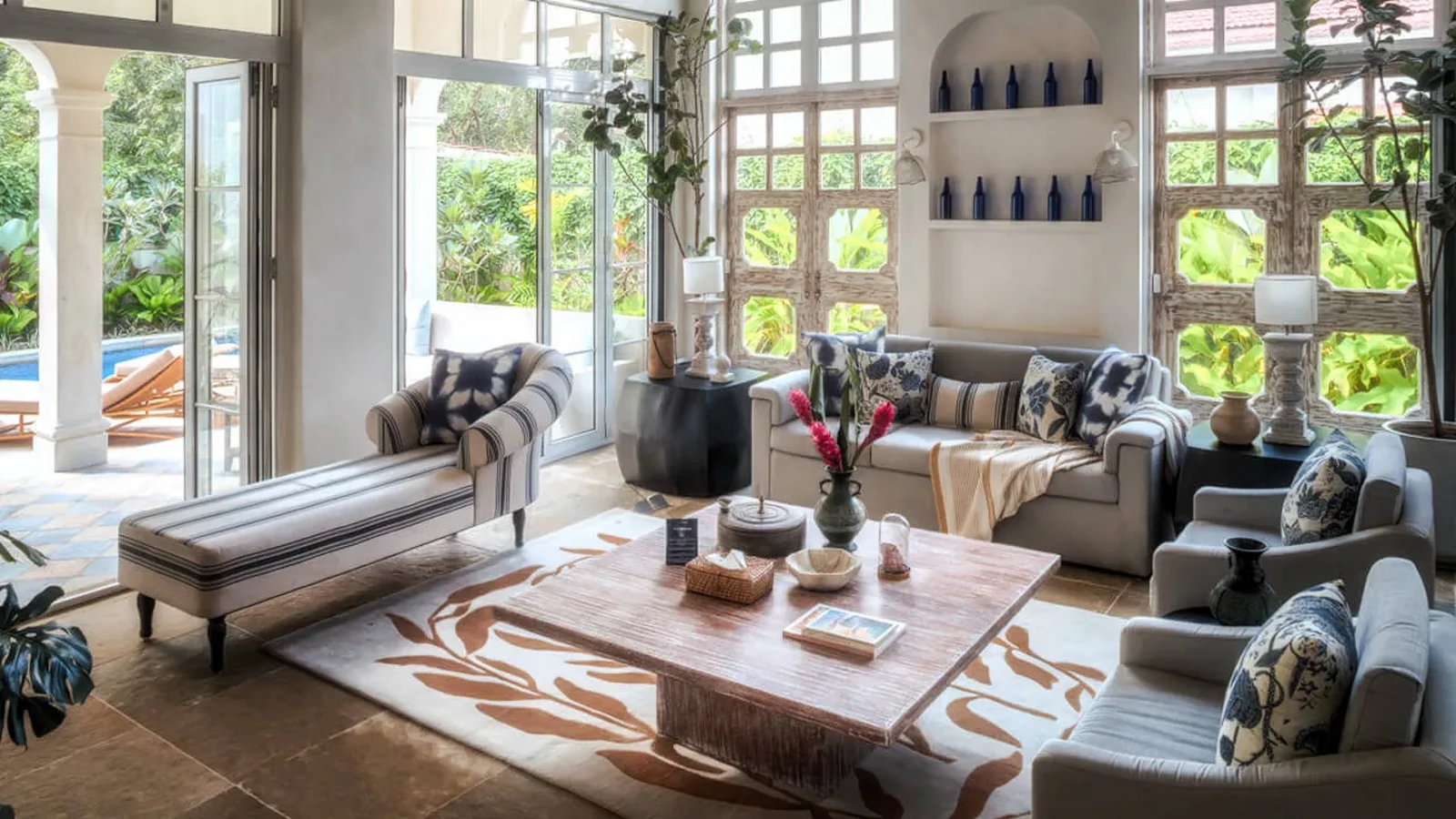
The elevation strategy is governed by a disciplined rhythm of repetition and harmony. Windows and voids are arranged in thoughtful balance, allowing the façade to breathe. Tall ornamental columns, arches, and pilasters punctuate the structure, recalling Indo-Portuguese architectural traditions with modern clarity. Semi-covered verandas and green pockets further enrich the spatial layering, creating visual transparency that extends the perception of the home into its lush surroundings.
Railings and embellishments serve as the fine threads that weave detail into the architecture, giving it an artisanal soul. Every decorative motif — from column bases to railing scrollwork — contributes to a nuanced architectural expression that is both nostalgic and contemporary.
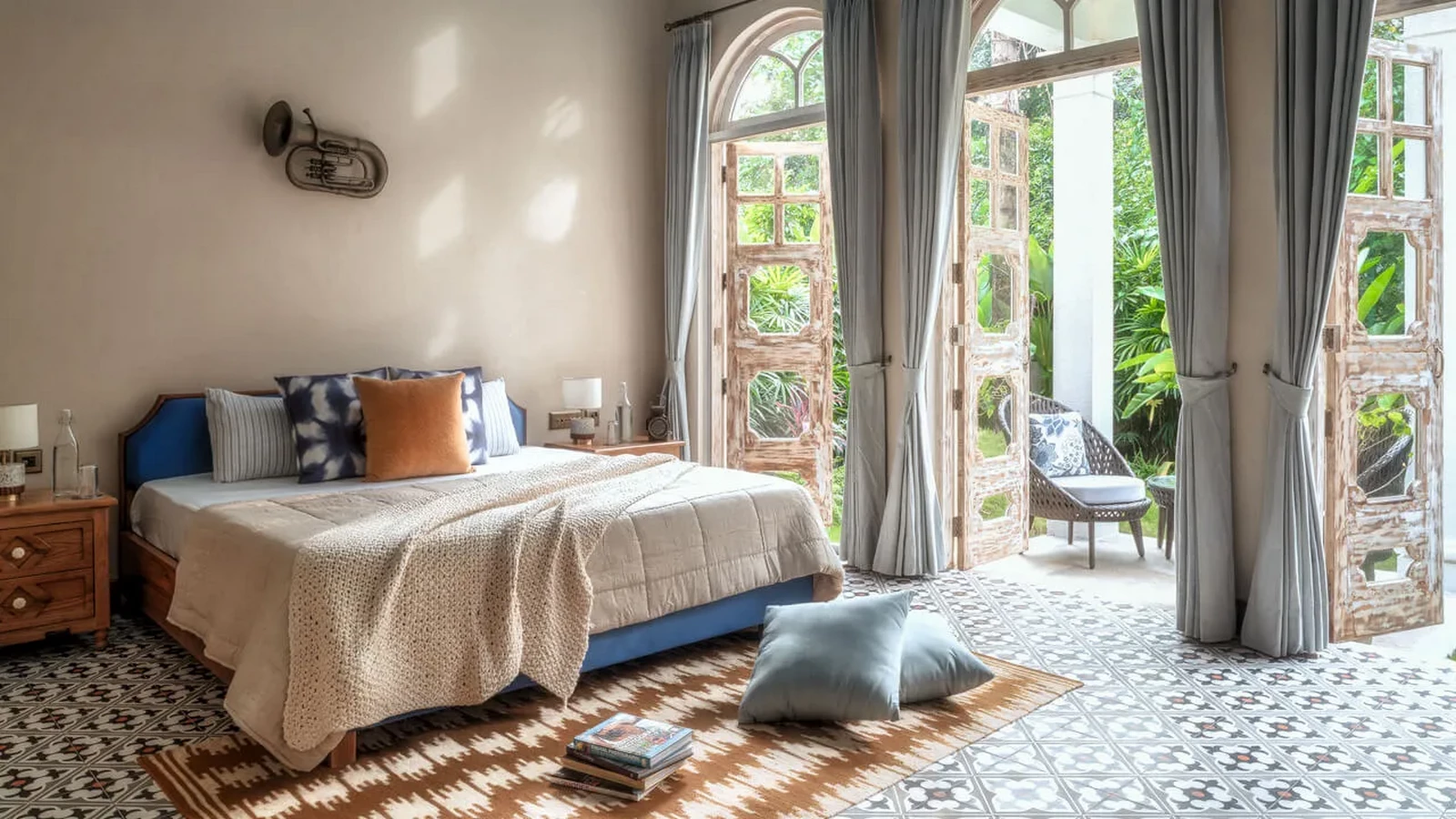
Ultimately, Calisto Vaddo is more than a collection of villas; it is an experiential sequence where movement, light, material, and memory converge. With every framed view and every textured surface, it offers its inhabitants a quiet luxury rooted in culture and crafted for contemporary living.