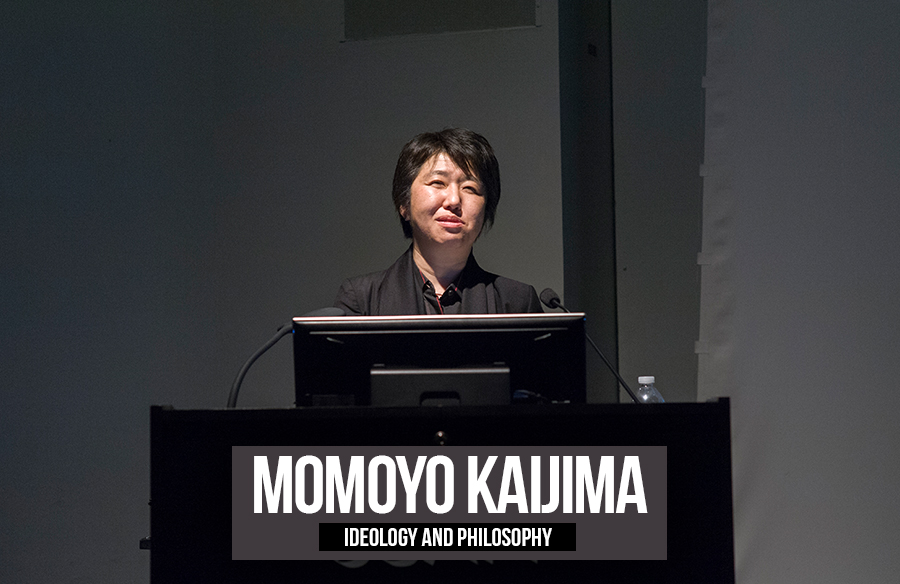
Some architects build to impress. Others build to express. But a rare few, like Momoyo Kaijima, build to listen. In a world rushing toward bold statements and monumental forms, Kaijima chooses to pause. To observe. To let the smallest detail speak. As co-founder of Atelier Bow-Wow, her work does more than shape physical space—it studies and responds to its social, cultural, and environmental contexts. Her architecture is not only built—it watches, learns, and quietly engages with the world around it. This article explores her unique architectural philosophy, her approach to observation and drawing, and the subtle yet powerful future she envisions—one rooted in empathy, detail, and awareness.
Architecture as Behavior: A Philosophy Rooted in Observation
Momoyo Kaijima’s architectural thinking centers on a term she and her partner coined: “behaviorology.” This concept refers to the study of how buildings interact with people, animals, climate, and context. It reframes architecture not as an isolated object, but as a living participant in everyday life.
Her collaborative research in Pet Architecture Guidebook highlights forgotten or leftover spaces in Tokyo—those small, often oddly shaped buildings that adapt ingeniously to their constraints. Rather than ignoring them, Kaijima and her team documented these “pet” architectures as essential parts of the urban ecosystem.
This work reveals a quiet radicalism: the belief that ordinary, even awkward, spaces can offer extraordinary insights. In Kaijima’s philosophy, every spatial detail matters. Every corner has the potential to tell a story—not through grandeur, but through presence.
Drawing with Purpose: Sketching as Architectural Research
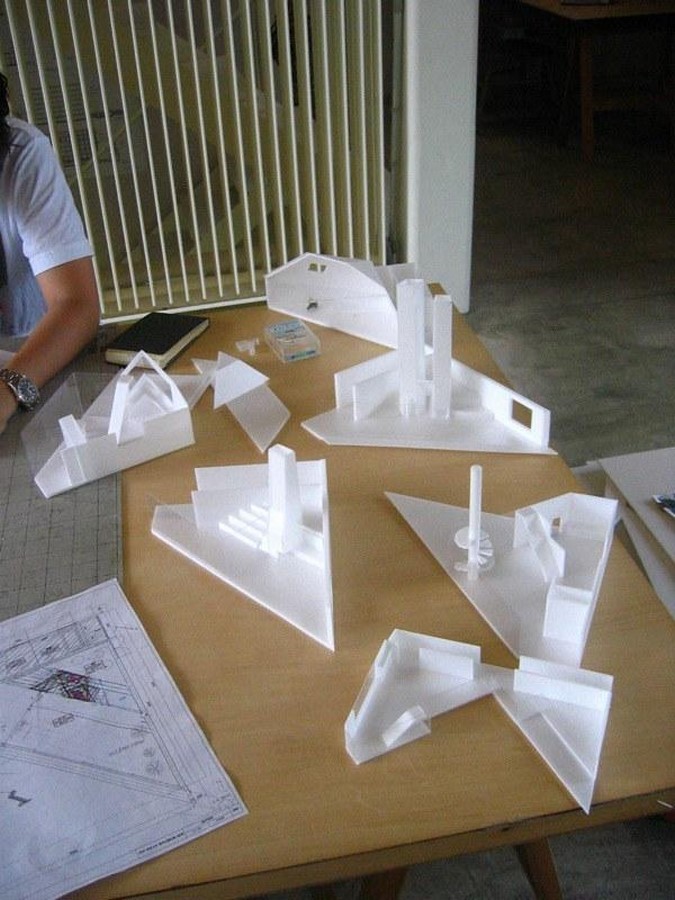
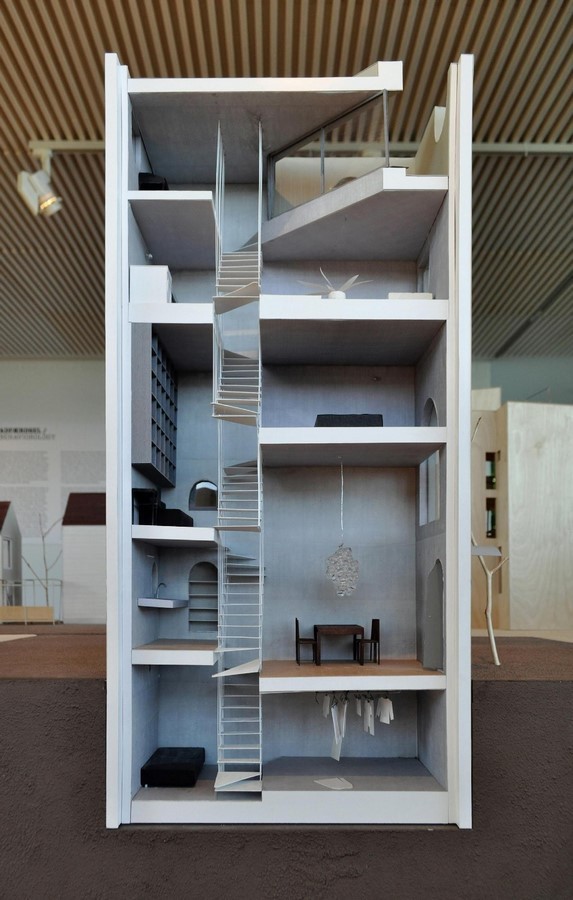
For Kaijima, drawing is more than a representation—it is an act of research. Her sketches go beyond form to uncover relationships between space and behavior. These observational drawings document how people move, gather, and live in urban environments, offering insight into patterns that often go unnoticed.
This method is not simply visual but intellectual. As an educator at ETH Zurich and through Atelier Bow-Wow, she integrates drawing into the design process as a tool of inquiry. The act of sketching becomes a slow, thoughtful exploration of space—an alternative to the rapid digital production that often dominates contemporary practice.
Her analog approach promotes attentiveness. It trains the eye to notice subtle human actions, layered contexts, and spatial tensions. Through this lens, the pencil becomes an instrument of empathy.
A Future Hidden in the Details
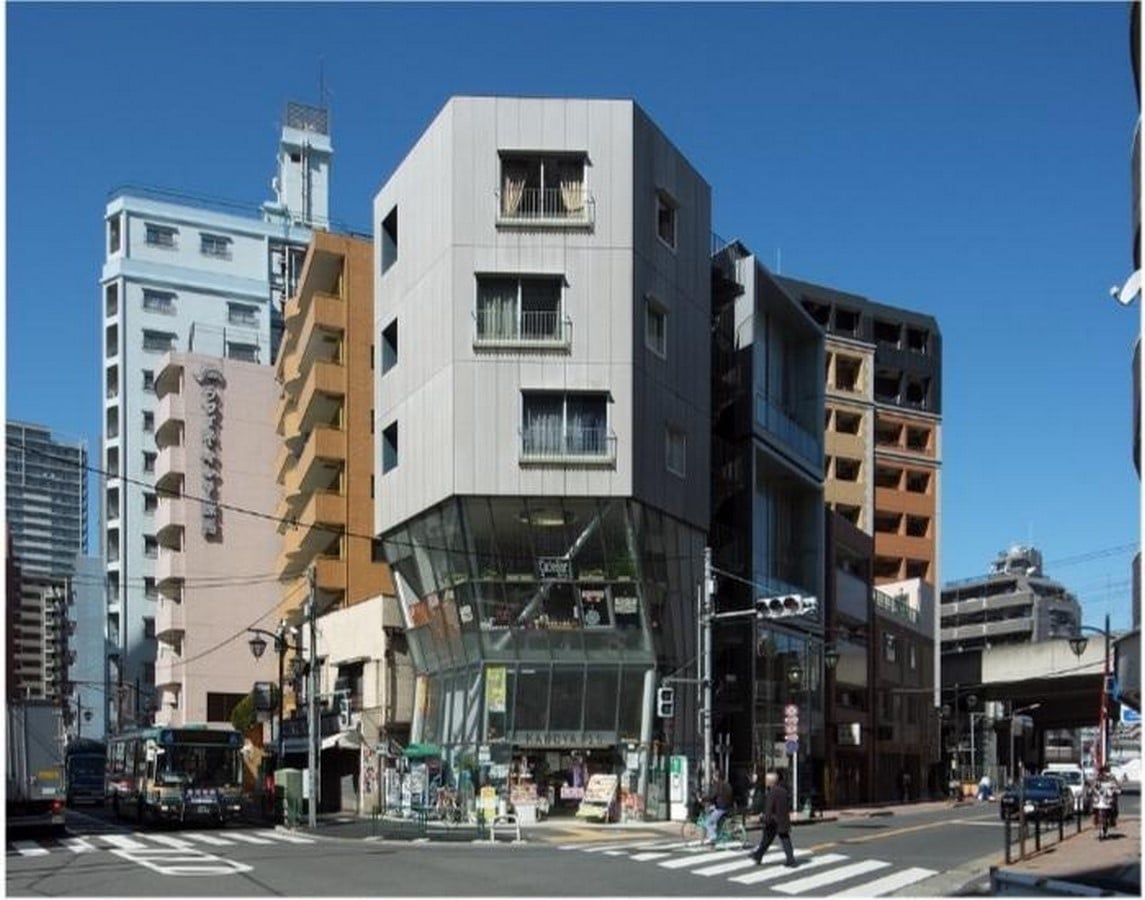
Rather than proposing futuristic forms or utopian masterplans, Kaijima’s architecture suggests a quieter future—one grounded in care, humility, and coexistence.
The House & Atelier Bow-Wow serves as a vivid example. Modest in scale yet rich in meaning, it blends domestic life with architectural research. The home is not just a shelter but a laboratory for spatial experimentation. Its open façade invites passersby to observe, reflecting a commitment to transparency and dialogue with the city.
Such works embody a future where buildings are not imposed but grown—responsive to context, inclusive of behavior, and attuned to emotion. In Kaijima’s world, architecture becomes a participant in life, not a backdrop.
It seems that the architects who care deeply about architecture don’t just bow to form—they craft buildings that will speak in the future. Their buildings hold subtle hints, quiet answers. They believe that the future of architecture lies not in extravagance, but in the details. And that belief, quietly and powerfully, reshapes the world.
Reference section:
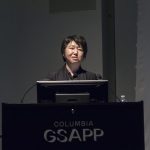
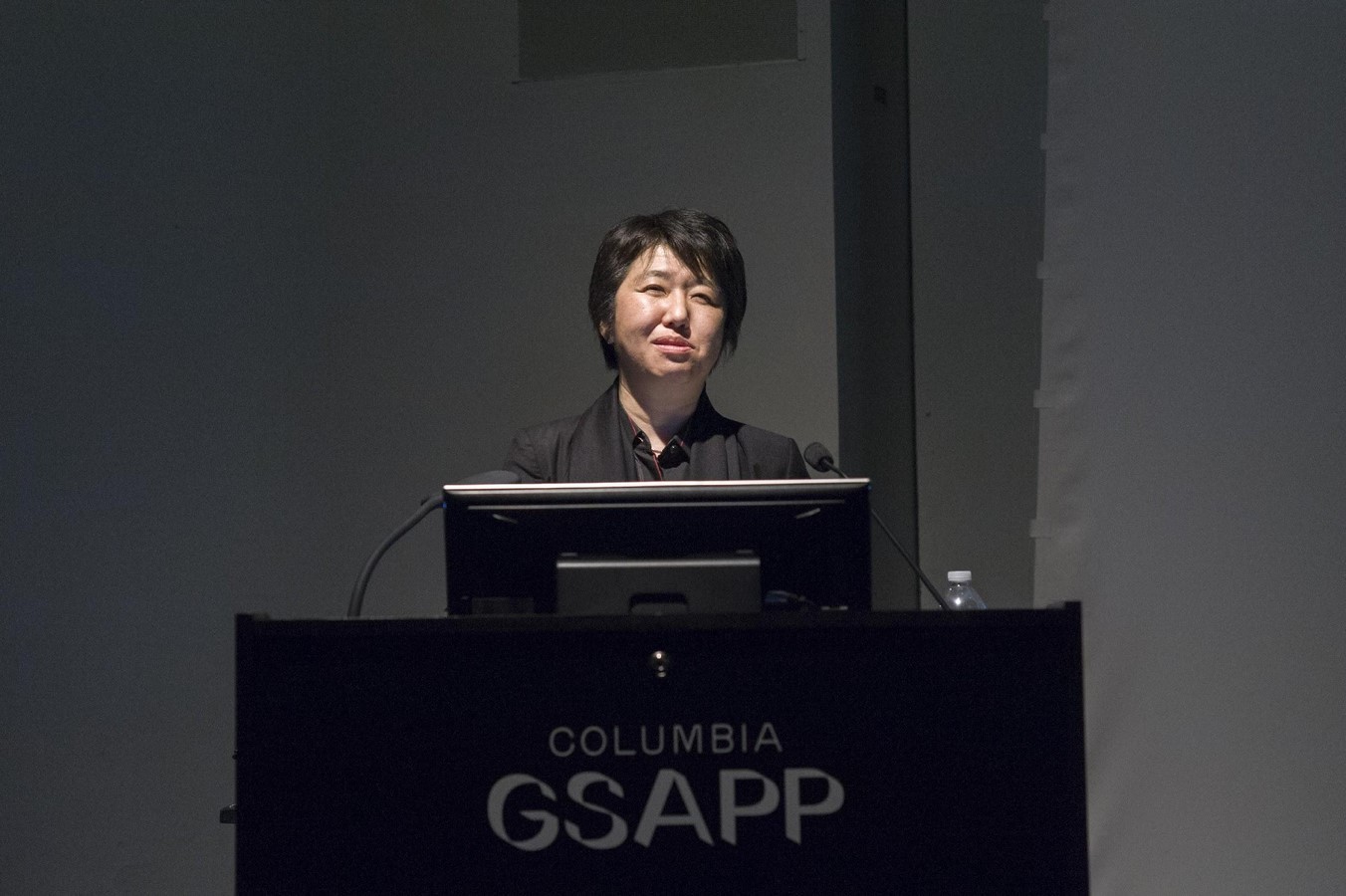
Figure 1: Wikimedia Commons. (n.d.). Momoyo Kaijima from Atelier Bow Wow at Columbia GSAPP. Available at: https://commons.wikimedia.org/wiki/File:Momoyo_Kaijima_from_Atelier_Bow_Wow_at_Columbia_GSAPP.jpg [Accessed: 18 July 2025].
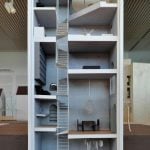
Figure 2: Seier. (2011). Atelier Bow-Wow, sectional model of House Tower, Tokyo 2006. Available at: https://www.flickr.com/photos/seier/6263479762 [Accessed: 18 July 2025].
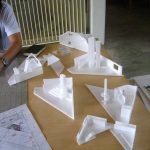
Figure 3: Ocelots. (2007). Foreign Office at Atelier Bow-Wow. Available at: https://www.flickr.com/photos/ocelots/1251106574 [Accessed: 18 July 2025].
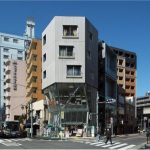
Figure 4: Wakiiii. (2011). Kadoya 315. Available at: https://www.flickr.com/photos/wakiiii/6568243207 [Accessed: 18 July 2025].