
They say routines are built from habits, but the spaces we live in shape those habits long before we’re aware of them. Architecture doesn’t shout its influence; it whispers it. In the sound of slippers brushing a tiled corridor, on the way sunlight spills across a breakfast table at 7 AM, in the quiet comfort of a wall that’s always there to lean on. Architecture, in its truest form, tells the story of our lives, one repeated moment at a time.
Everyday Architecture, Silent Stories
Most conversations around design focus on scale, style, or structure. Rarely do we pause to ask: How does this space affect the way someone feels at 9 in the morning? Or how does a home tell someone they belong? That’s the part of architectural design that lives in the gaps between drawings, in the unspoken choreography between body and space.
Take a narrow urban apartment, for example. Cramped, but if the window in the kitchen overlooks a patch of sky, that view becomes part of someone’s daily reset. The same space, with its countertop beside that window, might influence someone to make tea every morning, not because it’s routine, but because the space made it feel right. In the city, where homes are stacked and compressed, even a ledge can be a luxury. A spot to sit and tie shoes, drop grocery bags, or simply breathe before entering the world. These spatial offerings, seemingly small, create rituals. And rituals become identity.
The Inherited Routine
We often forget how architectural design and daily routines are deeply interwoven. The shape of our morning is guided by where the tap is placed. The end of our day might be marked by the warm spill of indirect lighting or the way a certain room echoes quietly. People don’t necessarily design their routines. They inherit them from walls, thresholds, shadows, and views.
Architecture That Understands
Designing with this in mind is less about creating bold forms and more about asking quieter questions. Where does someone pause before leaving for work? Is there a surface to keep their keys? A mirror that catches their attention just enough to center them before they go. In these everyday actions lies the most profound form of architecture, not the kind that seeks praise, but the kind that simply understands.
When designers begin thinking like storytellers, architecture becomes layered, not just in form, but in emotion. A child running down a sloped corridor every evening might remember the sound of their feet for decades. A grandmother who sits by a small window each afternoon might unconsciously synchronize her teatime with the sun’s movement. These are not design features. These are life stories etched into the material of a home.
Natural Light: A Daily Rhythm Setter
And in the workspace? A desk near a plant-lit window may become the seat of someone’s best ideas, not because of the desk itself, but because the environment gently encourages clarity. A corridor curved just slightly may encourage slower movement, giving the mind time to breathe between meetings. These things aren’t random. They’re deliberate decisions by designers who understand that routine isn’t boring, it’s foundational.
What makes a building meaningful isn’t always what can be drawn. It’s what gets repeated within it. And so, the conversation must shift. Rather than asking “what does this building look like?” we might ask “what kind of day will this building allow someone to have?”
Architecture, in this way, becomes the stage for the most honest kind of storytelling, the kind that’s lived, again and again, without realizing it was authored at all.

Designing for Flow and Function
In many homes, functionality is driven not by square footage, but by layout. The location of a sink, the width of a corridor, or the light that pools onto a breakfast bench all contribute to how one moves through the day. Architectural design and daily routines are seamlessly intertwined in these details. The most intuitive homes are those where spatial decisions respond to actual living patterns, not idealized floor plans.
For example, a bench near the door may become the de facto station for tying shoes, placing groceries, or greeting a guest. Its utility is born from repetition. Good architecture embraces this predictability and allows it to flourish. Flow, in this sense, is emotional as much as it is physical. A kitchen that enables two people to cook without bumping into each other, or a workspace that blocks afternoon glare, reinforces calm through consideration.
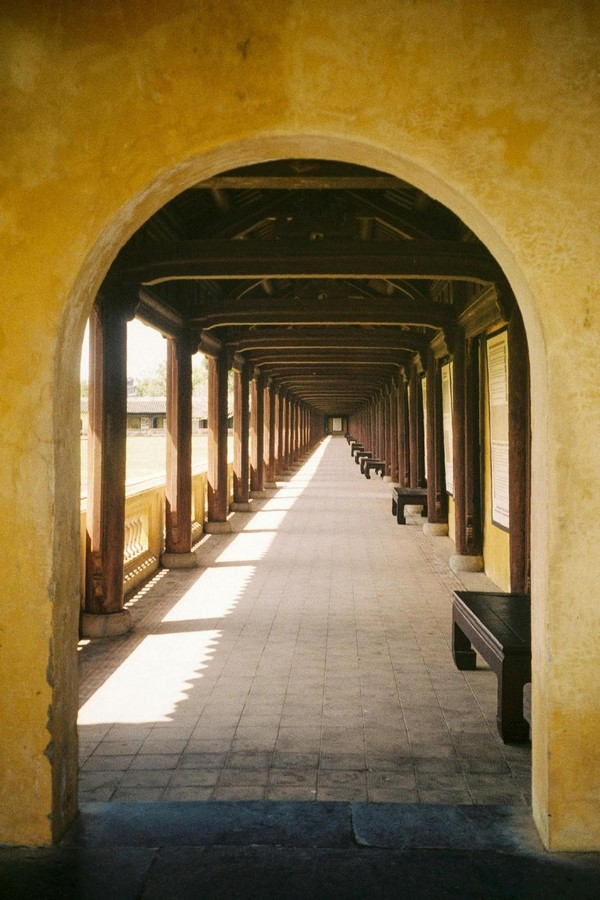
Evening Transitions and Architectural Warmth
As evening arrives, people unconsciously seek spaces that allow decompression. A softly lit corner, a room that faces twilight, or even the muffled acoustics of a thick curtain, these design elements ease the day’s tension. Architectural design and daily routines come together most visibly in these transitional moments, where design can either soothe or stimulate. Homes that allow for choice, dim or bright, quiet or open, give agency to the end of the day.
Warm materials such as wood, textiles, and terracotta tiles visually and tactilely signal comfort. The repetition of turning on a side lamp, closing blinds, or lighting incense creates routines that anchor mental rest. These aren’t just personal habits; they are spatially rehearsed gestures that architecture invites. At its best, design not only houses life but actively participates in its unwinding.

Spaces of Togetherness: Designing Shared Rituals
Architecture not only shapes individuality but also sets the stage for how people relate. A semi-public rooftop garden, a wide stairwell landing, or a front porch are all architectural invitations to pause and participate in collective routines. Architectural design and daily routines in communities create rhythm and familiarity, often without words. These designs build what sociologists call ‘third spaces’, neither fully public nor fully private, but deeply personal in impact.
In traditional neighbourhoods, a bench under a tree might serve as a communal checkpoint. In apartments, a wide balcony may become the shared evening retreat for a chat across railings. These rituals are anchored not in planning documents but in the design’s quiet generosity. By creating spaces that are not dictated but discovered, architecture fosters belonging. And where belonging is nurtured, routine follows.

References:
Rasmussen, S.E. (1962). Experiencing Architecture. MIT Press.
Pallasmaa, J. (2005). The Eyes of the Skin: Architecture and the Senses. Wiley.
Bloomer, K. and Moore, C. (1977). Body, Memory, and Architecture. Yale University Press.