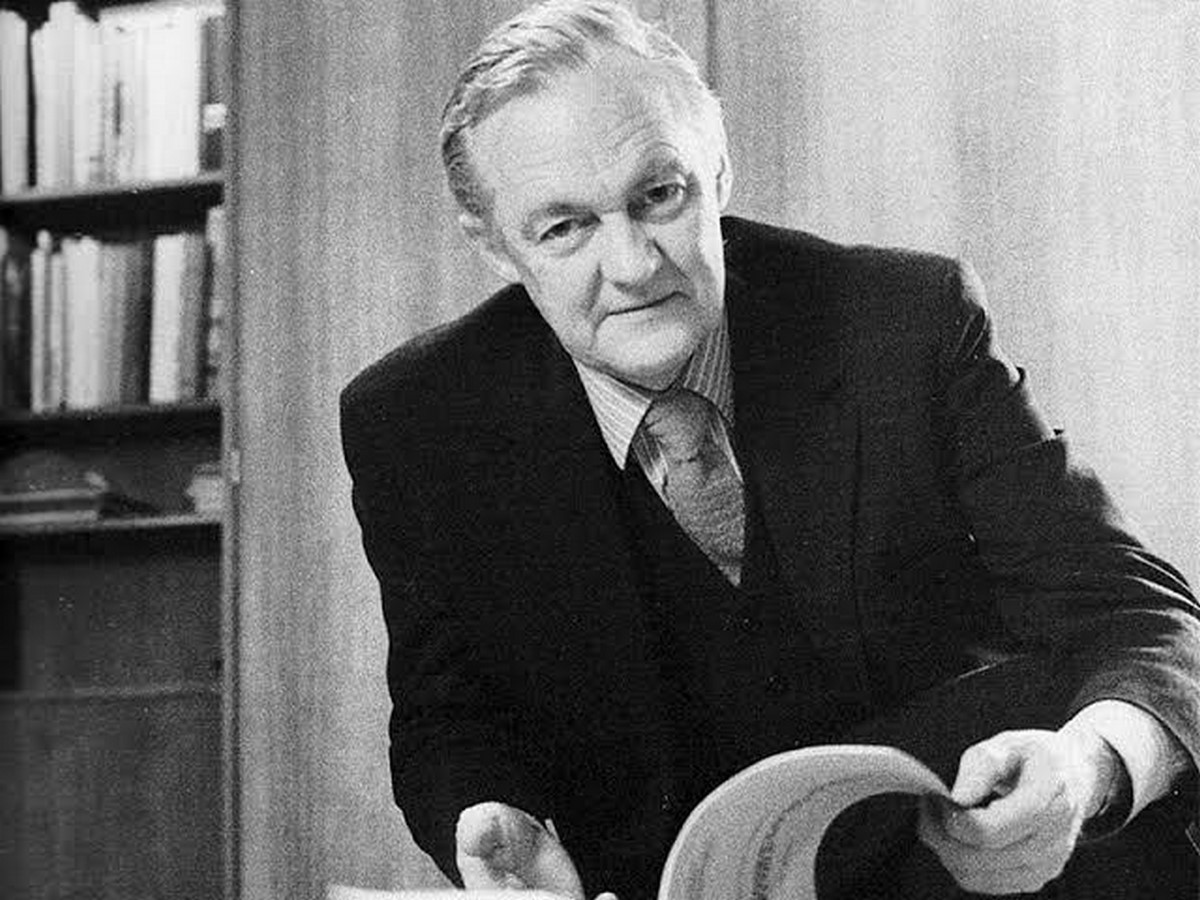
In 1960, Australian architect and critic Robin Boyd published The Australian Ugliness, a bold and enduring critique of the nation’s built environment and cultural identity, a polemic that dared to challenge the visual, ethical, and architectural condition of post-war Australia. His argument was not simply that Australia was aesthetically lacking, but that its built environment was a reflection of deeper cultural insecurities. More than just an architectural commentary, it was a mirror held up to Australia’s psyche, a country uncertain of its own values, awkwardly imitating others, and failing to grasp the deeper responsibilities of shaping its cities and homes. Boyd’s words, sharp as they were poetic, remain as relevant today as when they first left his pen. Re-reading The Australian Ugliness is not a nostalgic exercise; it is a provocation to reconsider the cultural, political, and ethical stakes of design in contemporary Australia.

Boyd’s central enemy was Featurism, “the subordination of the essential whole and the accentuation of selected separate features.” He criticised the way buildings were adorned with superficial ornamentation to distract from poor planning or insubstantial ideas. In his eyes, this approach reflected a nation unwilling to develop its own architectural language, instead borrowing indiscriminately from elsewhere while ignoring context, climate, and clarity of purpose. Boyd skewers this tendency across Australian suburbia, describing the “dreary, ill-considered housing growth on the outskirts of every town… the cold comfort conservatism of villa design with the regular sprinkling of primary-tinted features.” His critique is not just aesthetic but deeply ethical:
“The universal visual art: the art of shaping the human environment, is an intellectual, ethical and emotional experience… Even without the physical discipline, architecture is stiff and inarticulate compared to freer fine arts.”
Boyd was asking not for uniform prettiness, but for integrity in design:
“Fundamental to the production of pleasing building design is proportion, clarity of idea, honest use of structure and material.”
Architecture Between Necessity and Luxury
One of Boyd’s most enduring provocations is the question of how Australians value design. Architecture is everywhere; it is a necessity, shelter, and the fabric of life. Yet, Boyd observed, it is treated as a luxury. Good design is seen as optional, indulgent, expendable when costs rise. As he wrote, the Australian child “grows up ignorant, innocent, of the meaning of architectural integrity.” Sixty-five years on, little has changed.
Today, our housing market builds quantity over quality, driven by speed, speculation, and superficial curb appeal. We still lack widespread design literacy, where the public understands that architecture is more than decoration; it shapes social wellbeing, environmental sustainability, and cultural identity. Boyd foresaw this gap, warning that without greater collective respect for design, our cities would continue to grow “noncommittally… carefully, sometimes even beautifully in an indeterminate way, but almost always without meaning.”
Cultural Cringe and Borrowed Styles
Much of Boyd’s critique centres on Australia’s reliance on borrowed aesthetics. Victorian pastiche, Californian bungalows, Tudor shopfronts, an endless layering of styles detached from context and climate. As Boyd observes, “Australia is pulled in three ways at once from three remote points of the compass… The Australian consciously and subconsciously directs his artificial environment to be uncommitted, tentative, temporary.” The result is an “architecture of features” rather than an architecture of conviction.
This lack of confidence is more than a stylistic problem. It reflects a nation uncertain of its place, too timid to embrace its own landscape and truths. Boyd warns against this denial:
“The denial of the continent’s dryness in the planning of our towns and cities must ring more powerfully now than when the book was first published.”
His message feels prophetic as we confront climate change. The cost of ignoring Country, climate, and ecology is no longer just poor aesthetics; it is environmental and social vulnerability.
Legacy and Influence: Have We Improved?
Has Australia listened? In some ways, yes. Since Boyd, architects like Glenn Murcutt, John Andrews, Richard Leplastrier, and Enrico Taglietti have pushed Australian architecture toward a deeper connection with place, climate, and material honesty. Murcutt’s mantra to “touch the earth lightly” set a global precedent for environmentally sensitive design. Andrews brought rigorous functionalism to civic buildings, while Leplastrier’s quiet, site-responsive houses speak to a poetics of restraint and landscape integration. These architects demonstrate that it is possible to design with conviction, context, and clarity.
Yet Featurism is far from dead. Across the suburbs, speculative builders still churn out houses where function is compromised for “eye-catching” façades and awkward spatial arrangements. Commercial architecture frequently favours branding over urban contribution. Our built environment remains largely developer-led, leaving little room for the architectural intelligence Boyd demanded.
Boyd’s observation about our yearning for external approval, his depiction of “Austerica,” the Australian compulsion to mimic American glamour and British pedigree, still resonates in a globalised design market where imported styles and Instagram aesthetics often trump local innovation.
The Pursuit of Pleasingness
One of Boyd’s most powerful chapters, The Pursuit of Pleasingness, captures the anxiety beneath our architectural choices. It is not beauty we seek, but reassurance, proof that we belong, that we are modern, that we are “world-class.” Boyd writes:
“It takes an assured product and a confident advertiser… Freedom from anxiety to please, freedom to overestimate the customer’s intelligence, are kinds of freedom remote from modern Australia.”
This anxiety still shapes design today. Many projects, public and private, aim to impress rather than to endure, trading thoughtful resolution for marketable features.
Conclusion: The Chilling Relevance of Boyd
The Australian Ugliness leaves “a chill near the root of national self-respect.” And rightly so. Boyd’s critique cuts deeper than architectural taste; it exposes our collective reluctance to confront where we live, who we are, and how we build. Sixty-five years later, the challenge remains: architecture is still seen as an optional luxury rather than a societal necessity, Featurism thrives where conviction should lead, and cultural insecurity continues to dilute our design identity.
One can’t help but think of Boyd’s final provocation in The Ethics of Anti-Featurism:
“The universal visual art: the art of shaping the human environment, is an intellectual, ethical and emotional experience… Even without the physical discipline, architecture is stiff and inarticulate compared to freer fine arts.”
Architecture, for Boyd, demanded more than a good hand or sharp eye; it demanded rigour, restraint, and responsibility. In that spirit, it’s not enough to shrug off ugly buildings as the inevitable product of taste. We must ask: what systems enabled them? Who benefits from the lack of design literacy? And most importantly, how do we do better?
Boyd’s words remain essential reading because they remind us that architecture is not just about form; it is ethical, intellectual, and emotional. It is about making decisions that reflect truth, courage, and care for people and place. If our built environment still feels “ugly,” it is not because we lack style, but because we lack will. As Boyd insisted, “we can, we must, do much better.”