In a world where architecture is increasingly overwhelmed by the tyranny of abundance and the cult of aesthetic excess, Laurie Baker’s Houses: How to Reduce Building Costs emerges as a subversive treatise — a minimalist manifesto penned by an apostle of architectural frugality. This deceptively slender volume is not just a book; it is a blueprint for ethical edifice-making, a call to arms for those disillusioned by the concrete jungle of spontaneous glass and steel.
Baker, often hailed as the “Gandhi of Architecture,” orchestrates a symphony of simplicity in these eighty-odd pages, sobering the extensive verbosity and linguistic complexity so characteristic of architectural theorists. His writing, lucid and homespun, is imbued with the accent of commonsense and the resonance of moral purpose. But do not mistake clarity for lack of depth. Beneath his modest prose simmers a trenchant critique of modern construction practices and an impassioned plea for a return to the vernacular roots of architecture.
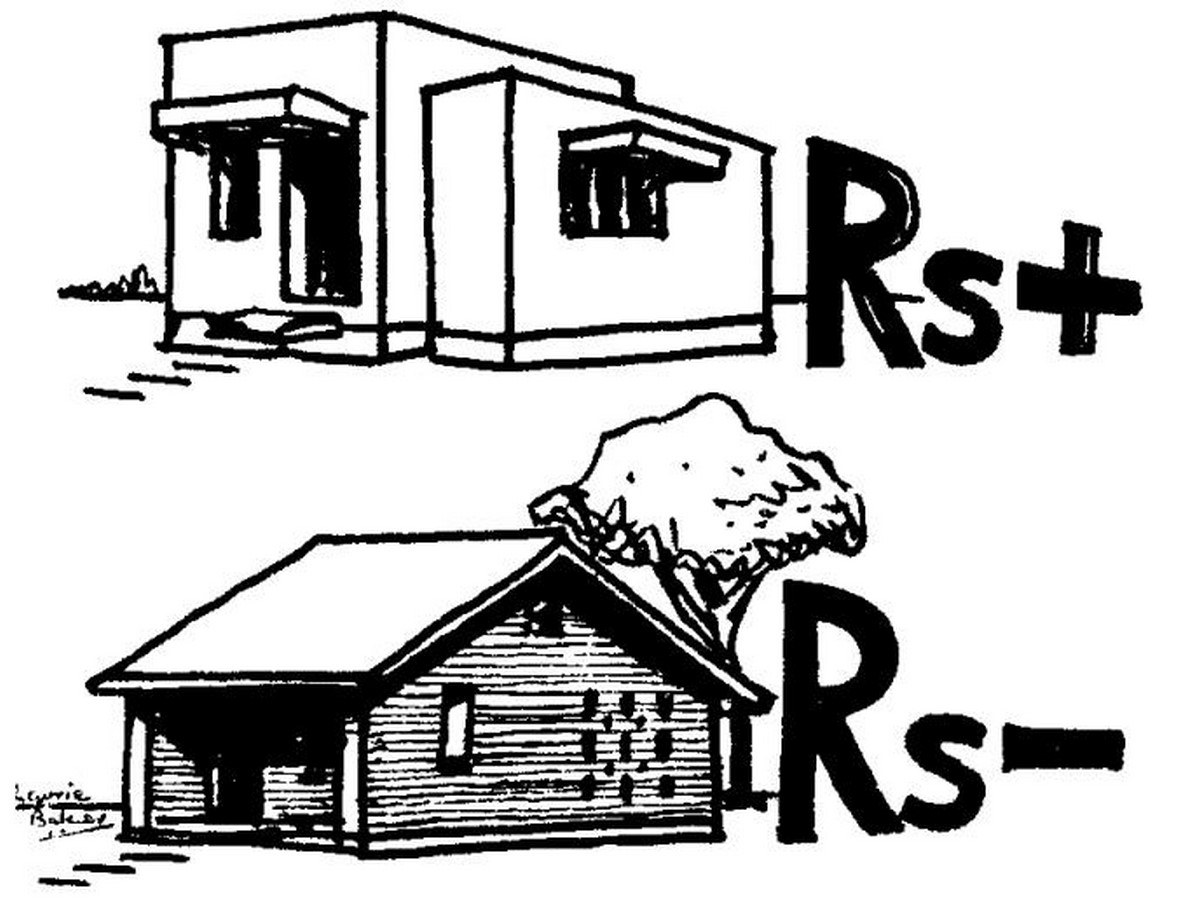
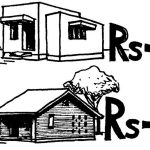
The crux of Baker’s thesis lies in dismantling the invalid fusion of cost with quality. In the contemporary building ecosystem, where Italian marble is preferred over locally quarried stone, and structural steel is preferred to humble lime, Baker is the perennial contrarian. He advocates, instead, for a building philosophy that is at once cost-effective, climatically consonant, and culturally rooted. His ideological substratum is not predicated on asceticism, but rather on appropriateness — the idea that a house must serve the lived realities of its occupants, not the aspirational pretensions of an architectural catalogue.
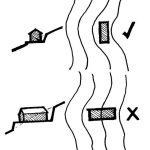
The book is loaded with idiosyncratic charm. It sobers the photogenic grandeur for pragmatic hand-drawn sketches, embracing doodles and construction-site anecdotes over blueprints and bar charts. In this regard, it is refreshingly anti-pedantic. Baker does not seek to impress; he seeks to instruct, to demystify, to democratise. He speaks to the mason and the housewife with the same respect he affords the architect and the bureaucrat.

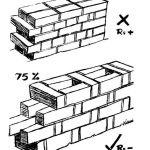
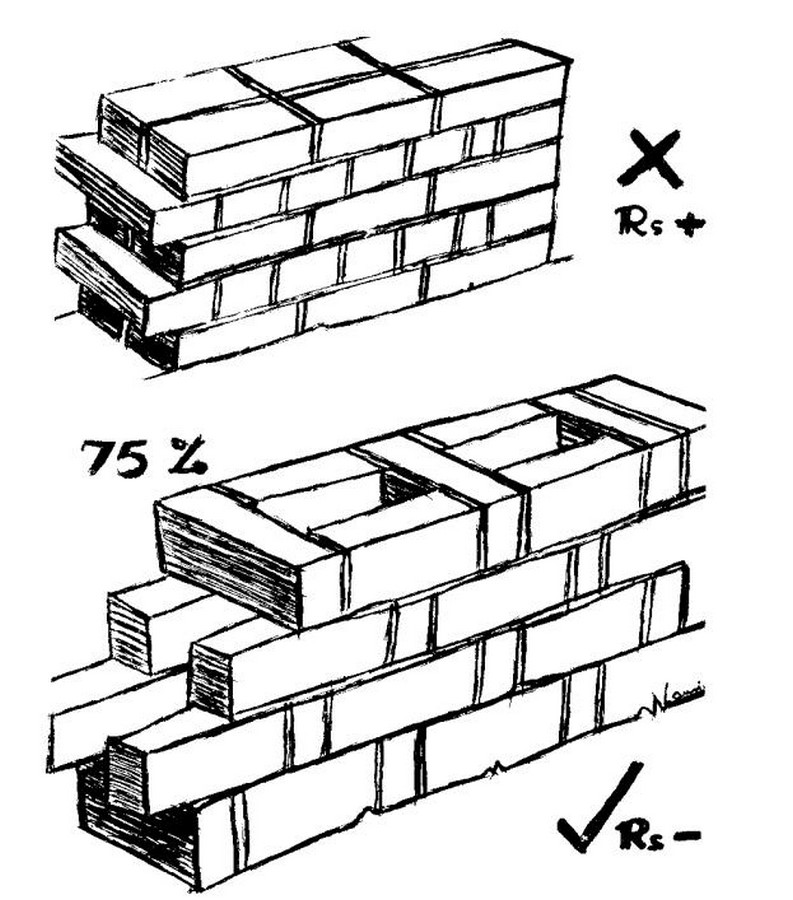
Among his many cost-cutting stratagems are the now-iconic rat-trap bond masonry — a method whereby bricks are laid vertically to create a cavity wall that saves materials while improving insulation — and filler slab roofing, wherein waste materials like broken tiles or pottery shards are inserted between concrete ribs to reduce cement consumption. These methods are not merely economical; they are ecological, embodying a circular economy avant la lettre. One marvels at Baker’s prescience — his ability to anticipate the sustainability discourse long before it was institutionalised in LEED ratings and climate accords.
What elevates Baker’s work from the realm of technical ingenuity to moral philosophy is his steadfast commitment to the human dimension of architecture. He doesn’t design houses; he designs lives. The placement of a courtyard, the curvature of a wall, and the introduction of a jali — all are rendered with anthropocentric precision. His spaces breathe, not just through ventilation shafts, but through an architectural empathy that is increasingly rare in a profession seduced by spectacle.
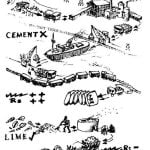
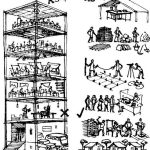
Baker’s disdain for bureaucratic housing projects is withering. He reprimands the recklessness of top-down development schemes, where consultant fees, contractor commissions, and bureaucratic kickbacks often eclipse the cost of actual construction. His alternative is radical in its simplicity: decentralised, participatory, and profoundly local. He calls upon prospective homeowners to reclaim agency over their spaces, to become co-creators rather than passive recipients of architectural diktats.
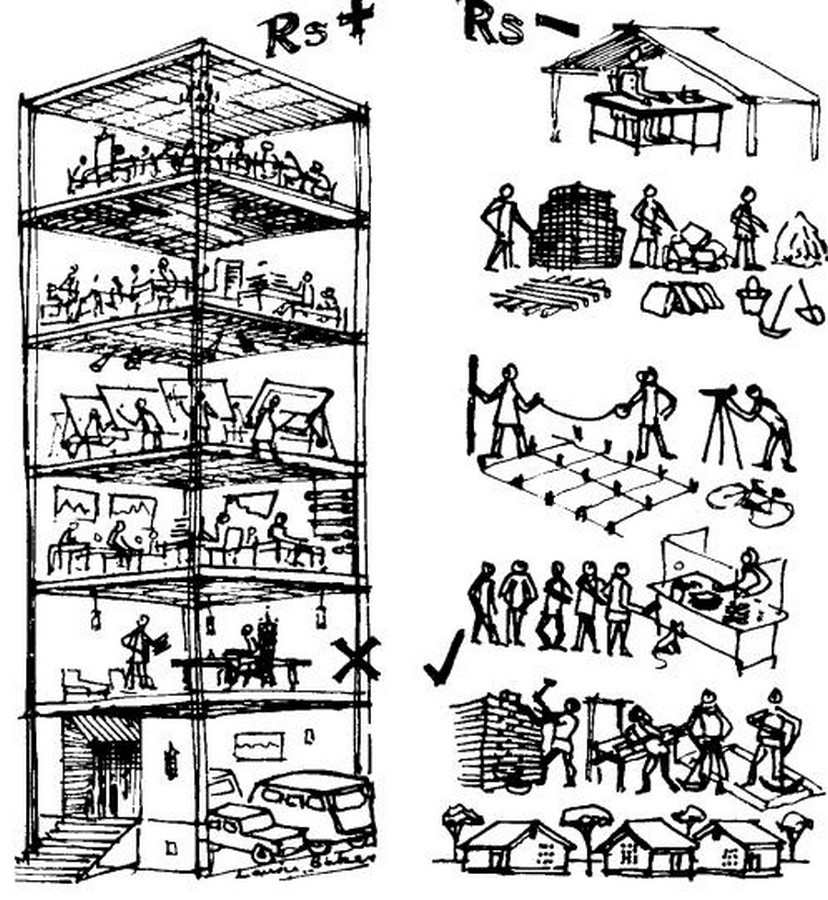
Of course, one might contend that Baker’s methods are context-specific, rooted in the hot and humid climes of Kerala, reliant on the availability of local materials like laterite and coconut timber. And indeed, the book does not pretend to offer panaceas. It offers a sensibility — an explanation of building that can be adapted across geographies. It champions an ethic of responsiveness, of “listening” to the land, the climate, and the community.
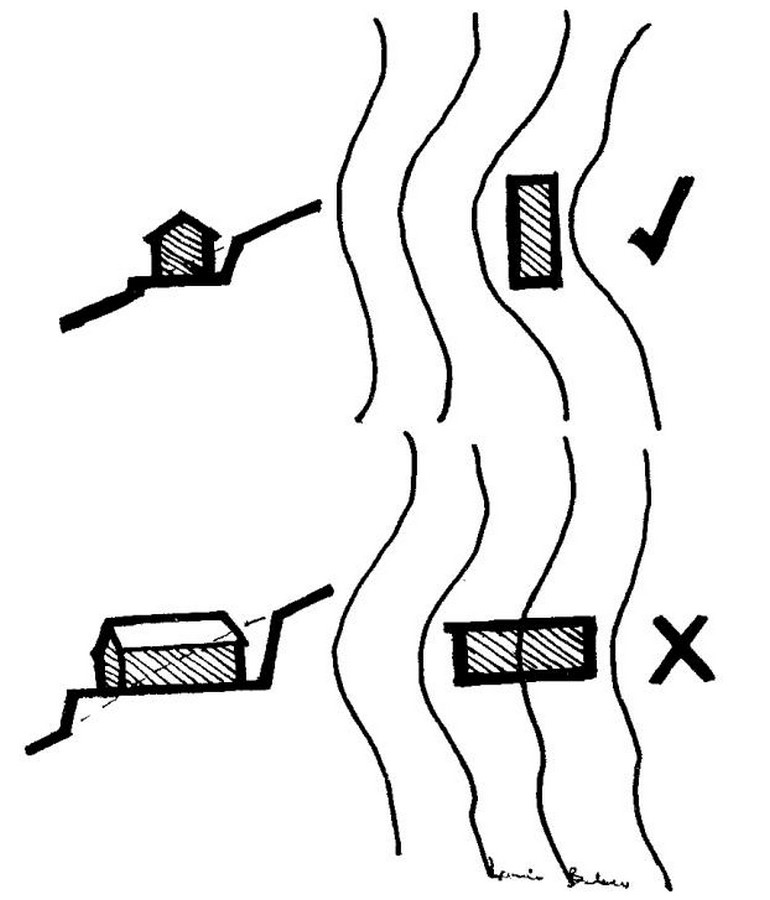
Yet therein lies the book’s only modest limitation. It is not a technical manual in the conventional sense; it offers no exhaustive structural calculations, no material durability indices, no engineering minutiae. It assumes, perhaps romantically, that a mason’s intuition and a homeowner’s resolve can substitute for the sterility of spreadsheets. For architects trained in the rigorous formalism of design studios, the book may feel unanchored. But for those who believe that architecture must first and foremost serve society, it is nothing short of revelatory.
In an age besotted with starchitects and skyscrapers, Laurie Baker remains the philosopher-craftsman — a man who, with brick, lime, and boundless compassion, built not monuments, but movements. Houses: How to Reduce Building Costs is both a manual and a manifesto, offering not only instructions for laying bricks but principles for laying the foundations of a more equitable and sustainable society.
If architecture, as Goethe famously said, is “frozen music,” then Baker’s compositions are not Wagnerian operas of glass and chrome, but the quiet strains of a Carnatic raga — rhythmic, rooted, and radiant in their restraint.
References:
- Houses: How to Reduce Building Costs by Laurie Baker https://lauriebaker.net/images/stories/files/houses.pdf